
How Much Does It Cost to Board a Horse? (Full Board, Partial, Self-Care)
Published on: September 29, 2026 | Last Updated: September 29, 2026
Written By: Henry Wellington
Hello fellow equestrians, staring at that monthly boarding bill and feeling a knot in your stomach? You’re not alone-figuring out how to afford your horse’s home is one of the most common, and stressful, parts of ownership.
In this article, I’ll translate barn ledger chaos into clear numbers, so you can plan your finances with confidence. We’ll break down the true costs of full board, partial board, and self-care, plus the often-overlooked factors that change the price.
I’ve negotiated these very expenses for over a decade as a barn manager, finding the right fit for every horse from steady Rusty to high-maintenance Luna.
The Three Flavors of Board: Full, Partial, and Self-Care Explained
Think of boarding options like vacation packages for your horse. Each offers a different level of service, and your choice hinges on your budget and how much you want to be involved in the daily chores. I’ve managed barns offering all three, and the right fit depends entirely on your life and your horse’s needs. Weighing a private farm against a public boarding facility is a lifestyle-cost analysis. That analysis highlights practical costs, time commitments, and your preferred level of involvement. Choosing the wrong type of board is a fast track to burnout for you or subpar care for your horse.
| Service | Full Board | Partial Board | Self-Care |
|---|---|---|---|
| Daily Feeding (Hay & Grain) | Barn handles all | Typically split (e.g., barn does AM, owner does PM) | Owner responsible for all |
| Stall Cleaning (Mucking) | Barn does daily | Often barn does stall, owner may do pasture pick-up | Owner does all cleaning |
| Turnout & Bring-In | Barn schedules and executes | Shared duty based on agreement | Owner must be there for all |
| Blanket Changes | Usually included | May be extra or owner’s task | Owner’s responsibility |
| Holding for Farrier/Vet | Generally included | Often available for a fee | Owner must attend all appointments |
Full Service Board: The “All-Inclusive Resort”
This is the concierge service of horse care. You write one check a month and the barn staff handles everything from the morning feed to the last stall pick. Your main job is to show up and ride, which is a beautiful luxury after a long workday. Typical services include daily feeding of hay and grain, stall cleaning, scheduled turnout and bring-in, blanket changes based on weather, and holding your horse for the farrier or vet. The price reflects this high convenience. I’ve seen horses like Luna, the sensitive Thoroughbred, thrive in full board because the consistent routine from experienced staff keeps her calm. It’s definitely one area where you want to splurge.
Partial Board: The “Split-Shift” Compromise
Partial board is a shared custody agreement for your horse’s daily needs. It cuts costs by splitting chores between you and the barn. A common split is the barn handling morning feed and turnout, while you handle evening feed, bring-in, and mucking. This option only works if you have a rock-solid schedule, as the barn relies on you to show up like clockwork. It’s a great middle ground, but I’ve watched boarders scramble when traffic or work delays their evening arrival, leaving horses like Rusty waiting at the gate.
Self-Care or Pasture Board: The “DIY Homestead”
Here, you’re essentially renting a stall or a patch of grass. The barn provides the space and maybe the water trough; you do absolutely everything else. This requires a massive time commitment, as you must visit daily, often twice, for feeding, mucking, and health checks. It’s the cheapest monthly rate but the most expensive in terms of your time and fuel. Pasture board versus stable board can be a wonderful, welfare-forward option under this model-horses like Pipin are happiest with constant forage and freedom. But you’re still on the hook for all hay, grain, and field maintenance.
What Actually Determines Your Monthly Bill? 7 Cost Factors
The advertised board rate is just the starting point. As a barn manager, I priced services based on a mosaic of factors that directly impact care quality and my labor. Never compare two board bills without looking at what’s included and the condition of the facility.
1. Your Geographic Region: Zip Code Matters
Board near a major city or in a high-cost area like New York or California will make your eyes water. Rural Texas or Kentucky often offers more breathing room for your wallet. Urban barns pay more for land, taxes, and insurance, and those costs get passed to you. I’ve priced hay in Florida during a drought and watched board rates climb accordingly.
2. Amenities and Facility Quality
A dirt lot with a run-in shed costs less than a place with an indoor arena, heated wash racks, and pristine footing. Think of it like a gym membership. You pay a premium for amenities that make year-round riding and horse care easier, like a covered arena for rainy days or a secure, heated tack room. A “show-ready” facility invests heavily in maintenance, and that reflects in your bill.
3. The Level of Daily Care Provided
This ties directly to the board type. More hands from barn staff equal higher costs. Full board includes labor for mucking, feeding, and turning out; self-care shifts that labor and cost to you. If a barn offers to give supplements or hand-walk your horse, expect that service to be itemized.
4. Included Feed and Supplements
There’s a vast cost difference between basic grass hay and premium alfalfa, or between a standard grain and a specialized metabolic feed. Clarify exactly what feed is included and how much-some barns have a “hay included” policy but limit the number of flakes per day. If your horse needs a specific supplement, that’s usually an extra charge mixed into your feed. A complete comparison of hay types shows which options are best for different horses, helping you choose with confidence.
5. Turnout Time and Pasture Management
I will always advocate for ample turnout. It’s non-negotiable for mental and physical health. Stall board with limited daily turnout often costs more than 24/7 pasture board because of the extra labor involved in moving horses. A plain, honest comparison of stall boarding vs pasture boarding is essential to evaluating your horse’s well-being. Understanding the differences helps you weigh turnout, exercise, and stress for your horse. Well-managed pastures with rotational grazing are a sign of a quality barn and can justify a higher rate for pasture board.
6. The Reputation and Reliability of Management
A barn with experienced, certified staff and a flawless safety record commands a higher price. You are paying for peace of mind, knowing that when a colic scare happens at 2 AM, someone knowledgeable is on the property or on call. This is your insurance policy. A cheap barn with high staff turnover is a risk I’ve seen too many horses pay for.
7. Seasonal Adjustments and Climate
In colder regions, winter means increased costs for extra bedding, blanketing services, and keeping water troughs from freezing. Your bill might creep up in December to cover the mountain of shavings needed to keep a stall dry and warm. In contrast, a barn in Arizona might have costs tied to cooling systems and summer shade structures.
Putting a Number on It: Realistic Price Ranges

Let’s talk numbers. After two decades of writing checks and managing barn budgets, I can tell you that board costs are as variable as horse personalities. These figures are national ballparks, and your local price could be a home run or a foul ball based on your region, facility amenities, and even the time of year. Use this table as a starting point for your search.
| Board Type | Low-End Monthly Estimate | High-End Monthly Estimate | What’s Typically Included |
|---|---|---|---|
| Full Board | $400 | $1,200+ | Stall, feed, hay, turnout, basic cleaning |
| Partial Board | $250 | $600 | Stall & hay, but you handle daily feed and cleaning |
| Self-Care Board | $100 | $350 | Stall/pasture rental only; you provide all care |
Full Board Price Range
At the low end, you might find a no-frills situation with group turnout and standard hay. The high end buys you premium services like individualized feeding, blanketing, and a stall cleaned multiple times a day, which I’ve found vital for a thoroughbred like Luna who stresses in messy environments. Remember, a higher price should correlate with more consistent turnout and attentive care.
Partial Board Cost Range
This middle ground often costs less because you’re trading cash for sweat equity. You’ll save money, but you commit to being at the barn daily for feeding and mucking, a schedule I know well from my years managing self-care barns. The price reflects the facility providing the space and hay, while you cover the grain and labor.
Self-Care Board Cost Range
That stall rental fee looks inviting, but don’t be fooled. The real cost of self-care is measured in your time, your truck’s gas, and the price of hay bales you’ll haul yourself. When I kept my old gelding Rusty on self-care, my “savings” were quickly spent on weekend trips to the feed store and lost sleep checking on him during storms.
The Sticker Shock Add-Ons: Hidden Fees and Extra Costs
Always read the board contract like a detective. What seems like a flat rate can sprout extra charges faster than spring grass, and I’ve seen more than one budget blown by not asking the right questions upfront. These are the common line items that sneak into your bill.
Common Additional Fees
- Supplement Administration: Adding a powder to feed might cost $15-$50 monthly. For a picky eater like Pipin, this was a non-negotiable add-on.
- Special Feeding: Separate grain sessions, soaked hay, or senior mashes often incur a per-feeding charge.
- Trailer Parking: Storing your rig on-site can add $25-$100 to your monthly total.
- Facility Use: Turning on arena lights or using the heated wash stall in winter may come with a small hourly fee.
- Hold Fees: Barn staff holding your horse for the farrier or vet typically costs $15-$25 per visit.
Non-Negotiable Horse Care Expenses
Board covers lodging and basics. These vital care costs almost always land in your lap, separate from your monthly board check, and are the bedrock of responsible ownership. Budget for them religiously.
- Farrier: Trims every 6-8 weeks ($40-$80) or shoes ($100-$200+).
- Veterinary Care: Annual vaccines, dental floats, and emergency funds. A colic surgery can cost thousands.
- Deworming & Prevention: Seasonal dewormers or daily preventatives for flies and insects.
- Insurance: Mortality, major medical, or liability insurance premiums.
How to Save Money on Boarding Without Skimping on Care
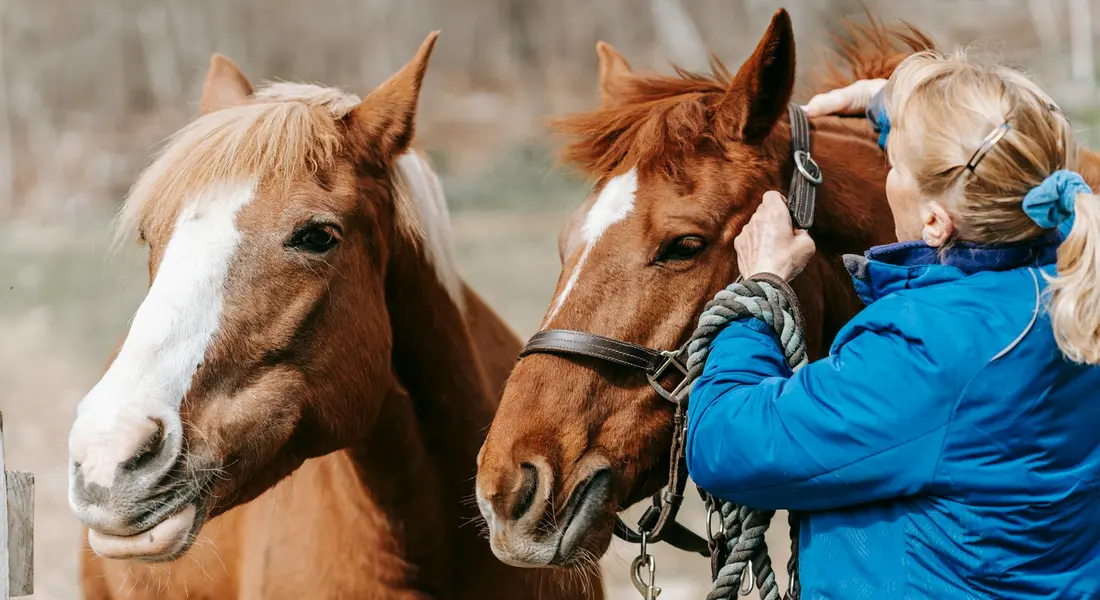
Let’s be real: horse ownership is a joy, but it is not a cheap joy. The good news is that smart, horse-centered choices can trim your budget without trimming your horse’s quality of life. That means you can save money on horse care without compromising their health. Small, smart changes add up over time. True savings come from aligning your horse’s actual needs with what you pay for, not from cutting corners on their well-being.
Consider Pasture or Field Board
This is my top recommendation for suitable horses. Pasture board is often the most budget-friendly and, for many horses, the most welfare-friendly option. It provides 24/7 movement, natural foraging, and herd socializing. Thoughtful pasture design translates these benefits into everyday safety. Designing a safe, effective horse pasture means balancing forage, water, shelter, and fencing. For a sound, easy keeper or a laid-back trail partner, a good field with shelter, clean water, and safe fencing is a five-star resort, not a compromise.
Offer to Trade Labor for Board
Many smaller barns operate on thin margins and need reliable help. Can you commit to mucking three stalls every morning? Repair fence boards? Do the Sunday night check? I once traded weekend feeding and turnout for a full board discount-it meant pre-dawn starts in the quiet barn, just me, the horses, and the smell of fresh hay. Approach this professionally: draft a simple agreement outlining your duties and the financial offset to ensure everyone is on the same page.
Opt for Fewer Fancy Amenities
Be brutally honest about what you use. Do you need that heated indoor arena if you primarily trail ride eight months of the year? A well-maintained outdoor ring might serve you perfectly. Prioritize the non-negotiables: safe fencing, reliable water, and good-quality forage over sparkling lounge areas or an unused treadmill. Your horse cares more about his pasture buddy than the paint color in the wash stall.
Be Your Own “Self-Care” Service Provider
If you choose partial board, your reliability is the currency. The moment the barn manager has to feed your horse because you’re late, your savings evaporate in service fees. Treat your scheduled care days with the sanctity of a work shift-set alarms, have a backup plan, and communicate clearly if an emergency arises. Your consistency builds trust and keeps costs predictable.
Choosing the Right Stable: A Barn Manager’s Checklist
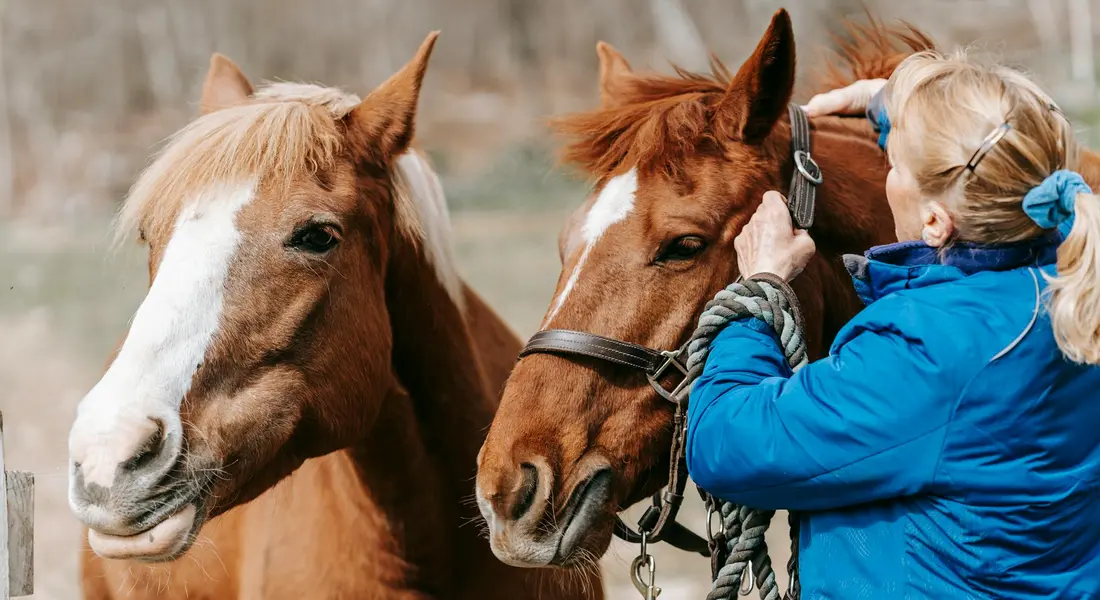
Finding the right barn is less about finding the fanciest one and more about finding the best fit. A chaotic show barn will break a nervous Thoroughbred, and a sleepy field won’t satisfy an eventer. Your inspection should focus on the day-to-day rhythm and the subtle details that signal a manager’s true priorities. Use this checklist on your visits.
Step 1: Visit Unannounced
Announced tours show you a staged version. Pop by on a random Tuesday afternoon. Look for clean stalls with dry bedding, full water buckets, and calm horses. Listen. You want to hear the steady thud of hooves and contented munching, not the frantic calling of hungry animals. Run your hand along fence boards and stall doors-splinters, loose nails, or shaky latches are safety reports filed in wood and metal.
Step 2: Ask About the Daily Routine
Move past “horses are turned out.” Get granular.
- “What is the exact summer and winter turnout schedule?”
- “What brand and type of hay do you feed, and how many pounds per horse daily?”
- “Who does the first morning check, and what are they looking for?”
- “What is your protocol for a horse who isn’t finishing its grain?”
Specific answers show engaged management.
Step 3: Scrutinize the Board Contract
A good contract protects both you and the barn. It should be crystal clear.
- Is the price all-inclusive, or are there add-ons for deworming, supplements, or blanket changes?
- What is the liability structure?
- What is the notice period for leaving or for price changes?
Beware of vague phrases like “as needed” or “at manager’s discretion”-these can lead to surprise bills. Clarity is kindness.
Step 4: Match the Barn to Your Horse’s Personality
Think about your horse as an individual. A busy, competitive barn with constant comings and goings would unravel my sensitive Luna, who needs a predictable, quiet routine. My steady Rusty would be perfectly content in a pasture-board situation with a sturdy run-in shed. And Pipin? That clever pony requires Fort Knox-level fencing and a manager with a sense of humor about his Houdini acts. The right environment is a cornerstone of care, preventing stress-related issues before they start.
Frequently Asked Questions About How Much It Costs to Board a Horse
What are the average horse boarding costs in Ocala, Florida?
Ocala’s status as a major equine hub means boarding costs are competitive, with full board often ranging from $500 to $1,500 monthly. Prices vary based on access to training tracks, show facilities, and premium services like daily grooming. Pasture or self-care options can be found for $200 to $400, offering savings for hands-on owners.
How much does horse boarding cost in Calgary, Alberta?
In Calgary, full board averages $600 to $1,200 per month, influenced by the need for indoor arenas and winter care amenities like heated waterers. Self-care board typically starts at $150 to $300, but costs rise with added hay and bedding during harsh winters. Urban proximity and facility quality, such as secure tack rooms, also impact rates.
What is the typical horse boarding cost in Texas?
Texas boarding costs range widely, with full board in cities like Austin or Fort Worth averaging $400 to $1,000 monthly, while rural areas may offer rates as low as $300. Pasture board is common and cost-effective, often $100 to $300, due to favorable climates and land availability. Premiums apply for amenities like covered arenas or specialized feeding programs.
Your Horse’s Home and Your Peace of Mind
Choose a boarding plan by honestly weighing your time, budget, and your horse’s need for routine. The real cost is measured in your horse’s health and happiness, so always prioritize facilities that provide consistent quality care and daily turnout.
Trust the process of finding the right fit, and let your horse’s behavior and condition be your guide. A good boarding situation should make your partnership easier, letting you focus on the ride, not the worry. For horse boarding pet owners, that means choosing a facility that communicates openly and supports your horse’s routine. A well-matched board makes the partnership easier and your updates predictable, so you can ride with confidence.
Further Reading & Sources
- Lease Information | County Line Stables
- r/Equestrian on Reddit: Just curious what full care board costs and where you are.
- How much does it typically cost per month to board a horse? What are some things you should look for when choosing a place to board your horse? – Quora
- Horse Boarding: Types, Cost, & Other Considerations – Farm House Tack
At Horse and Hay, we are passionate about providing expert guidance on all aspects of horse care, from nutrition to wellness. Our team of equine specialists and veterinarians offer trusted advice on the best foods, supplements, and practices to keep your horse healthy and thriving. Whether you're a seasoned rider or new to equine care, we provide valuable insights into feeding, grooming, and overall well-being to ensure your horse lives its happiest, healthiest life.
Stable Management