
Horse Vaccinations and Deworming Schedules: A Straightforward Plan for Owners
Hello fellow equestrians! Keeping track of shots and wormers can feel like a confusing puzzle. You worry about missing a crucial dose or spending on treatments your horse might not even need.
Take a deep breath. I will help you build a sensible, effective routine. We will cover:
- The essential vaccines for every horse, regardless of lifestyle.
- Building a smart deworming schedule using fecal egg counts, not just the calendar.
- Step-by-step methods for giving shots and paste safely to keep everyone calm.
- Key signs of parasite problems or vaccine reactions you should never ignore.
I have managed these protocols for over ten years in the barn, caring for everything from my stoic Quarter Horse Rusty to my finely-tuned Thoroughbred Luna.
The Non-Negotiables: Why Vaccinations and Deworming Matter
I once spent a tense week treating Luna for a high fever and stiffness; it was a close call with a mosquito-borne virus we could have prevented. That scare in the barn, with the smell of antiseptic and the sound of her labored breathing, cemented why I never skip these routines.
Consistent vaccines and deworming are the bedrock of equine welfare, directly enabling safe, ample turnout time. When your horse is protected, you can open that pasture gate with confidence, knowing they can graze and roll without invisible threats lurking.
Injections and paste tubes might seem clinical, but they are profound acts of gentle horsemanship. Preventing disease is always kinder, less stressful, and more economical than battling a crisis.
Neglecting this core care invites trouble: devastating neurological damage, agonizing colic from parasite burdens, or fatal infections from a simple scratch. These consequences are severe, but they are also largely avoidable with a solid plan.
Core Vaccines: Essential Protection for Every Horse
Core vaccines defend against diseases that pose a universal risk to all equines, regardless of age, job, or whether they live in a busy barn or a quiet backyard. Think of them as the required safety gear, as non-negotiable as a well-fitted halter.
Every horse needs protection from four primary adversaries. Tetanus causes painful, rigid muscle lockjaw from soil bacteria. Eastern and Western Equine Encephalitis (EEE/WEE) are brain-inflaming viruses carried by mosquitoes. West Nile Virus also attacks the nervous system via mosquito bites. Rabies, transmitted through saliva from rabid wildlife, is always fatal.
| Vaccine Name | Disease Prevented | Standard Booster Timing |
|---|---|---|
| Tetanus Toxoid | Tetanus | Annually, or post-injury if overdue |
| EEE/WEE Combination | Eastern & Western Equine Encephalitis | Annually, before mosquito season |
| West Nile Virus | West Nile Virus | Annually, before mosquito season |
| Rabies | Rabies | Annually |
This schedule is the baseline for Rusty, Luna, and Pipin alike. Your veterinarian tailors the timing, but these diseases demand everyone’s attention.
Tetanus and Encephalitis: The Silent Threats
Tetanus spores live everywhere in the environment, waiting for any break in the skin, from a nail puncture to a minor scrape. It’s a brutal disease that makes kindness-a simple vaccination-feel heroic.
The encephalitis viruses are stealthy, spread by mosquitoes that feed on infected birds. Your horse can be exposed just standing in their own paddock on a warm evening.
I vaccinate even my steady old-timer Rusty, who seems to live a charmed life. Risk is not about personality; it’s about omnipresent biology.
West Nile and Rabies: Wildlife-Vectored Dangers
West Nile transmission hinges on the mosquito lifecycle, linking your horse’s health to local water and bird populations. Vaccinating in spring builds a wall of defense before the summer insect hum begins.
Rabies exposure often comes from a curious sniff or a nighttime skirmish with wildlife. An annual rabies shot protects your horse and creates a safer barrier for every human in the barn.
We time the West Nile booster with the first green-up of pasture grass, a natural calendar reminder. Syncing care with seasons works with nature, not against it.
Risk-Based Vaccines: Customizing Your Horse’s Shield
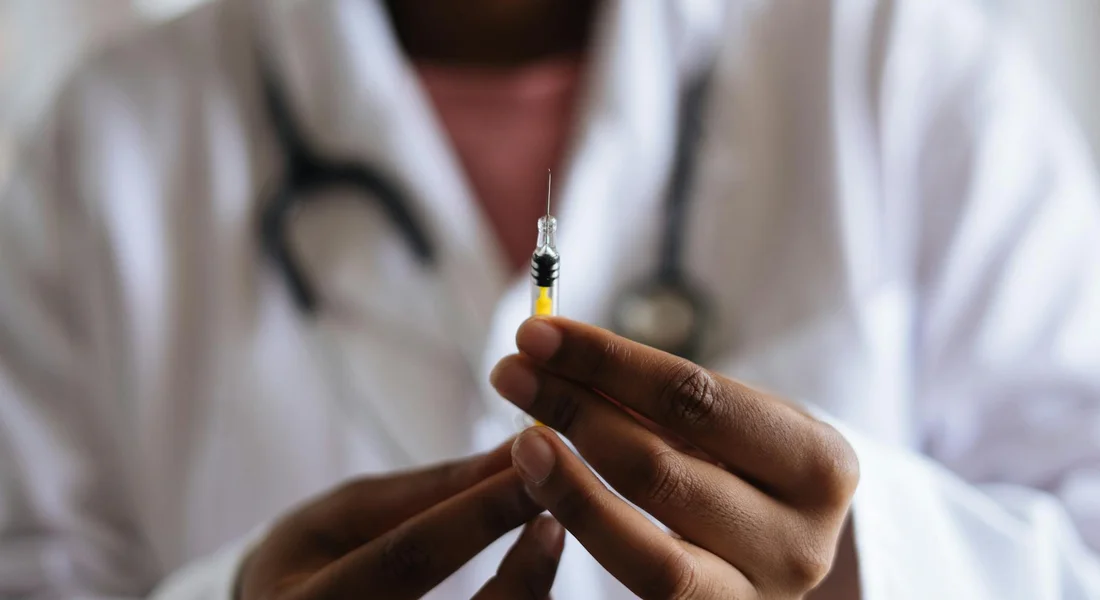
Core vaccines are your horse’s baseline armor. Risk-based vaccines are the custom-fitted pieces you add based on where they go and who they nose-boop. Think of a busy boarding barn like a preschool for germs-it’s a whole different world than your quiet backyard. Your horse’s lifestyle is the single biggest factor in deciding which of these shields they need.
I’ve managed barns where show horses lived next door to happy retirees. Their medical plans were as different as their jobs. Here are the common non-core players:
- Equine Influenza (Flu): A highly contagious respiratory virus. Spreads through coughs, snorts, and shared water buckets.
- Strangles: Caused by Streptococcus equi. Notorious for causing abscessed lymph nodes and high fever. It’s the barn manager’s nightmare.
- Rhinopneumonitis (Equine Herpesvirus/EHV): Comes in two main types. EHV-1 can cause respiratory disease, abortion in mares, or neurological issues. EHV-4 is usually a respiratory culprit.
Deciding what your horse needs isn’t guesswork. Grab a notebook and answer these questions. They’re exactly what I review with our vet during spring check-ups.
- Does your horse travel to shows, clinics, or trailheads?
- Do new horses frequently arrive at your facility?
- Is your barn densely populated with horses coming and going?
- Are there young, old, or immunocompromised horses in the herd?
- Have there been local disease outbreaks you’ve heard about?
Based on those answers, a risk profile emerges. Here’s a simple comparison:
- The Homebody (Like Rusty): Lives alone or in a closed, stable herd. No travel. Risk-based vaccines may be minimal unless a local outbreak occurs.
- The Social Boarder (Like Luna): Lives at a busy barn with horses coming from shows. May benefit from influenza and rhino vaccination as a baseline.
- The Frequent Traveler (A Show Horse): Hits the circuit. This horse needs a robust shield, often including flu, rhino, and sometimes strangles, depending on venue requirements.
- The Youngster or Broodmare: Requires specific protocols for rhino (EHV-1) to protect against abortion. Always a mandatory discussion with your vet.
Influenza and Herpesvirus: The Social Stable Risks
These two are the gossipmongers of the horse virus world-they spread fast wherever equines congregate. I’ve seen a single new horse with a slight cough seed a barn-wide respiratory event in a week. The virus particles travel on air currents, tack, your hands, and even your clothes, making any shared space a potential transmission zone.
A horse with influenza will often act profoundly lethargic, have a deep, dry cough, and run a high fever. Herpesvirus can look similar but has that dangerous potential to manifest in other body systems. For horses attending events, the protocol is non-negotiable. I never load a horse on the trailer without checking this box first.
Your best defense is a two-part strategy. First, vaccination. For the active horse, vets often recommend boosters every six months. Second, rock-solid barn hygiene. Isolate new arrivals for at least two weeks. Make disinfecting water buckets, feed tubs, and shared equipment as routine as mucking stalls. Think of it as washing your hands, but for your entire barn operation.
Crafting a Smart Vaccination Timeline
Vaccines work in two acts: the primary series and the boosters. The first shots introduce the immune system to the enemy in a controlled way. Boosters are the follow-up calls that remind the body’s defenses to stay on high alert, ensuring protection doesn’t fade when you need it most. It’s a simple one-two punch that keeps illness at bay.
For your average adult horse, you can follow a seasonal schedule. I manage Rusty, Luna, and Pipin on this phased plan, adjusting for their personalities and our local risks. If you’re curious about what a seasonal routine horse care schedule looks like, it typically breaks tasks into daily checks, weekly grooming, and seasonal health routines. We’ll outline the pattern in the next steps.
- Early Spring: Hit the core vaccines-Tetanus, Eastern/Western Encephalomyelitis, and West Nile Virus. Getting ahead of mosquitoes is key.
- Late Spring/Early Summer: Layer on risk-based vaccines like Rabies and Influenza, particularly if your horse travels or meets new buddies at shows.
- Early Fall: Administer a booster for respiratory threats like Rhinopneumonitis (EHV), before everyone spends more time in the close quarters of the barn.
Your map is not set in stone. Regional disease risks, like a long mosquito season or a local outbreak, should make you pivot your timing faster than Pipin finding a gate latch. My vet and I adjust Luna’s schedule if the spring is unusually wet and buggy.
Clear records prevent guesswork. I keep a weathered notebook on the feed room shelf, noting every shot date and brand, right next to notes on when the farrier visited and what feed we ordered. This log is as vital as hearing the thud of hooves at feeding time-it’s the rhythm of responsible care.
Vaccination Schedules for Foals and Youngstock
Foals start with a shield from their dam. Their vaccination journey is a slow, steady build. Timing the first shots is a dance with fading maternal antibodies, so starting too early wastes the dose, and starting too late leaves a gap. Here is the step-by-step timeline I follow when transitioning from foal to yearling.
- Month 4 to 6: Begin the primary series for core diseases like Tetanus and Encephalomyelitis. This is when the immunity borrowed from mom begins to drop.
- 4 to 6 Weeks Later: Give the second dose in the primary series. This reinforcement solidifies the immune response.
- At 10 to 12 Months: Provide the first annual booster, effectively transitioning the young horse to an adult schedule.
The mare’s health directly fuels her foal’s early defense. Vaccinating the pregnant mare 4 to 6 weeks before her due date is like loading her colostrum with protective armor, giving the foal a fighting chance from its first nursing. I’ve never regretted investing in that pre-foaling vet check.
Booster Schedules and Annual Reviews
Booster frequency depends on the vaccine and your horse’s life. Core vaccines often demand annual boosters, while others might need a six-month nudge. For a homebody like Rusty, a yearly West Nile booster in spring is perfect, but for a social butterfly show horse, influenza shots might need to be twice a year. Use this as a general guide.
- Tetanus Toxoid: Boost every 1 to 2 years after the initial series.
- West Nile Virus: Annual booster, ideally a month before mosquito season kicks in.
- Rabies: Typically an annual shot, but some vaccines are licensed for longer intervals-your vet will know.
- Equine Influenza/Rhinopneumonitis: For high-risk horses, every 6 months; for lower exposure, annually.
Your vaccination plan is a living document. Schedule a yearly consult with your vet, perhaps when the smell of fresh hay fills the barn in autumn, to discuss any changes in travel, boarding, or local disease pressures. This five-minute chat is the cornerstone of preventative care.
Deworming Decoded: Moving Beyond the Calendar

Remember the days of marking your barn calendar for deworming every eight weeks, like clockwork? I used to do that too, until I noticed Pipin, despite regular treatments, was still a bit pot-bellied and dull-coated. That old routine is as outdated as a leather halter left in the rain. Blind, calendar-based deworming has fueled widespread parasite resistance, making some common drugs less effective every year. We’re not just giving medication; we’re training parasites to ignore it.
The cornerstone of modern, smart parasite control is the Fecal Egg Count (FEC). Think of it as a spy report from your horse’s digestive tract. By analyzing a small manure sample, an FEC tells you exactly which parasites are present and how heavy the burden is, letting you treat only the horses that need it. This targeted approach preserves the effectiveness of our dewormers for the long haul.
Knowing your enemy is half the battle. Here are the usual suspects:
- Small Strongyles (Cyathostomins): The most common. Larvae burrow into the gut wall and can cause weight loss, diarrhea, and colic when they emerge in large numbers.
- Large Strongyles (Bloodworms): Less common now but dangerous. Their migrating larvae damage blood vessels, risking colic and thrombosis.
- Ascarids (Roundworms): Mostly a threat to foals and young horses. A heavy infection can lead to intestinal blockage and stunted growth.
- Tapeworms: They attach at the gut’s junction, a common site for spasmodic colic. They require a specific dewormer class to address.
Effective deworming isn’t just about the paste in the tube. Your pasture management is your first and most powerful line of defense against internal parasites. Regular manure picking, rotating grazing areas, and avoiding overcrowding break the parasite life cycle. I prioritize maximum turnout for my herd-Rusty, Luna, and Pipin all benefit from moving freely on clean pasture, which naturally reduces worm burdens.
Understanding Anthelmintics and Resistance
Dewormers, or anthelmintics, fall into several drug classes. I keep a simple mental checklist:
- Macrocyclic Lactones (Ivermectin/Moxidectin): Broad-spectrum, often used for bots and many worms. Resistance is growing in some areas.
- Benzimidazoles (Fenbendazole/Panacur): Target worms by disrupting their metabolism. Resistance to this class is very high in many regions.
- Pyramid Pamoate/Pyrantel Pamoate: Effective against strongyles and ascarids. A good option in rotation when FECs guide you.
- Praziquantel: Specifically for tapeworms; often combined with other dewormers.
The old advice was to rotate dewormer classes every time. Now, we know better. Rotation should be informed by FEC results and which drug class is still effective against the parasites on your property. Using Ivermectin because it’s Tuesday, when a fecal count shows only tapeworms, is a waste and speeds up resistance. Your vet is your best ally in crafting this strategy.
Implementing a Targeted Deworming Program
Starting a targeted program is simpler than it sounds. Here’s how I manage it for my crew:
- Test First: Collect fresh manure samples from each horse at least once or twice a year, typically in spring and late summer. For sensitive horses like Luna, I do it more often to stay ahead of any stress-related shifts.
- Interpret & Act: Your lab report will give an eggs-per-gram (EPG) count. Use this simple guide:
- Low Shedder (EPG 0-200): These horses, like Rusty often is, naturally resist parasites. Deworm them only once or twice a year with a drug effective against tapeworms and encysted small strongyles.
- Moderate Shedder (EPG 200-500): Treat strategically, usually twice a year, based on the specific parasites found.
- High Shedder (EPG 500+): These horses need more focused attention. Deworm according to your vet’s plan, then re-test in 10-14 days to check efficacy.
- Time it Right: Sync deworming with your pasture management. I always deworm right before moving the herd to a fresh, rested paddock-this ensures they shed fewer eggs onto clean grazing. Late fall treatment for encysted small strongyles is critical, as is a spring round-up for bots and tapeworms.
The goal is a healthy balance, not a sterile gut. A few parasites are normal; it’s the overload that causes harm. By working with your vet and using FECs as your guide, you protect your horse’s health and the future usefulness of our deworming medications.
Special Considerations for Different Horses
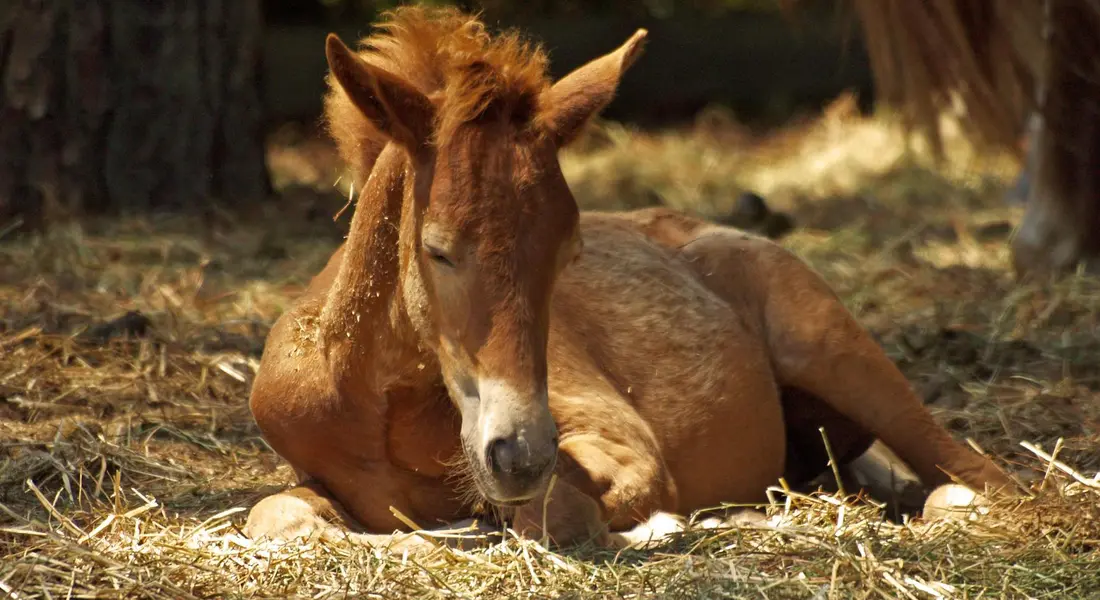
I’ve found that a one-size-fits-all plan falls apart at the barn gate. Tailoring your approach to the individual horse in front of you is the bedrock of good stewardship and effective care. My old reliable Rusty needs a different strategy than my sensitive thoroughbred, Luna, and that cheeky pony Pippin is a category all his own.
Foals build immunity from their dam’s colostrum, but that protection fades. Your vet will map out a series of shots, often starting at 3-4 months, to carefully build their defenses without overwhelming their system. For senior citizens, the goal shifts to maintenance and monitoring. An older horse might not mount as strong an immune response, so your vet might tweak vaccine types or timing.
Pregnant mares require a calm, planned approach. Vaccinations like those for Rhinopneumonitis (EHV-1) are given at specific pregnancy stages to protect the unborn foal, and any deworming or shots should be done well ahead of her due date to minimize stress. I always schedule these procedures for a quiet afternoon when the barn is peaceful. Being aware of common complications during pregnancy—such as placentitis or fetal loss—helps guide preventive care. Regular vet checkups and close monitoring further reduce the risk.
Deworming isn’t a simple calendar event anymore. Through fecal egg counts, you can identify high-shedders who pass lots of worms and low-shedders who naturally resist parasites. This lets you target treatments to the horses that truly need them, slowing drug resistance. In my herd, Luna tends to be a low-shedder, while Pippin seems to collect every parasite known to pony-kind.
Always watch closely after any injection. With a sensitive soul like Luna, I check her neck for swelling, monitor her temperature, and ensure she’s eating and acting normally for a full 48 hours. A slight bump is common, but lethargy or loss of appetite warrants an immediate call to your vet.
All this science means nothing without kindness. Gentle horsemanship turns a stressful vet visit into a trusting moment-speak softly, offer a favorite treat like Rusty’s apple, and never rush the process. That’s how you build a strong bond and trust your horse. When that bond is there, cooperation follows naturally during care. A horse that trusts you will stand quieter for shots and accept deworming paste with less fuss.
Deworming Schedules by Life Stage
Your deworming calendar should evolve as your horse does. Accurately weighing your horse with a tape or scale is non-negotiable for dosing; guessing can lead to under-dosing that fuels parasite resistance. I weigh everyone, from Luna to Pippin, every few months.
- Foals: Start with a fenbendazole or pyrantel pamoate paste at about 2-3 months old. Repeat every 2 months until they’re a yearling, as their immature immune systems are vulnerable.
- Adult Horses (2-20 years): Base treatment on fecal egg count results. Many healthy adults only need deworming 1-2 times a year with a rotating product. High-shedders may need 3-4 targeted treatments.
- Geriatric Equines (20+ years): Their metabolism and tooth condition change everything. I deworm my seniors like clockwork every 6 months, but I choose milder formulas and always pair it with a probiotic to support their gut. Their comfort is the priority.
Integrating Care with Herd and Pasture Management
The best vaccination and deworming program can be undone by poor pasture hygiene. Think of your field management as the first line of defense, reducing the need for medical interventions and the stress that comes with them. A clean environment supports a robust immune system.
Here are my go-to stable hacks that make a real difference:
- Manure Mucking Mastery: Pick up droppings from paddocks and pastures at least twice a week. This single act breaks the parasite life cycle dramatically. I make it part of my daily turn-in routine.
- Pasture Rotation: If you have the space, rotate horses between fields every few weeks. This gives the grass and ground time to rest and sunlight to kill off parasite larvae.
- The Mandatory Quarantine: Any new arrival, no matter how sweet, gets isolated for 2-3 weeks. This lets you observe for illness, run a fecal test, and administer any needed vaccines or dewormers before they join the herd. It prevented a strangles scare at my barn last year.
- Feed and Water Smarts: Keep feed tubs and hay racks clean and off the ground. Ensure water troughs are fresh and free of contamination to support overall health and vaccine efficacy.
These practices directly cut the parasite load in your environment. A lower parasite burden means your deworming drugs work better when you do need them, and a healthier, less-stressed horse responds more robustly to vaccinations. It’s all connected-from the thud of hooves on clean ground to the peace of mind when the vet drives away.
FAQ: Understanding Common Horse Vaccinations and Deworming Schedules
Is there a horse vaccination schedule calculator I can use?
A vaccination schedule calculator is an online tool that helps you generate a timeline based on your horse’s age, location, and lifestyle. It uses your inputs to apply general veterinary guidelines, creating a personalized calendar for initial shots and boosters. Remember, this is a helpful planning aid, but your final schedule must be reviewed and approved by your own veterinarian. Just like it’s important to adjust your horse’s feed based on body condition scoring, you should also tailor vaccination schedules to your horse’s individual needs.
How does a horse vaccination schedule differ in places like Canada, Australia, the UK, and South Africa?
Schedules differ primarily due to local disease risks, climate, and mosquito seasons, which affect when vaccines like West Nile or Encephalitis are given. National veterinary associations in each country provide specific guidelines, such as vaccinating for different strains of equine influenza. Always consult a local equine vet who understands the regional threats and can tailor a plan for your property.
How do I find a “horse vaccination schedule near me” and a reliable vet to implement it?
Start by searching for equine veterinary clinics or large-animal practitioners in your area and asking for barn recommendations from local horse owners or feed stores. A good vet will create a schedule “near you” by assessing local disease risks and your specific management practices. They will also provide a detailed plan, often in a horse vaccination schedule PDF format, for your records. Consider whether your horse’s initial and ongoing veterinary care needs are being met, so you can plan for routine checkups and preventive care. This awareness can guide who you choose and how often you schedule visits.
Your Horse’s Health: The Simple Truth
Stick to core vaccines for risks like tetanus and use fecal egg counts to make deworming decisions. The very best protocol is the one you build alongside your vet, customized for your horse’s unique life.
Consistency in this routine is an act of gentle horsemanship that keeps everyone safe. Remember, the most important gauge of your plan’s success is your horse’s own bright eyes and steady demeanor.
Further Reading & Sources
- Vaccinating and deworming your horse
- Fall vaccines and deworming – Veterinary Teaching Hospital
- Vaccinations and Deworming | Northwest Equine Veterinary Associates
- Genesee Valley Equine Clinic | Vaccination and Deworming Schedules
At Horse and Hay, we are passionate about providing expert guidance on all aspects of horse care, from nutrition to wellness. Our team of equine specialists and veterinarians offer trusted advice on the best foods, supplements, and practices to keep your horse healthy and thriving. Whether you're a seasoned rider or new to equine care, we provide valuable insights into feeding, grooming, and overall well-being to ensure your horse lives its happiest, healthiest life.
Health