
Autumn Horse Care Checklist: Preparing Your Horse and Barn for Colder Weather
Published on: January 20, 2026 | Last Updated: January 20, 2026
Written By: Henry Wellington
Hello fellow equestrians. That first sharp morning chill isn’t just a signal for you to grab a jacket-it’s a direct alert to your horse’s changing needs, often bringing worries about weight loss, respiratory bugs, and skyrocketing bedding bills.
Having managed barns through countless seasonal transitions, I’ve crafted a simple, actionable guide. We’ll focus on strategically adjusting forage and feed to maintain body condition, conducting a thorough barn audit for warmth and safety, optimizing turnout and pasture management to combat mud, and adapting your grooming and hoof care routine for wetter ground.
My advice is grounded in decades of barn-side experience, ensuring horses like my steady Rusty or sensitive Luna thrive when the mercury drops.
Why Autumn Horse Care Sets the Stage for Winter
Autumn is not just a pretty season; it’s your critical window to prevent winter emergencies like drastic weight loss, colic, and hoof abscesses. Gradual preparation now lets your horse’s body adapt slowly, building a robust reserve before the true cold hits. A sudden switch to winter feed or a rushed blanket change can shock their system, leading to digestive upset or stress-related issues.
I learned this the hard way with Luna, my dapple grey Thoroughbred. The first crisp week last fall, she became a tense, spooky version of herself-her metabolism spiked, and she started dropping weight off her ribs. Her sensitivity taught me that autumn care isn’t about reacting to cold, but proactively managing the transition. We eased into a higher-fat feed incrementally and introduced her heavier blanket during the warmest part of the day, which kept her calm and comfortable.
Common autumn health risks you can mitigate with early action include:
- Increased colic risk from rapid dietary changes or decreased water intake.
- Mud fever and scratches from wet, muddy pastures.
- Hoof problems like thrush or abscesses from constant wet-dry cycles.
- Respiratory issues from dusty hay and poor barn ventilation.
Your Barn Readiness Audit: From Roof to Floor
Before the first nor’easter blows in, grab a notebook and walk your property. This systematic check transforms panic into preparedness, ensuring your shelter is a refuge, not a hazard. Start high and work your way down to the ground.
Inspect and Repair Shelter Structures
Look for daylight where it shouldn’t be-around doors, eaves, and siding. A secure barn starts with the satisfying, solid thud of a tight-fitting door and the definitive click of a latch sealing against the strike plate. Check roof seams for leaks, tighten any loose boards or metal panels, and ensure all windows close fully. Repairing a loose shingle now is far easier than bailing water out of a stall later.
Optimize Stall Comfort and Safety
Your horse’s stall is their bedroom for the long nights ahead. Deep, dry bedding is non-negotiable insulation, cushioning joints and keeping them warm from the ground up. Shavings are superior for moisture-wicking and ease of mucking, while straw can be a cheaper option but requires more frequent changing to stay dry.
Bedding Depth and Type
I increase my bedding depth to a good eight inches once nights dip below freezing. Use the simple “boot test”: if you step into the stall and your boot sinks in softly without immediately hitting the floor, you’ve got enough cushion. This depth provides comfort, absorbs urine effectively, and helps trap warm air.
Ventilation and Air Quality
Sealing a barn tight is a recipe for respiratory trouble. Fresh air must flow freely to carry out ammonia and dust, but drafts should not blow directly onto your horse. My favorite hack is to crack the top windows or use vented eaves; this lets stale, warm air rise and escape while pulling in fresh air from lower, sheltered openings.
Secure Water and Feed Systems
Frozen water is a fast track to colic. Install tank heaters now, before ice forms, and insulate any exposed pipes with foam sleeves or heat tape. Make a habit of breaking and removing surface ice twice daily-the steady sound of flowing water is the sound of a healthy gut. For feed, inspect your hay storage area meticulously. Look for telltale white dust (mold) or signs of pests. Always stack hay on pallets with gaps between rows to promote air circulation and prevent spoilage at the bottom of the stack.
Fine-Tuning Your Horse’s Diet for Cooler Days
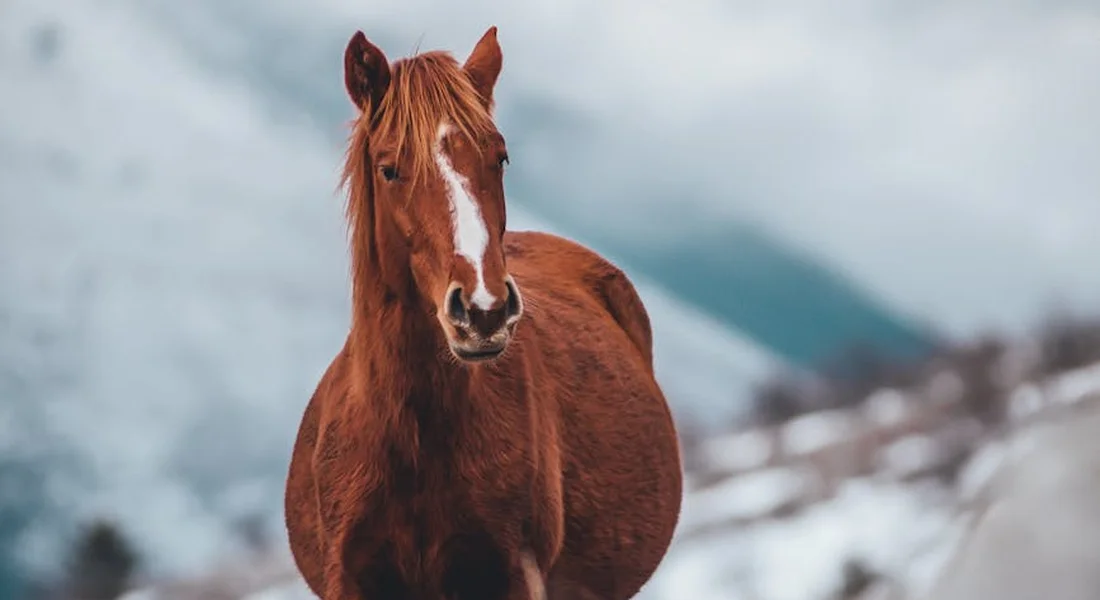
As the autumn chill sets in, your horse’s menu needs a thoughtful update. The lush summer pasture that kept them busy and full slowly fades to brown, and hay must step up as the main source of forage. This switch isn’t just about filling their bellies; digesting that fibrous hay actually generates internal heat, a process called the thermogenic effect that helps your horse stay warm from the inside out. I watch my old reliable, Rusty, closely during this transition-his metabolism isn’t what it was, and ensuring he has enough good hay is my first defense against the cold.
Forage First: Hay Quality and Quantity
Your horse’s gut health and warmth hinge on the hay you provide. Start by evaluating every bale with your senses before you feed it. Good hay smells sweet and fresh, like a sun-dried meadow, not dusty or like mildew. Look for a greenish tint and soft, leafy stems that bend easily, not coarse, brown stalks. As the grass outside loses its nutritional punch, you’ll need to increase your hay offering. A good rule is to provide free-choice hay so they can nibble constantly, mimicking natural grazing and keeping that furnace stoked.
- Smell: It should be fragrant and pleasant. Musty odors signal mold-throw that bale out.
- Color: Aim for a bright, greenish hue. Overly brown or yellow hay is often sun-bleached and less nutritious.
- Texture: Crush a handful. It should feel soft and pliable, not brittle or full of hard sticks.
I increase Luna’s hay the moment I see the first frost on the ground; her thoroughbred metabolism runs hot but burns energy fast, and extra forage keeps her from dropping weight.
Grain Adjustments and Weight Monitoring
Now, look at your grain ration. Many of us reduce riding time as days shorten, so your horse’s energy needs likely drop. Adjust grain servings down to match this lighter workload, preventing unhealthy weight gain that stresses joints and hooves. The key is weekly hands-on monitoring. Run your hands over your horse’s ribs, spine, and hips-you should feel them under a light cushion, not see them. Use this simple body condition scoring chart as your guide:
| Score | What You Feel and See |
|---|---|
| 1 (Poor) | Sharp ribs, spine, and hips are prominently visible. Bone with no fat cover. |
| 2 (Thin) | Ribs are easily seen, and the backbone is prominent. Minimal fat. |
| 3 (Ideal) | Ribs are easily felt but not seen. A smooth layer covers bones; back is level. |
| 4 (Fleshy) | Ribs require pressure to feel. Fat deposits along the neck and tailhead. |
| 5 (Fat) | Ribs cannot be felt. Obvious fat patches, and a crease down the back. |
My pony Pipin scores a solid 4 by late summer if I’m not careful; his cheeky intelligence is always focused on scoring extra meals, so I have to be the one to say no.
The Role of Supplements
Supplements can help, but they are not a blanket solution. Always base your choice on your horse’s individual life stage, workload, and any specific challenges, rather than the season alone. For instance, an older horse like Rusty might benefit from a joint support supplement as colder weather can make stiff legs more apparent. A shiny coat in winter often comes from within, so omega-3 oils from flax or fish oil can be useful if your hay is lacking. I add a scoop of omega oil to Luna’s feed for her skin and coat, but Pipin gets nothing extra-his hardy breed and perfect condition mean he does just fine on forage alone.
The Great Blanket Debate: To Rug or Not to Rug?
Every fall, barn aisles buzz with the same question: should you blanket your horse? The answer isn’t in a catalog; it’s written in your horse’s coat, age, and daily life. A thick, fuzzy winter coat is nature’s perfect insulation, trapping warm air close to the skin. A healthy, mature horse with a good coat and access to a windbreak often thrives without a rug. I’ve seen Rusty, my quarter horse, stand content in a snowfall, his sorrel back dusted white, steam rising from his topline as his natural furnace does its job. Understanding how horses handle cold weather and winter conditions is key to making the right call.
Age and health shift the equation. Older horses like Pipin, though spirited, may burn calories just staying warm. Thin horses, ill horses, or those recently clipped lack that critical natural barrier. Available shelter is non-negotiable; a run-in shed gives a horse the choice to escape driving rain or wet snow, which compromises insulation faster than cold air alone. Blanketing should complement a horse’s own defenses, not replace them without good reason.
And sometimes, the horse votes. I recall one frosty morning finding Pipin, our Shetland pony, roaming free, his blanket neatly folded by the gate. The clever rascal had rubbed the front straps loose on a post and simply stepped out of it. It was a cheeky reminder that even the best gear is useless if it doesn’t suit the individual wearing it. His intelligent, food-motivated personality extended to wardrobe protests.
Assessing Your Horse’s Blanket Needs
Skip the guesswork. Ask these questions before you reach for a blanket. Your horse’s comfort depends on an honest assessment, including what temperature you should blanket a horse.
- Is my horse growing a full winter coat? Run your hand against the grain. If you feel dense, fluffy fur, that’s premium insulation.
- Is my horse at a healthy weight? Feel for ribs under a slight layer of fat; extra flesh provides warmth.
- Is my horse older, very young, or ill? These horses often struggle to regulate body temperature.
- Is my horse body-clipped for winter work? Clipping removes nature’s parka, making blanketing mandatory.
- What is my turnout setup? Constant wetness or relentless wind chill demand more protection than a dry, calm cold.
- Can my horse move freely? Horses generate heat through movement; ample space to walk and trot is a built-in heater.
If you answer “yes” to the last four questions, a blanket is likely needed. For the first two, a “yes” might mean your horse is already dressed for success. Observing your horse is the final test: a cold horse will hunch, tense its muscles, and may shiver, while a comfortable one looks relaxed. For a detailed decision framework, consult the “When to Blanket Your Horse” temperature care guide in the next steps. It explains exact temperature thresholds and practical layering tips.
Proper Blanket Fitting and Care
A poorly fitted blanket causes rubs, sores, and dangerous slippage. If you notice rubbing, wear, or other fit issues, you might wonder whether the blanket needs replacing. We’ll highlight the signs that indicate a replacement is due in the next steps. Follow these steps to ensure safety and comfort. Start with your horse standing square on level ground.
- Front Closure: The buckle or clip should sit on the center of the chest, allowing you to slide your flat hand vertically between the strap and your horse. Too tight restricts movement; too loose lets a leg catch.
- Withers and Shoulders: The blanket must clear the withers with room to spare. You should see daylight above the withers when standing front-on. Shoulder darts or gussets should allow free stride.
- Body Length: The blanket should cover from the withers to the tailhead, but not hang far past the tail. It must not restrict urination for mares or geldings.
- Leg Straps: Cross the leg straps or secure them together. You should fit a loose fist between the strap and the inner thigh. Check daily for twists.
- Belly Band: It should be snug enough not to sag, but loose enough for comfort. A dangling strap invites a hoof during rolling.
Blanket care extends its life. Brush off mud daily before it sets. Wash waterproof turnouts with tech-specific detergent to preserve waterproofing; never use standard soap. Hang dry completely in a well-ventilated area-damp linings breed mildew. Inspect straps and seams weekly, repairing small tears immediately with heavy-duty thread or a patch kit to prevent a minor issue from becoming a barn emergency.
Types of Autumn and Winter Blankets
Blankets come in weights for different jobs. Think of them as layers you’d wear for a chilly day versus a blizzard.
- Waterproof Turnout Sheets (0-100 grams): This is your autumn shell. It blocks wind and rain but adds little warmth. Perfect for the clipped horse on a drizzly 50-degree day, or the fully-coated horse who just needs to stay dry.
- Medium-Weight Turnouts (150-250 grams): The workhorse of winter. This is for steady, cold weather, often between 20-40 degrees Fahrenheit. It provides substantial fill while the waterproof outer shell sheds precipitation.
- Heavyweight Turnouts (300+ grams): Reserved for severe cold, wet cold, or horses with special needs. Use this when temperatures dive well below freezing or for a thin, older horse like Pipin during a sleet storm.
- Liners or Stable Blankets: These lack waterproof shells and are for indoor use. A liner adds warmth under a turnout sheet for modular layering, while a stable blanket keeps a stalled horse clean and cozy.
Features add customization. Detachable neck covers offer extra protection for fully clipped horses. Belly bands provide an extra wind block but must be fitted with care. Always choose a blanket designed for turnout if your horse is outside; stable blankets are not waterproof and become heavy and dangerous when soaked. For a sensitive soul like Luna, my thoroughbred, smooth linings and wide shoulder cuts prevent rubs on her fine skin, matching patience in her care with patience in her gear.
Turnout Management: Battling Mud and Ensuring Comfort
-
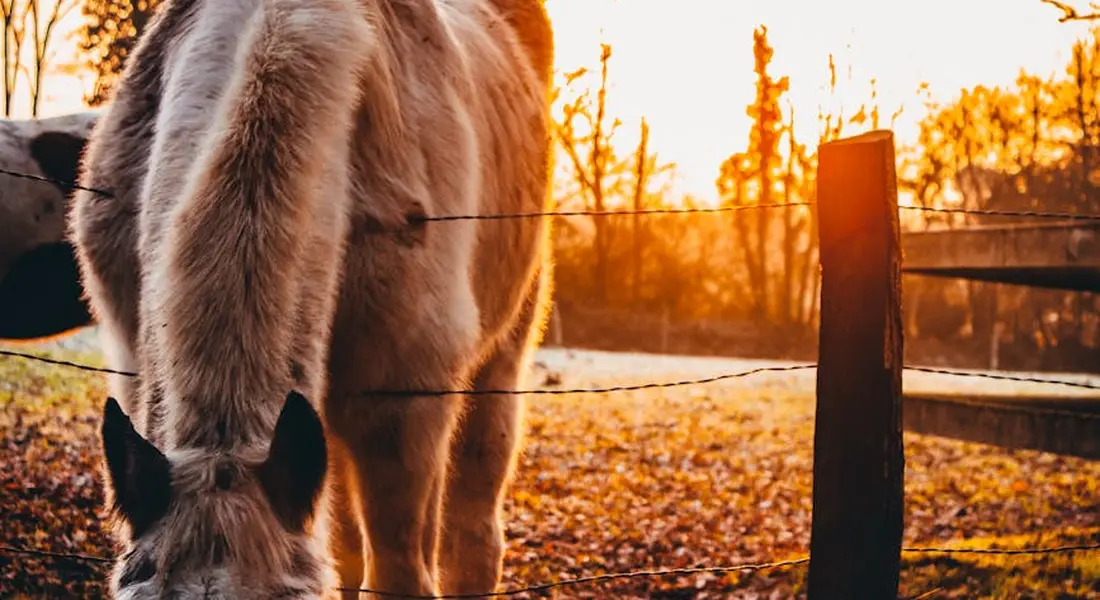
I keep my horses out as much as possible, even when the sky is grey and the air has a bite. Years in the barn have taught me that a moving horse is a happy horse. Turnout prevents stocking up in their legs, keeps their minds busy, and mimics their natural roaming behavior. I remember how Rusty’s arthritis felt better with daily movement, and Luna’s anxiety melted away after a few hours of roaming her paddock. Seasonal environmental changes prompt me to prep their habitat—adjusting shelter, drainage, and turnout to match the forecast. A little seasonal habitat planning goes a long way toward keeping movement safe and consistent, rain or shine. Prioritizing turnout over stall confinement is one of the simplest and most effective things you can do for your horse’s overall well-being in the colder months.
Mud Management Strategies
Mud happens, but you can manage it. Here are the tactics I use every fall to keep paddocks functional and safe.
- Lay down wood chips or gravel in gateways and around feeders. A deep, six-inch layer in these high-traffic zones soaks up water and provides a stable, non-slip surface for your horse to stand on. I use wood chips near Pipin’s area because they’re affordable and easy to top up.
- Establish a sacrifice lot or dry lot. This is a smaller, surfaced area where you can turn horses out to protect your main pastures. Using a sacrifice lot during the wettest weeks prevents your good grass from being torn up and turning into a permanent bog.
- Rotate your pastures if you have the space. Even a short rest period allows grass to recover and reduces churning. Move horses before a field becomes a quagmire.
Creating Effective Windbreaks and Shelter
Your horse needs a place to escape the wind. A proper windbreak can mean the difference between a horse that weathers the storm comfortably and one that loses condition.
- Use natural features like dense trees or hedgerows. Planting evergreens on the north and west sides of your property is a long-term investment. A row of thick pines or firs breaks the wind force dramatically, creating a surprisingly calm microclimate behind them.
- Install artificial barriers like run-in sheds or solid fence panels. Ensure the open side of a shed faces away from the prevailing wind. Any man-made shelter must be securely anchored and inspected regularly for loose boards or nails that could cause injury. I once used stacked straw bales as a temporary break for Luna, and the quiet rustle of straw became her favorite autumn sound.
Maintaining Pasture Health
Fall pasture care sets the stage for spring grass. Don’t just close the gate and hope for the best.
- Drag your fields to break up manure piles. This spreads natural fertilizer and exposes parasite eggs to sunlight, which helps kill them. Do this chore on a dry, sunny day to avoid creating muddy ruts with your equipment.
- Aerate compacted soil. If the ground is hard, use a pasture aerator to punch small holes. This lets water, air, and nutrients reach the grass roots more easily.
- Overseed thin or bare areas with a cool-season grass mix. Scratch the soil surface lightly, scatter the seed, and let the autumn rains do the work. Fall seeding gives new grass a chance to establish strong roots before winter dormancy, leading to a thicker pasture come spring. I overseed Rusty’s favorite rolling spot every year, and the thud of hooves on firm turf is my reward.
Essential Health Checks and Preventative Care
This isn’t just a seasonal to-do list; it’s your frontline defense. Proactive care now is the absolute best way to avoid a frantic, expensive, and dangerous emergency vet call when the driveway is a sheet of ice and the wind is howling. A little time and investment in the crisp autumn air saves a world of trouble in the deep freeze.
Schedule Your Autumn Vet Check
Don’t wait until the first frost. Get this appointment on the books while your vet’s schedule is still manageable. I always treat this as a comprehensive “state of the union” for each horse. For my old gelding Rusty, this autumn visit is critical for managing his stiffness before the cold really sets in.
Your visit should be a three-part conversation:
- Core Vaccinations: Discuss risk-based vaccines like flu/rhino for the coming indoor season. Your vet will advise on what’s necessary for your region and your horse’s exposure.
- Dental Exam: A horse with sharp hooks or painful teeth can’t properly chew long-stem hay, which is their primary winter fuel. Poor digestion leads to weight loss and wasted feed.
- Wellness Evaluation: This is your chance to talk about anything you’ve noticed. For seniors, specifically discuss body condition scoring, arthritis management plans, and bloodwork to check organ function. A slight dip in a blood value now is a problem you can manage, not a crisis in February.
Hoof Care and Farrier Visits
Hoof growth doesn’t stop in cold weather, but your farrier’s ability to work comfortably does. Stick to a consistent trimming cycle through the fall to prevent hooves from becoming long and unbalanced, which can lead to strains and chips as the ground hardens. Wet mornings and muddy paddocks create a perfect storm for thrush.
I check Pipin’s notoriously thrush-prone feet every single day. Here’s what I look and smell for:
- A black, tar-like discharge in the central sulcus or collateral grooves of the frog.
- A distinctive, rotten odor when picking the hoof.
- A frog that appears ragged, soft, or has deep, cheese-like crevices.
Prevention is straightforward: pick feet daily, ensure clean, dry standing areas when possible, and consider a trusted thrush treatment applied to clean, dry frogs as a preventative measure during persistently damp spells.
Deworming and Parasite Control
The old method of rotating a paste tube every eight weeks is not just outdated-it’s contributing to dangerous parasite resistance. The gold standard is a smart deworming strategy guided by a fecal egg count (FEC), which tells you exactly which horses are high shedders and need treatment. Most adult horses only need to be dewormed once or twice a year, targeted for specific parasites like tapeworms and bots in the late fall.
Submitting fresh manure samples to your vet or a lab is simple and cost-effective. You’ll get a report back showing eggs per gram (EPG). This allows you to strategically deworm the horses that need it (typically the young, old, or immune-compromised) and avoid unnecessary chemical use in low shedders. It’s better for your horse’s gut health and for the entire herd’s long-term wellbeing.
Daily Routines and Stable Hacks for Autumn
Juggling shorter days and busier schedules is the autumn norm. The key is weaving small, effective tasks into your existing routine. A consistent five-minute check during feeding time is far more valuable than a sporadic hour-long inspection once a week.
Grooming for Health and Bonding
Swap your heavy-duty shedding blade for a rubber curry comb. Its gentle, circular motion is perfect for autumn. It stimulates blood flow to the skin, encouraging a healthy winter coat, without stripping the essential oils that provide waterproofing. I use this time on my sensitive Thoroughbred, Luna, to check every inch for new scratches or suspicious lumps hidden beneath her fluff.
Make this a daily detective mission. Run your hands over legs, feeling for heat or swelling. Look for patches of hair loss or skin flaking. Your hands are your best diagnostic tool, and this daily ritual strengthens your bond more than any treat.
- Start at the neck with a rubber curry to loosen dirt and dead skin.
- Follow with a soft-bristled brush to whisk it all away.
- Use a separate, damp cloth to wipe eyes, nostrils, and muzzle clean.
- Finish by running your hand down each leg, feeling for any bumps or warmth.
Water Access and Monitoring
Cold horses drink less, and a dehydrated horse is a colic risk waiting to happen. Your most critical autumn chore happens at the water source. I start my day by running my hand through the trough; if the water stings with cold, it’s too cold for your horse to want to drink enough. This makes it especially important to keep your horse drinking in freezing temperatures.
Break any ice twice daily, without fail. Scrub algae from tank walls weekly. Consider a safe tank heater before the deep freeze hits. For winter trough care, see our keep horse water troughs from freezing winter guide. It summarizes practical steps to prevent ice and keep water accessible. Listening for the sound of your horse drinking deeply is one of the most reassuring sounds on a crisp fall evening.
- Break and remove ice morning and evening.
- Offer lukewarm water in a bucket at feeding time to encourage intake.
- Add a tablespoon of salt to grain daily to stimulate thirst.
- Check automatic waterers daily by feeling the pipe and watching the horse drink.
Behavior Watch: Signs of Discomfort
Horses communicate discomfort quietly. The old reliable, Rusty, once taught me this by standing hunched and dull in his run-in while others ate. He wasn’t shivering violently, just… miserably conserving heat. I learned to watch for the subtle signs.
A horse standing apart from the herd, pinned ears with no obvious cause, or a noticeable drop in manure piles can all signal a problem. You know your horse’s normal rhythm; any change in that rhythm is your first and best clue that something is off.
- Hunching their back and tucking their tail tightly.
- Reluctance to move or seeming “stiff” when they first walk out.
- Reduced interest in food or neighbors (my pony Pipin is never uninterested in food, so this is a giant red flag).
- A dry nose or manure that looks firmer and drier than usual.
Trust that nagging feeling in your gut. If you think they might be cold, they probably are. Throw on a lightweight sheet. If you suspect they aren’t drinking, find a way to get water into them. Your daily observation is their first line of defense.
Frequently Asked Questions: Autumn Horse Care Checklist
How can professional services like Autumn House Care Ltd assist with barn preparation for autumn?
Professional services can conduct thorough barn audits to identify insulation leaks, secure water systems, and recommend safety upgrades. They often provide seasonal maintenance, such as installing tank heaters or repairing shelters, to ensure your facility is winter-ready. Utilizing such services saves time and helps prevent emergencies through expert assessments and efficient repairs.
What career opportunities are available in autumn horse care, such as at facilities like Autumn House Care Home?
Careers may include roles as barn managers, equine caretakers, or maintenance staff focused on seasonal tasks like mud management and health checks. Facilities often seek professionals skilled in diet adjustment, blanket fitting, and preventative care to support horse wellness during colder months. These positions require knowledge of autumn-specific challenges, such as respiratory health and pasture maintenance, to ensure optimal horse comfort.
What should I consider when visiting an equestrian cafe like Autumn House Cafe during autumn outings with my horse?
Ensure the cafe offers secure, dry tie-up areas and access to fresh water for horses to prevent dehydration. Check if the location provides shelter from wind and rain, aligning with your horse’s blanketing needs during cooler weather. Plan visits during milder parts of the day to avoid stressing your horse with sudden temperature changes or wet conditions, especially when you are caring for your horse in extreme weather.
Settle In for a Cozy Season
Your autumn prep boils down to a simple, proactive checklist: assess blanket fit, guarantee unfrozen water, adjust feed for fewer pasture calories, and manage muddy paddock footing. Addressing these core needs before the first deep frost saves you from frantic, frozen-hose emergencies later.
Move through your tasks with patience, and let your horse’s condition and behavior be your final guide. A quiet nicker when you arrive with hay, or a calm stance during grooming, tells you more about your readiness than any checklist ever could.
Further Reading & Sources
- Ultimate Fall Horse Care Checklist (2022) – Equinavia
- Your Guide to Fall Horse Care: An Essential Checklist – My New Horse
- Your Fall Wellness Horse Care Checklist | Zoetis Equine
- A Fall Checklist to Maintain Your Horse’s Health
At Horse and Hay, we are passionate about providing expert guidance on all aspects of horse care, from nutrition to wellness. Our team of equine specialists and veterinarians offer trusted advice on the best foods, supplements, and practices to keep your horse healthy and thriving. Whether you're a seasoned rider or new to equine care, we provide valuable insights into feeding, grooming, and overall well-being to ensure your horse lives its happiest, healthiest life.
Stable Management