
Equine Dental Health: Best Practices for a Comfortable, Healthy Horse
Hello fellow equestrians! Has your horse started spitting out wads of half-chewed hay or acting fussy when you bridle them? Those frustrating hints often trace back to dental pain, a stealthy thief of nutrition and riding harmony.
Your worry is spot-on-overlooked tooth issues swiftly become weight loss, costly corrections, and safety concerns under saddle.
Let’s tackle this head-on. I’ll guide you through the proven, daily stable routines and professional care that safeguard your horse’s smile, covering:
- Setting the right schedule for dental check-ups from your vet or equine dentist
- Identifying early warning signs you can catch during grooming and feeding
- Demystifying the tooth floating process and its real impact
- How your choice of forage and feeder design influences natural tooth wear
I’ve managed barns and trained horses for years, balancing the cheeky antics of ponies like Pipin with the needs of sensitive thoroughbreds—this advice comes from the tack room, not just a textbook or a deep understanding of horse psychology.
Why Your Horse’s Teeth Deserve Your Attention
Think of your horse’s teeth as the most important grinding tools in the barn. Just like a dull millstone makes poor flour, worn or sharp teeth create poorly chewed food. This directly impacts their gut health, because digestion starts in the mouth. A horse in dental discomfort rides with tension, fights the bit, and can’t perform at its best.
I learned this lesson with Luna, our sensitive Thoroughbred. She started tossing her head on the left rein and dropping wads of half-chewed hay, a messy habit called quidding. After the equine dentist filed down her sharp hooks, the change was immediate: softer eyes, a quieter mouth, and she cleaned up her grain bowl like a champ. Her whole demeanor softened because the constant, nagging pain was gone.
Staying ahead of dental issues isn’t just about comfort; it’s a smart financial and health strategy. Regular care prevents these costly problems:
- Weight Loss and Colic: Poorly ground food leads to inefficient digestion and nutrient loss, which can spiral into weight issues and impaction colic.
- **Behavioral and Training Setbacks:** Mouth pain often shows up as headshaking, bit resistance, or general crankiness, mistakenly labeled as bad attitude.
- Sinustis and Infections: Unchecked sharp points can ulcerate cheeks and tongues, and tooth root issues can create sinus infections seen as a foul nasal drip.
- Emergency Vet Bills: A simple yearly float is far cheaper than extracting a fractured tooth or managing a severe abscess later on.
Recognizing the Silent Signals of Dental Pain
Horses are stoic creatures; they often eat through pain until they simply can’t. The signs are rarely dramatic. Watch for the subtle stuff during your daily routines. Is your horse taking longer to finish hay than his stablemates? Do you see more whole grains in his manure?
Beyond behavior, physical clues are telling. Unexplained weight loss despite good feed is a major flag. A persistent foul odor from the mouth or nostrils isn’t normal. You might notice new facial swelling or even see food packed in cheek pouches.
Keep this list of red flags in mind next time you’re at the barn:
- Dropping partially chewed food balls (quidding).
- Excessive salivation or tilting the head while eating.
- New resistance to the bit or bridling, especially head tossing.
- Undigested grain or long hay stems in manure.
- Facial swelling or painful reactions to cheek pressure.
- Nasal discharge, usually from one nostril.
Many horses suffer in silence, making your daily observation the most critical tool for their comfort. That quiet nicker at feeding time or the steady thud of hooves in the paddock can change if a toothache is brewing. Your vigilance is their first line of defense.
Common Equine Dental Issues Demystified
Let’s pull back the curtain on some mouth troubles your horse might face. Catching them early makes all the difference.
Sharp Enamel Points and Dental Floating
A horse’s upper jaw is wider than its lower jaw. This simple fact of anatomy means that as they grind their food in a circular motion, sharp points naturally form on the outside edges of the upper molars and the inside edges of the lower ones. I’ve felt the aftermath on poor Rusty’s cheeks-small ulcers that made him hesitant to chew his hay. Understanding horse tooth anatomy development stages helps explain how and when these points form. It also clarifies how floating timing may vary with age. Routine filing, called floating, is non-negotiable to prevent pain and ensure your horse can properly break down every mouthful of forage.
For a safe and effective float, sedation is your friend. It keeps the horse still and relaxed, allowing the vet or dentist to do a thorough job without a struggle. The process itself involves using a long-handled rasp (or a quiet motorized tool) to gently file down those sharp enamel points while a speculum holds the mouth comfortably open. Seeing Luna peacefully doze through her float, only to wake up and dive into her hay with renewed vigor, always reminds me how vital this comfort is. Regular dental floats at recommended intervals help prevent sharp points, keep chewing comfortable, and support overall health. Keeping up with dental care underscores the importance of regular dental floatings for horses in ensuring their well-being and performance.
Malocclusions: Hooks, Ramps, and Wave Mouth
Malocclusion is a fancy word for teeth that don’t meet up correctly. Over time, this misalignment leads to specific overgrowths. ‘Hooks’ can form at the very front or back of the mouth, while ‘wave mouth’ is a undulating pattern where some teeth are too long and others are too short. These aren’t just minor annoyances; they drastically alter chewing mechanics and can make wearing a bit an exercise in pure pressure and pain.
You might notice quid balls of half-chewed hay or your horse tilting its head while eating. Correction is precise work. Fixing hooks or leveling a wave mouth requires specialized, powered tools and the skilled hands of an equine dental professional-this is not a DIY situation.
Wolf Teeth, Diastema, and Other Specifics
Wolf teeth are small, often pointy teeth that sit just in front of the upper molars. They serve no purpose for chewing and can press painfully against the bit. Not every horse has them, but for those that do and are in training, removal is a common consideration. I always have our vet check young horses for wolf teeth before starting any serious bit work, as we did with Luna when she was three.
Diastema, on the other hand, are troublesome gaps between teeth where hay and grass pack in like cement. This trapped food rots, leading to painful periodontal disease and even tooth loss. These gaps typically become a bigger issue in middle-aged and older horses and are diagnosed during an exam with a bright light and a dental mirror. Regular flushing by a professional can manage this, but prevention starts with a diet that promotes natural chewing action.
Your Role: Building a Smart Dental Care Routine
Your job between professional visits is all about observation and smart habits. Here’s a simple plan to follow.
- Daily Watchfulness: Keep an eye out at feeding time. Is your horse dropping grain or forming wet wads of hay? Is there unexplained weight loss or a new, foul odor from its mouth? These are your first clues.
- Monthly Cheek Check: Once a month, run your hand gently along the outside of your horse’s cheeks and jaw. Feel for any swelling, heat, or signs of discomfort when you apply light pressure. Pipin taught me this-his dramatic head toss was a sure sign he had a pocket of feed irritating his gum.
- Annual Professional Exam: Every horse needs a skilled set of eyes and hands in its mouth at least once a year. For seniors like Rusty or performance horses, every six months might be better.
Diet plays a starring role in dental wear. Horses are designed to graze for up to 18 hours a day. A diet rich in long-stem forage like hay or grass provides the abrasive action needed to naturally wear teeth evenly, while a high-grain diet does not. Maximizing turnout time is one of the best things you can do for their teeth and their mind.
Pick a consistent, easy-to-remember date each year-like your horse’s birthday or the first day of spring-and immediately schedule their dental exam for that time. Mark it on the barn calendar and set a phone alert. This tiny habit ensures nothing slips through the cracks.
Inside the Professional Dental Procedure
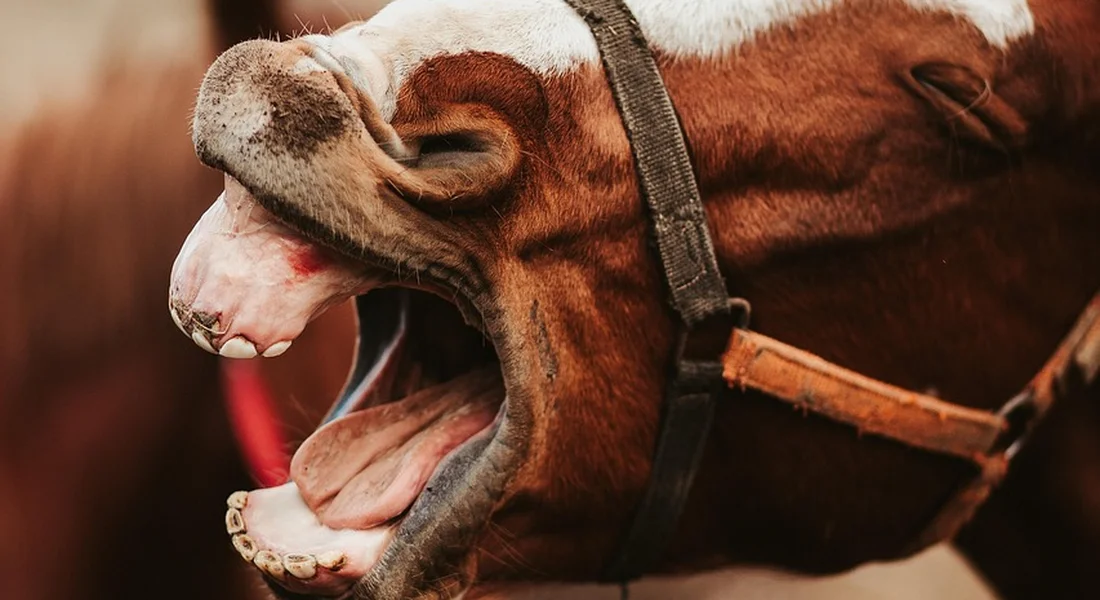
Picture the scene: your horse stands quietly in the cross-ties, the familiar barn smells of hay and leather in the air. The vet arrives, and the real work begins. A professional dental visit is a methodical process, and understanding it removes the mystery. Watching a skilled practitioner work shows you how precision and patience safeguard your horse’s comfort for months to come, especially when adhered to a proper floating schedule for dental care.
It all starts with a hands-on check of the jaw and face, feeling for swellings or pain. Then, a speculum-a gentle mouth opener-is fitted. This tool lets the vet see every corner of the mouth under bright light. I remember Rusty’s first float with me; the speculum revealed a hidden hook on his back molar I never knew was there. A thorough visual exam is the map that guides the entire procedure.
If something looks off, dental radiographs might be next. These are x-rays for the teeth and jaw. They show what eyes can’t: root health, sinus issues, or impacted teeth. Investing in radiographs for a complex mouth can diagnose a problem before it becomes a crisis, saving your horse from silent pain.
Now, let’s talk sedation. For a complete and safe float, most horses need it. It’s not about knocking them out; it’s about mild relaxation. This keeps them still, reduces stress, and lets the vet work accurately without a fight. Luna, my sensitive Thoroughbred, would never tolerate a float without it. Safe, monitored sedation is a cornerstone of welfare, allowing for a comprehensive job without fear or force.
The float itself uses smooth, motorized tools to file down sharp points and balance the chewing surfaces. The sound is a soft, rhythmic buzzing. Afterward, many vets offer bit seating. This carefully rounds the front edges of the first cheek teeth where the bit lies. A proper bit seat eliminates pinching and pressure points, directly translating to softer communication and happier rides.
Not every case is straightforward. For severe issues like fractured teeth or sinus infections, a team approach is best. Your primary vet might collaborate with a specialist in veterinary dentistry. This collaboration blends broad health knowledge with deep dental expertise, which is the gold standard for navigating complex oral health puzzles.
Tailoring Care for Every Age: From Youngsters to Seniors
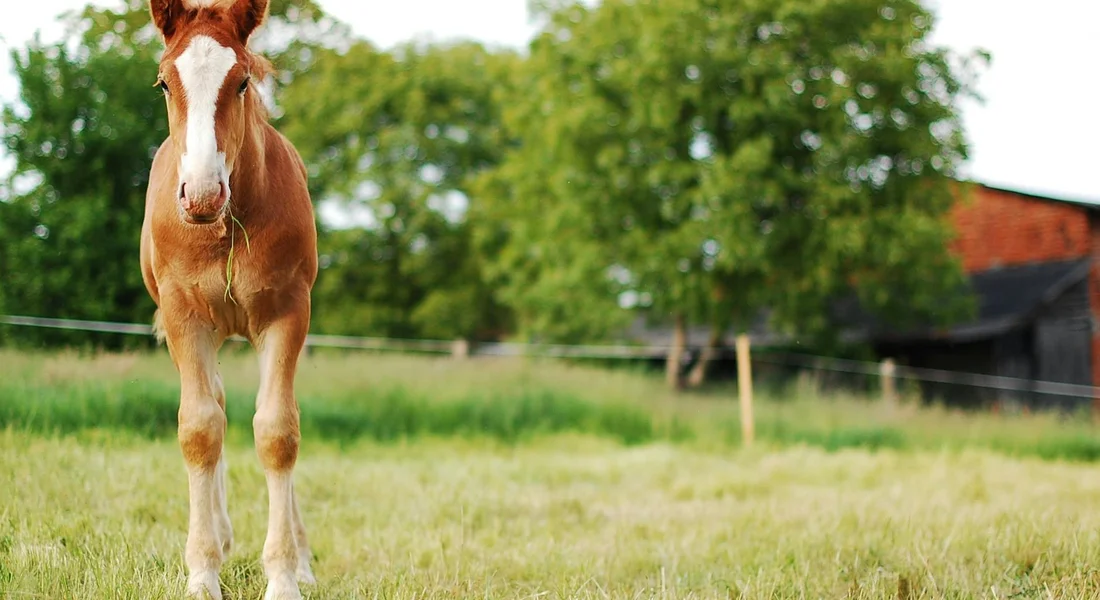
Your horse’s dental needs shift dramatically from foalhood to old age. A one-size-fits-all plan does more harm than good. I’ve adjusted strategies for every horse in my care, from playful youngsters to wise old souls. Proactive dentistry means anticipating these changes and adapting your care long before trouble arises, especially for senior horses.
Young horses, from two to five years old, are losing baby teeth (caps) as permanent ones erupt. Retained caps are common-the old tooth doesn’t shed, trapping the new one. You might find these caps on the stall floor, or the vet may need to remove them. Leaving a retained cap in place can force a permanent tooth to grow in crooked, causing lifelong chewing issues. Regular dental checks during this period can help prevent these common horse dental problems. Early intervention keeps teeth aligned and chewing comfortable.
Adult horses, in their prime working years, need routine maintenance. Annual or bi-annual floats keep sharp enamel points from cutting cheeks and tongues. This is the time to ensure perfect balance. Consistent care in adulthood is the easiest way to preserve your horse’s ability to process nutrients efficiently from forage.
Seniors present the biggest shift. After decades of grinding, teeth wear down, become loose, or fall out. Pipin, my Shetland, now has several missing molars. You’ll hear them quidding-dropping half-chewed balls of hay. The immediate goal for a senior horse is no longer perfect occlusion, but simply enabling them to eat enough calories without discomfort.
Diet adjustment is non-negotiable for older mouths. Soak senior pellets until they’re mush. Chop hay into short pieces or switch to a soaked hay cube. Complete feed mashes are a lifesaver. Keep in mind that senior horses have special dietary needs considerations, including dental considerations and easier-to-digest, high-fiber options. Tailoring these feeds helps maintain energy, weight, and overall comfort. Soaking feeds not only aids digestion but also increases water intake, which is crucial for older horses prone to dehydration.
Preventive dentistry is a lifelong commitment that evolves. The schedule for a yearling is different from a twenty-year-old trail companion. Your vet’s recommendations should change with your horse’s age, ensuring each stage of life is met with a tailored strategy for oral health and overall comfort.
FAQ: Equine Dental Health Best Practices
What are the signs of a dental emergency in horses?
Sudden refusal to eat, severe facial swelling, or bleeding from the mouth indicate a potential dental emergency. Immediate veterinary attention is crucial to diagnose issues like fractured teeth or abscesses. Delaying care can lead to intense pain, infection, or complications requiring surgery.
How can I find equine mental health therapy services near me?
Begin by asking your equine veterinarian for referrals to certified equine behaviorists or therapy centers. Search online databases from organizations like the Professional Association of Therapeutic Horsemanship International (PATH Intl.) for local listings. Connecting with regional horse clubs or trainers can also yield personal recommendations for reputable providers.
What is an equine dental halter and how is it used?
An equine dental halter is a specialized restraint designed to hold a horse’s head steady and its mouth open during dental examinations or procedures. It often incorporates a padded headpiece and adjustable straps to ensure humane and secure positioning. This tool allows the practitioner to work safely and thoroughly, reducing stress for both the horse and the handler.
A Lifetime of Easy Chews
Commit to a yearly dental exam with a certified equine dentist or veterinarian, and stay alert to changes in eating or behavior. This proactive schedule is your best defense against hidden pain that can affect digestion, performance, and attitude.
Practice patience and gentle observation-your horse’s comfort is the true measure of your care. Their well-being always starts with you listening, truly listening, to what they cannot say. Talking to your horse in a calm, consistent way helps them understand you, too. It’s about building better communication through attentive, shared moments.
Further Reading & Sources
- Equine Dental Care | USU
- VM273/VM273: Equine Dental Care
- A review of equine dental disorders – PubMed
- Equine Dental – Understanding Equine Dental Health & Maintenance | Aspen Veterinary Clinic
At Horse and Hay, we are passionate about providing expert guidance on all aspects of horse care, from nutrition to wellness. Our team of equine specialists and veterinarians offer trusted advice on the best foods, supplements, and practices to keep your horse healthy and thriving. Whether you're a seasoned rider or new to equine care, we provide valuable insights into feeding, grooming, and overall well-being to ensure your horse lives its happiest, healthiest life.
Health