
Caring for Your Aging Horse: A Practical Guide to Managing Chronic Conditions
Hello fellow equestrians. Watching your trusted companion grow older and face ongoing health issues is a heartfelt challenge. The weight of vet visits, medication schedules, and that quiet worry about their comfort can feel overwhelming in the quiet of the barn aisle.
This guide will walk you through a compassionate, step-by-step approach to their care. We’ll cover the core areas that make the biggest difference for a senior with medical needs:
- Redesigning daily nutrition for sensitive aging teeth and digestion.
- Creating a pain-management routine that prioritizes gentle movement and turnout.
- Adapting their environment for safety, from footing to stall comforts.
- Monitoring behavioral cues that tell you more than any chart ever could.
My advice comes from decades of barn management and training, leaning on the lessons taught by my own seniors like the wise Rusty and clever Pipin.
Recognizing Common Conditions and Signs of Trouble
- The four most frequent chronic issues in older horses are arthritis, PPID (Cushing’s disease), insulin resistance, and equine metabolic syndrome (EMS), each requiring a dedicated, watchful approach.
- Key signs of pain or discomfort often manifest as a stiff, hesitant walk after rest, constant weight-shifting between limbs, or a dull, withdrawn demeanor that dims their usual spark. I listen for the lack of a soft nicker when I enter the barn-a quiet stall can be the first alarm bell.
What Chronic Conditions Often Affect Aging Horses?
- Arthritis is the slow theft of easy movement, causing inflammation in joints that makes picking feet up or walking on hard ground a calculated effort. My old trail partner, Rusty, now pauses and exhales deeply before stepping over a ground pole, a clear signal of joint pain.
- PPID (Cushing’s) is a hormonal domino effect that leads to that long, curly coat, excessive drinking, and a terrifying susceptibility to laminitis. It turns every spring shed-out into a nerve-wracking season.
- Insulin resistance and EMS are metabolic fires waiting for fuel; the body cannot handle sugars properly, putting the hoof structures at severe risk. This isn’t just about diet-it affects their entire system, from energy levels to hoof health.
How to Spot Subtle Signs of Pain or Discomfort
- Behavioral clues include pinned ears when cinching a girth that never bothered them before, or a horse who stands camped out or parked in an unusual stance to relieve pressure. Luna, my sensitive Thoroughbred, began refusing to back up in her stall, a subtle protest against discomfort.
- Physical changes are the slow leaks: a loss of muscle over the withers and back creating a sway, a rough hair coat that won’t shine, or one hoof that wears differently than the others. Run your hands over their body weekly; your fingers will notice dips and tightness before your eyes do.
Tailoring Nutrition and Weight Management
- Adjust the diet by introducing a senior-formulated feed for better digestibility and guaranteeing constant access to clean water, which is as crucial as any supplement. I keep heated buckets in winter after finding Pipin licking ice one too many times.
- Transition any new feed over at least a week to prevent digestive upset, and manage weight by using a weight tape and your hands-you should feel ribs under a light layer, not see them or have to dig for them. For the thin senior, multiple small meals are kinder than two large feasts.
Adjusting Diet for Changing Metabolic Needs
- Compare senior feed types: pelleted diets are often easier for worn teeth to manage, while textured feeds with added fats can help a hard-keeper pack on calories without volume. The choice hinges on your horse’s dental health and ability to hold weight.
- The bedrock of health is high-quality, digestible forage like soft, leafy hay that smells sweet of a summer field. I feed a mix of grass and alfalfa to my older horses, ensuring they can process every stem for maximum nutrition.
Special Diets for Insulin Resistance and EMS
- Provide specific guidelines by sourcing hay tested low in non-structural carbohydrates (NSC) and soaking it in cold water for an hour to leach out sugars before feeding. This simple step can dramatically reduce the risk of a painful laminitic episode.
- Feed options must be low-sugar and low-starch; look for commercial feeds designed for metabolic health that provide balanced nutrients without the glycemic spike. I combine this with measured turnout on a dry lot or using a grazing muzzle, allowing movement without the danger of rich grass.
Implementing Essential Veterinary and Dental Care
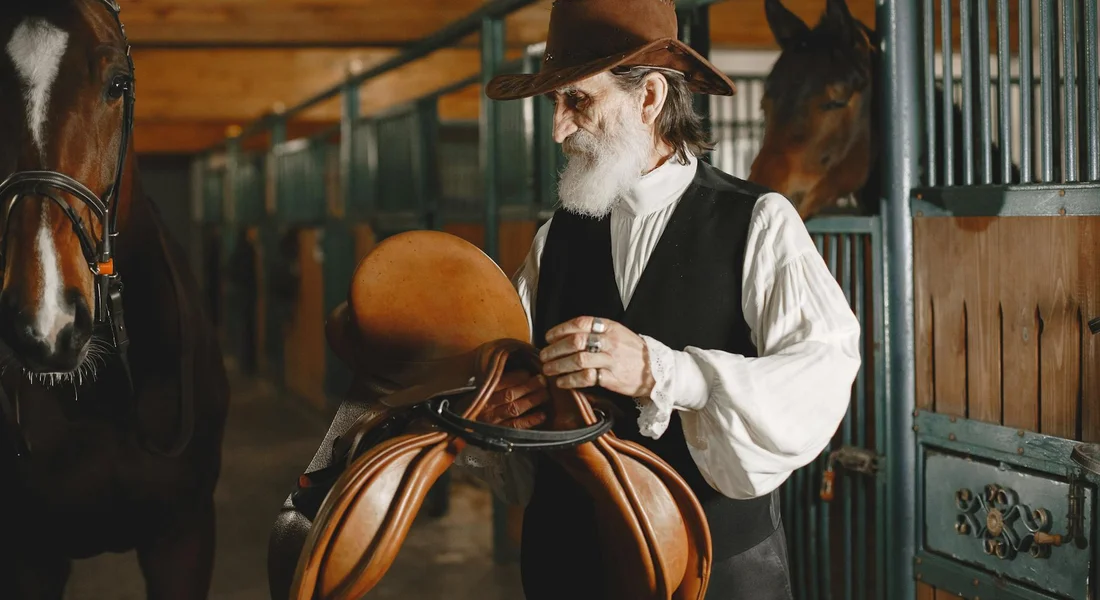
Watching Rusty take a careful step down a small slope was my wake-up call. Aging isn’t a disease, but it does demand a sharper eye. Proactive veterinary care is the bedrock of managing a senior horse’s chronic conditions; it’s about prevention, not just crisis response. This means moving beyond “if it ain’t broke” thinking and into scheduled, strategic health monitoring. That includes paying attention to the special health considerations aging horses require. This focus helps tailor prevention and daily management for a longer, more comfortable life for Rusty and his peers.
- I stress bi-annual veterinary exams that include diagnostic blood work-it’s like getting a detailed report card on your horse’s internal organs before trouble starts.
- You must outline a parasite control program based on fecal egg counts, not just the calendar, and maintain vaccination protocols even for the retired horse, as their immune response weakens.
Setting a Schedule for Veterinary Exams and Diagnostics
For my herd, spring and fall vet visits are as fixed as feeding time. I recommend a full veterinary exam at least every six months for any horse over 15, and quarterly checks for those with diagnosed issues like Cushing’s or kidney disease. This frequency lets you track subtle trends. If you’re curious about what a seasonal routine horse care schedule looks like, this framework often aligns with spring, summer, fall, and winter tasks. The next steps will lay out a concise seasonal overview with links.
Key diagnostics are your early-warning system. For Luna, we run a full chemistry panel and complete blood count yearly to watch her metabolic indicators. Always include a thyroid check and an ACTH test for PPID if you see a long coat or lethargy, as early intervention changes everything.
- Essential Tests: Annual blood work (CBC, chemistry, insulin), urinalysis to assess kidney function, and strategic use of hoof or joint X-rays to monitor known issues.
Non-Negotiable Dental Care: The Annual Float
I learned the hard way with Pipin that bad teeth cause more than messy eating. An annual dental float by a qualified equine dentist or vet is non-negotiable for proper mastication and nutrient absorption. Sharp points cause ulcers, and hooks can make chewing painful. Regular dental floats in horses are essential for ongoing comfort and performance. Consistent checks help prevent pain and ensure optimal nutrient intake.
During a float, the practitioner grinds down sharp edges and checks for loose or infected teeth. For a senior horse, this annual check is what allows them to efficiently process those expensive, soft senior feeds and soaked hay cubes you’re providing. Understanding how aging affects chewing and digestion guides senior-specific feeding needs. Texture, fiber, and meal timing matter to daily intake. Without it, you’re literally throwing nutrition away.
- Schedule a thorough dental exam and float every 12 months, moving to every 6 months for horses over 25 or those with significant dental wear or disease.
Managing Pain, Mobility, and Hoof Health
Chronic pain steals the spark from an old friend’s eyes. Our job is to give that spark back through consistent, gentle management. Think of arthritis and hoof care not as separate battles, but as interconnected fronts in the war for comfort. Daily observation is your most powerful tool.
- Discuss arthritis management as a triad: veterinarian-prescribed medications for bad days, quality supplements for every day, and controlled, gentle movement to maintain joint lubrication.
- Cover hoof care for problem feet by forging a tight partnership with your farrier and vet, creating a customized protocol that may involve therapeutic shoeing and meticulous stable management.
Easing Arthritis and Joint Pain Daily
I keep Rusty moving with daily turnout on a gentle slope; stagnation is the enemy. For daily comfort, prioritize long, low-intensity movement over short, intense work to keep synovial fluid flowing without causing inflammation. Supplements can help, but know your ingredients.
Look for glucosamine HCl and chondroitin sulfate in proven ratios, and don’t overlook high-dose omega-3s from fish oil for their anti-inflammatory punch. For acute pain, your vet might prescribe a non-steroidal anti-inflammatory like firocoxib, which is often gentler on the senior gut than older options.
- Pain Management Options: Prescription NSAIDs, injectable joint supplements (polysulfated glycosaminoglycans), and adjunct therapies like controlled cold hosing or pulsed electromagnetic field (PEMF) blankets.
- Proven Supplement Ingredients: Glucosamine, chondroitin, MSM (methylsulfonylmethane), hyaluronic acid, and the omega-3 fatty acids EPA and DHA.
Prioritizing Proactive Hoof Care
The thud of a sore foot landing differently is a sound that haunts me. With seniors, you must pick hooves twice daily-morning and night-to remove packed debris and check for heat, a telltale sign of inflammation or abscess. This simple act is a critical diagnostic ritual.
For horses prone to laminitis or with chronic foot soreness, your farrier becomes your co-pilot. Schedule trimming or shoeing every 5 to 6 weeks without fail to maintain optimal hoof balance and prevent uneven stress on aging tendons and joints. A consistent trim cycle prevents small problems from becoming catastrophic. Hoof growth is constant, so regular trims keep balance and prevent overgrowth that can lead to lameness. This is why horses need their hooves trimmed often as part of routine care.
- Farrier Visit Frequency: Every 5-6 weeks for maintenance; every 4 weeks for active laminitis cases or severe corrective work.
- Daily Hoof-Picking Routine: Clean all grooves, especially the clefts of the frog, and apply a thrush treatment like diluted iodine or a commercial product if needed. Feel for unusual warmth or a digital pulse.
Adapting the Stable and Turnout for Comfort
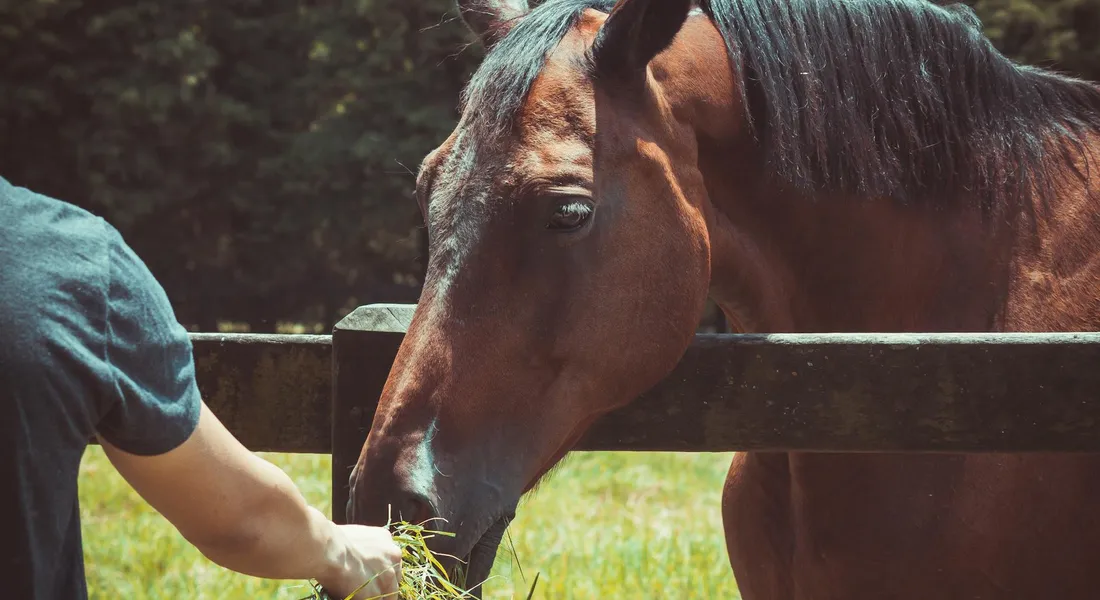
Your senior horse’s world gets smaller, but their need for comfort and security grows. I learned this watching Rusty hesitate at his stall door when his arthritis flared. Simple, physical adaptations to their environment are the most direct way to show care and preserve dignity. This is also about creating a safe, enriching environment for your horse. Next, we’ll explore practical steps to build that environment.
- For horses with Cushing’s or mobility issues, swap out thin bedding for a deep, forgiving bed. Dusty straw can irritate compromised respiratory systems, while a hard floor punishes old joints. I use a base of interlocking rubber mats topped with a foot of dust-free wood shavings for my guys, creating a supportive nest that’s easy on the lungs and legs.
- Safe turnout isn’t optional; it’s medicine. Design a small, flat paddock with well-drained, non-slip footing to prevent scary stumbles. Regular, low-impact movement is better for circulation and mood than sporadic, intense work, so aim for daily consistency over weekend marathons.
Best Bedding and Stall Modifications for Senior Comfort
Think of the stall as a recovery room. After Pipin had a bout of laminitis, we rebuilt his space from the ground up. The goal is to minimize stress on the body from the moment they step inside.
- Choose deeply cushioned, absorbent bedding like peat moss, shredded paper, or kiln-dried pine shavings. These materials reduce pressure points and are kinder to fragile skin and hooves.
- Install easy-access features: a wider door for a stiff horse to navigate, a water tub at chest height so they don’t have to lower their head too far, and a corner feeder to minimize spilled grain. I bolted a second, lower salt block to the wall for Rusty, which saved his neck and made him much happier.
Encouraging Safe Exercise and Turnout Time
Movement keeps the machinery oiled. Luna, my high-energy Thoroughbred, still needs her steps, but we’ve swapped gallops for thoughtful walks. Gentle, daily movement maintains muscle tone, supports digestion, and provides mental stimulation that a stagnant stall never can.
- Hand-walking is your best tool. Ten to twenty minutes on firm, level ground lets you control the pace and observe their gait. Weave in large, gentle circles or figure-eights to encourage soft bending without strain.
- If riding is still possible, keep sessions short and sweet. Think twenty minutes of quiet walking with maybe a trot or two. The saddle time is for connection and mobility, not fitness. Always listen for the soft sigh of contentment or the heavy breath of fatigue-your horse will tell you when it’s enough.
Supporting Daily Well-being and Quality of Life
Caring for a chronically ill senior is a practice of attentive stillness. It’s in the quiet moments of checking water buckets and watching them doze in the sun that you truly understand their state. Your daily routine becomes a series of small, loving checks and balances.
- Daily monitoring for colic or other illness is non-negotiable. Get familiar with their normal gut sounds, manure consistency, and how much they drink. Catching a subtle change early is the difference between a manageable intervention and a midnight emergency call.
- Honest quality of life assessments are the hardest, kindest part of stewardship. It’s about weighing their daily comfort and sparks of joy against the burdens of their conditions. This conversation, often held with your vet and your own heart, is founded in compassion, not just clinical signs.
Daily Monitoring and Hydration Hacks
Make your checks a ritual. I do mine during feeding, using the smell of fresh hay and the rhythm of their chewing as my backdrop. Consistency in your observation is more valuable than veterinary expertise you don’t have.
- Perform simple checks: press your ear to their barrel to listen for active gurgles, note the number of manure piles, and feel their water bucket for weight. A sudden light bucket is a red flag.
- Boost hydration creatively. Soak their hay cubes or pellets into a soupy mash, add a splash of apple juice to their water, or offer warm bran mashes in winter. I keep a separate bucket of electrolyte-enhanced water for Luna next to her plain water, which she often prefers and it keeps her drinking.
Assessing Quality of Life with Honesty and Compassion
There’s no spreadsheet for this, only careful witness. I measure it in moments: does Pipin still scheme to steal carrots? Does Rusty nicker when he sees me? A good day means more than just the absence of pain; it includes glimpses of their old spirit and the ability to enjoy basic pleasures.
- Use a clear framework. Ask yourself: Can they move to get food and water without significant pain? Do they interact with their herd or you? Are they able to rest comfortably? Track whether they have more good days than bad over a few weeks-this pattern reveals the true trend.
- Consult your support team-your vet, farrier, and fellow barn friends who know your horse. Their outside eyes can see changes you might miss. Making a humane decision is an act of love, not failure, and it is the final responsibility we accept for their well-being.
FAQ: How to Care for an Aging Horse with Chronic Medical Conditions?
What is the best deworming and vaccination schedule for a senior horse?
Deworming should be based on regular fecal egg counts to target parasites effectively, rather than adhering to a rigid calendar schedule. Maintain core vaccinations, such as for tetanus and Eastern/Western equine encephalitis, with annual boosters adjusted for your horse’s lifestyle and risk factors. Understanding common horse vaccinations and deworming schedules can help you discuss options with your veterinarian and tailor them to your horse’s needs. Always consult your veterinarian to create a personalized plan that considers your senior horse’s immune function and local disease threats.
What are the signs of colic in older horses and how is it prevented?
Key signs include frequent attempts to lie down or roll, reduced or absent gut sounds, and a lack of interest in food or water. Prevent colic by ensuring constant access to clean water, providing small, frequent meals of easily digestible forage, and maintaining a consistent routine to minimize stress. Regular dental care and monitoring manure output daily are also crucial for early detection and prevention of digestive issues, especially to identify early warning signs of colic in horses.
How do I monitor and manage a horse with kidney or liver issues?
Watch for symptoms like unexplained weight loss, changes in urination frequency or color, and jaundice (yellowing of the gums or eyes). Manage these conditions by feeding a balanced, low-protein diet if kidney problems are present and avoiding toxins such as certain plants or medications that can further damage these organs. Schedule regular veterinary check-ups with blood work to monitor organ function and adjust care plans promptly for early intervention.
Gentle Care for the Golden Years
Focus on consistent, daily management of diet, pain relief, and low-impact movement to support your horse’s body and mind. Consider whether the initial veterinary assessment evolves into ongoing veterinary care needs for your horse, so you can plan ahead. This awareness helps you schedule timely check-ins and adjustments as conditions evolve. Building a proactive partnership with your veterinarian is non-negotiable for effectively monitoring and adjusting care as chronic conditions evolve.
This path is paved with patience and a commitment to safety-first, gentle horsemanship. From watching old friends like Rusty age gracefully, I know the best guide you have is your horse themselves—so tune in to their whispers and sighs, especially during the transition to their senior years.
Further Reading & Sources
- Aging Equines: Understanding the Experience of Caring for a Geriatric Horse with a Chronic Condition – ScienceDirect
- Management of Old Horses | Equine Science Center
- Welfare of Aged Horses – PMC
- Immunosenescence and inflammaging in the aged horse | Immunity & Ageing | Full Text
At Horse and Hay, we are passionate about providing expert guidance on all aspects of horse care, from nutrition to wellness. Our team of equine specialists and veterinarians offer trusted advice on the best foods, supplements, and practices to keep your horse healthy and thriving. Whether you're a seasoned rider or new to equine care, we provide valuable insights into feeding, grooming, and overall well-being to ensure your horse lives its happiest, healthiest life.
Health