
How to Care for Your Horse in Extreme Weather Conditions
Published on: February 9, 2026 | Last Updated: February 9, 2026
Written By: Henry Wellington
Hello fellow equestrians. That sinking feeling when you check a forecast for blistering heat or a deep freeze is all too familiar. You’re not just worrying about a canceled ride-you’re stressing over colic, dehydration, or a shivering horse, and the potential for scary vet bills and risky situations.
In this guide, I’ll walk you through the practical, barn-tested strategies I use to keep my herd safe. We’ll cover hydration hacks that go far beyond the water bucket, how to adjust feed for both energy and warmth, shelter and turnout tweaks that make a real difference, and how to read your horse’s signs of discomfort before trouble starts.
I’ve managed barns through every kind of weather for years, keeping everything from heat-sensitive thoroughbreds to hardy ponies like my own crew healthy and comfortable.
The Foundation: Water, Shelter, and Forage
Hydration is Non-Negotiable
A horse can survive days without food, but not without water. I learned this the hard way watching Luna, my thoroughbred, turn her nose up at a slightly stale bucket on a hot day. You must check water sources twice daily, scrubbing troughs weekly to prevent slime and algae that horses find offensive. Regularly testing water quality helps ensure your horse’s water source remains safe and appealing. Their sense of taste is keen, and clean water encourages drinking.
Ensuring Year-Round Water Access
Your strategies must change with the seasons. Here is my barn-tested list for constant, clean water:
- Winter: Use heated water buckets or tank de-icers. For a budget hack, insulate troughs with straw bales and break ice manually every few hours during deep freezes.
- Summer: Add a handful of plain salt or a commercial electrolyte to grain for horses sweating heavily on rides. Always offer plain water alongside.
- Always: Place multiple water points in paddocks. A lone trough in a muddy corner will see less traffic. Monitor intake by noting trough levels-a sudden drop can signal a problem, while no change is a red flag.
Rusty, my quarter horse, taught me to add a splash of apple cider vinegar to a second bucket in summer; he’ll drink that one first every time, boosting his overall intake.
Shelter as a Sanctuary
Shelter isn’t just a roof-it’s a retreat from weather’s bullying. I’ve seen Pipin, the Shetland, use a single dense tree as a perfect windbreak during a sleet storm. Effective shelter lets a horse choose comfort, whether it’s a three-sided run-in shed opening away from prevailing winds or a thick stand of evergreens.
Keys to a Healthy Shelter
Ventilation is critical. A closed, stuffy shed breeds respiratory issues from ammonia fumes. I prefer structures with open eaves or high ridges that let moist air escape. Ensure the entrance is wide enough for herd hierarchy to play out safely, preventing one horse from trapping another in bad weather. The floor should be dry, with good drainage away from the doorway to prevent a bog of mud and manure.
Forage: The Internal Furnace
Think of hay not just as food, but as central heating. The microbial fermentation in your horse’s hindgut produces heat as a byproduct. When the mercury plummets, free-choice hay is your best tool for keeping your horse warm from the inside out. This isn’t about extra grain; it’s about long-stem fiber constantly moving through their system, debunking the myth that horses always need grain.
Feeding for Temperature Drops
I start providing free-choice grass hay when temperatures consistently drop below 40°F. For a 1,000-pound horse, that can mean making 20-25 pounds of hay available over 24 hours. Forage must remain the bedrock of every meal, in every season, to support gut health and steady energy. I often find Luna and Rusty side-by-side at the hay net on cold nights, their steady chewing a comforting rhythm against the silent chill.
Summer Scorch: Cooling Strategies for Heat Waves
Recognizing Heat Stress Early
Heat stress sneaks up fast. A horse’s normal resting respiratory rate is 8-16 breaths per minute. After exercise, it should drop back to normal within 20 minutes. If it doesn’t, you have a problem. Key early signs include persistent rapid pulse, sweating profusely or not sweating at all in extreme heat, and a sudden lethargy where there was once energy. Luna, with her thin thoroughbred skin, will show whites around her eyes and become clingy when overheated.
The Watch List
- Rapid heart rate that doesn’t slow with rest.
- Excessive sweating or, alarmingly, dry skin in intense heat.
- Lethargy, stumbling, or reluctance to move.
- Elevated respiratory rate lasting more than 30 minutes post-work.
Practical Cooling Techniques
When hosing off a hot horse, never shock their system with cold water on the back first. Start by cooling the large blood vessels in the legs, then move to the belly and neck, before finally washing over the back and hindquarters. This method pulls heat away from the core gradually and safely.
Step-by-Step Cool Down
- Lead horse to a shaded, breezy area. Offer small sips of cool water.
- Using a hose without a spray nozzle, run water over the cannon bones and tendons of all four legs for 1-2 minutes.
- Move the stream to the belly and the jugular groove on the neck.
- Finally, flow water over the back, withers, and hindquarters. Scrape excess water away and repeat as needed.
- Adjust turnout schedules: graze at dawn and dusk, stall during peak sun (10 AM – 4 PM).
- Use fans in stalls, but secure cords safely in conduit or high on walls-Pipin views loose wires as fascinating chew toys.
Electrolytes and Diet Adjustments
Electrolytes are salts lost in sweat. You don’t need them for a lightly sweating horse on pasture, but for a worked horse with a white lather on its neck, they’re crucial. Supplement electrolytes directly in feed or via a syringe after heavy sweating, and always ensure fresh water is available, as they increase thirst.
I soak Luna’s hay net for 10 minutes before feeding on hot days. This adds water intake and reduces dust. Switch to smaller, more frequent meals of a lighter feed mix during heat waves, as digesting large amounts of rich grain generates internal heat. A bran mash with electrolytes is a cooling treat my crew hears the bucket for.
Cooling Gear and Grooming Hacks
A clean coat is a cooler coat. Dirt and dried sweat act as insulation. Daily grooming with a rubber curry breaks up dried sweat and mud, allowing air to reach the skin and facilitate natural cooling. For horses like Rusty who sweat under minimal work, a trace clip-removing hair from the neck, chest, and belly-can be a summer game-changer.
Summer Wardrobe Basics
- Lightweight, breathable fly sheets with UV protection shield sensitive skin and reflect sunlight.
- Moisture-wicking saddle pads pull sweat away from the skin during rides.
- For turnout, ensure shade is always accessible. I plant fast-growing trees near paddocks and use temporary shade sails.
I keep a child’s paddling pool filled in a corner of the dry lot; it’s Pipin’s favorite spot to stand and cool his hooves, and the other horses soon followed his clever lead.
Winter’s Bite: Insulation and Care in the Cold
To Blanket or Not to Blanket?
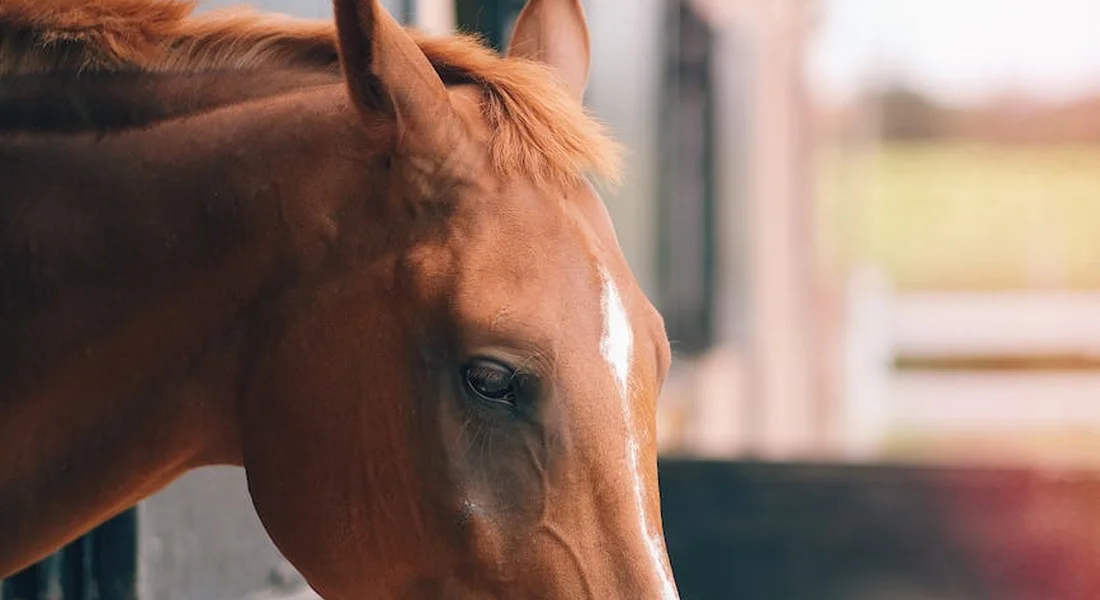
This debate heats up every barn aisle when the mercury drops. The answer isn’t one-size-fits-all; it depends on your individual horse. My old reliable Rusty grows a woolly mammoth coat and often stays toasty without a stitch, while my sensitive Thoroughbred, Luna, starts shivering if a cloud passes the sun. You must assess four key factors: the horse’s natural coat, body condition, age, and wetness.
A thick, unclipped coat is nature’s perfect insulation. A skinny senior or a hard-keeper lacks fat reserves for warmth. Rain or wet snow is the real enemy, as it flattens the coat and destroys its ability to trap warm air. Your horse’s comfort hinges on staying dry, not just on the thermometer reading. Use this simple guide as your starting point.
| Temperature & Condition | Horse with Heavy Coat & Good Weight | Clipped/Thin Coat, Senior, or Poor Weight |
|---|---|---|
| 40°F+ and Dry | No blanket needed. | Lightweight sheet (0-100g fill). |
| 30°-40°F and Dry | No blanket or lightweight sheet. | Medium-weight blanket (150-250g fill). |
| Below 30°F and/or Wet/Windy | Medium-weight blanket. | Heavy-weight blanket (300g+ fill). |
Run your hand under the blanket daily to check for sweat or cold spots-your horse will tell you if you’ve guessed right.
Hoof Care Against Mud and Frost
Winter turns the ground into a hostile place for hooves. My daily ritual with the hoof pick becomes non-negotiable. Mud packs into the sulcis of the frog, creating the perfect anaerobic environment for thrush. Frozen ruts and ice balls can cause bruising or make a horse dangerously unstable.
- Pick Thoroughly, Every Day: Clean all grooves around the frog and the commissures. Listen for that satisfying *thwock* as the dirt comes loose.
- Break the Ice Balls: After turnout, check for packed snow and ice in the sole. A sharp tap with the hoof pick’s pick end usually cracks it free. I’ve seen Pipin turn into a wobbly coffee table with four ice cubes for feet.
- Consider a Barrier: In perpetually muddy pastures, a moisture-resistant hoof dressing can help protect the hoof wall. It’s not a magic shield, but it can buy you some time between muckings.
Consistent daily picking is your cheapest and most effective defense against thrush and abscesses caused by packed debris.
Fueling the Internal Fire
Forget turning up the thermostat; a horse’s furnace is stoked with hay. The microbial fermentation in their hindgut generates massive heat. In bitter cold, you may need to increase their hay ration by 25-50% to provide enough fuel. Grain does not produce the same warming effect.
I stack hay nets in the stalls and watch the slow-feeders keep them munching happily. Just as critical is water. A horse will drastically reduce intake if water is ice-cold, leading to dehydration and impaction colic. Enriching water sources—heated buckets or slow-drip systems—keeps horses drinking longer. Hydration helps them stay engaged with daily routines and reduces dehydration risks.
- Use tank heaters or heated buckets religiously.
- Break ice at least twice daily if heaters aren’t an option.
- Offer warm bran mashes (sugar-free!) occasionally to boost fluid intake.
Run your hands over their ribs and along their topline weekly; weight loss in winter creeps up silently under all that hair and fluff.
Safe Turnout in Snow and Ice
Movement is vital for circulation and mental health, even in winter. Our job is to make the paddock as safe as possible. I spend mornings scattering pet-safe ice melt on walkways and around the gate. Never use rock salt, which can burn their paws and frogs if tracked in.
Create traction with a layer of sand or wood ash in high-traffic areas. After a heavy snow, do a walk-through to find hidden branches or debris. A well-maintained, ice-managed paddock is far safer than a slick, frozen concrete stall aisle. I’d rather see Luna doing her graceful trot through the snow than pacing a confined space.
Storm Season: Handling Wind, Rain, and Mud
Pre-Storm Prep: Securing Shelter and Supplies
When the weather channel starts predicting trouble, my barn manager brain kicks into gear. Nerves fray for both horse and human, so a solid plan is the best calming agent. Here’s my go-to checklist:
- Secure or Stow: Lunge whips, saddle racks, garbage cans, and anything that can become a projectile. Close and latch all Dutch doors.
- Check Shelter Drainage: Ensure gutters are clear and runoff flows away from paddocks and gates. A flooded run-in is useless.
- Stock Up: Fill every water trough and have extra hay under cover. Assume you might be without power or unable to fetch more.
- Ready Your Kit: Have a first-aid kit for horses and humans, flashlights, and extra batteries in an accessible, dry spot.
- Identify Safe Holding: Know where you’ll bring horses if the main barn is compromised-a sturdy indoor arena or a secure, wooded paddock.
An hour of preventative chaos saves you from true chaos when the storm hits.
Managing Mud and Moisture
The aftermath of rain often outlasts the storm itself. Mud is more than a nuisance; it leads to scratches, hoof issues, and drained pastures. My strategy is three-fold: rotate, reinforce, and wick.
Rotate pastures if you can, giving chewed-up areas time to recover. For inevitable high-traffic zones like gateways, I’ve learned to invest in a gravel pad. A six-inch base of coarse gravel topped with finer stone provides a life-changing dry spot. In stalls, skip the deep bedding and opt for a moisture-wicking base like peat moss or shavings under straw to keep the top layer dry and protect those precious hooves. Pipin taught me that a dry bed is a pony who doesn’t stock up.
Post-Storm Checks and Stress Relief
When the wind dies down, the real work begins. First, I do a visual headcount and look for any obvious signs of distress or injury. Then, I move in closer.
- Inspect Each Horse: Run hands over legs feeling for heat or swelling, check for cuts from flying debris, and watch for soundness as they walk.
- Assess the Damage: Check fences for downed limbs, look for roof leaks, and ensure water sources are uncontaminated.
- Re-establish Calm: Go back to the normal routine. A familiar grooming session or simply offering their favorite hay can lower heart rates-theirs and yours.
Watch for subtle stress signs in the following days: weaving, not finishing meals, or lethargy. Sometimes the mental hoofprint of a storm is the deepest. A quiet evening graze after the chaos is the best balm I know.
Reading the Signs: Monitoring for Distress
Heat Stroke vs. Heat Exhaustion
Spotting the difference between heat exhaustion and heat stroke can save your horse’s life. Heat exhaustion shows up as heavy, drenching sweat, a rapid pulse, and obvious fatigue-like Luna after a spirited workout on a humid day. Heat stroke is the dangerous next step: sweating often stops, the body temperature rockets past 103°F, and you might see confusion or stumbling. If your horse stops sweating in the heat, treat it as a dire emergency and call your vet immediately.
Your first actions are critical. Get them to shade or a cool stall fast. Start cooling with water-hose the legs first, then move to the neck and body to avoid shock. Let them take small, frequent sips of cool water. Never dunk a hot horse in ice water; gradual cooling prevents their system from panicking. I keep a dedicated hose ready in summer, remembering how a quick spray-down once settled Pipin after he worked himself into a lather escaping his paddock.
Hypothermia and Cold Stress Indicators
Cold stress creeps in quietly. Look for violent shivering that suddenly stops-this is a red flag that their body is giving up on warming itself. Other signs include stiff, unwilling muscles, a dull stare, and breathing so shallow you barely see it. When shivering ceases in freezing temps, it’s a sign of advancing hypothermia requiring urgent care.
Warm them gradually. Get them to a dry, draft-free stall, rub them down with towels, and layer on dry blankets. Offer lukewarm water or a soaked mash to warm them from the inside. Avoid heat lamps or direct high heat, which can burn skin or cause overheating too fast. I always check Rusty’s ears and flanks on bitter mornings; his senior body loses heat quicker than the youngsters.
Behavioral Cues of Weather Stress
Horses tell us they’re struggling long before physical symptoms appear. Watch for subtle shifts like picking at hay instead of cleaning up meals, or standing alone when they’re usually social. During howling winds, a normally calm horse might pace or call out. A change in routine behavior is your first clue that weather is taking a mental and physical toll. These early cues can signal illness or injury, so note any persistent changes and consult your vet. Spotting signs early gives your horse the best chance at timely treatment.
Common stress cues include pawing at soggy ground, refusing to leave the barn door, or increased head-shaking in driving rain. Knowing your horse’s normal “baseline” mood-like Pipin’s cheeky curiosity or Luna’s alert sensitivity-lets you spot trouble early. I’ve learned to listen to the barn’s rhythm; the unusual silence of horses not munching hay often speaks volumes.
Special Considerations: Age, Health, and Turnout
Care for Seniors and Youngsters
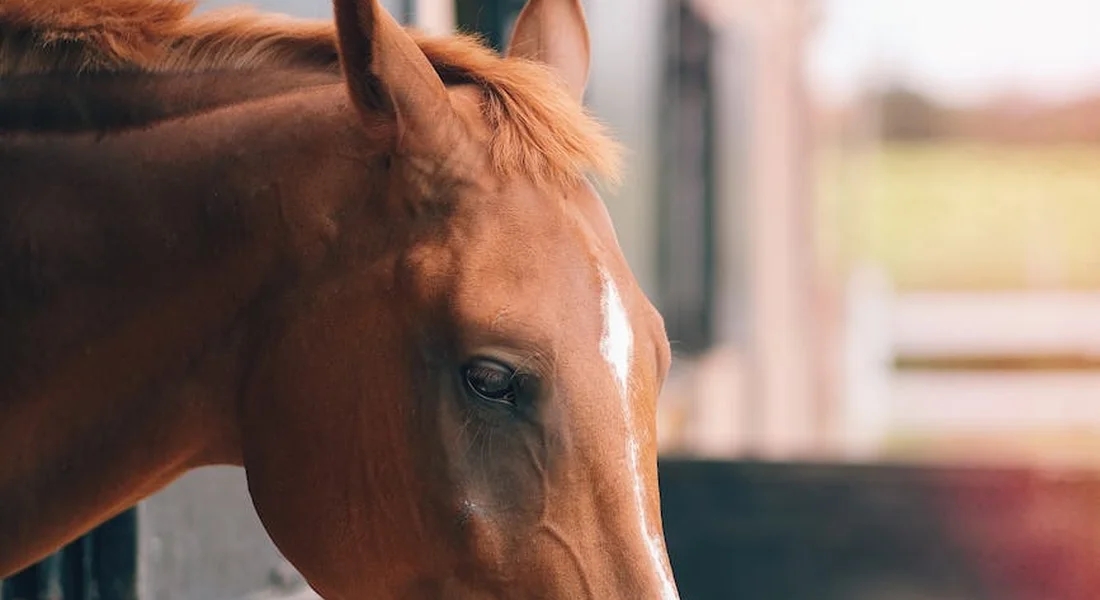
Extreme weather hits the very old and very young hardest. A senior like Rusty deals with joint stiffness that turns icy mornings into a chore; he needs extra bedding and a slower warm-up. In heat, he dehydrates easier, so I add electrolytes to his water and watch his intake. For older horses, consistent access to tepid water and shelter from elements is non-negotiable.
Youngsters, with their still-developing systems, can’t regulate temperature as well. They might play in the snow until they’re chilled or overheat chasing flies. Provide constant shelter access and monitor them more frequently than the steady adults. I never leave a weanling out in a scorching afternoon without a shaded run-in; their judgment isn’t as developed as their energy.
Horses with Health Conditions
Pre-existing conditions demand tailored plans. For horses with respiratory issues, summer dust can trigger coughing fits-wet down hay and choose low-dust bedding like peat moss. Identifying early respiratory signs in horses helps manage these issues effectively. Metabolic horses, prone to laminitis, need careful pasture management when frost raises sugar levels in grass. Always consult your vet to adjust care for specific conditions during weather extremes.
Arthritic horses benefit from deeply bedded stalls in cold to cushion aching joints. For the heat-sensitive Thoroughbred type, like Luna, I ensure fans for air circulation without creating a draft. A simple step like soaking hay for a dusty horse can mean the difference between easy breathing and a vet visit.
Turnout Time: Balancing Safety and Needs
Locking horses in stalls for days during a blizzard or heatwave seems safe, but it trades physical risk for mental stress. Horses need daily movement for gut health and calm minds. Use weather extremes as a guide, not an absolute rule: stall during lightning, hurricane winds, or extreme cold warnings, but prioritize turnout when safe.
When turnout is risky, get creative. Hand-walk in the barn aisle, do gentle in-hand exercises, or use a well-ventilated indoor for short lunging sessions. Even 20 minutes of walking can stave off stiffness and stall boredom, keeping your horse’s body and brain engaged. I’ve set up traffic cone patterns in the barn to keep Pipin’s clever mind busy during week-long rain-his happiness is worth the extra effort.
FAQ: How to Care for Your Horse in Extreme Weather Conditions
How can I ensure my horse’s shelter maintains a safe temperature and humidity level during extreme weather?
Focus on maximizing airflow to prevent moisture buildup and stale air, which is crucial in both heat and cold. In summer, use fans (safely secured) to promote air circulation and consider a roof vent to let hot air escape. In winter, ensure bedding is thick and dry to provide insulation from the cold ground while still allowing for adequate ventilation to prevent respiratory issues.
What is the best way to administer electrolytes to a dehydrated horse during a heatwave?
The most effective method is to offer electrolytes mixed into a small, moistened meal that your horse will readily consume. You can also use a syringe to administer a paste electrolyte directly, ensuring they are followed by access to plenty of fresh, plain water to encourage drinking. Always introduce electrolytes gradually and choose products formulated for horses, as other livestock mixes may contain unsuitable ingredients.
How do I balance my horse’s need for turnout with safety during prolonged extreme weather events?
Assess the primary risk, such as ice, deep mud, or hazardous winds, and provide turnout in a smaller, safer containment area like a dry paddock or a sheltered pen if the main pasture is unsafe. Incorporate scheduled hand-walking, in-hand grazing, or controlled exercise in an arena to maintain mental well-being and physical movement. Establishing a healthy exercise turnout schedule for your horse helps balance rest and activity. It also supports consistent conditioning as conditions change. When conditions improve, gradually reintroduce normal turnout, starting with shorter periods to allow your horse to readjust safely.
Final Thoughts from the Stable
Keep your routine flexible, prioritizing shade and ventilation in heat, and dry, draft-free shelter in the cold. Nothing replaces your own eyes and hands—checking water troughs for ice and feeling your horse’s coat for dampness are daily non-negotiables when managing horses in winter conditions.
Extreme weather asks for extra patience and a willingness to slow down. Your horse’s honest feedback, whether a pinned ear or a content sigh, is the truest measure of your care.
Further Reading & Sources
- Caring for horses during hot weather
- Caring for your horse in the winter | UMN Extension
- 15 ways to prepare for extreme weather horsekeeping
- Caring for Horses in Cold Weather | USU
At Horse and Hay, we are passionate about providing expert guidance on all aspects of horse care, from nutrition to wellness. Our team of equine specialists and veterinarians offer trusted advice on the best foods, supplements, and practices to keep your horse healthy and thriving. Whether you're a seasoned rider or new to equine care, we provide valuable insights into feeding, grooming, and overall well-being to ensure your horse lives its happiest, healthiest life.
Stable Management