
How to Cool Down Your Horse After Exercise: A Safe and Effective Routine
Hello fellow equestrians. That post-ride feeling of accomplishment can quickly turn to worry if your horse is still huffing and sweaty back at the barn. A poor cool-down invites muscle strain, overheating, and costly vet calls for issues you can prevent.
After managing barns and training horses for years, from my reliable Rusty to my sensitive Luna, I’ve honed a cool-down protocol that prioritizes equine well-being. We will walk through the absolute essentials: the critical walking phase, how to read your horse’s vital signs by touch and sight, offering water safely to avoid colic, and the grooming that seals the deal for recovery.
This isn’t textbook advice; it’s the grounded, horse-first method I use every single day at the rail.
Why Rushing the Cool-Down Risks Your Horse’s Health
When your horse works, their entire physiology shifts into drive. The heart rate elevates to pump oxygen-rich blood to hard-working muscles, respiration quickens to manage the demand, and muscle temperature climbs significantly. I’ve felt this firsthand with Luna; after a spirited training session, her chest vibrates with a rapid pulse and her coat is hot to the touch.
This intense activity generates metabolic waste, like lactic acid, within the muscle tissues. A proper cool-down allows the circulatory system to gradually flush these byproducts away, preventing them from pooling and causing damage. Cutting this process short is like letting garbage pile up in a hallway-it eventually blocks the path to recovery.
Ignoring a gradual recovery invites several specific problems:
- Muscle stiffness and soreness: Your horse moves like a rusty hinge the next day.
- Tying-up (exertional rhabdomyolysis): A painful condition where muscles literally seize up.
- Digestive colic: Abrupt blood flow shifts can upset the gut, especially in a hot, fatigued horse.
- Compromised soundness: Tendons and ligaments that cool unevenly are more prone to strain.
Consistent, proper cool-downs are a cornerstone of preventative care, directly supporting long-term soundness and performance. It’s a daily investment in your horse’s welfare, as vital as quality turnout and gentle handling. Pair this with the essential warm-up and cool-down exercises your horse needs before and after work. These routines prime muscles and joints, supporting recovery and ongoing soundness.
The Essential Step-by-Step Cool-Down Routine
Step 1: The Gradual Walking Phase
Plan for at least 10-15 minutes of uninterrupted walking, extending to 20-30 minutes after a sweat-drenching workout. I always add extra time for Luna after a jump school, but even old reliable Rusty gets a solid 15 minutes after a trail ride.
Keep your horse moving on a long, loose rein to encourage full strides and deep breathing. This steady, rhythmic movement is what promotes circulation to clear metabolic waste and begin lowering core temperature by engaging the horse’s circulatory system.
Use this walking time as a quiet mental check-in. Notice your horse’s posture and breathing-is Pipin’s head lowering, is the snorting slowing down? This connection tells you when they’re physically and mentally coming down.
Step 2: Assessing Vital Signs for Pulse Recovery
Before you even think about hosing, you need hard numbers. Feel for the pulse under the jaw or behind the elbow. Count the beats for 15 seconds and multiply by four.
A good target is a heart rate below 60 beats per minute and steady, even breaths. Luna often recovers her breath quickly, but I wait until her pulse is consistently in the 50s before proceeding.
Listen closely to their breathing. The sound should be quiet and regular, not ragged or forced, signaling the respiratory system has caught up. If breathing is still labored, walk more.
Step 3: Managing Sweat and Applying Cool Water
Start by using a sweat scraper on a damp coat. Pulling that layer of sweat away instantly improves evaporative cooling and lets you see the skin underneath.
When hosing or sponging, always start with the legs and belly, then move to the neck, and finally the back and hindquarters. This avoids shocking the major muscles and circulatory system. I learned this with my sensitive thoroughbred; hosing Luna’s back first made her tense up, but starting at her feet kept her calm.
Use cool water, not ice-cold, and scrape it off immediately. The magic is in the evaporation, not just the wetting-scraping the water away pulls heat from the skin. Repeat the hose-and-scrape process until the water you scrape off feels cool, not warm.
Step 4: The Final Check and Hydration
Offer small, frequent sips of water immediately after the cool-down. Let them drink a few swallows, pause, then offer more. I keep a bucket handy for Rusty, who always seems to find the nearest puddle if I don’t.
Perform a simple skin pinch test on the neck. The skin should snap back quickly; if it tents, your horse needs more fluids and electrolytes. For a full head-to-tail health check, refer to the ultimate horse health troubleshooting checklist: a head-to-tail guide.
Give a final feel of the ears and chest. They should feel cool or neutral, not hot, confirming the body’s thermostat has reset. Only then is it truly time for that well-earned hay net and rest.
How to Know When Your Horse is Truly Cool
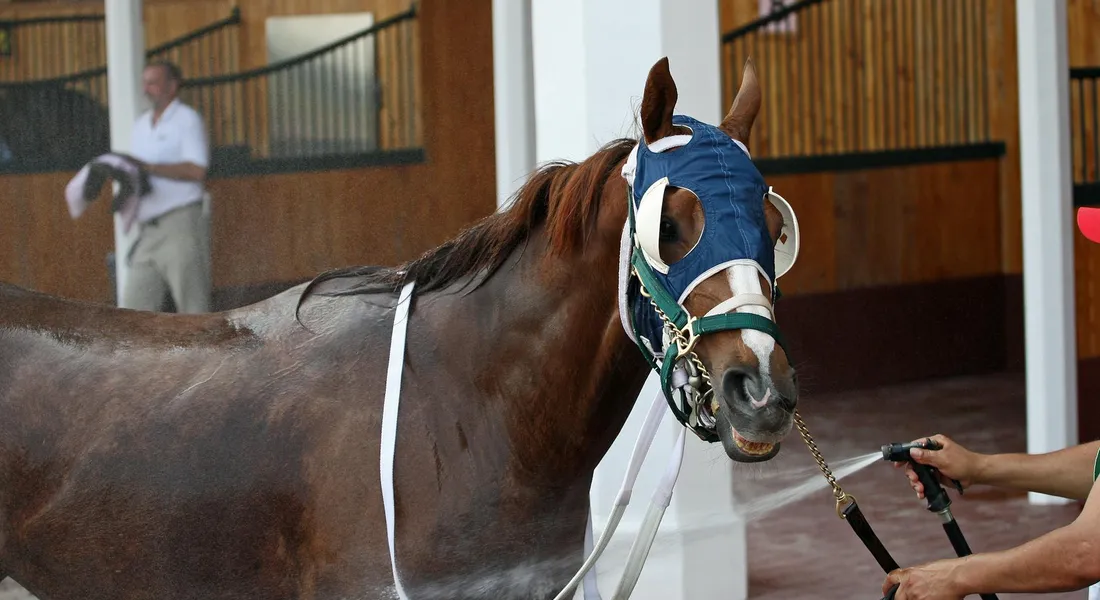
Your horse may look fine from the aisle, but true recovery happens beneath the surface. The walk back to the barn is just the first step; the real work is in the quiet observation that follows.
You must use your eyes and your hands to get the full story, moving beyond a simple “dry coat” check. Run your palm firmly along their neck, shoulder, and girth area-the skin should feel completely cool and dry to the touch, with no lingering damp patches.
- Visual & Tactile Signs: Look for a dry, flat coat. Feel behind the ears and inside the fetlocks-these spots hold heat. The eyes should be soft, the lower lip slack, and the overall demeanor relaxed, not pacing or anxious.
- Vital Rates: Respiration should be back to a quiet, regular rhythm of 8-16 breaths per minute-no flared nostrils or heaving sides. A resting heart rate is typically 28-44 beats per minute; I’ll often use a stethoscope behind the left elbow for a true count before I call it done.
- Absence of Stress Signs: All heavy sweating must have ceased. Panting, persistent trembling, or patchy “hot spots” of sweat are clear signals your horse needs more time.
- The Final Watch: My golden rule is to watch them in the stall or cross-ties for an extra 30 minutes after they seem cool. This is when I notice if a slight sweat breaks back out, a sure sign I walked them off too soon.
Top Cool-Down Mistakes Every Owner Should Avoid
In our hurry to get the chores done, it’s easy to slip into habits that seem helpful but can quietly compromise our horse’s health. I’ve seen every one of these in action, and the consequences are never worth the saved time. These are common mistakes that break your horse’s trust—avoid them. Learning to spot them protects your partnership.
Letting a hot horse dunk its head in a bucket of cold water is a direct ticket to colic, as the sudden temperature change can cramp the gut. Offer small, lukewarm sips frequently instead, or use a bucket with an automatic waterer that limits intake.
- Cold Water Gulping: Allow only a few sips at a time after the initial walk. Wait until breathing is normal before offering free access to water. A horse that drains a bucket post-work is at risk.
- Ice-Cold Hose Down: Blasting a steaming horse with icy water can cause muscle tying and shock. Always start with cool water on the feet and legs, working your way up slowly as their body temperature adjusts.
- Putting Away Wet: Never throw a horse in a stall or put a blanket on a damp coat. This traps moisture, chilling them and creating a perfect environment for fungal growth like rain rot. They must be completely dry.
- Premature Turnout: Turning a horse out before full recovery invites them to roll while their system is still stressed, and they often won’t drink or walk enough to finish the process. Full recovery in a monitored environment always comes before pasture freedom.
Adapting Your Cool-Down for Weather and Workload
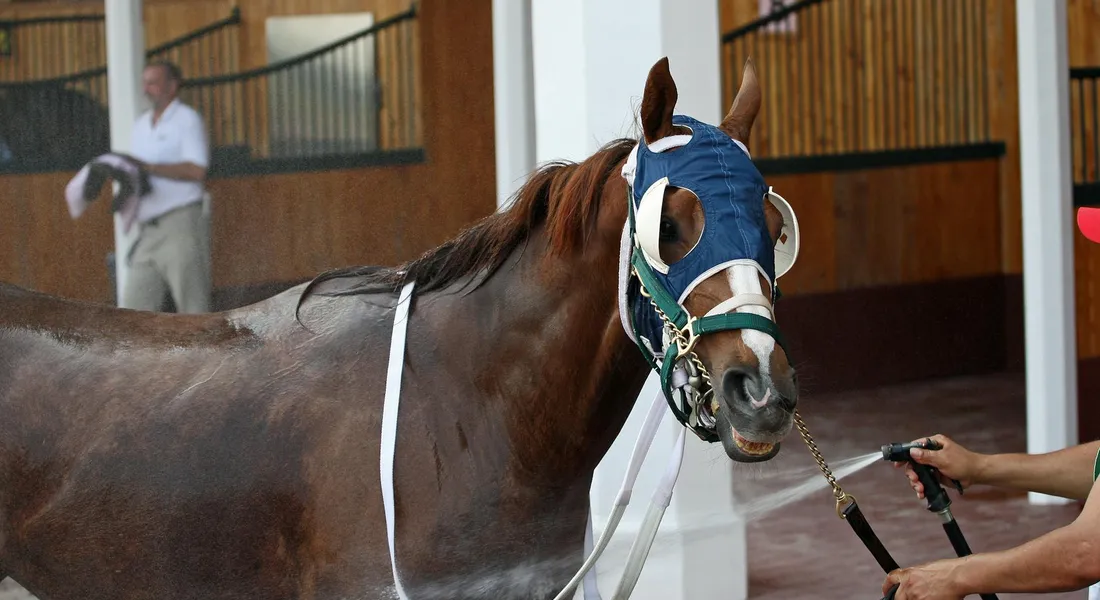
A perfect cool-down isn’t one-size-fits-all. You must adjust your approach based on the sweat dripping down your horse’s neck and the thermometer on the barn wall. Think of it like changing your own workout gear-what works for a crisp morning ride will fail on a sticky afternoon.
Cooling Strategies for Hot and Humid Days
On soupy days, the air itself fights your cooling efforts. Humidity prevents sweat from evaporating, trapping heat against your horse’s skin. Your usual ten-minute walk becomes a starting point, not the finish line.
- Walk until the heavy breathing stops, then walk five minutes more. I aim for a minimum of 15-20 minutes of steady walking on a loose rein under the blazing sun. The goal is to switch their engine from a sprint to a gentle idle.
- Use water liberally and repeatedly. Hose the legs, chest, and neck, scrape it off, and immediately do it again. The scraping is key-it pulls the heated water away so cooler water can contact the skin. I’ve stood hosing my mare Luna for three full cycles on a brutal July day before her skin truly felt cool to the touch.
- After the final scrape, a dampened cooler or a lightweight mesh rug can be a game-changer. It keeps a layer of moisture against the skin to continue the evaporative cooling process as they dry in their stall or under a fan. Just ensure it’s a wicking material, not a waterproof one that seals the heat in.
- Plan your ride smartly. If you can, ride at dawn or dusk during heat waves. I’ll never forget a midday clinic with Rusty where the puddles he so despises were the only thing keeping us both from overheating-we walked through every single one.
Adjusting for Intensive Work or Interval Exercise
A leisurely trail ride and a jumping lesson demand different recovery protocols. Intensive work creates more metabolic heat and places greater strain on muscles and tendons.
- Double your cool-down time. After a course of jumps or a series of gallop sets, plan for at least 30 minutes of purposeful walking. This isn’t just about temperature; it’s about helping lactic acid clear from hard-working muscles.
- Consider post-exercise support. After hosing legs thoroughly, applying standing wraps or stable bandages can provide gentle support and encourage circulation as your horse rests. This is not a substitute for veterinary cold therapy, but a method of light support for a tired horse. Always ensure you, or someone experienced, applies them correctly-too tight is dangerous.
- Your monitoring becomes critical. Know your horse’s normal resting pulse and respiration. After hard work, check every five minutes during your extended walk. If the numbers are stubbornly high, keep walking quietly. This vigilance has tipped me off to early signs of exhaustion more than once.
Post-Cool-Down Barn Care for Optimal Recovery

The cool-down isn’t over when you put the horse away. The next hour is a crucial window for setting them up for full recovery and future soundness.
- Back at the stall, offer a small, sloppy wet mash or a flake of very damp hay. The extra moisture encourages drinking and provides easy-to-digest electrolytes. My old gelding would dive into his beet pulp mash, which was a perfect way to get fluids into him without him guzzling a bucket of cold water too fast.
- Give them a quiet period. Allow your horse to stand in a well-ventilated stall or shaded paddock with fresh air. This is a time for observation. Watch how they move, if they’re interested in hay, and how they’re holding themselves. That cheeky pony Pipin taught me that a horse who is “off” often shows it in their stillness, not their movement.
- Once they are completely dry-and I mean bone-dry-give them a light brush over any sweat marks. This isn’t a full grooming session, just a refresh to keep their skin clean and prevent any itchiness from dried salt.
- This entire quiet period is an investment. It directly connects to their overall soundness and readiness for their next turnout or ride. A properly recovered horse is a happier, healthier partner. Rushing this final step undoes all the careful work you just did on the hot walker or at the wash rack.
Frequently Asked Questions About Cooling Down Your Horse
How long should the initial walking phase of a cool-down last?
Aim for a minimum of 10-15 minutes of continuous walking. After an intense, sweat-drenching workout, extend this to 20-30 minutes of steady walking on a loose rein. This duration is critical for gradually lowering the heart rate and starting to clear metabolic waste from the muscles.
What are the key signs that my horse is fully cooled down and recovered?
Your horse’s coat should be completely dry and cool to the touch, with no damp patches or “hot spots.” Their breathing should be quiet and regular, and their overall demeanor should be relaxed, not anxious. For complete assurance, monitor them for an additional 30 minutes after they initially seem cool to ensure no sweat breaks out again. Being familiar with your horse’s normal temperature, heart rate and other vital signs lets you spot deviations quickly. Regular checks of these vital signs can guide you on when to seek care.
How should I adjust the cool-down process in extremely hot or humid weather?
In high heat and humidity, significantly extend the walking time and use water more aggressively, employing repeated cycles of hosing and scraping. Consider using a damp, wicking cooler after the final scrape to continue evaporative cooling. Always plan rides for cooler times of day when possible to reduce the thermal stress on your horse. These steps help keep horses cool and safe in hot weather. More tips on keeping horses comfortable will be linked in the next steps.
Final Thoughts from the Stable
Always walk your horse until their breathing is even and their coat feels dry behind the ears. Rushing this step risks muscle cramping and undermines all your hard work under saddle. Next, you can move on to saddling with a clear, step-by-step approach. The following steps will introduce a concise guide to saddle your horse properly.
Good horsemanship is built in these slow, mindful moments after dismounting. Your horse’s breathing and demeanor are the most honest gauges you have—trust them to guide you and understand horse behavior and psychology.
Further Reading & Sources
- Why You Should Cool Down Your Horse After Exercising | FLAIR® Strips
- Tips to Help Your Horse Cool Down After Exercise
- Effects of cooldown methods and durations on equine physiological traits following high-intensity exercise – ScienceDirect
- The importance of a good cool down and how to do it | KBIS
At Horse and Hay, we are passionate about providing expert guidance on all aspects of horse care, from nutrition to wellness. Our team of equine specialists and veterinarians offer trusted advice on the best foods, supplements, and practices to keep your horse healthy and thriving. Whether you're a seasoned rider or new to equine care, we provide valuable insights into feeding, grooming, and overall well-being to ensure your horse lives its happiest, healthiest life.
Exercise