
How to Spot Early Signs of Illness or Injury in Your Horse
Hello fellow equestrians. That quiet hesitation at the gate or the leftover hay in the morning-these small moments can spark a big worry. Missing the early clues to your horse’s discomfort can lead to bigger health issues, unexpected vet bills, and risks to their well-being.
Let’s turn that worry into actionable knowledge. In this guide, I’ll walk you through my barn-tested method for early detection, focusing on:
- Decoding subtle shifts in behavior and attitude, from herd dynamics to stall habits.
- Performing a efficient nose-to-tail physical assessment you can do in minutes.
- Establishing your horse’s personal “normal” baseline for vital signs and appetite.
- Making the critical decision on when to call your veterinarian without second-guessing.
I’ve built this approach over years of barn management and training, through thousands of mornings listening to the unique stories told by a quiet nicker or the way a hoof is placed.
The Quiet Tells: Decoding Changes in Behavior and Attitude
Your horse’s personality is your best early warning system. A shift in their normal demeanor is often the first whisper of a problem, long before a fever spikes or a limp appears.
Guidance
A happy, comfortable horse has predictable routines and reactions. Any deviation from their personal norm is a data point you must not ignore, whether it’s a normally social horse standing alone at the fence or your gentle giant suddenly pinning ears over dinner. Classic pain cues include persistent teeth grinding (a different sound from contented chewing), frequent lying down and getting up, or standing with a fixed, “zoned-out” stare while resting a hind leg.
Is Your Horse More Withdrawn or Agitated?
Contrast is key. My old reliable Rusty, who usually meets me at the gate with a soft nicker, once just stood at the back of his stall. That silence was louder than any neigh. For a sensitive soul like Luna, agitation might manifest as excessive spooking at familiar sounds or a tense jaw when bridled. A change doesn’t always mean quiet; a typically calm horse becoming unusually irritable or an energetic horse becoming dull are equal red flags. I learned this with Pipin, whose clever escapes stopped-turns out he wasn’t feeling clever, just sore.
Reluctance to Move or Perform Familiar Tasks
Stiffness or hesitation is a billboard for discomfort. Watch for the horse who is slow to come in from pasture, reluctant to pick up a hoof for cleaning, or who braces during girthing. Observe your horse at rest in the stall: a healthy horse will shift weight evenly and lie down comfortably, while a horse in pain may stand rooted in one position or repeatedly look at its flank. The “how” of movement tells the story-a head lift when transitioning from walk to trot, or a reluctance to back up straight, are subtle pleas for help.
The Feed Tub and Water Bucket: Appetite, Thirst, and Weight Clues
Daily monitoring of what goes in and what’s left over is non-negotiable barn math. A horse is a creature of habit, especially where food is concerned.
Guidance
Decreased appetite or picky eating (like sorting out hay stems) can signal dental pain, systemic illness, or stress. Conversely, a sudden, dramatic increase in water consumption can be a major indicator of issues like metabolic problems or fever. Track weight not just by eye, but by hand. Run your hands over their ribs weekly; you should feel them with light pressure, like tracing the back of your knuckles.
Is Hay Left in the Morning?
This simple question is powerful. Knowing your horse’s baseline is everything. A good-doer like Rusty leaving a flake is as alarming as a hard-keeper like Luna cleaning up every scrap. Implement a simple step check: use a specific container for grain and note the line, and shake hay flakes into a tub to see the true volume left behind. Leftover hay isn’t just waste; it’s a message written in orchard grass.
Monitoring Hydration and Subtle Weight Shifts
Beyond watching the water level, perform the skin pinch test on the point of the shoulder. Pinched skin should snap back flat in under two seconds. Lift your horse’s lip and press a finger on their gum; it should feel slick, not tacky—a dry, sticky mouth is a late sign of dehydration. Use a weight tape weekly, same time, same place, and keep a log. Muscle loss over the topline or a suddenly prominent withers often shows up here long before the number on the tape drastically changes. Even if they’re drinking, check for signs of dehydration.
The Manure Map: What Droppings and Urine Reveal
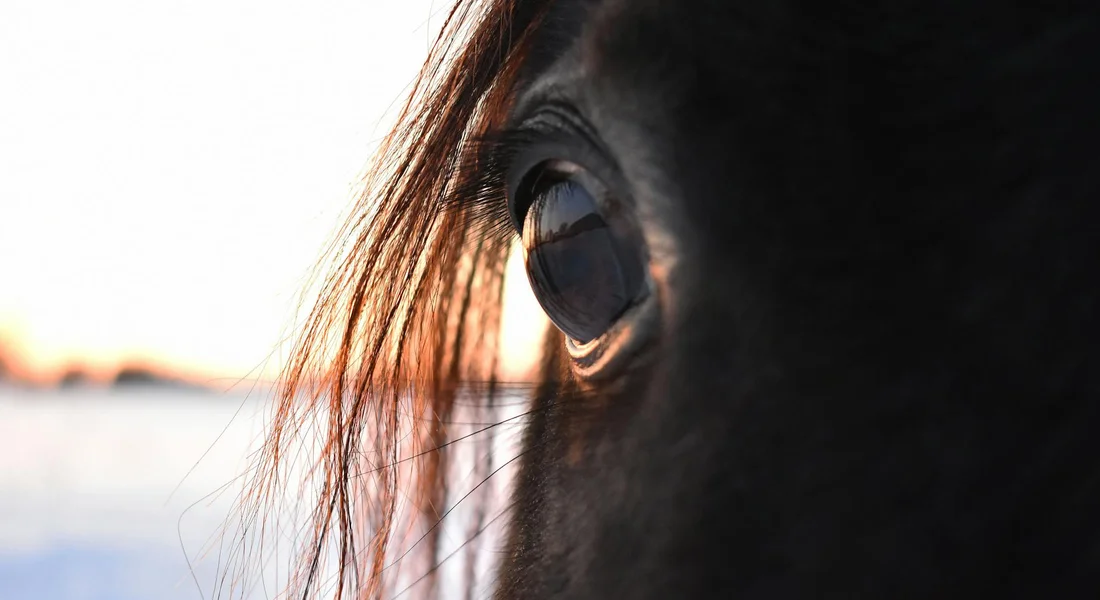
Forget social media; the most honest status update your horse gives is in the stall or pasture. I start every barn morning with a cup of coffee and a manure patrol. This daily ritual tells me more about my herd’s health than any app ever could.
Reading the Pile: Consistency and Frequency
Normal, healthy manure consists of moist, formed balls that break apart when they hit the ground. Think of a pile of slightly damp peat moss. The color varies with diet-greenish for fresh pasture, browner for hay. The key isn’t a single perfect pile, but a consistent pattern from your individual horse. My Quarter Horse, Rusty, produces a modest, tidy pile, while Luna, my Thoroughbred, makes a more impressive mountain.
Frequency matters, too. A horse at pasture might drop manure 8-12 times a day. A stabled horse with limited movement may go less. A sudden drop in output is a red flag.
| Observation | Normal | Problematic |
|---|---|---|
| Consistency | Formed balls, breaks apart easily | Diarrhea (cow-pie-like), extremely dry/hard balls, mucus-covered |
| Color | Green-brown to tan, diet-dependent | Very dark/black (possible blood), unusually pale, bright red streaks |
| Volume & Frequency | Consistent for that horse, multiple times daily | Scant output, no manure for hours, dramatically increased volume |
| Content | Digested plant matter | Whole grains, long undigested fibers, foreign material (sand) |
Diet changes will always affect output. Introducing rich spring grass can cause looser manure, while a new hay batch might firm things up. Any drastic shift without a diet change warrants a closer look at your horse’s overall behavior and vital signs.
Urination Patterns and What They Signal
Mares and geldings both assume a distinctive stance to urinate: hind legs slightly stretched back, weight lowered. Normal urine is pale yellow to deep amber, and a horse typically urinates 5-7 times daily. This naturally ties into how long a horse can go without pooping or urinating, a question we’ll explore next. Changes in elimination timing can signal health issues and warrant veterinary advice.
Watch for deviations. Is your horse squatting frequently but passing only dribbles? This signals discomfort, possibly from a urinary tract infection or stones. Straining with a arched back and tense tail is a serious sign of pain.
Blood in urine, whether pink-tinged or blatantly red, is an immediate call to your vet. Dark, brownish urine can also be problematic. Note if your horse seems reluctant to urinate on hard ground or while traveling, as this can indicate muscular soreness or anxiety.
Skin Deep: Reading Coat Condition, Swelling, and Wounds
A gleaming coat is a badge of honor, but its true purpose is as a health barometer. A dull, rough, or patchy coat isn’t just a cosmetic issue-it’s a billboard for internal problems, from poor nutrition and parasites to metabolic issues like Cushing’s. My old pony, Pipin, gets a woolly, slow-shedding coat that clues me into his hormonal health every spring.
The Daily Hands-On Check for Lumps and Heat
Grooming is not just for cleanliness; it’s your primary diagnostic tool. Follow this systematic hands-on check every day.
- Start at the hooves, running your hands up each leg, feeling for heat, swelling, or sensitive spots. Compare left front to right front.
- Move over the shoulders, barrel, and belly. Use flat palms to feel for any unusual bumps, patches of tight skin, or reactions to pressure.
- Check the neck and crest for firm or pitting edema (stocking up), especially in the morning after a night in the stall.
- Feel along the back and girth area for swellings, scabs, or signs of soreness before you saddle up.
Your hands are seeking asymmetry-one warm leg when the others are cool, a puffiness on only one side of the face. Finding a small cut or bug bite early lets you clean it before it becomes a gateway for infection.
Mucous Membranes and Capillary Refill Time
This quick check takes you inside your horse’s circulatory system. Gently lift your horse’s upper lip to examine the gum color above the front teeth. Healthy gums should be a moist, salmon pink.
Press your thumb firmly against the gum for two seconds to blanch the area, then release. Count how many seconds it takes for the pink color to return; normal capillary refill time is one to two seconds. A slow refill (three seconds or more) can indicate dehydration or shock. Pale, white, or gray gums suggest anemia or poor circulation. Bright red or muddy purple gums are also serious concerns.
Make this test part of your routine when you suspect something is off. Combined with other signs, it gives you powerful, immediate information to share with your vet.
The Sound of Movement: Identifying Lameness and Gait Changes

Your horse’s normal way of going is a language you must learn to hear. A shift in rhythm is often the first whisper of trouble. It’s your cue to check if your horse is lame and decide the next steps.
Catching a problem early often means listening with your eyes, long before a limp becomes obvious. Start by observing your horse standing square on level ground. Is he resting a hind leg? Is his weight shifted off one front foot? A horse in discomfort rarely stands evenly.
Spotting Subtle Lameness at the Walk and Trot
Ask a helper to lead your horse in a straight line away from you and back on firm, level footing. Watch the hips and shoulders. A subtle “hip hike” on one side can signal hind limb pain, while a dropping shoulder often points to front leg issues.
The head bob is the classic tell: the head goes down when the sound foot hits the ground and up when the painful foot bears weight. But don’t wait for a dramatic nod. A shortened stride, stiffness, or a general lack of impulsion are all meaningful clues.
I once watched Pipin, our Shetland, develop a quirky little skip. At first, I chalked it up to his usual cheekiness. But his playful hop had a different, stiffer quality than his mischievous prance. A hoof pick revealed a small stone wedged in a tender spot. It taught me to know the difference between personality and pain.
Guidance: Outline how to observe the horse standing, walking, and trotting. List signs like head bobbing, shortened stride, or stiffness. Include a simple trot-out check on firm, level ground.
- Standing: Look for uneven weight distribution, pointed toes, or constant shifting.
- Walking: Watch for shortened stride, stiffness, or a slight hitch in the rhythm.
- Trotting: This gait magnifies irregularities. Perform a “trot-out” on a hard, flat surface like a driveway or lane.
- Key Signs: An obvious head bob, a “hip hike,” a dropped shoulder, or a general reluctance to move forward freely.
Reluctance to Turn, Back Up, or Pick Up Feet
Stiffness during specific maneuvers can pinpoint pain. A horse hesitant to turn tightly in one direction might have shoulder or hock discomfort on that inside leg.
Reluctance to back up straight can be a major red flag for hock, stifle, or back pain, as these joints bear significant load in reverse.
If your normally compliant horse suddenly resists having a hoof picked, don’t get frustrated-get curious. That foot likely hurts. Luna, my sensitive Thoroughbred, will subtly lean away when her left front is sore, a clear signal long before she gets footy on the trail.
Guidance: Connect specific movement reluctances to potential pain locations, like shoulder or hock issues.
- Reluctance to Turn/Circle: Often points to pain in the inside shoulder, hock, or hoof.
- Difficulty Backing Up: Frequently linked to hock arthritis, stifle issues, or back soreness.
- Resists Picking Up a Foot: Almost always indicates pain in that specific limb or hoof.
- Stiffness After Rest: May improve with movement, often seen with arthritis or muscular issues.
Breath and Rhythm: Monitoring Respiration and Vital Signs
Beyond the legs, your horse’s internal rhythms tell a vital story. Knowing his normal baseline is your most powerful tool. That baseline also informs equine body condition scoring—a quick way to assess your horse’s overall condition. With that score in hand, you can tailor feeding and exercise to keep him in peak health.
A fever can be the first and only sign of a brewing internal problem, from infection to colic. Normal resting temperature for an adult horse is 99-101°F (37.2-38.3°C). Pulse is 28-44 beats per minute, and respiration is 8-16 breaths per minute. Know your horse’s personal normal. Knowing normal horse vital signs helps you notice changes early. These vital signs inform when to call a veterinarian.
How to Take a Proper Temperature, Pulse, and Respiration
Gather a digital thermometer with a string and clip, and a stethoscope. Always have a helper hold your horse.
Guidance: Provide step-by-step instructions for each vital sign. Include safety tips and recommended tools like a digital thermometer and stethoscope.
Temperature: Use a lubricated digital thermometer. Gently insert it into the rectum, angled slightly downward, and hold it against the wall. Wait for the beep.
Pulse: Feel for the artery under the jawbone or inside the left elbow. Count the beats for 15 seconds and multiply by four. A stethoscope behind the left elbow gives the clearest heart sound.
Respiration: Watch the flank rise and fall. Count one full breath (in and out) for 15 seconds, multiply by four. Do this before you handle the horse, as excitement elevates the rate. For a complete, step-by-step guide on taking a horse’s vital signs.
Listening for Coughs and Checking Nasal Discharge
Pay attention to the sounds of the barn. A single cough when they start eating dusty hay might be normal. A repetitive, moist cough or a dry, hacking one is not.
Clear, watery nasal discharge is usually harmless, but thick yellow or green mucus, especially from one nostril, warrants a vet call.
Check the eyes and nostrils daily. I make it part of my greeting, running a hand down the muzzle. Rusty’s nose is usually clean, but last spring I noticed a slight, sticky clear discharge. Combined with a slight increase in his respiratory rate at rest, it was the early sign of a mild allergy we could manage before it became a coughing fit.
Guidance: Describe normal versus abnormal respiratory sounds. Explain how to note discharge color and consistency from nostrils and eyes.
- Normal: Occasional cough when starting work or eating. Clear, watery nasal discharge.
- Abnormal: Frequent, repetitive, or deep coughing. Thick, colored (yellow/green) nasal discharge.
- Eye Discharge: A little “sleep” is normal. Constant tearing, thick mucus, or squinting is not.
- Respiratory Effort: Flaring nostrils or heaving flanks at rest are urgent signs of distress.
The Belly Check: Recognizing Early Signs of Colic
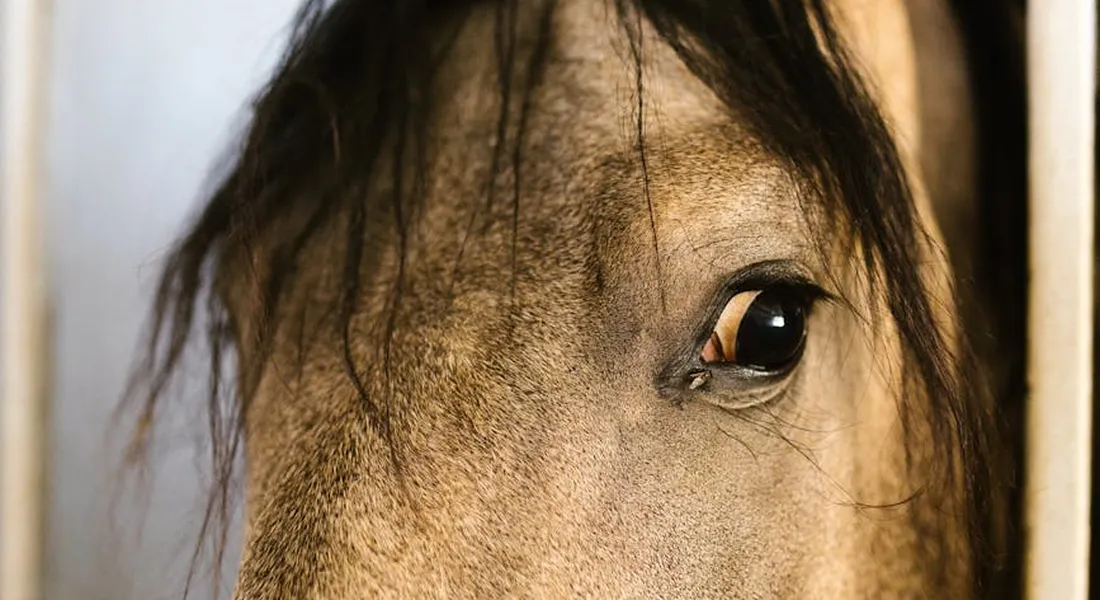
Colic often starts as a quiet rumor in the barn, not a shout. Your horse might just stand apart from the herd, looking thoughtful or dull. I saw this with Luna last spring; she was statuesque at the fence line, ignoring the fresh hay. That isolated, too-quiet posture is a classic early whisper of abdominal discomfort.
Learn the specific behaviors. Pawing at the ground with a focused, repetitive rhythm is a common signal. Flank-watching, where they curl their neck to stare at their side, is another. You might see them lie down, get up, and lie down again, or roll cautiously. Always listen to their gut. Press your ear to their flank and listen for the absence of the normal, fluid gurgles-a silent gut is a serious warning.
Trust the small details. A manure pile that’s smaller or drier than usual, or a water bucket that’s barely touched, can be your first data points. Daily observation during feeding or turnout is your most powerful diagnostic tool.
From Mild Discomfort to Acute Pain: A Spectrum
Colic isn’t one condition; it’s a spectrum of pain that escalates. Catching it in the early stages often means a simpler, safer resolution.
Early, Subtle Signs
- Producing fewer manure balls, or manure that looks dry and fibrous.
- A subdued attitude-less interest in neighbors or treats.
- Reluctance to eat grain, even if they’ll still nibble hay.
- Standing with legs slightly camped out or stretched.
Progressive, More Obvious Signs
- Frequently lying down and rising, often with a groan.
- Rolling with intent, not just for a back scratch.
- Patchy sweating on the neck and behind the elbows.
- Increased respiratory rate and a elevated pulse you can feel at the jaw.
I caught Pipin’s colic at the subtle stage because his stall was oddly tidy. The clever pony hadn’t produced manure for hours and was uncharacteristically still. A quick gut check revealed sparse, tinny sounds instead of healthy rumbles, so we called the vet and started gentle walking. That early intervention meant a dose of oil and monitoring, not surgery.
When to Stop Reading and Call the Vet
Some signs mean you stop assessing and start acting. Have your vet’s number saved and ready.
These are unequivocal red flags. If you see them, call now.
- Repeated, violent rolling or thrashing on the ground.
- Total absence of gut sounds in all quadrants for several minutes.
- Profuse, whole-body sweating while standing still.
- Attempts to collapse or unable to stand.
- Bright red or very pale gums to the touch.
While waiting, keep the horse in a safe, open area if possible. Prevent violent rolling by keeping them walking calmly, but never risk your own safety. Remove all food, offer only small sips of water, and have their halter and lead rope ready for the vet. My emergency with Rusty, who broke into the feed room, taught me this drill. The moment he began sweating and pounding the ground, the book closed and the phone came out. Emergency first aid basics apply in moments like this—keep the horse calm and limit movement while you wait for the vet. These quick actions bridge the incident to professional care.
FAQ: How to Spot Early Signs of Illness or Injury in Your Horse
What changes have you noticed in your horse’s behavior or attitude?
Subtle shifts, like a social horse isolating itself or a calm horse becoming irritable, often signal early discomfort or pain. Watch for specific cues such as persistent teeth grinding, frequent lying down and getting up, or a fixed, “zoned-out” stare. Any deviation from your horse’s unique normal behavior warrants immediate attention and further investigation. Developing the habit to recognize subtle signs of equine pain helps you respond promptly and protect your horse’s well-being. By staying attuned to these signals, you can seek timely veterinary guidance when needed.
Is your horse eating and drinking normally?
Daily monitoring of feed and water intake is crucial, as decreased appetite or sudden increased thirst can indicate issues like dental pain or metabolic disorders. Look for leftovers in hay or grain, and use simple hydration tests like the skin pinch or gum moisture check. Consistent tracking helps establish a baseline to quickly spot concerning changes.
Have you observed any changes in your horse’s manure or urination?
Alterations in manure consistency, color, or frequency-such as diarrhea, dry balls, or reduced output-can point to digestive or health problems. Changes in urination, like straining, dribbling, or discolored urine, may suggest urinary tract infections or other issues. Regular observation of these outputs helps detect early signs before they escalate.
Trust the Daily Dialogue
Weave a detailed physical and behavioral check into every interaction you have at the barn, treating it as essential as putting on a halter. Your committed, daily observation is the most powerful diagnostic tool you own, catching subtle shifts long before they become crises.
This mindful routine, born from countless quiet mornings in the stall, builds a profound connection that prioritizes your horse’s comfort and voice. True horsemanship means believing the horse first-their changed behavior is never a lie, and your patient attention is the kindest response.
Further Reading & Sources
- The Most Common Health Problems in Horses | Albany Vets
- Top 30 Most Common Equine Diseases: [Guide] | Mad Barn
- Checking Your Horse for Signs of Disease | MSD Animal Health HUB
- Horses | Healthy Pets, Healthy People | CDC
At Horse and Hay, we are passionate about providing expert guidance on all aspects of horse care, from nutrition to wellness. Our team of equine specialists and veterinarians offer trusted advice on the best foods, supplements, and practices to keep your horse healthy and thriving. Whether you're a seasoned rider or new to equine care, we provide valuable insights into feeding, grooming, and overall well-being to ensure your horse lives its happiest, healthiest life.
Health