
How to Introduce Your Horse to Clippers for the First Time
Published on: March 16, 2026 | Last Updated: March 16, 2026
Written By: Henry Wellington
Hello fellow equestrians. That initial, jarring buzz of clippers can turn a simple grooming task into a tense standoff. I’ve watched savvy trail horses like Rusty plant their feet and my sensitive Thoroughbred, Luna, tense her whole body at the sound. Your worry about safety and creating a lasting negative association is completely valid.
This guide will help you build a calm, positive first clipping experience. We’ll cover:
- Setting the stage with the right tools and a quiet environment.
- Gradually introducing the sight, sound, and feel of clippers without turning them on.
- Reading subtle body language to know when to push forward and when to pause.
- Executing that first successful clip while keeping your horse’s trust intact.
My approach is forged from years of barn management and training, patiently teaching everything from food-motivated ponies like Pipin to high-energy athletes like Luna that the clippers are nothing to fear.
How Do You Prepare the Horse for Its First Clipper Experience?
Think of this like preparing for a quiet chat rather than a major event. Success hinges on your timing and setting-aim for a period of low barn activity, perhaps after morning feed when the aisle is quiet and the air is still. That familiar, sweet smell of hay can be a calming anchor for your horse.
Your first real step is to assess your horse’s personality. I’ve stood in the cross-ties with all sorts. My old reliable Rusty needs a slow, predictable approach; surprise him like a puddle, and he’ll shut down. Luna, my sensitive Thoroughbred, requires the session to be brief and pressure-free, with lots of soft praise. For Pipin, the clever pony, a pocketful of oat pellets is my best tool for cooperation. Knowing if your horse is a cautious “Rusty,” a sensitive “Luna,” or a food-driven “Pippin” directly shapes your pace and reward system. Understanding their behavior and psychology is crucial.
Next, gather your equipment within arm’s reach before you bring your horse in:
- Your clippers, with oiled and clean blades.
- A soft brush for a familiar grooming ritual.
- High-value treats in a pouch or bucket.
- A clean, dry rag for wiping away any oil or hair.
Never underestimate the comfort of a familiar handler—this is not the day for a new groom or helper to take the lead. Your horse trusts your voice and your hands, and that existing bond is your safest piece of equipment. From my experience, a nervous horse soothed by a known person relaxes much faster than one being handled by a stranger, no matter how skilled. Building this connection through regular grooming and gentle touch is the foundation for any training.
How Should You Introduce the Vibration of the Clippers to the Horse?
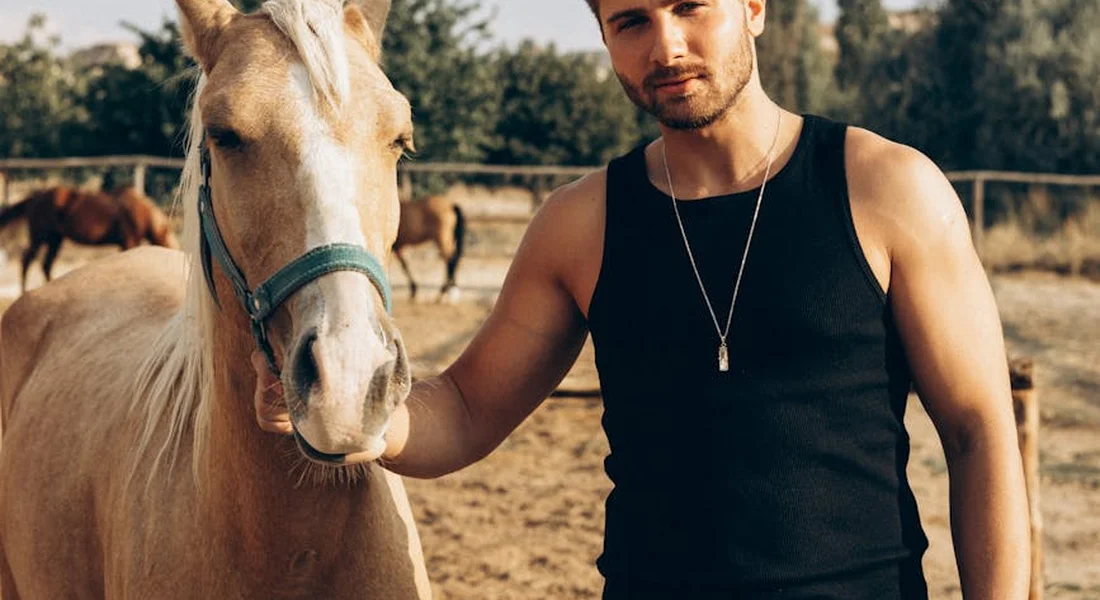
That initial buzz on their skin is where many horses draw the line. The sound is one thing, but the physical vibration is a whole new sensory experience. I learned this with Luna; her first feel of it was a full-body shudder, like a static shock. You must bridge the gap between noise and touch with deliberate, gentle steps.
Start with the clippers running in your own space. Let the horse watch as you place them against your jeans or press the back of the clipper to your palm. They need to see you are unbothered. The thrum should become a familiar background hum, not a sudden invasion.
Follow this progression, and never rush it.
- Rest your hand firmly on the horse’s shoulder, a comforting weight. Then, bring the running clippers to touch the back of your same hand. The horse feels the vibration through your skin first, a buffer.
- Next, press the flat side of the clipper body to your own forearm or thigh, holding it there for a few seconds. Let the horse observe this calmly. Talk about the weather or their dinner-keep your voice casual.
- Only when the horse is relaxed, transfer that vibration to them. Choose a bulky muscle like the neck or shoulder. Use the smooth, cool housing of the clippers, not the blades, for a three-second contact.
- If they flinch or step back, stop instantly. Allow that movement. Forcing a horse to endure a scary sensation shatters trust and turns clippers into a permanent enemy. With Luna, we ended many sessions after just one good, still moment.
- Repeat these micro-sessions over days. Always quit while you’re ahead, ending with a scratch or a piece of hay.
This slow dance respects their autonomy. Rusty stood like a statue for it, but more reactive horses need you to read their eyes and muscles. Your reward for this patience is a horse who stands quietly, not one who is trapped and trembling.
What Are the Steps for Letting the Horse Touch and Explore the Clippers?
Curiosity is your greatest ally. A horse who chooses to investigate is halfway to accepting. Pipin, our Shetland, will inspect anything if he thinks it might hide a cookie. Turn the clippers from a threat into a boring object by letting the horse call the shots.
Keep the clippers completely off and cold for this phase. Your job is to be a passive holder, not a pusher. Have a pocket full of small, yummy treats-molasses cookies or chopped carrots work wonders.
- Hold a treat in your fingers with the silent clippers nearby. Let the horse eat the treat while their muzzle bumps the plastic body. They start linking the object’s sight and smell with a good taste.
- Lay the power cord over your arm or on a rail. Let them sniff and nudge the cord. Its odd texture can be spooky if not introduced.
- Gently touch the cool, blunt blade guard to their lip or neck. If they retreat, just wait. Offer another treat from your palm near the guard to lure them back.
- Slowly slide the whole clipper body along their coat, from neck to withers. Mimic the clipping motion without any noise or vibration.
- Keep sessions under five minutes. Positive reinforcement means rewarding the *choice* to interact, which builds lasting confidence. Pipin went from snorting at the cord to following the clippers around for snacks.
This isn’t a race. Some horses need a week of this sniff-and-touch game. That time investment in voluntary exploration saves hours of struggle and fear later when you need a neat clip for summer. The clippers become just another tool in the tack room, no more frightening than a soft brush.
How Do You Begin the Actual Clipping for the First Time?
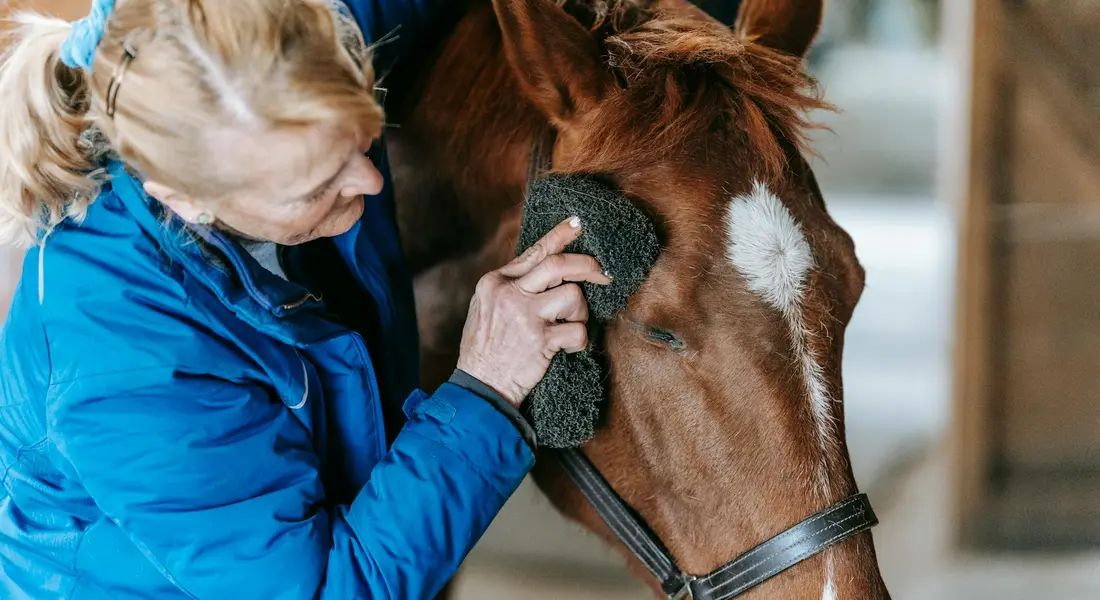
Choose a quiet afternoon when your horse is dozing in the sun or content after a meal. Their mind should be at ease.
The First Touch of the Blade
This is about building a single, positive memory, not achieving a show clip. Follow these steps in order.
- Target the shoulder first. This area is muscle-packed and less nerve-rich than the belly or legs. It’s a high-reward zone because you can easily follow up with a good scratch.
- Apply firm, steady pressure. Hold the clippers flat against the coat. A light, skittering touch feels more like a bug and will make your horse jumpy. Be confident in your contact.
- Move with the hair growth. Glide the clippers in the direction the hair lays. You’ll hear a satisfying rumble and see a neat path appear. Going against the grain pulls and annoys the skin.
- Limit the time severely. Turn the clippers on, make one or two passes on the shoulder, and shut them off-all within 30 seconds. The session ends before curiosity turns to concern.
- Reward without delay. The instant the buzz stops, offer a coveted treat. I keep apple slices in my pocket for this exact moment with Rusty, who now leans in when he sees the clippers.
This micro-session links the strange vibration directly to a paycheck of praise and carrots.
What Should You Do If the Horse Becomes Nervous or Scared?
Backing up is not failure. It’s smart horsemanship. Watch for pinned ears, a raised head, or foot stamping.
Reading the Room and Reacting Right
When tension creeps in, your plan shifts from progress to damage control. Keep these strategies in your back pocket.
- Revert to the previous successful step. If the clipper touch is too much, go back to just holding the silent machine against their shoulder. Re-establish calm at the level they last accepted.
- Quit while you’re ahead, every single time. End the session the moment your horse stands calmly, even if you only managed one second of clipping. This builds a history of good endings.
- Never force the issue with tight restraints. Cross-tying a frightened horse or using a twitch can turn fear into panic and resistance. Your relationship is more important than a clean clip job.
- Recognize the point of no return. If you see white around the eyes, nervous sweating, or consistent evasion after two attempts to backtrack, pack it up for the day. More pressure now means more problems tomorrow.
I learned this the hard way with Luna; one pushy attempt on her flank required a month of rebuilding trust with just the clipper cord.
How Can You Make the First Clipping Session a Positive Foundation?
Your number one goal is not a perfect clip job, but a calm horse who trusts the process. Every session, no matter how small, builds the memory your horse will draw on for the next ten years. I learned this with Luna, whose thoroughbred sensitivity meant we measured progress in seconds, not minutes.
Core Rules for Lasting Success
Follow these principles to build a reliable partner, not just a compliant one.
- Always quit while the horse is calm. The moment they accept the clipper’s noise or touch, stop, reward, and put it away. Ending on a good note is your most powerful tool.
- Be wildly consistent with rewards. A precise timing of a treat or a soothing scratch tells the horse exactly what behavior you wanted. Pipin taught me that a food-motivated mind learns patterns fast-for better or worse.
- Schedule short, frequent sessions. Five positive minutes every other day beats one stressful hour on a Saturday. This prevents overwhelm and allows lessons to solidify.
- Control the environment. Work in a familiar, secure space like their stall or a quiet grooming area. Avoid windy days where loose hair and sounds become unpredictable.
- Let the horse see and smell the clippers while they are off. Hang them on a hook in the stall for a day. Curiosity, not surprise, is your ally.
This gentle approach is a direct investment in equine welfare. Forcing the issue creates a fear response that lingers, turning routine care into an annual battle of wills and stress. A positive foundation respects their intelligence and upholds your commitment to partnership.
What Clipper and Handling Tools Support a Good Introduction?
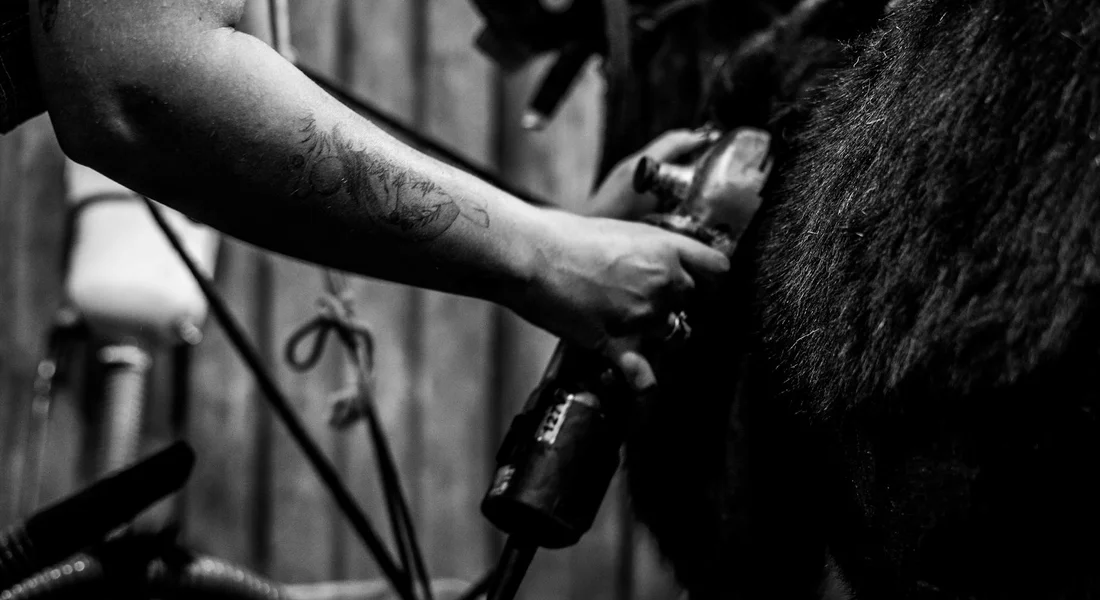
The right gear reduces unknowns. For nervous horses and novice handlers, simplicity and quiet operation win.
Choosing Your Clippers
You don’t need the most powerful professional model. Look for these features:
- Low-Vibration Cordless Clippers: My top pick for introductions. They eliminate the hazard of a dangling cord and often have quieter, brushless motors. The lack of a cord also means you can let the horse move a step without a tangled mess.
- Noise Level: Compare models. A quieter hum is less startling than a high-pitched buzz. Test them in the store-if it makes you flinch, imagine your horse.
- Weight and Balance: A lighter clipper is easier for you to hold steady and less imposing for the horse. Heavy clippers lead to shaky, tired arms.
Essential Desensitizing Tools
Before the clippers even turn on, use these to build acceptance of touch and vibration.
- A Rubber Grooming Mitt or Curry: Use firm, rhythmic circling motions on the neck and shoulder to mimic the pressure and movement of clipping. This gets them used to the feel.
- A Battery-Operated Toothbrush: This is my secret weapon. Its mild buzz is perfect for introducing vibration. Turn it on in your hand, let the horse sniff it, then gently touch it to their cheek, neck, and leg. Reward calm acceptance.
- Blade Care Kit: Sharp, clean blades are non-negotiable. Dull blades pull hair and generate excessive heat. Always check the blade temperature on your inner wrist-if it’s hot to you, it’s burning your horse. Have a blade wash and oil on hand to maintain them during your session.
Beyond the tools themselves, your most important asset is a confident helper. A calm person holding the lead rope, focused on keeping the horse’s head slightly tipped toward you, can prevent a full-body swing away from the clippers. Safety for all means setting the team up for success before the switch is flipped.
FAQ: How Do You Introduce a Horse to Clippers for the First Time?
What should you do if the horse becomes nervous or scared?
Immediately stop clipping and revert to the last step where your horse was calm and comfortable. Avoid using force or tighter restraints, as this can escalate fear into panic and damage trust. End the session on a positive note by offering a reward for any calm behavior, even if you made very little progress. This approach is similar to how you calm a stressed horse in general situations.
How can you make the first clipping session a positive experience?
Prioritize short, successful sessions that always end while the horse is still calm and accepting of the process. Be incredibly consistent with timing your rewards, like treats or praise, to immediately mark the desired behavior. Ensure the environment is familiar and quiet to minimize unpredictable distractions that could cause stress. These principles help you avoid common training mistakes that lead to behavioral issues.
What is the best way to introduce the sound of the clippers?
Begin by letting your horse inspect the clippers while they are completely switched off and cold. Start the introduction from several feet away, turning the clippers on for only a few seconds at a time before switching them off again. Reward any calm reaction, like a simple ear flick, and gradually decrease the distance over multiple sessions as the horse becomes desensitized to the noise. This same technique helps desensitize spooky horses to new objects and unfamiliar sounds. With steady, patient exposure, you can expand calm responses to a variety of stimuli.
Clipper Confidence is a Journey
The process boils down to slow, positive steps: let your horse investigate the quiet, cold clippers, reward calmness with a treat, and gradually work towards touching the body before ever turning them on. Rushing this introduction is the fastest way to create a lifelong fear, so let your horse’s comfort level set the pace for every single session.
Your patience is the most important tool in your tack box. A horse that trusts you to listen when they say they’re worried is a horse that will try for you when you ask for something new.
Further Reading & Sources
- Desensitising the Nervous Horse or Pony to Clipping – Masterclip
- Clipping horses – World Horse Welfare
- Ultimate Horse Clipping Guide – From Trace to Full Body Clip
- Your Guide to Clipping Your Horse
At Horse and Hay, we are passionate about providing expert guidance on all aspects of horse care, from nutrition to wellness. Our team of equine specialists and veterinarians offer trusted advice on the best foods, supplements, and practices to keep your horse healthy and thriving. Whether you're a seasoned rider or new to equine care, we provide valuable insights into feeding, grooming, and overall well-being to ensure your horse lives its happiest, healthiest life.
Basic Grooming Techniques