
Why Do Horses Eat Dirt and Bark? Understanding Normal Behavior vs. Health Alarms
Hello fellow barn folk. You’re watching your horse deliberately take a mouthful of soil or strip a tree branch, and that knot of worry tightens in your stomach. Is he sick? Is my pasture deficient? What on earth is going on?
I’ve been there, standing in the paddock with that same puzzled frown, watching my reliable gelding Rusty nose at a particular patch of earth. That moment of concern is your good horsemanship kicking in.
This article will walk you through the muddy truth. We’ll look at the common, harmless reasons for this behavior and, more critically, the red flags that demand your attention. You’ll learn the key differences between natural geophagia and a sign of trouble, how to assess your horse’s overall health and diet, practical management shifts to discourage harmful chewing, and the specific signs that mean it’s time to call your vet.
My years of daily barn management and training, from soothing sensitive thoroughbreds like Luna to outsmarting clever ponies like Pipin, have given me a grounded perspective on these quirky behaviors.
Geophagia and Pica: Understanding the Basics
Spotting your horse with a mouthful of dirt or a chunk of tree bark can stop you in your tracks. I’ve seen it all in my years at the barn-from Pipin meticulously peeling bark like it’s his job to Luna sampling soil after a drizzle. Geophagia is the formal term for eating earth, while pica describes craving non-food items like wood or sand, and both behaviors can range from normal to noteworthy. It’s not always a problem; sometimes it’s just curiosity or a natural drive for minerals.
Think of it like a toddler tasting everything-horses explore their world with their mouths. Wild horses routinely consume small amounts of soil, which acts as a mineral supplement and a digestive aid for their grassy diet. This raises the broader question: are essential components of a healthy horse diet being met in routine care? Balancing forage, minerals, and supplements is a cornerstone of that health. The key is watching for changes. I recall Rusty always targeting a specific clay patch near the oak tree, which tipped me off to review his mineral intake each season.
The Drive for Dirt: Unpacking Soil Consumption
When horses eat soil, they’re usually telling us something about their internal needs. Let’s look at the two biggest reasons behind this earthy habit: pica behavior and mineral deficiencies.
Salt and Electrolyte Balance: A Common Culprit
Sweat drains salt and electrolytes from your horse’s body, especially after a tough ride or on a sweltering day. Without enough, they may start licking dirt to find those missing minerals. A plain white salt block, available free-choice in both stall and pasture, is the simplest and most effective fix for electrolyte-driven dirt eating. I keep them everywhere, and I’ve watched Luna, my sweat-prone Thoroughbred, make a beeline for hers after workout.
If your horse is lacking, you might notice:
- Increased chewing on soil, wood, or even stall walls
- A dip in energy or enthusiasm under saddle
- Skin that tents when pinched, signaling mild dehydration
For horses in regular work, a quality electrolyte added to daily feed during hot months or heavy training can stop the dirt craving in its tracks. Always pair electrolytes with ample fresh water to support proper absorption.
Gut Health and Hindgut Fermentation
Your horse’s gut is a bustling fermentation factory, home to microbes that break down hay and grass. Eating soil can introduce new bacteria or help balance acidity when that system is off. The most common trigger for soil or bark chewing is simply not enough roughage moving through the digestive tract. This ties into the broader idea that straw can act as roughage in some equine diets. Understanding roughage basics helps explain why some horses nibble at straw. I solved this for several boarders by ensuring hay was in front of them for most of the day, which cut their dirt mining way down.
Soil might offer gut benefits like:
- Natural antacids to soothe the hindgut
- Trace minerals such as zinc or cobalt missing from harvested hay
- Something to do when stalled or on sparse pasture
Prioritize turnout on good grass; the constant grazing and movement keep gut microbes happy and reduce boredom-driven pica. For horses with limited pasture, a slow-feed hay net mimics natural nibbling and can curb the urge to eat dirt. These practices fit natural foraging enrichment and healthy grazing tips. They also boost mental engagement and gut health.
Bark Chewing: More Than Just Boredom
Fiber Digestion and Foraging Behavior
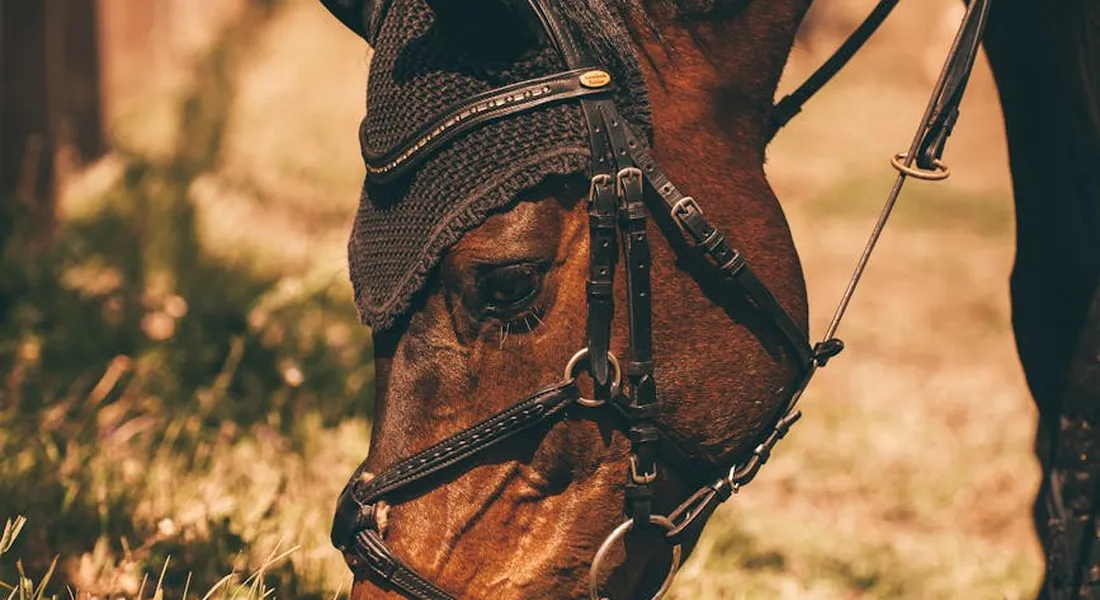
That slow, deliberate crunching on a fence post isn’t always naughtiness. Horses are natural foragers, and bark offers a source of rough, fibrous material. I’ve seen Pipin, our Shetland pony, spend hours working on a willow branch, his jaw moving in a steady rhythm. This behavior taps into an instinct to seek out varied roughage, which aids digestion and gut motility.
Think of bark as a dietary supplement for their microbiome. The lignin and tannins in certain trees can have a mild astringent effect, which some horses intuitively seek. If your horse is suddenly stripping bark, first look at their hay. Bland or limited hay often sends horses searching for more interesting texture and taste.
Boredom and Environmental Enrichment
A bored horse is an inventive horse, and tree bark becomes a readily available toy. Luna, my Thoroughbred, once turned a paddock shade tree into her personal project during a week of stall rest. Chronic bark chewing in a confined space is a loud cry for mental stimulation.
Turnout time is the ultimate solution. It allows for movement, social contact, and natural grazing behaviors that stave off boredom. When weather or space limits turnout, enrich their environment. Try these stable hacks:
- Install a secure salt lick or mineral block at chewing height.
- Rotate different types of hay, like a mix of grass and oat hay, for sensory variety.
- Hang a sturdy, food-dispensing toy that rewards investigation without destruction.
Providing choices and challenges reduces stress and redirects that chewing urge to safer outlets.
Recognizing Risks: From Sand Colic to Tooth Damage
Sand Ingestion and Digestive Health
Eating dirt, especially in sandy areas, is a fast track to sand colic. Those tiny particles settle in the colon, creating a heavy, abrasive mass. I remember the dread of hearing sand in Rusty’s manure-a gritty, grating sound during a routine pick-out. Regular ingestion of even small amounts of soil can silently accumulate to dangerous levels.
Prevention is straightforward. Feed hay in elevated racks or on thick rubber mats, never directly on bare ground. In sandy paddocks, consider a monthly psyllium husk regimen. Feeding a scoop of wet psyllium for one week each month helps gently sweep sand through the digestive tract.
When to Call the Vet
Normal curiosity becomes a problem with specific warning signs. Don’t hesitate to pick up the phone if you notice any of these issues.
- Behavioral shifts: A normally calm horse becomes obsessive about eating dirt or wood.
- Physical symptoms: Recurrent mild colic, weight loss, or diarrhea alongside geophagia (dirt-eating).
- Dental clues: Chipped or excessively worn front teeth from gnawing, or new difficulty chewing hay.
Your veterinarian can perform a fecal sand test or a thorough oral exam to rule out pain or nutritional deficiency. I learned this lesson when Pipin’s bark habit masked a need for a dental float. Trust your gut-if the behavior feels excessive, it probably is.
Your Step-by-Step Intervention Strategy
Step 1: Audit the Diet and Supplement Minerals
If your horse is tasting the terra firma, start with their dinner plate. A dirt craving often whispers of a mineral gap in their diet. I learned this with Luna, my sensitive Thoroughbred, whose new interest in soil coincided with a change in hay batch. Your first move is to have your forage analyzed; a simple test can reveal deficits in key elements like copper, zinc, or selenium that drive odd cravings. Don’t just guess-base supplements on hard data from your hay or pasture.
Provide a plain white salt block and a trace mineral block free-choice. Watch which one they lick more; it’s a clue. For a balanced approach, I often use a fortified grain or pellet specifically formulated for my region’s soil deficiencies. Remember, more is not better. Over-supplementing can be as harmful as a deficiency, so let a vet or equine nutritionist guide your choices.
Step 2: Maximize Forage and Foraging Time
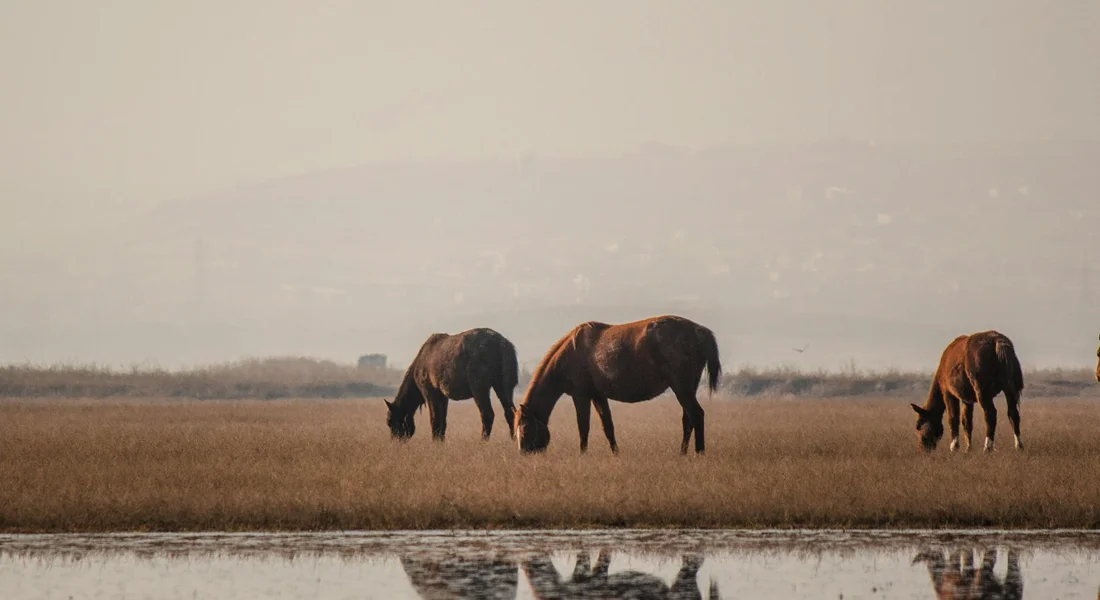
Horses are designed to graze for 16 hours a day. When they’re standing in a stall with empty hours, chewing dirt or bark becomes a pastime. The solution is to keep their gut and brain busy with forage. Aim for your horse to consume at least 1.5% of their body weight in hay or pasture daily, and make it last. I saw Rusty’s paddock sampling drop to zero when I swapped his twice-daily hay piles for a double-netted slow feeder.
Turnout is non-negotiable. Even if your pasture is sparse, the act of searching and moving is therapy. Maximize daily turnout time, even in bad weather; a muddy horse is often a happier, more mentally balanced horse. A healthy exercise turnout schedule helps ensure consistent movement and physical and mental balance for your horse. Pair turnout with a simple, consistent exercise plan to maximize benefits. If you must stall, create a foraging station: scatter hay in multiple piles or use a toy that dispenses grass pellets. Mimic nature’s buffet.
Step 3: Enrich the Environment and Curb Boredom
Boredom is a powerful motivator for chewing. A horse with nothing to do will find something, even if it’s a fence post. Environmental enrichment is your best defense. Introduce safe, horse-proof toys like a jolly ball or a hanging lick toy; rotate them weekly to keep interest fresh. Pipin, our food-motivated pony, stopped his dirt-digging operations when he got a treat ball stuffed with chopped carrots.
Companionship is key. Horses are herd animals. Solo turnout can stress them into repetitive behaviors. Ensure your horse has a friendly equine neighbor for social grooming and mutual entertainment; the difference in their demeanor can be night and day. Understanding how herd dynamics shape behavior helps explain why companionship matters. That’s why a compatible companion or small group is often essential for their welfare. Simple changes, like hanging a scratching pad or placing a few large, smooth rocks in their paddock to investigate, can also redirect that oral curiosity.
Pasture and Paddock Proactive Management
Protecting Trees and Managing Soil
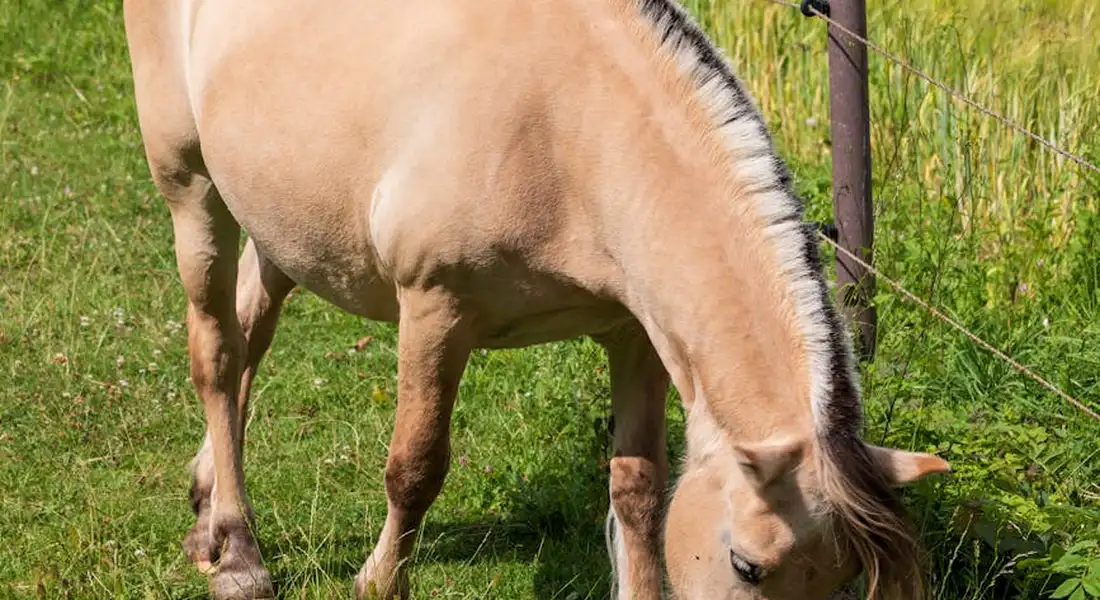
Your management strategy must extend to the landscape itself. To protect trees, wrap trunks with wire mesh or sturdy plastic guards up to the height a horse can reach. Choose tree species carefully; avoid toxic varieties like red maple or black walnut, and consider planting safe, native shrubs in a protected zone for shade and interest. I lost a beautiful willow to Luna’s meticulous bark stripping before I learned to cage young trees to prevent horses from eating them.
For soil management, ensure your paddock isn’t a dumping ground for old ash or contaminated fill. Place mineral licks and salt blocks away from areas where soil eating is prevalent, encouraging them to lick the block, not the dirt. If a particular spot is always dug up, regrade it and consider laying down a gravel base or rubber mats over that area to break the habit.
Monitoring and Ongoing Care
This isn’t a set-and-forget fix. Your eyes are the best tool. Make daily paddock walks part of your routine, listening for the tell-tale crunch of bark and scanning for fresh bite marks or dug holes. Keep a simple log of when and where you see the behavior; patterns tied to weather, feed changes, or herd dynamics will emerge. I tracked Rusty’s dirt eating to the hours just before feeding time, which pointed me straight to a forage shortage.
Engage your care team. Your farrier can note wear on teeth from chewing, and your vet can rule out underlying issues like ulcers or parasites during routine checks. Proactive management means adjusting with the seasons-expect increased boredom in winter and mineral fluctuations in spring grass, and plan your enrichment accordingly. It’s a continuous conversation with your horse, written in the language of the land they’re not eating.
FAQ: Why Do Horses Eat Dirt, Soil, and Tree Bark?
Why do horses eat dirt?
Horses may eat dirt to replenish minerals like salt and electrolytes that are depleted through sweat and activity. This natural behavior, known as geophagia, can also support digestive health by introducing grit and microbes to aid fermentation. However, excessive dirt consumption often signals dietary gaps or environmental factors needing adjustment. As herbivores, horses rely on a specialized digestive system to process fibrous forage. Understanding horse digestion helps explain why this behavior and gut health are closely linked.
Why do horses eat soil?
Soil provides trace minerals such as zinc or cobalt that might be insufficient in harvested forage, addressing nutritional deficiencies. It can act as a buffer to stabilize hindgut acidity and promote a balanced microbiome. In some cases, soil eating arises from boredom or limited access to adequate roughage and grazing.
Why do horses eat tree bark?
Chewing tree bark fulfills a horse’s foraging instinct, supplying fibrous material that enhances gut motility and digestion. Boredom in confined or unenriched spaces frequently drives this behavior as a form of mental stimulation. Bark also offers varied textures and compounds, like tannins, that some horses seek for dietary variety.
Closing Thoughts from the Barn
Seeing your horse nibble dirt can be normal, but watch for changes in frequency or amount. Always consult your vet or nutritionist to rule out deficiencies before making any major changes to feed or management.
Good horsemanship is built on watching and listening to your horse every day. Your patience and attention to their unique habits are what keep them truly healthy and content. Understanding their behavior and psychology is essential for developing this connection.
Further Reading & Sources
- Strange Eating Habits: Pica in Horses – AQHA
- Geophagia Unearthed: Unveiling the Reasons Horses Eat Dirt – Foxden Equine
- Are You Going To Eat That?
- Unusual Eating Behavior – Culprit Could be Salt Deficiency
At Horse and Hay, we are passionate about providing expert guidance on all aspects of horse care, from nutrition to wellness. Our team of equine specialists and veterinarians offer trusted advice on the best foods, supplements, and practices to keep your horse healthy and thriving. Whether you're a seasoned rider or new to equine care, we provide valuable insights into feeding, grooming, and overall well-being to ensure your horse lives its happiest, healthiest life.
Behavior