
Blanketing Blunders: 7 Common Mistakes That Do More Harm Than Good
Hello from the barn aisle. You’ve felt that knot in your stomach when you see a rubbed shoulder or a horse standing damp under a blanket. A simple well-meaning choice can lead to discomfort, skin issues, or a costly colic call.
Let’s fix that. I’m breaking down the seven frequent blunders I’ve corrected over countless winters. We’ll tackle:
- Blanketing by the calendar instead of your horse’s actual needs.
- Using the wrong fabric weight for the real temperature.
- Ignoring fit points that cause painful rubs and restriction.
- Leaving a wet blanket on a dry horse.
- Skipping daily removal for vital grooming and health checks.
- Overlooking wear and tear that turns gear dangerous.
- Applying a one-size-fits-all rule to every age and body type.
My advice comes from a decade of managing barns and learning from clever horses who taught me to read their shivers and sighs.
Blunder #1: The “Close Enough” Fit – Ignoring Proper Sizing and Adjustment
I learned this lesson the hard way with Pipin, my Shetland pony, after a “close enough” blanket left a raw spot on his withers. A blanket that doesn’t fit is like a pair of jeans that are too tight in the thighs but baggy at the waist-it’s uncomfortable all day and causes real damage. Proper fit is not about aesthetics; it’s about preventing painful rubs, restricted movement, and dangerous entanglement. That saggy blanket can twist in the wind, while a tight one acts like a straitjacket on their shoulders.
Start with a correct measurement. Using a soft tape, measure in a straight line from the center of the chest, along the side, to the point of the buttock (where the tail begins). Don’t follow the curve of the belly. Once the blanket is on, run through this quick three-point check:
- Shoulder Freedom: Have your horse take a few steps forward. The blanket should glide smoothly over the shoulders without pulling or bunching. If it binds, it’s too small or poorly designed.
- Wither Clearance: Slide your hand flat over the withers. You should have clear space-about the height of your hand-between the horse’s bone and the blanket’s lining. No pressure means no sores.
- Leg Strap Length: Leg straps should be adjusted to hang loosely, allowing a full hand’s width of slack. They should cross and attach on the same side, never hanging so low they risk a hoof catching during a roll.
Blunder #2: The Overzealous Owner – Causing Overheating and Stress
We mean well, but piling on layers “just in case” is a fast track to a sweaty, miserable horse. I once over-blanketed Luna on a cool, sunny day and found her standing lethargic in her stall with a damp, steaming coat. Horses regulate their temperature far better than we give them credit for, and overheating is a more common and risky stressor than mild chill. A stressed, hot horse is at risk of dehydration, lethargy, and even colic.
Learn to read your horse’s signals. Signs of overheating include a damp coat under the blanket, lethargic behavior, fast or heavy breathing, and a general “off” look. In contrast, a cold horse will often shiver, hunch its back, tuck its tail tightly, and seek shelter. A foolproof check is to feel the base of their ears; it should be warm, not hot or cold to the touch. Knowing your horse’s normal temperature, heart rate, and other vital signs helps you spot changes early. These basics set you up for safer, more responsive care.
Create a simple routine to avoid temperature swings. Here’s how I manage it for my herd:
- Check the weather, not just the air temperature. Factor in wind, wetness, and whether the sun is out.
- Feel your horse’s chest and neck under the blanket midday. If it’s sweaty, remove a layer.
- Prioritize turnout with shelter so they can move and self-regulate. Movement generates warmth.
- When in doubt, opt for a lighter blanket. You can always add a sheet later, but reversing sweat is harder.
Blunder #3: The Set-and-Forget Mindset – Failing to Monitor and Adjust
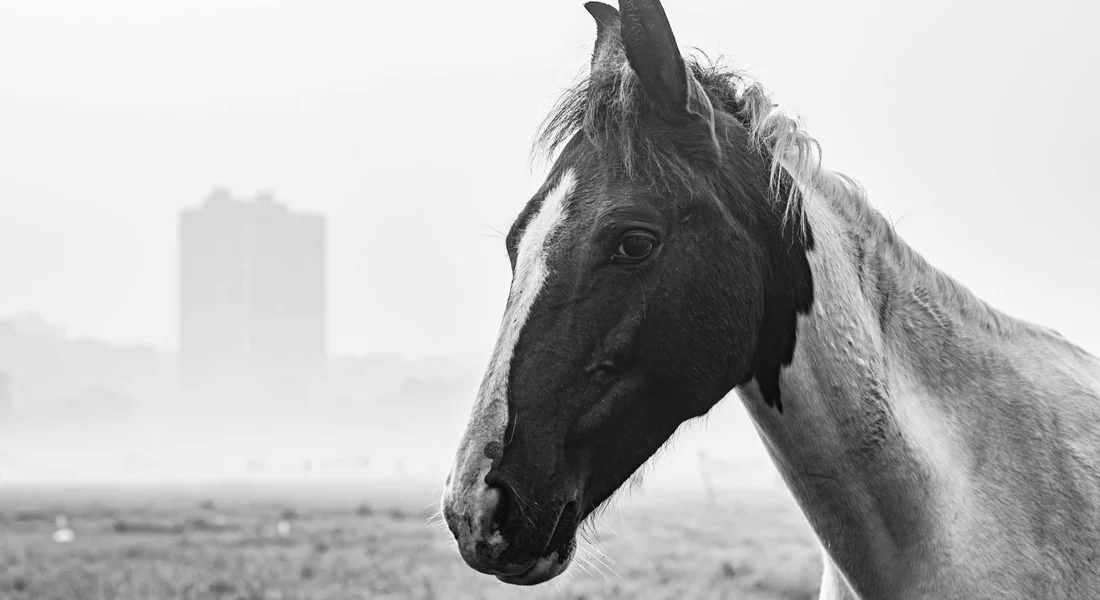
I once made this mistake with my sensitive Thoroughbred, Luna. I put on her nice, clean blanket on a Monday and didn’t do a proper check until Wednesday. The smell of damp hair hit me first, and my heart sank. Putting a blanket on your horse is the start of your job, not the end of it.
Horses are living thermostats. Their needs shift daily with activity, weight, and weather whims. A blanket that fit perfectly last week might rub this week. Your most important blanketing tool is your own two hands, sliding under that fabric every single day. Timing is everything when blanketing.
Here is my non-negotiable, two-minute daily check. I do this before I even feed:
- Slide your hand under the blanket at the withers and shoulder, feeling for any moisture or unexpected warmth.
- Press along the back and loin; the coat should feel dry and fluffy, not matted or clammy.
- Check the chest, girth, and hip points for any telltale signs of rubbing or loose hair.
- Look at your horse’s side. Does the blanket hang evenly, or is it pulling? A change in fit can signal weight loss or gain.
This hands-on check is crucial, but it’s only half the battle. You must take the blanket off regularly for grooming to see what your hands might have missed. I use this time with old Rusty to curry his broad back and inspect his skin for any pink spots or irritation. It’s a peaceful ritual that safeguards his comfort.
That daily feel tells you everything. A cool, dry coat means you’ve nailed it. Any dampness means the blanket is too heavy for the day’s activities. Finding and fixing a sweaty back under a blanket is the fastest way to prevent a chilled, miserable horse.
Blunder #4: The Wrong Tool for the Job – Misjudging Weather and Blanket Type
Throwing a stable blanket on a horse in a pasture during a rainstorm is like wearing a wool sweater in a pool. It’s counterproductive and uncomfortable. Blankets are specialized tools, and using the wrong one defeats their entire purpose.
Let’s clear up the three main categories in your blanket arsenal:
- Waterproof Turnout: This is the horse’s outdoor armor. It’s made of rugged, breathable nylon with taped seams to block wind and rain. This is what they wear in the field in nasty weather.
- Stable Blanket or Sheet: Designed for indoor use. It’s usually softer, less durable, and not waterproof. It’s for keeping a stalled horse clean and taking the edge off a drafty barn.
- Liner or Cooler: A thin, absorbent layer. Use it under another blanket for extra warmth, or alone after a workout to wick sweat away slowly.
The magic word is breathability. A plastic sheet from the hardware store will trap every ounce of sweat. A good blanket allows moisture vapor from the horse’s body to escape, so they stay dry from the inside out. When a blanket gets wet, quick drying and thoughtful waterproofing matter for safety and comfort. For practical tips on drying a wet horse and waterproofing blankets, proper techniques are key.
Matching the blanket to the forecast is simpler with a basic guide. Think of it as dressing your horse for the day’s agenda.
| Weather Scenario | Best Blanket Choice | Pro Tip |
|---|---|---|
| Cold, soaking rain or wet snow | Medium or Heavyweight Waterproof Turnout | Ensure it has a deep tail flap to prevent a wet, chilly rear end. |
| Dry, windy day below freezing | Heavyweight Stable Blanket or Turnout | Watch for frost on the outer fibers; that’s breathability in action. |
| Chilly drizzle (40-55°F / 4-13°C) | Lightweight Waterproof Turnout Sheet | This is often all a hardy horse like Rusty needs. He hates a soggy back. |
| Cool, dry night in the stable | Light or Medium Stable Blanket | Perfect for a clipped horse or a thin-coated breed like Luna. |
| Unexpected temperature spike after a cold night | No Blanket, or just a liner | Strip it off! A hot horse in a heavy blanket is in real distress. |
I layer for my cheeky pony, Pipin, by using a lightweight turnout over a fleece liner on bitter days. His small body loses heat fast. The goal is to complement your horse’s natural coat, not fight against it with the wrong fabric. Watch them in the field. If they’re standing hunched and miserable, you need a different tool. If they’re calm and grazing, you’ve probably got it right.
Blunder #5: The Dirty Secret – Neglecting Blanket Hygiene and Storage
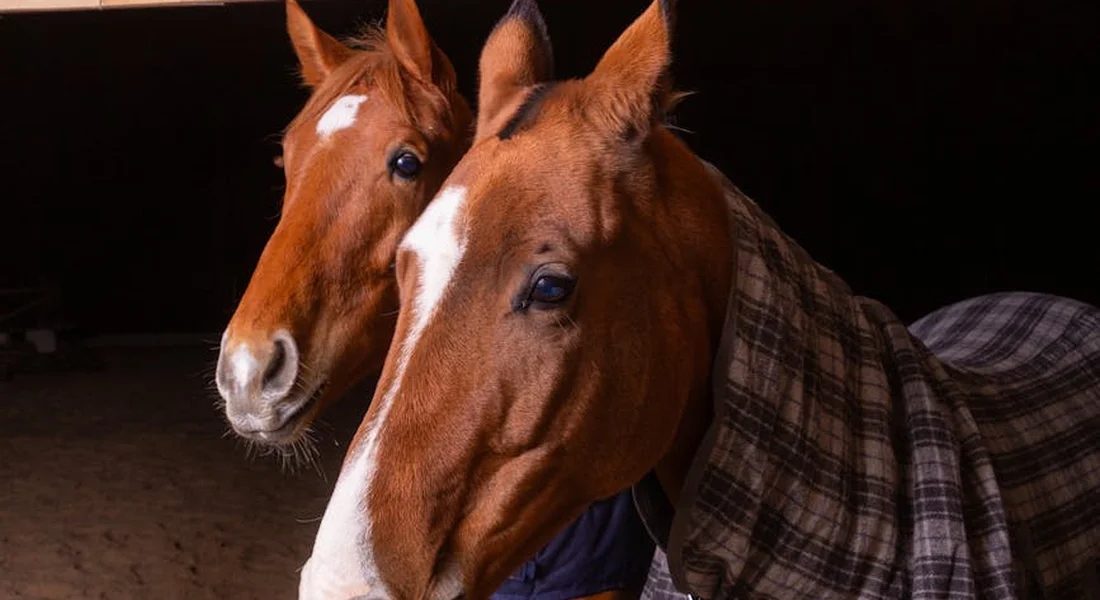
Think of a dirty blanket as a wet, gritty sweater you’re forced to wear for months. I once put a slightly muddy turnout on Luna, and within a week, she had a patch of angry, flaky skin that took ages to soothe. A soiled blanket isn’t just smelly; it’s a sandpaper-like irritant that grinds dirt into the coat and traps moisture against the skin. This creates the perfect, damp environment for fungal infections like rain rot and can cause the waterproof coatings and fabric fibers to break down prematurely.
Your cleaning ritual should be as regular as picking hooves. Start by giving the blanket a vigorous shake and a thorough brushing with a stiff curry comb or dedicated brush to knock off dried mud and hair. This simple step removes the abrasive particles that do most of the damage to both your horse and the blanket’s technical layers. For a deep clean, check the label, but most modern synthetics can handle a gentle machine cycle. To keep blankets in top condition, do clean wash horse blankets properly by following the care label and using the gentle cycle. This helps preserve the fabric, waterproofing, and overall integrity over time.
- Use a mild, horse-safe detergent and absolutely no fabric softener, which clogs waterproof membranes.
- Wash on cold with an extra rinse cycle to ensure all soap is out.
- Hang to air dry completely, away from direct sunlight or heat sources which can brittleize the material.
When spring finally rolls around, don’t just toss that clean blanket into a dank corner of the tack room. How you store it dictates its lifespan. Mold and mice see a poorly stored blanket as a five-star hotel, and you’ll be funding their stay with a ruined investment. Follow this quick checklist before you tuck it away for the season.
- Wash and dry the blanket completely-no shortcuts.
- Make all repairs now, so it’s ready when the first chill hits.
- Fold it loosely and place it in a breathable cotton storage bag or an old pillowcase.
- Store it in a cool, dry place off the floor; a high shelf is ideal.
- Tuck in a few cedar blocks or lavender sachets to deter pests naturally.
Blunder #6: The Strap Snafu – Incorrect Surcingle and Leg Strap Use
Straps are the safety system for the entire blanket, and getting them wrong is an invitation for trouble. I watched Pipin, our clever pony, somehow get a hind leg through a dangling leg strap during his afternoon roll-it was a tangled mess that could have ended badly. Incorrect strapping doesn’t just lead to a lost blanket; it creates real physical hazards for a moving, rolling, or resting horse. The goal is secure but comfortable, with enough room for full movement without any dangling loops.
Let’s start with the surcingles, the belly straps. Fasten them so you can comfortably slide your flattened hand sideways between the strap and your horse’s belly. That hand’s width of space is the golden rule; it prevents painful rubbing but keeps the blanket from shifting wildly during play. Always cross the surcingles if your blanket has two, as this provides a more balanced hold. Check this fit every single time you blanket, as a horse’s shape can change with exercise and grazing.
Leg straps are next. They should never hang loose or be fastened straight up and down. Unbuckle them, cross them between the hind legs, and attach each strap to the D-ring on the same side. When crossed, they form a gentle cradle that moves with the horse and drastically reduces the chance of a leg getting caught. You should be able to fit two to three fingers between the strap and the inside of the thigh. Listen for the soft click of the buckle, not the sharp pull of over-tightening.
- Hazard: Loose straps can easily be stepped through, leading to panic, injury, or a torn blanket.
- Hazard: Straps fastened too tight will gall the skin, causing hair loss and painful sores, especially in sensitive areas like the groin.
- Hazard: Uncrossed leg straps can twist and rub raw spots on the inner thighs with every stride.
Blunder #7: The Blind Timeline – Leaving Blankets On Too Long or Not Long Enough
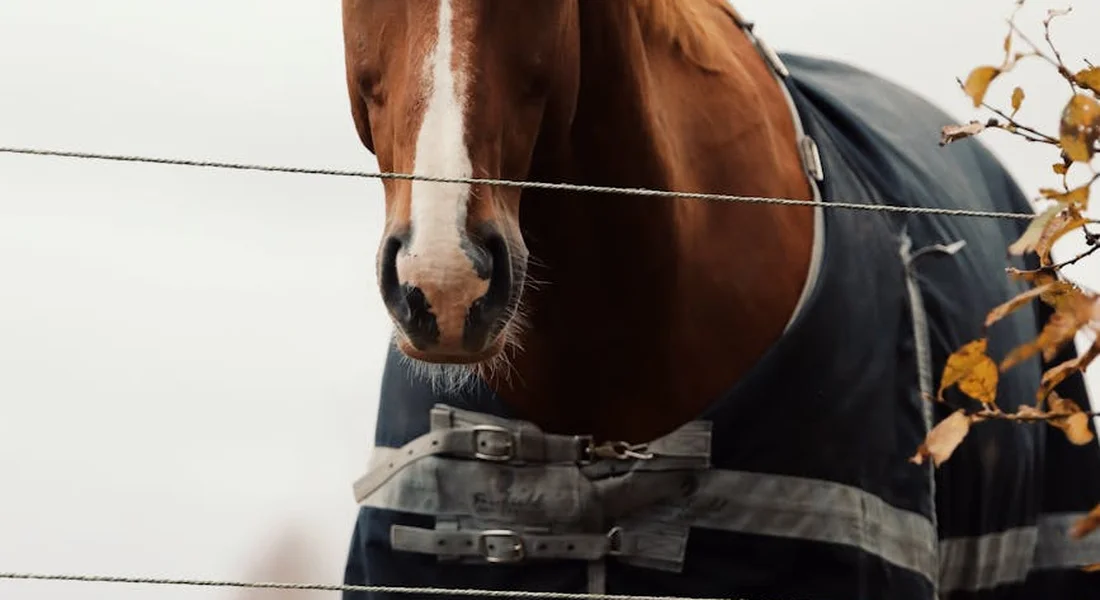
I’ve watched well-meaning owners blanket by the date on their phone, not the horse in front of them. Your calendar is a terrible barn manager; it doesn’t know if your horse is shivering or sweating under there. Timing is everything, and getting it wrong can turn a tool into a torment.
Forget the “blanket on by November 1st” rule. Your decision must rest on three pillars: the horse, the weather, and the horse’s lifestyle. A fuzzy, healthy Pipin living out 24/7 needs a blanket far later than a body-clipped, senior Rusty who struggles to hold weight. A horse’s natural winter coat is its first and best blanket; we only supplement what nature provides.
Practical Cues: Reading the Horse & Sky
Watch, don’t just assume. Walk to the pasture in the morning and look for these signs:
- The Shiver: A brief shiver when first going out is normal. Consistent, full-body trembling is a clear “I’m cold” signal.
- Ears & Demeanor: A cold horse often stands hunched, with ears held back and a general look of misery. They may be reluctant to move.
- The Coat Check: Feel under the blanket at the withers and shoulder. Is it damp with sweat? That’s an urgent “remove me” sign. Is the hair completely flattened and cold to the touch? They might need a heavier fill.
For weather, the overnight low is your key number, but the daytime high matters just as much. A crisp 25°F night followed by a sunny 50°F day is a blanketing nightmare if you don’t adjust. That medium-weight blanket perfect at dawn becomes a sweltering sauna by noon.
The Gradual Goodbye (and Hello)
Horses acclimate to temperature changes. Suddenly slapping a heavy blanket on a fuzzy horse in early fall shocks their system and can cause them to overheat. Instead, start light.
- Begin with a lightweight, waterproof sheet on chilly, wet nights when temperatures dip below what the horse is used to.
- As consistent colder weather sets in, move up to your medium or heavy weights. Always check for sweat midday.
- In spring, reverse the process. Strip blankets during warm days, but don’t banish them to the tack room just yet. A surprise spring frost can catch a horse with a freshly shed winter coat completely off guard.
I learned this with Luna, my sensitive Thoroughbred. One brisk autumn morning I blanketed her heavily. By afternoon, she was pacing and damp. I was managing my own worry about her being cold, not her actual comfort. Now, I’d rather let her be a little cool and add a layer than cook her in one she can’t remove.
Your best tools are your hands and your eyes. Feel the skin, watch the behavior, and respect the individual. A blanket is a temporary guest, not a permanent resident on your horse’s back. Put it on when needed, take it off when not, and you’ll avoid the greatest blunder of all: letting your good intentions get in the way of your horse’s well-being.
FAQ: Blanketing Blunders: 7 Common Mistakes That Do More Harm Than Good
How can I avoid over-blanketing my horse?
Avoid over-blanketing by focusing on your horse’s actual condition and behavior, not just the air temperature. Make a daily practice of feeling your horse’s skin under the blanket at the withers and chest to check for sweat or excessive warmth. Use the lightest appropriate layer and provide access to shelter so your horse can move and regulate its own temperature.
What are the signs of a poorly fitting blanket?
Visible signs include hair loss, rubbed raw spots, or bald patches on the shoulders, withers, or hips. The blanket may shift noticeably during movement or appear crooked, and your horse’s gait might seem stiff or restricted. You should also be able to fit a full hand’s width between the blanket’s lining and your horse’s withers for proper clearance. These signs, especially if they recur despite adjustments, are signs your horse blanket needs replacing. If that’s the case, it may be time to consider a replacement to ensure proper fit, comfort, and protection for your horse.
How do I properly clean and store blankets?
Always brush off all dried mud and hair before washing to prevent damage to the fabric’s technical layers. Machine wash with a mild, horse-safe detergent and hang to air dry completely, avoiding direct heat or sunlight. Store fully clean, dry, and repaired blankets in a breathable bag in a cool, dry place to prevent mold, mildew, and pest damage.
Your Horse’s Comfort Comes First
The best blanket is often the one left in the tack room on a mild day, and the right fit is everything to avoid rubs and restriction. Prioritizing turnout for natural coat health and using layers wisely for the weather in front of you will always beat a rigid calendar-based schedule.
Good horsemanship is about observation, not just obligation. Trust your horse’s signals over the thermometer, and you’ll build a partnership grounded in comfort and common sense.
Further Reading & Sources
- 10 Most Common Mistakes in Life (and How to Overcome Them)
- 27 Tiny Everyday Mistakes You’re Probably Making But Don’t Know It – Best Life
- 10 Common Health Mistakes You Didn’t Know You Were Making
- Mistakes Even Healthy People Make
At Horse and Hay, we are passionate about providing expert guidance on all aspects of horse care, from nutrition to wellness. Our team of equine specialists and veterinarians offer trusted advice on the best foods, supplements, and practices to keep your horse healthy and thriving. Whether you're a seasoned rider or new to equine care, we provide valuable insights into feeding, grooming, and overall well-being to ensure your horse lives its happiest, healthiest life.
Equipment