
Horse Blanket Myths: 10 Misconceptions That Can Make Your Horse Sick
Hello fellow horse owners. That first real chill in the air sends many of us straight to the tack room, sorting through piles of nylon and fleece. But what if our good intentions are setting the stage for a sick horse? A poorly chosen or managed blanket can cause stress, skin issues, and even dangerous chills.
After decades in the barn, I’ve seen every well-meaning mistake. I’ve peeled a soaked, heavy blanket off a shivering Luna and wrestled a twisted rug back onto a wiggling Pip. Let’s clear the air and get your horse comfortable and safe.
In this guide, we’ll bust the most persistent myths, including: the idea that a heavier blanket is always warmer, the dangerous belief that a blanket stops all winter weight loss, and the common mistake of putting a blanket on a wet or dirty horse. We’ll also tackle fit, when to blanket, and why sometimes the best blanket is no blanket at all.
My advice comes from cold mornings spent adjusting straps and years of learning that horse comfort always trumps human convenience.
The Warmth Trap: Can Blankets Actually Make Your Horse Too Hot?
Yes, a blanket can cook your horse like an oven if you’re not careful. Think of a horse rug not as a heater, but as a thermostat; a poorly chosen one traps heat and moisture, leading to sweat-drenched hair and a dangerously chilled animal when temperatures drop. I’ve walked into the barn on a mild winter day to find Luna steaming under her heavy turnout, a clear sign I’d misjudged the weather.
Horses regulate their temperature through their coat, and a blanket disrupts that natural system. Overheating stresses their body and can lead to dehydration or colic. Always feel under the blanket at the withers and shoulders; if it’s warm and damp, your horse is too hot. Rusty, my steady Quarter Horse, will start pacing his stall when he’s overheated, a sure behavioral red flag. To keep cool and safe in hot weather, provide shade and good airflow. Make sure he has constant access to fresh water.
Watch for these physical signs of blanket-induced discomfort:
- Restlessness or excessive stall-walking
- Damp, matted hair, especially along the neck and back
- Rapid breathing or flared nostrils at rest
- A hot chest or behind the ears
The key to comfort is the layer principle, just like your own outdoor clothing. Using a breathable liner under a waterproof turnout allows you to add or remove insulation without changing the entire rug, giving you precise control over your horse’s microclimate. Breathability means moisture vapor from sweat can escape, while waterproofing keeps rain from getting in.
Choosing the right weight is a skill honed by watching the weather and your horse. Here’s my barn-tested guide:
- Lightweight Turnout (0-100g fill): For wind, light rain, or cool nights above freezing. Perfect for early spring or fall, or a horse with a full coat. Pipin wears one to break the wind but still forage freely.
- Medium-Weight Turnout (150-250g fill): Your workhorse for cold, dry winter days or a lightly clipped horse. This is Rusty’s go-to for most winter turnout.
- Heavy-Weight Turnout (300g+ fill): Only for severe, wet cold, clipped horses, or seniors who struggle to hold weight. Never use a heavyweight on a fuzzy, unclipped horse in mild weather; you are asking for a sweaty, miserable partner.
Waterproof or Waterlogged? The Truth About Moisture Management
Assume no blanket is waterproof until proven otherwise. A water-resistant rug will soak through in a sustained downpour, creating a soggy, non-breathable shell that smothers your horse’s skin and invites rain rot. This nasty skin infection thrives in damp, warm conditions and turns a healthy coat into a patchwork of scabs.
Test your rug’s waterproof claim with a garden hose on a small section. True waterproofing makes water bead and roll away instantly. If water darkens the fabric or soaks in, the durable water repellent (DWR) coating is gone and needs reproofing before the next storm. A moldy blanket stored damp in the tack room smells like failure and can cause skin sores.
Blanket hygiene is non-negotiable for preventing itching and infection. Follow these steps every season:
- Brush your horse thoroughly before blanketing to prevent dirt from acting like sandpaper against their skin.
- Wash turnout rugs with a technical cleaner designed for waterproof fabrics; household detergents can strip the DWR coating.
- Dry blankets completely in the sun or a well-ventilated area before storage-never fold a damp rug into a bin.
- Inspect and repair torn seams or rips promptly; a small tear lets in a torrent of water.
Modern materials make moisture management easier. Look for blankets with a hydrophilic lining that actively wicks sweat away from the horse’s body, moving it to the outer shell to evaporate. Safe handling of a wet horse means prompt drying and a proper fit to prevent rubbing. Waterproofing tips can help extend rug life and keep the horse dry. Features like taped seams, tail flaps, and adjustable neck covers prevent water from channeling inside. Investing in a quality, breathable waterproof rug is cheaper than treating a case of rain rot.
One Rug Fits All Seasons? Why Seasonal Blanketing Matters
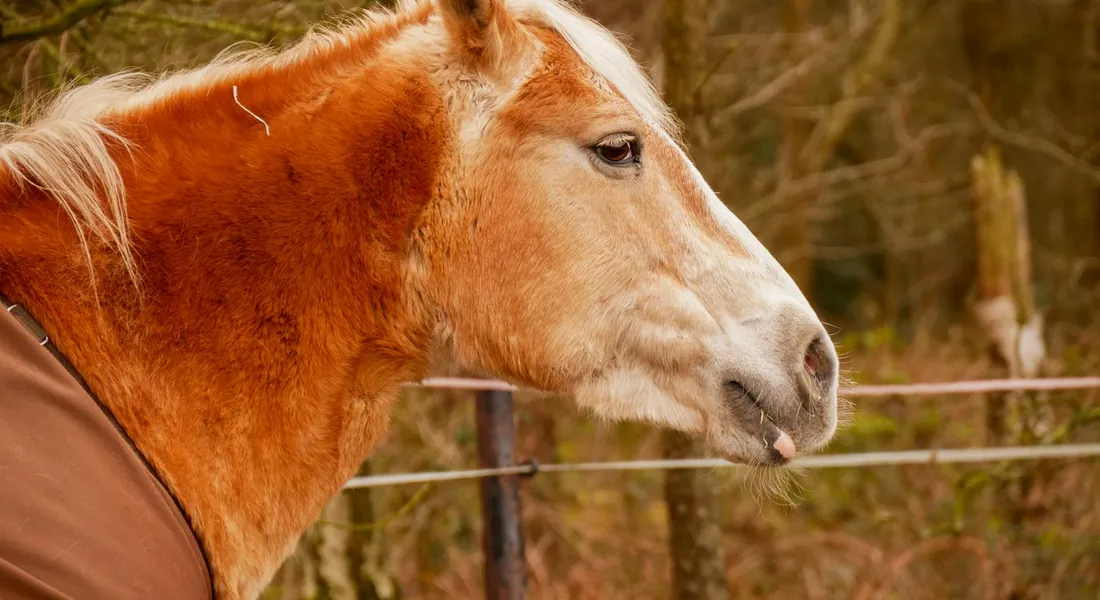
I’ve seen well-meaning owners throw the same heavy canvas sheet on their horse in October and again in April. This is like you wearing your winter parka on a drizzly, 50-degree spring day. Using one blanket year-round ignores the dramatic shifts in temperature, humidity, and your horse’s own metabolic furnace. Barns can be drafty iceboxes in winter and humid saunas during spring rains, demanding different types of protection.
Your blanket arsenal should be as varied as your own closet. Here’s a simple guide to rug weights:
- Summer/Sheet (0-100g): A lightweight, breathable layer for rain, bugs, or keeping a show coat clean. It’s a shield, not insulation.
- Spring/Fall (100-250g): Your versatile middle-weight for chilly nights, windy days, and wet spring weather. This is my most-reached-for weight during muddy transition seasons.
- Winter (300g+): Heavy insulation for sustained freezing temperatures, wind, and sleet. Reserved for the deepest cold or for horses with no winter coat.
Transitioning between these weights is a dance, not a light switch flip. Start by adding a liner under a lighter blanket before moving to the heavy artillery, and always feel your horse’s shoulders and chest under the blanket to gauge comfort. A damp horse under a heavy rug is a recipe for a chill.
Breathability is your best friend for variable conditions. A good blanket wicks moisture away from the coat while blocking wind and rain. I learned this the hard way with a non-breathable turnout that left Luna’s sleek grey coat damp with sweat on a surprisingly warm winter afternoon.
Is Blanketing Necessary for Every Horse? Individual Needs Unveiled
The biggest myth? That blanketing is a mandatory act of care. It isn’t. For many horses, a well-grown natural coat is a superior, self-regulating heating and cooling system that no human-made rug can truly match. Over-blanketing smothers this ability and can cause overheating, sweat-soaked coats, and skin funk.
Consider these factors before you even reach for a blanket: the thickness of their coat, their age, their overall health and body condition, and the amount of time they spend moving around outdoors.
Some horses might not need blankets at all. Think of the hardy, fuzzy Shetland like Pippin, the fat-and-happy pasture pet with a shelter, or the robust draft cross with a Viking’s mane. These horses are often better served by free access to a windbreak and extra hay, which generates internal heat through digestion.
Here’s your decision-making checklist. Does your horse:
- Have a naturally thin coat or is he body-clipped?
- Shiver consistently when wet or in the wind?
- Elderly, ill, or underweight, struggling to maintain condition?
- Live in a climate with driving, icy rain that soaks to the skin?
- Lack access to a good shelter or natural windbreak?
If you answered “no” to most, your horse might be thanking you for leaving that blanket in the tack room. Advocating for equine welfare sometimes means doing less, trusting the horse’s own design, and simply providing the right environment for it to work. My old trail buddy Rusty, with his sorrel coat fluffed up, would always rather have an extra flake of hay than a sheet, and his robust health proves it.
Out of Sight, Out of Mind? The Critical Role of Regular Blanket Checks
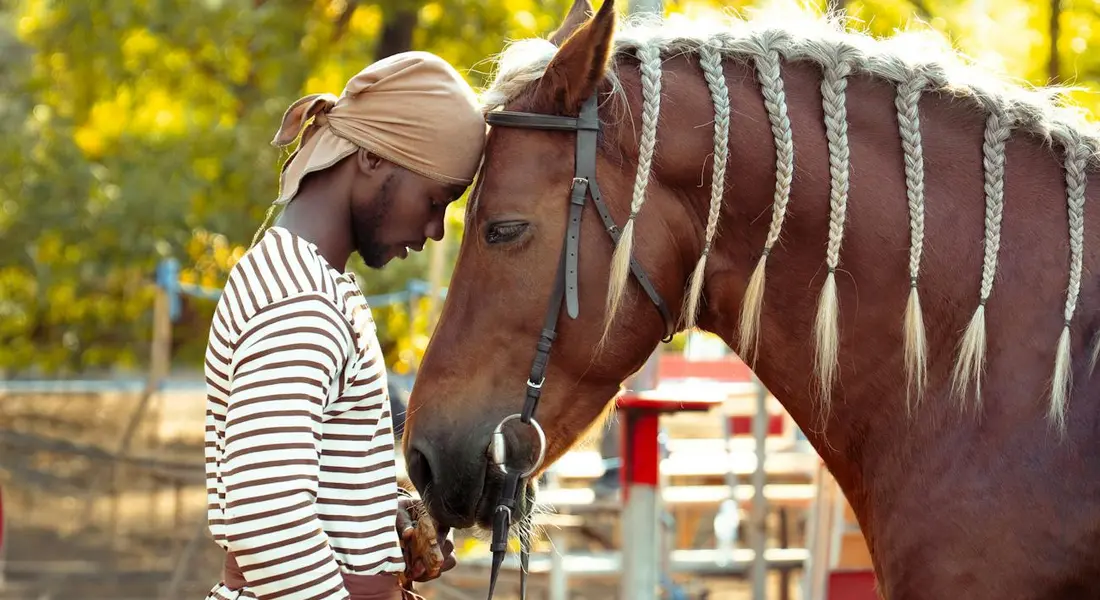
One of the biggest mistakes I see in the barn is the “set it and forget it” approach to blanketing. Slapping a rug on your horse in November and not giving it a second thought until spring is a direct ticket to skin problems, rubs, and a miserable animal. That blanket is in constant contact with their skin and coat, and conditions change daily-so your inspection routine should too.
I make it a habit to run my hands under every blanket during morning feeds, feeling for damp spots, lumps, or shifts in fit. This daily two-minute check is your best defense against hidden issues that escalate quickly, especially with sensitive souls like my Thoroughbred, Luna, who will tell you about a tiny seam rub with dramatic flair. The quiet thud of hooves on the stall floor is often my cue to look up and start my rounds.
Your Daily Blanket Inspection Checklist
Don’t just glance-get hands-on. Follow this order every day:
- Check for Rubbing or Chafing: Run your fingers along the edges of the blanket, especially at the shoulders, withers, and chest. Feel for any rough seams, stiff patches, or heat. A hidden burr or broken strap can start a sore in hours.
- Look for Hair Loss or Skin Changes: Lift the blanket at the front and sides. Look for patches of missing hair, red skin, or scabs. White hairs or bald spots are late-stage warnings that the blanket has been damaging the skin for a while.
- Verify the Fit Hasn’t Shifted: The rug should sit smoothly without pulling at the shoulders or hanging past the tail. A too-tight blanket restricts movement, while a too-loose one slides and causes rubs.
- Test All Fastenings: Ensure leg straps are crossed properly (not hanging loose), belly surcingles are snug but not tight, and chest buckles are secure. Listen for the healthy click of a buckle, not the strained creak of leather or nylon under stress.
Beyond the daily check, a maintenance schedule is non-negotiable. I wash my turnout blankets twice a season and stable sheets every month to break down sweat, dirt, and oils that degrade fabric and irritate skin. Repair torn straps or rips immediately-duct tape is a barn hack, not a permanent fix. A stitch in time saves nine, and in Rusty’s case, it once saved his favorite blanket from becoming a complete write-off after a playful roll in the paddock.
Personal experience drives this home. Just last winter, Pipin, our Shetland escape artist, was unusually quiet. A thorough check under his blanket revealed a single, tight leg strap that had twisted and was biting into his thigh-a problem I’d have missed with a casual glance. That moment cemented my rule: trust your hands more than your eyes.
Clean Coat or Hidden Danger? Using Blankets for Hygiene
Many believe a blanket keeps a horse cleaner, but this is a dangerous half-truth. A blanket simply traps dirt, sweat, and moisture against the skin, creating a perfect, warm environment for bacteria and fungal growth like rain rot. That fresh-from-the-dryer smell fades fast, replaced by the stench of damp wool or polyester if not managed.
Proper cleaning is about health, not aesthetics. Never use harsh household detergents on horse blankets; they can strip waterproofing and leave residues that cause allergic reactions. Use equine-specific wash products and always rinse thoroughly. Hang blankets to dry completely in the sun-UV light is a great natural disinfectant-before storing them in a dry, rodent-free place.
Signs Your Blanket is Making Your Horse Sick
Watch for these red flags during your daily grooming:
- Circular patches of hair loss with crusty skin underneath (classic rain rot).
- Small, pimple-like bumps or weeping sores, often along the back or shoulders.
- A persistent, musty odor coming from the coat, even after brushing.
- Excessive itching or rubbing against fences post-blanket removal.
Finding a patch of missing hair on your horse’s withers isn’t just a cosmetic issue; it’s a sign of persistent friction and pressure that needs immediate address. Luna’s dapple grey coat once showed the faintest pink tinge under her shoulders, a precursor to a sore that we caught simply by brushing her with a clean, bare hand.
Practical Stable Hacks for Fresher Blankets
You don’t need to wash a blanket weekly to keep it safe. Here are my barn-tested tips:
- Use a sweat-wicking liner underneath heavy turnouts. It absorbs moisture, protects the coat, and is easier to wash daily.
- After removing a damp blanket, always curry and brush the horse to stimulate the skin and dry the coat before re-rugging.
- For quick freshening, sprinkle baking soda between the blanket and liner, let it sit for an hour, then brush it out thoroughly to absorb odors.
- Rotate between two blankets if possible, allowing each to air out fully for 24 hours between uses.
The goal is to mimic the drying, airing effect of a good roll in the pasture, not to seal your horse in a plastic bag. I learned this the hard way with Rusty, who developed a minor skin irritation that cleared up only when we committed to a strict airing routine for his rug. The smell of fresh hay in his stall now beats the smell of damp nylon any day.
Cold Weather Only? Debunking Year-Round Blanketing Myths
If you only pull out blankets when you see your breath in the air, you’re missing a key part of equine comfort. Lightweight sheets are summer staples, not winter curiosities, offering protection from UV rays and relentless insects. I keep a UV-blocking sheet for Luna; it prevents her sensitive grey skin from burning during peak sun hours.
Think about cooling down after a workout. Draping a breathable fleece or wool cooler over your horse’s back wicks moisture away safely, preventing a sweaty back from turning into a chilled one. I always do this for Rusty after a long trail ride-the smell of damp horsehair and the gentle steam rising tells me it’s working.
Beyond heat, blankets shield from environmental pests. A good fly sheet with a repellent lining is like a force field, stopping bites that lead to sores and frantic stomping in the pasture. Our pony Pipin would rub himself bald without his; the sight of him grazing peacefully, free from flies, is proof enough.
Your blanketing schedule should be as dynamic as the weather. Base your choice on a mix of factors: the actual temperature plus wind chill, your horse’s coat density, and their recent activity level. Temperature should blanket the horse when it’s cold, but you still tailor coverage to coat and activity. Here is a simple guide to help you decide:
- For Summer Sun: Use a light, breathable UV sheet when the sun is intense, especially for light-colored or thin-skinned horses.
- For Post-Exercise: Always have a moisture-wicking cooler ready to prevent rapid cooling and muscle stiffness.
- For Bug Season: Invest in a well-fitted fly rug to prevent allergic reactions and skin infections from constant bites.
- For Changeable Seasons: Layer with a lightweight turnout during spring and fall rains to keep the coat dry without causing overheating.
The Sickness Shield Myth: Do Blankets Prevent Illness?
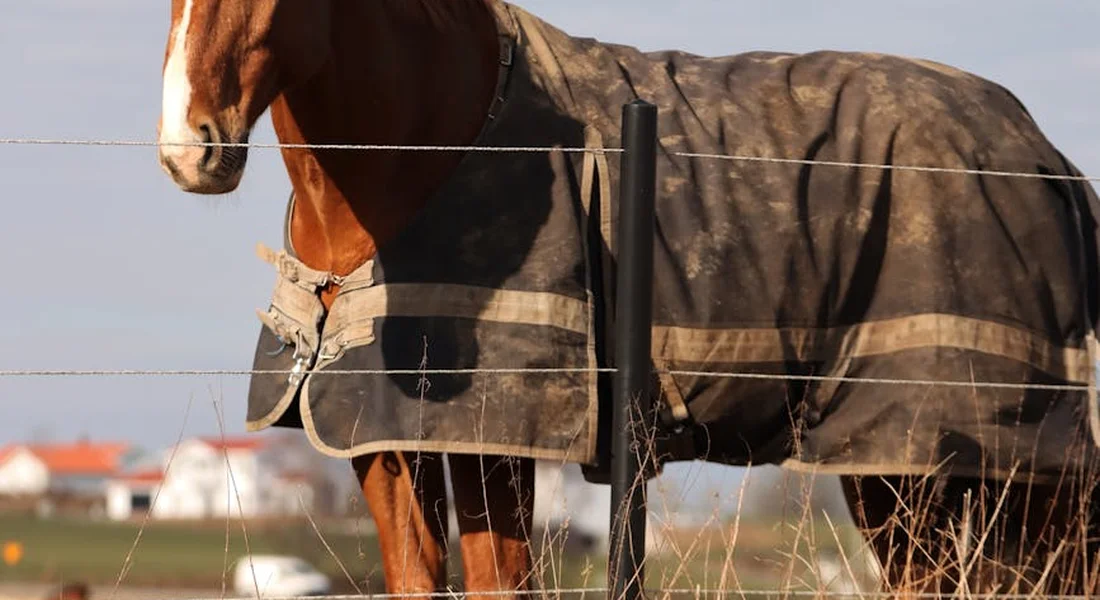
A blanket is not a magic health talisman. It will not strengthen your horse’s immune system or ward off common barn viruses; that’s the job of vaccination, nutrition, and good management. Believing otherwise can set you up for trouble.
Improper blanketing can directly contribute to sickness. Overheating a horse under a heavy rug causes stress and excessive sweating, which can lead to dehydration and invite skin fungi like rain rot. A damp blanket left on in a cool stall traps moisture near the skin and lungs, potentially worsening respiratory issues.
Focus on the foundations of true health instead. Prioritize ample daily turnout for movement and mental balance, feed quality forage to support digestion, and use gentle handling to reduce stress. This holistic approach builds far more resilience than any fabric could.
I once made the mistake of treating a blanket like a cure-all. When Luna seemed a bit quiet one cool morning, I bundled her up in a heavy stable blanket, thinking it would ‘keep the chill out.’ By afternoon, she was drenched in sweat under it, her breathing was rapid, and she was clearly distressed. It was a stark reminder that a blanket is a tool for comfort, not a substitute for attentive care. Now, my first step is always to feel her ears and chest for true temperature before I even touch the blanket rack.
FAQs on Horse Blanket Myths: 10 Misconceptions That Can Make Your Horse Sick
Do you think a blanket will prevent your horse from getting sick?
No, a blanket is not a sickness shield and cannot boost immunity. Proper health relies on vaccinations, nutrition, and management, not fabric. In fact, over-blanketing can cause stress and skin issues that may compromise well-being.
Are you using the same blanket for all seasons?
Using one blanket year-round is a common mistake that ignores seasonal temperature shifts. Horses require different weights—like light sheets for summer and insulated turnouts for winter—to maintain comfort. Understanding how to prepare for colder months is essential for effective layering or switching blankets, which prevents overheating and ensures moisture management.
Do you think a blanket is necessary for all horses?
Blanketing is not mandatory for every horse, as many have natural coats that self-regulate temperature. Factors like age, health, and access to shelter determine if a blanket is needed. Often, providing windbreaks and extra hay is more beneficial than unnecessary rugging. For a complete winter plan, our ultimate winter horse care guide covers blanket decisions, feeding strategies, and safe exercise routines. It helps tailor care to weather, age, and activity level.
Your Horse’s Coat Tells the Truth
Throw out the rigid rules and focus on your horse’s actual condition, hair coat, and shelter when deciding to blanket. The single best thing you can do is run your hand under the blanket and along the withers every single day to check for unwanted sweat or dampness. If you’re unsure about timing, our temperature care guide explains when to blanket.
Approach blanketing with a patient, observant eye, and always err on the side of less insulation if you’re unsure. In extreme weather, extend that vigilance to how you care for your horse as conditions change. Adapt blanketing, turnout, and shelter to heat, cold, wind, and rain. The most reliable indicator of comfort is your horse themselves, so learn to read their signals and trust them.
Further Reading & Sources
- Does My Horse Need A Blanket?: Debunking the 5 Biggest Myths About Blanketing Horses – Dr. Barbara Parks, PT, DPT, CERP: The Horse PT
- 3 More Internet Horse Myths That Refuse to Die | HORSE NATION
- Horse Blanket Care Myths Debunked!
- Your horse blanketing questions answered
At Horse and Hay, we are passionate about providing expert guidance on all aspects of horse care, from nutrition to wellness. Our team of equine specialists and veterinarians offer trusted advice on the best foods, supplements, and practices to keep your horse healthy and thriving. Whether you're a seasoned rider or new to equine care, we provide valuable insights into feeding, grooming, and overall well-being to ensure your horse lives its happiest, healthiest life.
Equipment