
How to Clean and Wash Horse Blankets: Save Money and Protect Your Horse
Published on: February 4, 2026 | Last Updated: February 4, 2026
Written By: Henry Wellington
Hello fellow equestrians. That heavy, dirty blanket piled in your tack room isn’t just a chore-it’s a potential source of skin funk, rubbing sores, and a shortened lifespan for your gear. You’re right to want it clean; ignoring it risks vet bills and costly replacements.
Let’s walk through the process together. I’ll show you my barn-tested method for getting blankets truly clean without wrecking them. This guide covers everything from the initial shake-out to final storage.
You’ll get specific steps for:
- Doing a pre-wash safety check for torn straps and loose hardware.
- Effectively removing caked mud and stains before the main wash.
- Choosing between hand-washing and machine-washing based on your blanket type.
- Drying techniques that lock in waterproofing and prevent mildew.
- Proper off-season storage to keep pests and moisture at bay.
I’ve spent years as a barn manager, wrestling with everything from Pipin’s perpetually filthy turnout to Luna’s delicate sheets, so I know what actually works.
Pre-Wash Prep: Scraping Off the Pasture
Throwing a filthy blanket straight into your machine is a fast track to a broken washer and a half-clean rug. The first rule of blanket washing is to do the work the machine can’t. Start in a well-lit area, like the aisle on a sunny afternoon, and give the blanket a thorough once-over.
How to Remove Heavy Dirt and Mud
Let the mud dry completely. I lay dirty blankets over a fence rail in the sun for a few hours. Once the mud is crusty, take a stiff grooming brush or even a old metal curry comb and start scraping. Use firm, downward strokes to flake off the chunks.
- Work from the top (withers area) down to the belly straps.
- Pay special attention to the chest and where the blanket sits on the shoulders, as these are mud magnets.
- Flip the blanket and repeat on the inside liner, checking for packed bedding or sand.
- Finish with a strong shake and a slap against the wall to dislodge fine dust.
This dry-cleaning step removes about 80% of the weight and grit, saving your washer from an early grave and letting the detergent tackle the real stains.
Pre-Treating Stains Like Manure or Grease
Manure and bodily oils are protein-based stains, while hoof polish or liniment can leave greasy spots. Treating them before the wash is non-negotiable for a truly fresh blanket. I keep a old spray bottle filled with a 50/50 mix of white vinegar and water for this.
- For fresh manure stains, scrape off any solids with a plastic putty knife.
- Spray the vinegar solution liberally on the stained area and let it sit for 10-15 minutes. The acid helps break down the proteins.
- For stubborn grease or old liniment stains, make a paste with baking soda and a few drops of dish soap. Rub it into the stain gently and let it sit for 20 minutes before washing.
Pre-treating is the secret weapon for blankets worn by horses like Pipin, who seems to use his as a personalized napkin after a messy meal.
The Wash Cycle: Soap, Suds, and Settings
Now for the main event. The goal is to clean the fabric thoroughly without damaging the waterproofing, insulation, or any delicate components. Listen for the quiet thud of buckles as you load the machine-it’s a sound that signals you’re doing right by your horse’s comfort.
Detergent Showdown: Commercial vs. Regular
Your detergent choice matters more than you think. I’ve experimented with both over countless muddy winters.
- Commercial Equine Detergents: These are pH-balanced for horse sweat and oils. They effectively break down uric acid and greasy residues without harsh chemicals. They are the gold standard, especially for technical waterproof blankets.
- Mild, Dye-Free Liquid Detergent: A budget-friendly alternative. Choose one without optical brighteners or heavy fragrances, as these can irritate sensitive skin like Luna’s. Avoid powder detergents-they can leave a residue that grinds into the fibers.
- What to NEVER Use: Fabric softener. It coats fibers, destroying waterproof breathability and trapping odors. Bleach is far too harsh and will degrade nylon and polyester over time.
Investing in a proper equine wash is a form of preventive care, protecting your costly blanket’s technical features and your horse’s skin health.
Machine Washing Instructions
If your blanket’s care label permits machine washing, follow this ritual. I use a front-loading washer at my local laundromat-it’s gentler than an agitator-style top loader.
- Fasten all leg straps, belly surcingles, and chest buckles. Turn the blanket inside out to protect the outer shell.
- Use cold or warm water on a gentle or delicate cycle. Hot water can melt adhesives and set protein stains.
- Add the recommended amount of your chosen detergent. A little goes a long way.
- For an extra rinse, run a second rinse cycle after the wash completes to ensure all soap is gone.
Hand Washing for Delicate Blankets
For vintage wool coolers, sheet blankets with delicate trim, or any rug you’re unsure about, hand washing is your friend. Fill a large tub or a clean wheelbarrow with cool water and a capful of detergent.
Agitate the blanket by hand, pressing the water through the layers. Let it soak for 30 minutes, then drain. Refill with clean water and agitate again to rinse. You’ll need to repeat this rinse process 2-3 times until the water runs completely clear.
The smell of wet wool is a particular barn memory, a sign you’re preserving a piece of well-loved tack with your own hands.
Ensuring All Soap is Rinsed Out
Soap residue is the enemy. It chafes skin, attracts dirt, and makes blankets less breathable. The final test is simple. After the final rinse cycle or hand-wash rinse, wring a small section of the lining into your hand.
- If the water feels slick or bubbles appear, more rinsing is needed.
- The water should be completely clear and feel no different than clean tap water.
Don’t rush this step. A blanket caked in mud is one thing, but one caked in dried soap is an itchy, uncomfortable mistake for your horse.
Drying Done Right: No Heat Drama
The Proper Method for Air-Drying
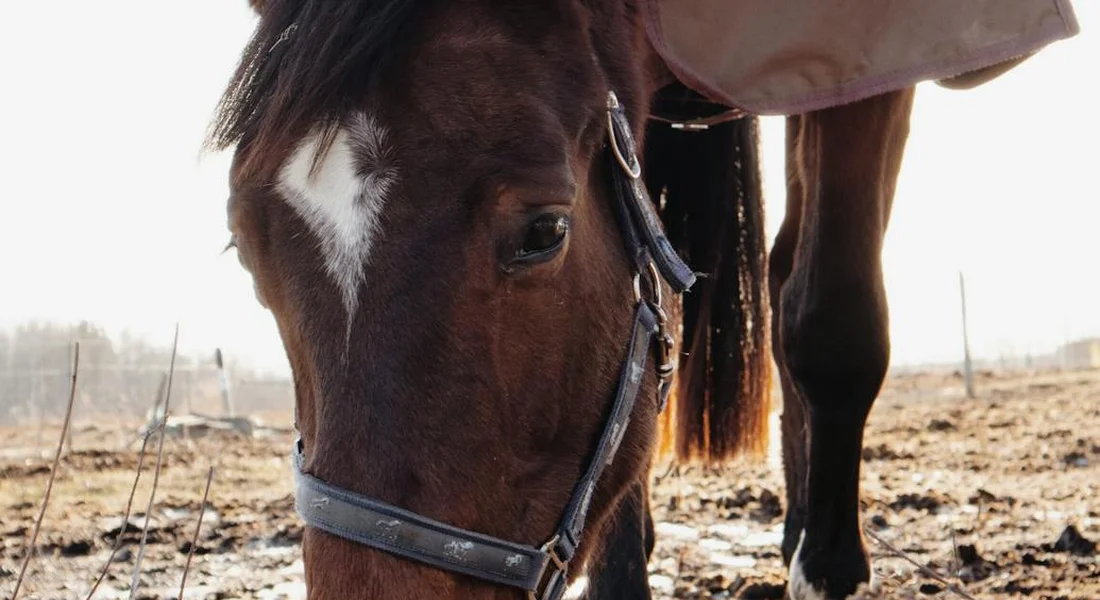
Pull that dripping blanket from the washer and give it a firm shake to smooth out wrinkles before it hits the air. Your number one goal is thorough drying without the sun’s harsh rays, which can degrade waterproof coatings and fade colors in a single afternoon. I hang blankets on a reinforced clothesline in my barn’s shaded alley, where the breeze whispers through but the sun never lingers. For a heavy turnout, flip it like a pancake halfway through; moisture loves to hide in the lining near the withers.
I learned this lesson with Luna’s sleek sheet after a spring wash. Impatient, I left it draped over a sunny stall door, and the UV rays left the nylon shell brittle and less water-resistant. Now, I use a fan on damp days to mimic a stiff breeze, ensuring every layer from outer shell to inner wool dries evenly. The thud of hooves on clay outside is my timer.
- Shake the blanket vigorously to align the fibers and prevent stiff fold lines.
- Use wide, padded hangers or a horizontal rail to avoid pressure points on shoulders.
- Check for dampness by pressing your hand against the lining; it should feel cool and completely dry.
- Rotate the blanket position every few hours if air movement is minimal in your storage area.
When a Dryer is Acceptable
Turning to a dryer feels like a time-saver, but it’s a path fraught with risk for most blankets. Reserve machine drying strictly for no-heat or air-only settings, and never for blankets with waterproof layers or thick insulation. The heat can melt critical seam tape and cause synthetic fills to clump irreparably. I ruined an old stable blanket for Pipin this way, the buckles warping from a “low” heat cycle.
For simple, cotton summer sheets or liners, a brief tumble on cold air can work. Always remove the blanket from the dryer while it’s still slightly damp to finish air-drying, which prevents overheating and maintains fabric flexibility. Toss in a few clean tennis balls; they help beat out moisture and keep filling fluffy without heat.
- Consult the manufacturer’s label first-if it doesn’t explicitly permit tumble drying, don’t risk it.
- Remove all detachable straps and leg guards to prevent tangling and strap damage.
- Opt for a large commercial dryer at a wash station if possible; home drums are often too small.
- Limit drying bursts to 10-minute intervals, checking for heat buildup each time.
Storage Smarts: From Fold to Future Use
Storing Clean Blankets to Keep Them Fresh
Once dry, fold your blanket loosely along its natural seams to avoid sharp, permanent creases. Store blankets in a breathable fabric bag, like cotton or canvas, to allow air circulation while keeping dust and pests at bay. I use old pillowcases for Rusty’s sheets, labeled with his name and stored on a high shelf in the tack room, away from curious rodents and the smell of fresh hay. A handful of cedar chips in the bag gently discourages moths.
That final check for dryness is non-negotiable before storage. Even a faint damp spot can bloom into mildew, creating a sour smell that sinks into the fibers and irritates your horse’s skin. I once folded away a slightly damp cooler, and the musty odor took multiple washes to lift from the lining.
- Fold blankets gently to avoid stressing the waterproof layers or stitching.
- Add silica gel packets to your storage container to combat ambient humidity.
- Keep bags off concrete floors, which can wick moisture; use a wooden shelf or tack trunk.
- Label clearly with the horse’s name and blanket weight for quick seasonal swaps.
Off-Season Storage and Maintenance Checks
When the mud of spring dries, give each blanket a farewell wash before its summer hibernation. This deep clean is your best chance to conduct a meticulous inspection for rubbed thin spots, frayed edges, or failing hardware. I lay all my blankets on the clean barn aisle and run my hands over them like I’m grooming, feeling for weaknesses. Rusty’s trail blanket always shows wear on the right shoulder strap by April—it’s one of those signs you just can’t ignore.
Address repairs immediately, so you’re not sewing in a panic come autumn. Store off-season blankets in a sealed plastic tote with desiccants, but pledge to air them out once mid-summer to prevent stiffening and check for pests. I do this during my July tack check, the creak of leather nearby reminding me of the riding ahead. Make sure to fold your blankets properly for storage to avoid any unnecessary creases.
- Wash and dry thoroughly, even if the blanket appears clean, to remove salt and skin oils.
- Test every buckle, strap, and leg arch for cracks, rust, or flexibility.
- Apply a waterproofing treatment to clean, dry turnouts before storage to refresh their defense.
- Keep a simple barn log or phone note listing blankets that need professional repair or replacement.
Blanket Types and Their Care Personalities
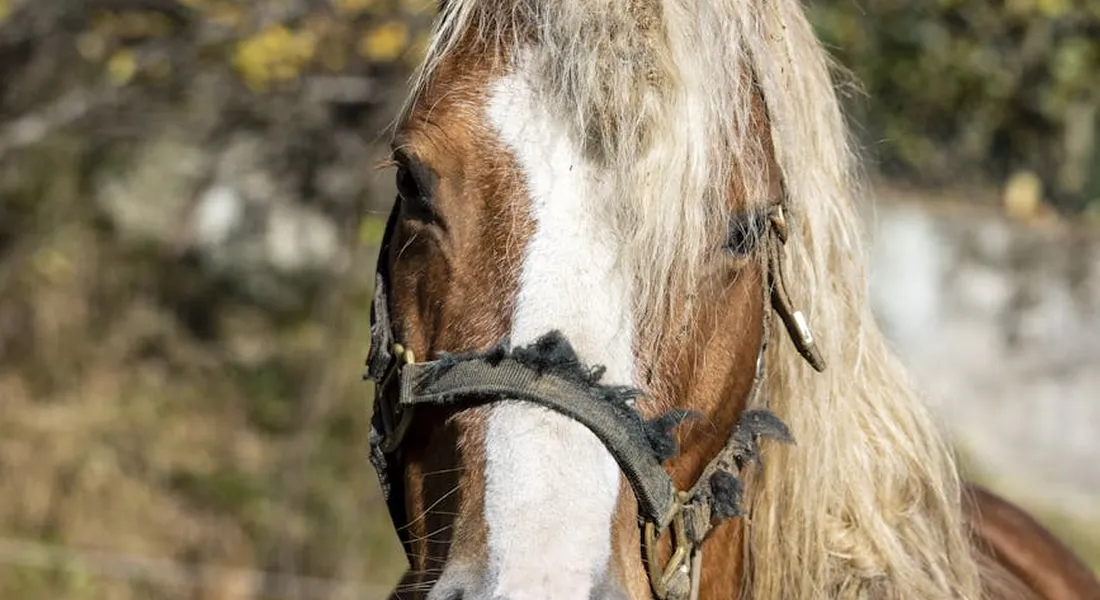
Just like horses, blankets have distinct personalities and needs. Treating a rugged turnout the same as a delicate stable sheet is like feeding Luna and Pipin the same grain ration-it just won’t end well.
Turnout Blankets and Waterproofing
Your turnout blanket is the hardy draft horse of the collection. It’s built for mud, rain, and rolling. The enemy here isn’t just dirt, it’s detergent residue clogging the waterproof membrane. I always wash my turnouts in a front-loading machine (agitators can shred linings) using a technical cleaner specifically designed for waterproof fabrics. Double-rinse to banish every soapy bubble.
Never, ever use fabric softener; it coats the fibers and destroys breathability. Reproofing is your secret weapon. After a thorough wash and complete dry, apply a wash-in or spray-on waterproofing treatment. Watching water bead up on Luna’s freshly proofed blanket is a small, satisfying victory against the elements.
Stable Blankets, Sheets, and Coolers
These are your sensitive thoroughbreds. Made of less durable materials, they require a gentler touch. Coolers and wool sheets should often be hand-washed in cool water. For machine-washable stable wear, use a gentle cycle, cold water, and mild detergent, and always secure any straps with Velcro or in a mesh bag to prevent snags. Clean tack and keep hooves well-groomed to support overall hygiene. Regular hoof and tack care complements the gentle washing guidelines above.
Air-drying is non-negotiable for these items. The high heat of a dryer will melt nylon shells, shrink linings, and ruin the wicking ability of coolers. I drape them over a clean fence panel in the sun, the quiet thud of hooves in the background as they freshen.
Troubleshooting: Stains, Smells, and Surprises
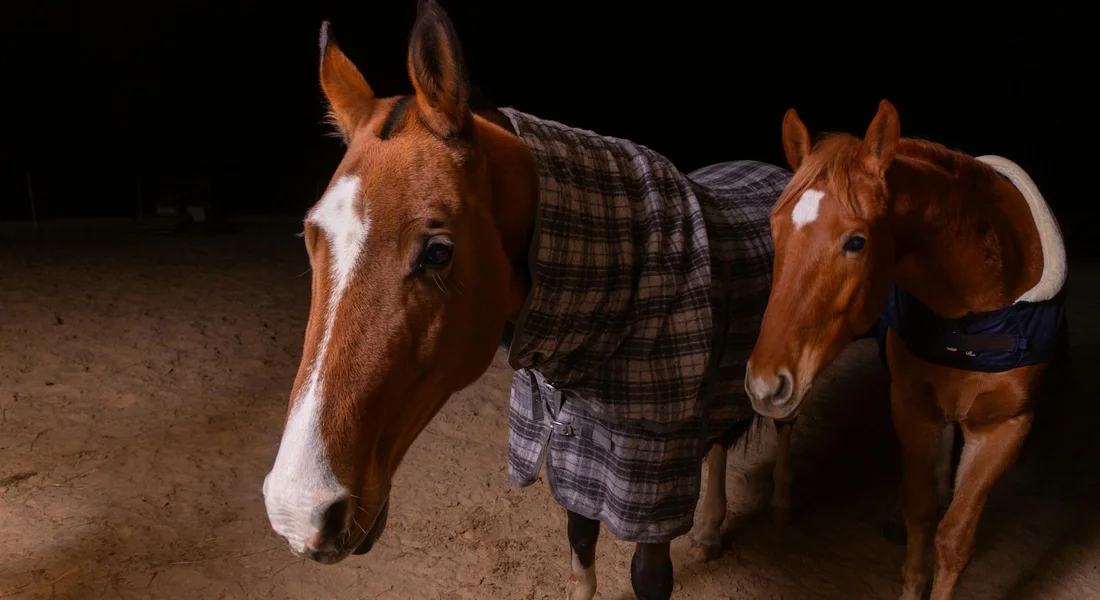
Even with perfect routine, blankets throw curveballs. Here’s how to handle the barn-life realities.
Removing Set-In Stains and Odors
For organic stains like manure or grass, a pre-soak is your best friend. I fill a large tub with warm water and add a cup of white vinegar or an enzyme-based stable cleaner. Soak for an hour before washing. For stubborn urine odors or yellowing, make a paste of baking soda and water, rub it into the affected area, let it sit, then brush it out before washing.
Mold and mildew require immediate action. Wash with an appropriate cleaner, then sun-dry thoroughly-UV light is a natural disinfectant. For grease or hoof oil stains, spot-treat with a dab of dish soap before the main wash.
- Manure/Grass: Pre-soak with vinegar.
- Urine/Yellowing: Baking soda paste.
- Mud: Let it dry completely, then brush vigorously.
- Grease: Dawn dish soap spot treatment.
Quick Maintenance Between Washes
A full wash every week isn’t practical. Daily care extends time between loads. Give blankets a firm shake and a stiff brush down every morning when you remove them; this lifts dried mud and hair before it grinds into the fabric. Check for and remove any burrs or brambles immediately.
Hang blankets on a broad, smooth rack during the day-never on a narrow hook which can stress the fabric. Do a weekly “sniff test” and visual check for loose straps or small tears. A quick stitch or piece of duct tape (on the outside only, as a temporary fix) can prevent a minor repair from becoming a major seam failure.
FAQ: How Do You Clean and Wash Horse Blankets Properly?
What are the ideal washing machine settings (temperature, cycle type)?
Use cold or warm water on a gentle or delicate cycle to safely clean horse blankets without damaging fabrics or waterproof coatings. Avoid hot water, as it can melt adhesives and set protein-based stains like manure. Always secure all straps and buckles, and turn the blanket inside out to protect the outer shell during the wash. Regular care also means cleaning and maintaining horse tack blankets to keep them in top condition. After washing, recheck all hardware and seams to ensure they’re ready for use.
Is it safe to use fabric softener or bleach?
No, you should never use fabric softener or bleach when washing horse blankets. Fabric softener leaves a residue that clogs breathable membranes and destroys waterproofing, while bleach is too harsh and can degrade synthetic fibers over time. Opt for a mild, dye-free detergent or a commercial equine wash designed for horse sweat and oils instead. This topic also ties into horse blanket myths that can affect a horse’s health.
How should you store clean horse blankets to keep them fresh?
Store completely dry blankets loosely folded in breathable cotton or canvas bags to prevent dust and pests while allowing air circulation. Keep them off concrete floors-use a wooden shelf or tack trunk to avoid moisture wicking. For long-term storage, add silica gel packets or cedar chips to combat humidity and maintain freshness. For those asking ‘are best practices storing horse tack blankets,’ these steps reflect common, practical care. They also pair well with seasonal checks and proper ventilation.
A Clean Sweep for Stable Comfort
Shake out debris and use a gentle, horse-safe detergent to preserve waterproof coatings. The single most important step is to thoroughly rinse all soap residue, as leftover detergent can cause serious skin irritation and ruin the blanket’s technical fabric. Additionally, safely cleaning the horse’s face, ears, and other sensitive areas should be done with gentle, targeted methods and thorough rinsing. The next steps will cover a safe guide for cleaning these zones.
Take a moment to feel the fabric yourself-if it’s stiff or smells chemical, your horse will notice too. This routine care is how we show up for them, ensuring they stay dry, warm, and happy without a word of complaint. Gentle grooming touch can deepen your connection with your horse, building trust through calm, steady contact. The way you brush and handle them communicates care as clearly as words, inviting a willing, relaxed partnership.
Further Reading & Sources
- How to wash and pack your horse’s blanket
- How To Care For Your Horse Blanket
- r/Equestrian on Reddit: This may be a dumb question, but how do yall wash your winter horse blankets, saddle pads and lead ropes?
- How to Wash Horse Blankets – Blanket Care Guide
At Horse and Hay, we are passionate about providing expert guidance on all aspects of horse care, from nutrition to wellness. Our team of equine specialists and veterinarians offer trusted advice on the best foods, supplements, and practices to keep your horse healthy and thriving. Whether you're a seasoned rider or new to equine care, we provide valuable insights into feeding, grooming, and overall well-being to ensure your horse lives its happiest, healthiest life.
Equipment