
Feeding Asparagus to Horses: Your Safety and Nutrition Guide
Hello fellow equestrians. You’re likely holding a crisp asparagus spear and wondering if it’s a safe snack for your horse. That moment of hesitation is wise-introducing new foods can trigger digestive upset or costly vet visits, and we all want to keep our geldings and mares happily munching without risk.
In this article, we’ll cover the key facts you need to know:
- The straightforward answer on toxicity for both spears and tough stems
- What nutritional value, if any, asparagus actually offers your horse
- Step-by-step preparation to make it a safe, occasional treat
- Critical signs of digestive discomfort to watch for after feeding
My years of barn management and training horses like treat-motivated Rusty and sensitive Luna have taught me that equine diet choices are never just about hunger-they’re about welfare.
The Straight Talk on Asparagus and Equine Safety
Here’s your quick answer: asparagus is not poisonous to horses. You can breathe easy if your curious mare snags a spear from your lunch plate, but that doesn’t make it a good idea for regular feeding. Many others are toxic.
Whether this veggie causes a problem boils down to two things: how you prepare it and how much you give. I treat any human food like a potential barnyard experiment-always supervised, always in tiny amounts. Last spring, Pipin lived up to his escape artist title by nudging open a tack room door and investigating a forgotten grocery bag. The rustling plastic and sudden crunch of a fibrous stalk had me sprinting over. He was happily munching a tough asparagus end, which I promptly fished out. The event was harmless but cemented my rule: the barn is for hay, not human groceries. That mindset also guides what horses can safely eat. I keep a simple vegetable safety guide for horses, noting that lettuce is usually safe in small amounts, but eggplant should be avoided.
This brings us to the golden rule of equine snacks. No treat, not an apple slice or a carrot stick, should ever distract from the fact that a horse’s gut is built for near-constant consumption of forage. Their primary diet must be hay or grass, with all other items being mere sprinkles on top, as you can’t just substitute any roughage in their diet.
Breaking Down the Asparagus Plant: Stems, Spears, and Risks
Let’s clear up the terminology first. When we say “asparagus stems” or “spears,” we’re talking about the same part-the young, edible shoot we put on our dinner plates. The tough, woody base we snap off is just the inedible end of that stem.
So, why the caution? The asparagus plant presents a few specific challenges for a horse’s digestion:
- High, Lignified Fiber: The stalk is incredibly fibrous, similar to a tough celery string. A horse’s hindgut can struggle to break this down in large quantities, raising the risk of a sluggish gut or impaction.
- Serious Choking Hazard: Those uncut, woody ends are the main danger. They are the perfect size and texture to get lodged in a horse’s esophagus, especially if gulped down by an eager eater like Rusty when he thinks a treat is coming.
- Presence of Soluble Oxalates: Asparagus contains these natural compounds, which are the real nutritional hitch for equines.
Oxalates sound complicated, but think of them like sticky hands. Inside the gut, they can bind to minerals like calcium and magnesium, making those nutrients unavailable for your horse’s body to use. This connection also helps explain why some horses eat dirt or manure—a form of pica that can reflect gut mineral imbalance or irritation. Understanding pica behavior can guide feeding and management decisions. A few spears won’t cause a deficit, but frequent feeding could contribute to digestive upset or mineral imbalance over time.
Put this risk in perspective. Compared to everyday pasture dangers like blister beetles in hay or toxic landscaping plants, an occasional bite of asparagus is a low-level concern. But just as you’d check a water trough for algae, managing treat risks is part of good stewardship.
How a Horse’s Stomach Handles Asparagus
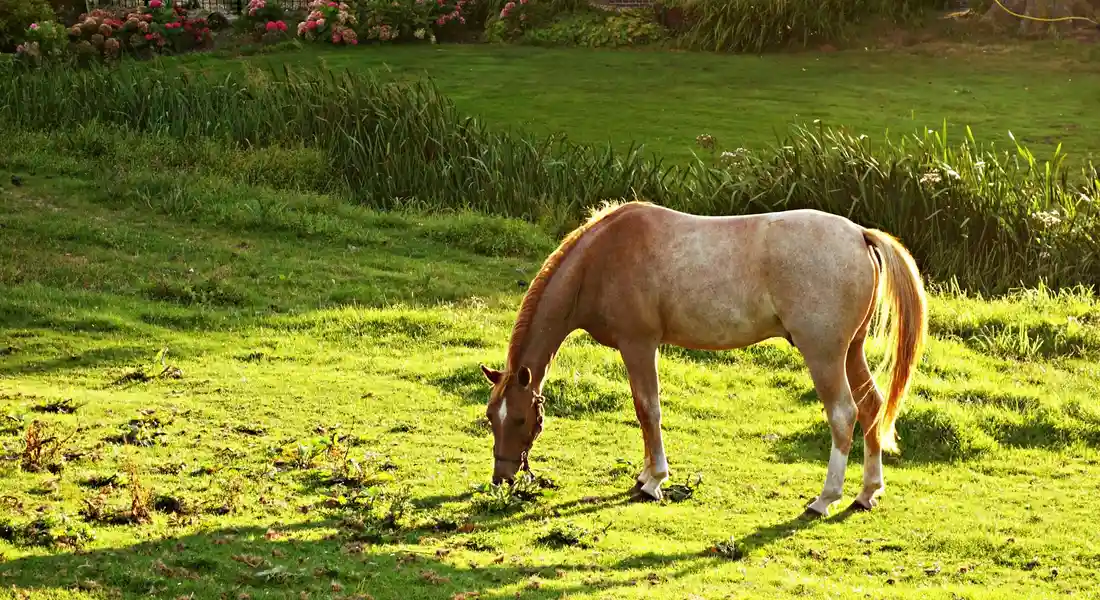
Think of a horse’s digestive tract as a finely-tuned conveyor belt built for soft, fibrous grasses. It is not designed for tough, woody vegetables like asparagus stems. I learned this the hard way years ago when a well-meaning boarder gave Rusty a handful of uncut green beans; the resulting gas cramps had him pacing his stall for hours. This incident invites the question: Does a horse’s digestive system work the way it should? Understanding how it handles fibrous feed is key to safe, comfortable feeding and riding.
That fibrous toughness can be slow to break down in the foregut, potentially leading to impaction or shifting the delicate balance of microbes in the hindgut. Any sudden change in a horse’s diet, including introducing a new treat, risks colic, gas, or diarrhea because their digestive ecosystem is incredibly sensitive. Many common horse health issues are tied to anatomy—the digestive tract’s layout shapes where problems arise. This anatomical context helps explain why diet and management choices have such a big impact.
If you are determined to offer a taste, you must mimic the slow introduction of a new grain. Here is my barn-tested method.
- Prepare a single, fresh asparagus spear by washing it thoroughly and chopping it into pieces smaller than a dime.
- Offer just one or two of these tiny pieces mixed into your horse’s normal grain or feed.
- Watch closely for the next 24 hours. You are looking for normal manure, a quiet demeanor, and no signs of abdominal discomfort or bloating.
- If all is clear, you could offer a similar amount the next day, but I rarely see a point in going beyond a couple of taste tests.
You must always chop any hard vegetable into small, bite-sized pieces to prevent choking – a full asparagus spear is a perfect plug for a horse’s esophagus, and that emergency vet call is one you never want to make. My barn rule is simple: if it’s harder than a ripe banana, it gets chopped.
The Nutritional Reality: Is There Any Benefit?
Let’s be practical. Asparagus is not a superfood for equines. Any nutrients it offers are found in far better, safer forms in their regular diet. Compare it to two trusted treat staples.
| Treat | Primary Nutrients | Practical Notes |
|---|---|---|
| Asparagus (raw) | Vitamin K, Folate, Trace Fiber | Texture is challenging, nutrient levels are negligible for equine needs, and it offers no unique benefit. |
| Carrot | Beta-Carotene (Vitamin A), Sugar | Softer texture, widely accepted, provides a useful vitamin boost but is sugary-moderation is key. |
| Apple Slice | Vitamin C, Fiber, Sugar | A familiar favorite, but always served cored and sliced to manage sugar and choking risk. |
Yes, asparagus contains vitamin K, which supports blood clotting. However, horses naturally synthesize ample vitamin K in their own hindgut through the fermentation of quality hay and grass, making a supplemental source from asparagus completely unnecessary.
I keep a bag of chopped carrots in my fridge for Rusty and Luna because it’s easy, safe, and they love it. Fiddling with asparagus stems for Pipin, who would rather investigate my pocket for mints, offers no real payoff. The minimal, redundant nutritional benefit of asparagus is vastly outweighed by the potential digestive fuss and the sheer inconvenience compared to proven treats.
Accidental Ingestion: Your Step-by-Step Response Plan
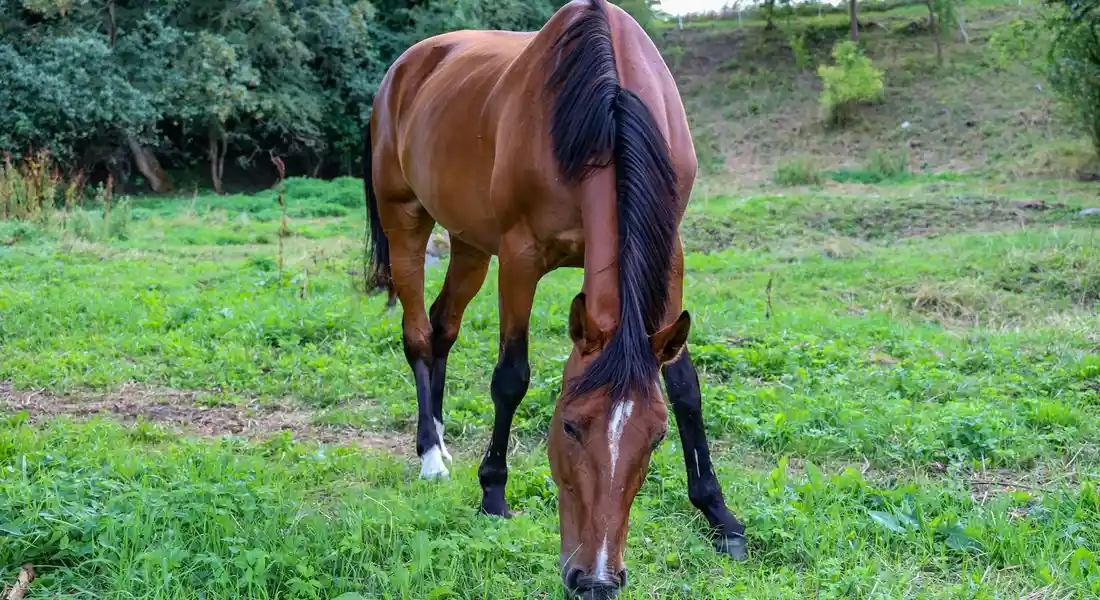
Horses are curious, and sometimes a stray asparagus spear ends up on the wrong side of the fence. If you turn around and see Pipin triumphantly munching a stalk he nicked from the garden, here’s exactly what to do.
- Stay calm and assess how much was eaten. Panic helps no one, least of all your horse. A single stalk is a very different scenario from a horse helping themselves to an entire garden row. Quickly scan the area to estimate the damage.
- Monitor closely for signs of discomfort: pawing, looking at belly, reduced manure. For the next several hours, be a quiet detective. Watch for subtle changes. Is Luna standing unusually still? Is Rusty off his feed? The earliest signs of digestive upset are often quiet-frequent lying down and getting up, a lack of gut sounds, or fewer manure piles than usual.
- Ensure fresh water is available to help digestion. Good hydration is the best tool to keep any unusual forage moving smoothly through the gut. Check that buckets are clean and full, encouraging them to drink.
- Know when to call the vet: if you see signs of colic or if a large quantity was consumed. Trust your gut. If you see persistent pawing, rolling, or sweating, or if you know they ate a significant amount, make the call. It is always the right move to consult your veterinarian with your specific observations; they would rather hear from you early than late.
Top Safe and Happy Alternatives to Asparagus
Why play with fire when there’s a whole banquet of safe, beloved options? Stick with these classics that have passed the barn test for generations. I keep a dedicated treat bucket in my tack room, and these are the staples.
- Carrots The universal currency of goodwill. I scrub them and cut them lengthwise for easy chewing, especially for older horses like Rusty. The satisfying crunch is a sound every horse person loves.
- Apples A perennial favorite. Core them and slice them into wedges to avoid any choke risk. A quick note: while a few stray seeds aren’t a crisis, it’s good practice to remove them as they contain trace amounts of cyanide.
- Watermelon Rind A fantastic summer hydrator. My crew goes wild for the crisp green rind (seeds and pink flesh are fine too). It’s low in sugar and a great way to use the whole fruit.
- Banana Yes, even the peel! Pipin will follow me anywhere for a bite of banana. The soft texture is perfect for seniors, and the potassium is a nice bonus. Offer in small pieces.
The golden rule of treating is moderation and connection: offer small amounts by hand to reinforce your bond, never toss large quantities into a stall where they can be gulped without thought. A single carrot stick, given patiently, is worth more than a bucketful dumped in a feeder. It’s about the moment of trust, the soft muzzle in your palm, not just the calories.
Frequently Asked Questions About Feeding Asparagus to Horses
What parts of the asparagus plant are toxic to horses?
The mature asparagus fern and the plant’s red berries are considered toxic and should never be offered to horses. For horse owners, the safe toxic plants horses complete identification guide offers quick, practical cues to recognize risky species in pastures and feedrooms. A complete identification guide can help owners act quickly to protect their herds. The edible spears we consume contain soluble oxalates but are not classified as poisonous. However, these oxalates can bind to minerals in the gut, making them a poor dietary choice.
How does asparagus affect a horse’s digestive system?
The tough, lignified fiber in asparagus is difficult for a horse to break down, posing a risk for impaction. Its soluble oxalates can bind to essential minerals like calcium, potentially leading to digestive upset or nutrient imbalances. Introducing this unfamiliar, fibrous vegetable can also disrupt the sensitive microbial balance in the horse’s hindgut.
What are the risks of feeding asparagus to horses?
The primary risks include a significant choking hazard, especially from uncut, woody ends. Feeding it can lead to digestive issues like colic or diarrhea due to its tough fiber and oxalate content. There is also no nutritional benefit that justifies these risks over safer, traditional treats.
Stable-Tested Truths on Asparagus
Asparagus holds no real nutritional benefit for your horse and its tough stems pose a real impaction risk. The safest practice is to simply avoid it altogether and stick to proven, horse-friendly treats like carrots or apples.
True care comes from respecting the digestive system nature gave them, not from our curiosity. Your horse’s health is the ultimate priority, so let their comfort and your common sense guide every treat you give, especially when it comes to senior horse care.
Further Reading & Sources
- Can Horses Eat Asparagus? – Everday Equine
- Can Horses Eat Asparagus: Complete Guide for Horse Owners – Dream Horse
- Asparagus for Horses – Ingredient Analysis | Equine Feed Database
- is asparagus bad for horses | Stockyard Horse Forums
At Horse and Hay, we are passionate about providing expert guidance on all aspects of horse care, from nutrition to wellness. Our team of equine specialists and veterinarians offer trusted advice on the best foods, supplements, and practices to keep your horse healthy and thriving. Whether you're a seasoned rider or new to equine care, we provide valuable insights into feeding, grooming, and overall well-being to ensure your horse lives its happiest, healthiest life.
Nutrition