
Can Horses Eat Beets and Beet Greens? Your Barn-Side Guide to Safe Feeding
Published on: September 18, 2026 | Last Updated: September 18, 2026
Written By: Henry Wellington
Hey there, horse lover. Seeing your mare’s curious snout investigate your grocery bag, you’ve likely wondered if those earthy beets and leafy tops are a healthy snack or a hidden hazard. That gut instinct to double-check is what keeps our horses safe and avoids unexpected vet bills.
Today, we’re getting into the dirt on this root vegetable. I’ll explain:
- The specific vitamins and minerals in beets that can benefit your horse’s coat and stamina.
- The real risks you need to manage, like oxalate content and the importance of chopping to prevent choke.
- My barn-tested methods for introducing new foods without upsetting a sensitive digestive system.
I’ve learned this through twenty years of barn management, balancing diets for reliable geldings and fussy thoroughbreds alike.
The Straight Answer on Beets for Your Horse
Yes, your horse can eat both the beet root and the leafy green tops, but think of them as a occasional treat, not a staple. I’ve tossed a few chopped beets into Pipin’s feed tub as a surprise, and the crunchy sound got his ears pricked forward instantly. Always introduce any new food, including beets, in tiny amounts to avoid upsetting your horse’s delicate digestive system. The root is high in natural sugars, and the greens contain compounds that need moderation.
You must prepare beets safely to prevent choking. A whole, hard beetroot is a disaster waiting to happen. I learned this early on when a well-meaning boarder tried to feed one to a greedy pony. Chop or grate the beet root into small, manageable pieces, or cook it until soft to eliminate any choking risk. For the greens, rinse them thoroughly to remove dirt and potential residues, just like you would with your own salad.
My old reliable Rusty gets a few beet pieces as a training reward, but his main diet is always hay and grass. Horses thrive on consistency, so treats like beets should never replace their core forage-based nutrition. It’s also helpful to understand the basics of horse forage—do horses eat hay, straw, and how their diet is balanced. That understanding guides safer, well-rounded feeding choices. If your horse has metabolic issues like insulin resistance, consult your vet before offering sugary beet roots.
Unpacking the Nutrition: What Beets and Greens Offer
Let’s break down what’s actually in this earthy vegetable. Think of the beet root and its greens as two different feeds with distinct profiles, much like comparing a grain mix to a vitamin supplement.
The Bright Side: Antioxidants and Energy
The deep red color of a beet comes from pigments called betalains, which are powerful antioxidants. These compounds help combat cellular damage from stress and hard work, which is why some performance horse feeds include beet pulp. The root is also a source of quick energy from soluble sugars and provides minerals like potassium, which supports nerve and muscle function.
However, that sugar content is a double-edged sword. For a high-energy thoroughbred like Luna, a little grated beet might be a nice pre-ride boost, but for an easy keeper, it’s just empty calories. Compare the sugar in a beet to that in a carrot; ounce for ounce, beets often contain more, so adjust your treat portions accordingly.
Here’s a quick list of what the beet root brings to the table:
- Antioxidants (betalains) for reducing inflammation
- Soluble sugars for readily available energy
- Dietary fiber to support gut motility
- Minerals including potassium and folate
Greens: A Leafy Powerhouse
Those vibrant green tops are where you’ll find a concentration of vitamins. They’re rich in Vitamin K for blood clotting and Vitamin A for eye and skin health. Fresh beet greens can be a hydrating, vitamin-rich snack on a hot day, offering a different texture and taste from hay. I sometimes mix a handful into the herd’s lunch hay for a bit of enrichment.
But we must talk about oxalates. These are natural compounds found in many leafy greens, including beet tops, that can bind to calcium and prevent its absorption. Feeding large, regular amounts of high-oxalate greens can interfere with mineral balance over time. This isn’t a concern with occasional small handfuls, but it’s why beet greens shouldn’t become a daily salad bar.
For safe feeding, follow these steps:
- Wash greens thoroughly under cool water to remove grit and pesticides.
- Chop them roughly to prevent stringy stems from causing a tangled mess.
- Start with a small handful no more than once or twice a week.
- Observe your horse for any loose manure or disinterest in their regular feed.
The earthy smell of beet greens always reminds me of spring cleaning in the garden patch. Rotating different safe greens, like beet tops or carrot tops, provides sensory variety without overloading on any one compound. Your horse’s welfare is rooted in a balanced diet, and thoughtful treats are just the cherry on top.
Understanding the Risks: When Beets Can Cause Trouble
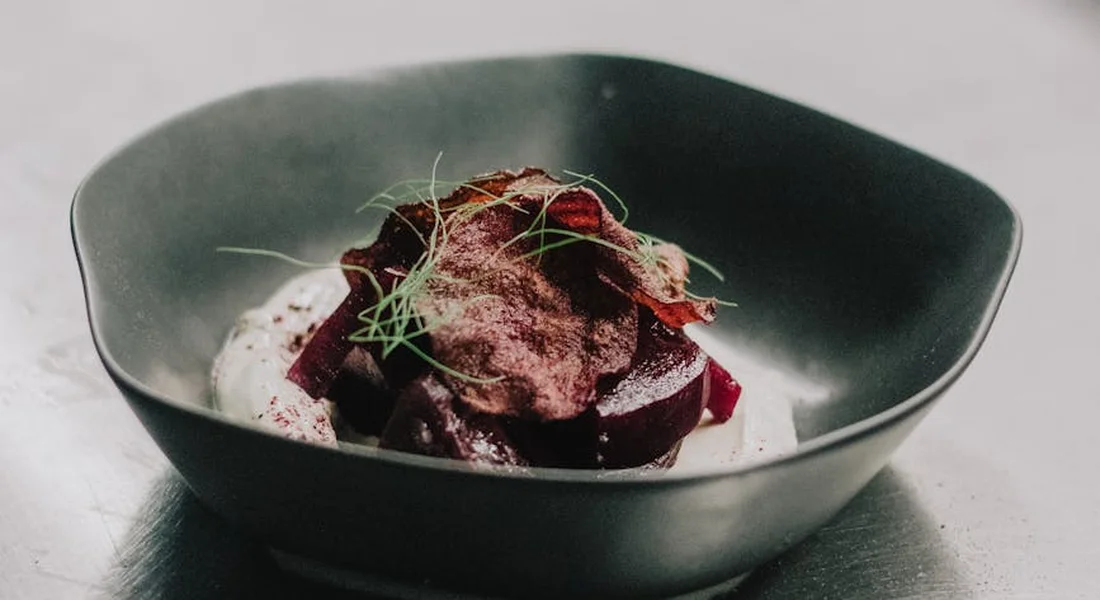
Oxalates: The Calcium Binder
Those vibrant beet greens contain oxalates, compounds that bind to calcium during digestion. Feeding large, frequent helpings of raw greens can interfere with mineral absorption, which is a quiet thief for growing youngsters or older horses like Pipin who need every bit of nutritional support. I learned this the hard way years ago, offering basketfuls from my garden before a vet reminded me that moderation is non-negotiable. The risk is real but manageable; it’s about balance, not blanket bans.
Watch for subtle signs over time, not immediate distress. A diet too rich in high-oxalate foods might contribute to weaker bone density or, in extreme cases, the formation of urinary calculi. Many common issues relate to how a horse’s anatomy handles minerals and waste. Understanding anatomy helps explain why diet and management choices matter. Your horse’s overall calcium-to-phosphorus ratio matters more than one treat. I always pair any beet green treats with a balanced forage base, letting the good hay do its steady work.
Sugar and Starch: A Laminitis Trigger
The beetroot itself, while fibrous, packs natural sugars and starch. For a metabolic horse or an easy keeper, that sweet punch can spike insulin levels, acting as a potential laminitis trigger. My thoroughbred Luna, for instance, gets a thumbnail-sized piece only on heavy work days-her system is too finely tuned for sugar surprises. The earthy crunch of a raw beet isn’t worth a founder episode.
Cooked or shredded beets have a higher glycemic index than raw, whole ones. You must know your horse’s metabolic profile before even considering beetroot as a snack. If your gelding pads his stall after a sugary meal, beets are likely off the menu. Always prioritize long, slow forage calories over quick, starchy ones.
Nitrate Accumulation and Choking Hazards
Beets can accumulate nitrates from the soil, especially in greens grown with certain fertilizers. In large amounts, these nitrates reduce the blood’s ability to carry oxygen, leading to weakness and labored breathing. Sourcing from trusted organic growers or washing thoroughly helps, but it’s a hidden risk I check for by offering tiny amounts first.
The physical form is just as crucial. A whole or large chunk of hard beetroot is a perfect choking hazard, much like a apple given carelessly. I once saw a pony at a neighboring barn struggle with a frozen beet piece; the image of his panicked chew stays with me. Always, always grate or chop it into manageable, mushy bits. The thud of a dropped, whole beet on the stall floor is a sound you should never hear.
Practical Feeding Guidelines: How to Offer Beets Safely
Step 1: Selection and Preparation
Choose firm, fresh beets with crisp greens, avoiding any with soft spots or mildew. Scrub the root like you’re prepping your own dinner, removing all dirt to cut down on ingested grit. I use a stiff brush under cool water, enjoying the smell of clean earth. For the root, peel it if it’s not organic, then grate it finely or chop into small cubes-no piece larger than a grape.
For the greens, wash them twice to dislodge hidden sand. Chop the stems and leaves roughly to prevent stringy strands from tangling in the teeth. I often steam them lightly for my older horse Rusty, which softens them and may reduce some oxalate content, making for an easier chew.
Step 2: Serving Size and Frequency
This isn’t a meal; it’s a flavor accent. For a 1,000-pound horse, start with no more than half a cup of grated beetroot or one cup of chopped greens, offered only two or three times a week at most. Think of it as the equine equivalent of a side salad, not the main course. My rule is simple: if it doesn’t fit in my cupped palms, it’s too much. That approach mirrors equine nutrition basics—feeding for optimal health and performance. Tiny portions, chosen wisely, support digestion and steady energy.
Adjust for size and need. Portion control is your best tool for preventing sugar spikes or mineral imbalances. For a portly Shetland like Pipin, a tablespoon of grated beet is plenty. For a hard-working Quarter Horse, a slightly larger serving might be okay, but never exceed that 1-2% of total diet rule for treats. Their main sustenance must always be hay or grass.
Step 3: The First Taste
Introduce any new food slowly over several days. Place a few shreds of beet or a pinch of greens on top of your horse’s normal grain or hay, and then watch like a hawk for the next 12 hours. I sit on the tack trunk near Luna’s stall with my coffee, observing her for any signs of digestive upset-soft manure, colicky behavior, or disinterest in her next meal. If she’s not eating properly, that signals something may be off, and understanding the causes and solutions points you toward the right fixes. Addressing the root cause yields practical solutions you can implement.
This trial run tells you everything. A positive response means happy chewing and no adverse effects, paving the way for occasional future treats. If your horse turns up his nose, don’t force it; their taste buds know best. The goal is enriching their diet, not stressing their system. Trust the slow, gentle approach-it’s the cornerstone of thoughtful horsemanship.
Beets vs. Other Common Horse Treats
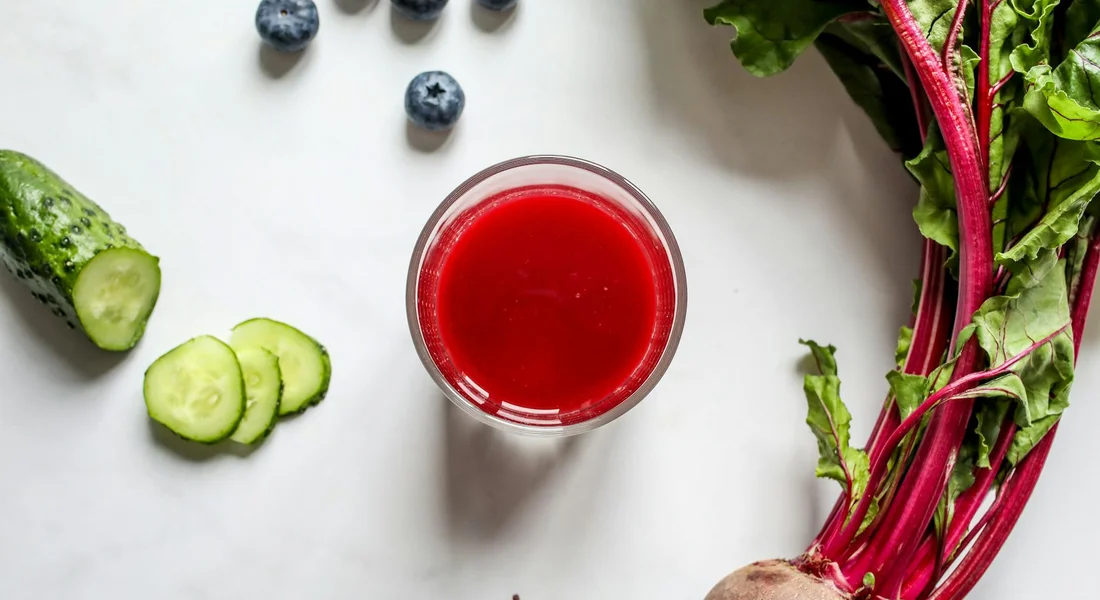
Let’s be honest, when we walk to the paddock with rustling pockets, our horses know the deal. I’ve seen Rusty’s ears prick up at the sound of a carrot bag from fifty yards. But not all treats are created equal, and it’s wise to know what you’re offering. Here’s a quick, practical comparison of beets to the usual suspects.
| Treat | Key Factor | Good For | My Barn Notes |
|---|---|---|---|
| Beets (cooked) | Moderate sugar, high in fiber & folate. | A different flavor, digestive health, a low-mess cubed treat. | Pipin goes nuts for a tiny beet cube, but Luna sniffs it cautiously. Must be cooked to avoid choke. |
| Carrots | Moderate sugar, high in Vitamin A. | Classic, crunchy, usually well-accepted. | Rusty’s absolute favorite. I slice them lengthwise for safer, slower chewing to prevent greedy gulping. |
| Apples | Higher in sugar, contain natural acids. | A sweet reward, hydration. | Always, without exception, core and slice apples to remove the seeds and prevent a choking hazard. I give these sparingly, especially to easy-keepers. |
| Commercial Horse Treats | Often very high in sugars/molasses, added flavors. | Convenience, training motivation. | Read the label like you would for your own snack. I use these rarely, opting for whole foods most days. |
| Beet Greens | Very low sugar, high in Vitamins K & A. | A leafy, healthy snack, great for weight management. | Wash thoroughly! I offer a few leaves by hand mixed with hay to see if they like the texture-it’s a bit like spinach. |
The main takeaway? Beets and their greens offer a nutrient profile that’s distinct from the sugary standard. They can be a fantastic way to add variety and specific vitamins without simply pouring on more empty calories, which is a constant consideration in my barn management.
Introducing Any New Food to Your Horse’s Diet
Horses are creatures of digestive habit. A sudden change, even a benign-looking beet, can upset the delicate microbial balance in their hindgut. Because horses are herbivores, their digestion hinges on a steady, fiber-rich diet and a balanced hindgut. That understanding informs why I introduce changes slowly and observe closely. I treat every new food like a first date: slow, cautious, and with plenty of observation. Here’s my barn-tested method.
Step 1: Start Minuscule
Do not hand your horse a whole beet. Think thumbnail-sized piece of cooked beet, or one or two small beet greens. The goal is to introduce the flavor and compounds in a dose so small it’s unlikely to cause any disruption. This tiny first offering is your probe into their personal preference and gut tolerance, not a reward.
Step 2: Observe Closely
For the next 12-24 hours, be a detective. Watch their manure for any changes in consistency. Listen for gurgling gut sounds or signs of mild colic like looking at their flank. Note their energy levels.
- Did they eat all their hay?
- Is Luna more spooky than usual?
- Does Pipin seem off his cheeky game?
Any sign of digestive unease, even subtle, means you stop and stick to their normal diet. No second chances with gut health.
Step 3: Increase Gradually
If all is well after 24 hours, you can offer a slightly larger piece the next day—maybe two thumbnail-sized bits. Slowly work up to a reasonable serving over a week or more.
FAQ: Can Horses Eat Beets and Beet Greens?
Can I feed my horse both the beet root and the greens?
Yes, both the root and the leafy tops are safe for horses as an occasional treat. Carrots and carrot greens are a classic choice for such treats. Each part has a different nutritional profile, so they should be introduced and fed separately at first. Always chop the root and rinse the greens thoroughly to ensure safe consumption.
What are the primary nutritional benefits of feeding beets?
The beet root provides antioxidants for reducing inflammation and soluble sugars for quick energy. The greens are a rich source of Vitamins A and K, supporting skin, eye, and blood health. Together, they offer a way to add dietary variety and specific nutrients to a forage-based diet.
What are the main pros and cons to consider?
The pros include providing novel enrichment, key vitamins, and beneficial antioxidants. The cons involve the root’s sugar content, which is risky for metabolic horses, and the greens’ oxalates, which can interfere with calcium absorption. Proper preparation and strict portion control are essential to mitigate these risks.
Final Thoughts from the Stable
Beets and beet greens can be a fun, vitamin-rich supplement when offered sparingly. The safest approach is to treat them as an occasional snack, introduced in tiny, chopped portions to avoid choking and digestive surprise.
Go slow and watch your horse closely after their first few bites. Their unique response—not a chart or a blog—will always give you the right answer when deciding if the hay is suitable for their needs, just as proper fit in tack is essential for comfort.
Further Reading & Sources
- Beet Greens – Horse Care – Chronicle Forums
- The Ultimate Guide: Can Horses Eat Beet Greens? (Updated)
- HorseAdvice.com Equine & Horse Advice: Feeding fresh beets
- Beetroot: Superfood for Horses – ehorses Magazine
At Horse and Hay, we are passionate about providing expert guidance on all aspects of horse care, from nutrition to wellness. Our team of equine specialists and veterinarians offer trusted advice on the best foods, supplements, and practices to keep your horse healthy and thriving. Whether you're a seasoned rider or new to equine care, we provide valuable insights into feeding, grooming, and overall well-being to ensure your horse lives its happiest, healthiest life.
Nutrition