
Can Horses Eat Corn on the Cob? A Practical Safety Guide for Horse Owners
Published on: September 13, 2026 | Last Updated: September 13, 2026
Written By: Henry Wellington
Hello fellow barn buddies. That leftover corn on the cob looks like a cheap, tasty snack for your horse, but handing it over can turn a quiet afternoon into an emergency colic surgery. Your hesitation is spot-on-this is one of those stable questions where being wrong costs thousands and risks your horse’s life.
Let’s settle this for good. I’ll cover the specific choking and digestive hazards of the entire cob, how to prepare plain corn kernels safely if you insist on feeding them, the critical signs of obstruction you must watch for immediately, and better, welfare-focused treat options your horse will love just as much.
I’ve cleaned up after one too many risky kitchen scrap experiments in my years managing stalls and training sensitive souls like Luna, so I’m here to give you the grounded, experience-backed facts.
Can Horses Eat Corn on the Cob? The Short Answer
No, you should not feed corn on the cob to your horse. I’ve chased one too many well-intentioned but misguided treats away from curious muzzles at my barn. That whole cob is a digestive disaster waiting to happen, and it’s simply not a risk worth taking for a momentary equine snack. Even Rusty, my treat-loving Quarter Horse, gets a firm “no” on this one—especially when compared to safer treats like zucchini and squash.
Think of it like giving a toddler a whole apple with the core and stem-it’s just asking for trouble. Safer, proven options like chopped carrots or apple slices exist for a reason, and your horse will enjoy them just as much without the danger.
The Real Dangers of Feeding Corn on the Cob
Understanding the specific risks helps you become a better advocate for your horse’s daily care. This isn’t just scare talk; it’s grounded in the basic biology of how your horse works.
Choking Hazard: Cob Fragments and Dental Trouble
A corn cob seems soft to us, but to a horse’s tooth, it’s a hard, fibrous log that shatters into sharp shards. These pieces can easily become lodged in the esophagus. Equine choking is a silent, urgent crisis where every minute counts for veterinary intervention. I once had to help a barn mate’s horse who choked on a piece of hay; the panic in that animal’s eyes is something I never want to see again from a cob.
Those brittle fragments are also brutal on teeth. For senior horses like Pipin or any animal with dental quirks, chewing on cobs can crack teeth or worsen existing wear, leading to pain and weight loss. Watch for these signs of possible choking:
- Coughing repeatedly with head lowered
- Green nasal discharge mixed with saliva
- Pawing at the mouth or acting frantic
- Visible lumps in the neck area
Impaction and Colic Risk
Your horse’s gut is a long, muscular highway designed for a steady flow of forage. The indigestible material in a corn cob acts like a roadblock. This blockage, or impaction, prevents gut motility and is a primary cause of painful, costly colic. It’s the barn equivalent of a major traffic jam in their intestines.
Horses need to trickle-feed, not gulp large, foreign objects. Promoting constant forage intake through turnout and free-choice hay is your best defense against impaction colic, not introducing risky fibrous lumps. Luna’s sensitive system taught me that gut health is everything; I keep her routine as steady as a metronome.
Starch Overload and Laminitis Risk
Corn kernels are little starch bombs. When a horse ingests them rapidly from a cob, this starch dumps into the hindgut and ferments violently. That fermentation acidifies the gut, kills good bacteria, and can trigger the inflammatory cascade that leads to laminitis. Laminitis isn’t just a hoof issue; it’s a full-body metabolic crisis.
Managing starch intake is a cornerstone of preventive care. Gentle horsemanship means protecting your horse from preventable pain by choosing low-starch feeds and prioritizing pasture time over grain-based treats. The thud of a healthy hoof on soft ground is a sound you want to preserve.
Hidden Threat: Mold and Aflatoxin
Corn is notoriously prone to mold, especially in the damp, protected environment of a cob’s core. This mold often produces aflatoxins, potent poisons that attack the liver. You cannot always see or smell these toxins, but they can cause slow, irreversible damage to your horse’s organs. I’m religious about smelling my hay and checking grain; with whole cobs, the risk is too hidden to manage.
Aflatoxin poisoning symptoms are sneaky: lethargy, yellowing gums, or a dull coat. Protecting equine welfare means controlling what you can, and feeding a clean, known diet is the most basic control you have. Don’t let a hidden fungus undo all your good care.
Is Whole Corn or Processed Corn Safer?

When you’re holding an ear of corn, it’s tempting to think ‘natural’ means safe. In the horse world, the opposite is often true. The processing method makes all the difference between a risky snack and a manageable one.
The Problem with Whole Corn for Horses
Whole, dry corn kernels are a significant digestive hazard. They are small, hard, and dense. A horse’s molars are designed to grind fibrous forage, not pulverize tiny, slick pellets. Whole kernels can pass through the horse largely undigested, which means your horse gets almost zero nutritional benefit and you’re wasting your money. More dangerously, these intact kernels can collect in the digestive tract, potentially leading to a compacted colon.
I learned this lesson with my cheeky Shetland, Pipin, who once snuck into the feed room. He didn’t get the bag open, but the vet’s stern reminder about the density of whole grains stuck with me. A horse’s gut isn’t built like a chicken’s; it needs help breaking down such concentrated starch.
Safer Commercial Forms: Cracked and Rolled Corn
Commercial feeds solve the digestion problem by mechanically altering the kernel’s structure. This processing is done for a vital reason: to expose the inner starch to the horse’s digestive enzymes.
- Cracked Corn: Kernels are broken into smaller pieces. This is a good step up from whole corn, greatly improving digestibility.
- Rolled Corn: Kernels are steamed and flattened. This is the gold standard for equine feeding, as the steaming process begins to gelatinize the starch, making it even easier for the horse to process.
Always choose a commercially prepared cracked or rolled corn that’s been tested for mold and contaminants, rather than trying to process it yourself with farm equipment. The consistency and safety controls matter. These forms are also typically incorporated into balanced grain mixes, which dilutes the starch load and adds necessary minerals.
How to Prepare Corn Safely If You Feed It
If you’re using corn as a occasional treat or energy boost, proper preparation is non-negotiable. This isn’t about convenience; it’s about mimicking the safer commercial process at home.
Step 1: Always Remove Kernels from the Cob
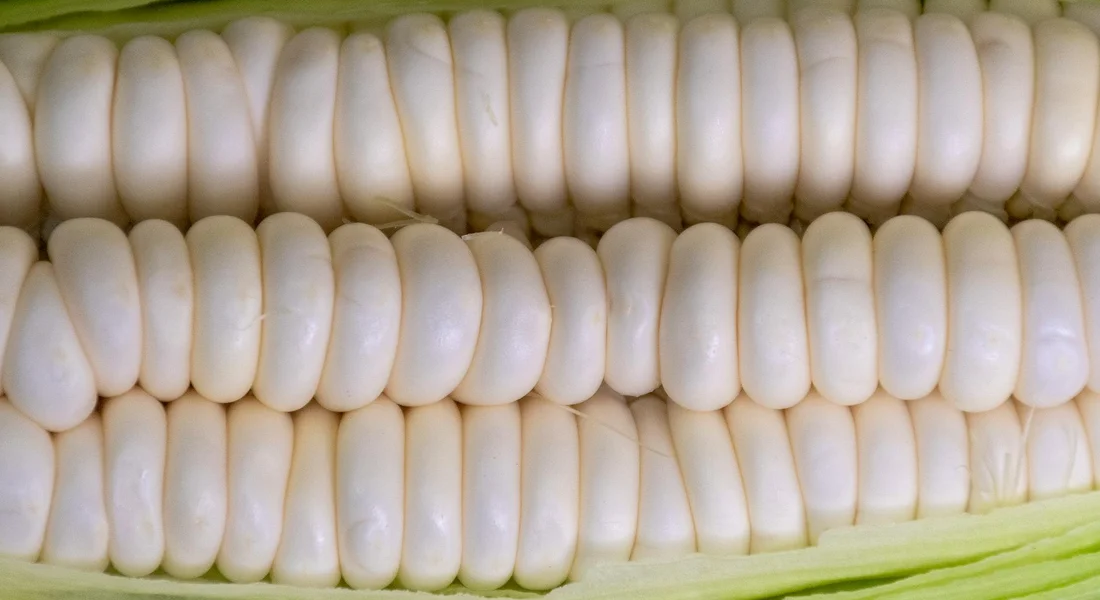
The cob is an absolute no-go. It is indigestible, poses a severe choke risk, and can cause lethal impactions. Use a sharp knife and run it down the cob to slice off every kernel, then discard the cob immediately in a secured trash bin. I’ve seen a horse gum a cob like a toothpick-it’s a heart-stopping sight that teaches you to be meticulous with cleanup.
Step 2: Cook It Plain to Aid Digestion
Take those raw kernels and boil or steam them until they are soft. This replicates the steaming in commercial rolling. Cooking breaks down the complex starches, transforming them into a form your horse’s small intestine can handle more efficiently, which reduces the risk of starch overload in the hindgut. Serve it plain, cooled to room temperature. No butter, salt, or any other human seasonings.
Step 3: Limit Portion Size and Frequency
Corn is a treat or supplement, not a staple. For an average 1,000-pound horse, a half-cup to one cup of cooked kernels is a generous treat amount. This high-starch food should never exceed more than 10-15% of your horse’s total concentrate ration, and many pleasure horses don’t need it at all. It’s for hard-working horses who need the quick-release calories, and even then, it must be fed in strict moderation.
Step 4: Supervise Every Feeding
Never just dump a novel food in your horse’s stall and walk away. Introduce any corn product slowly, over several days, to allow the gut microbiota to adjust. Stand with your horse while they eat it the first few times, watching for any aggressive gulping or signs of discomfort. This also lets you ensure your more submissive herd members, like my steady Rusty, actually get their share and aren’t chased off by more dominant buddies. If you’re transitioning between feeds gradually, do so to protect gut health. Spread the change over several days and monitor how your horse handles the new diet.
Recognizing Trouble: Signs of Cob Impaction

Early Signs: Loss of Appetite and Lethargy
You know your horse’s normal dinner-time enthusiasm. When that vanishes, pay attention. I once found Luna, my dapple grey Thoroughbred, ignoring her grain bucket after a suspiciously quiet moment near the garden pile. A sudden loss of appetite is your horse’s first and clearest way of saying their gut doesn’t feel right.
Lethargy often walks hand-in-hand with a missing meal. Your usually bright-eyed partner might stand listlessly in the stall, showing no interest in the herd or a passing treat. That dull, disinterested posture is a quiet alarm bell that demands your time and observation.
Emergency Signs: Colic Symptoms and Discomfort
When an impaction blocks the digestive tract, it can spiral into colic. This looks like frequent pawing, repeated lying down and standing up, or biting at their belly. You might hear gut sounds drop to an eerie silence. Colic is a five-alarm fire in the equine world, and recognizing these signs early is critical for survival.
I remember the cold knot in my stomach watching Pipin, our Shetland, pace and look at his flank. That experience cemented my rule: assume nothing. That moment also pushed me to ask: are the early warning signs of colic something you can spot early in horses? Knowing what to watch for can save time and distress. If your horse shows any colic symptoms, stop reading and call your veterinarian immediately.
What to Feed Instead: Safer Treat and Grain Alternatives
Forage-First: Hay and Pasture as the Diet Base
Forget fancy grains; think like a horse. Their digestive systems are built for slow, steady grazing on fibrous plants. The cornerstone of every horse’s diet should be free-choice hay or quality pasture, not concentrated snacks. (It’s not straw!).
I structure Rusty’s day around turnout. The constant movement and chewing keep his mind calm and his gut moving. Prioritizing forage isn’t just about nutrition; it’s a cornerstone of ethical, gentle horsemanship and prevention.
Simple, Safe Treat Options
Rewards should be safe and simple. Choose items that are easy to chew, digest, and won’t become a hazard. The best treats are low in sugar, high in fiber, and cut or designed to minimize choking risk.
Here is my go-to list for guilt-free bribes:
- Carrot sticks, sliced lengthwise to prevent choking
- Apple slices with the core and seeds removed
- Commercial horse treats that crumble easily in the mouth
- Handfuls of soaked beet pulp for a sweet, mushy snack
- Fresh mint or basil leaves from the garden
- A flake of extra-fragrant alfalfa hay as a special delight
Your Feeding Safety Protocol: When to Get Veterinary Advice
Trust your gut. If your horse misses two meals or acts unusually quiet for more than a few hours, it’s time to call the vet for guidance. Describing specific changes in behavior and manure output helps your vet triage the situation over the phone.
Any visible colic sign-like rolling, sweating, or no gut sounds-means you call the vet now. Do not wait to see if it passes. Have your vet’s number, your address, and your horse’s vital signs accessible at all times; this preparation turns panic into procedure, especially when you know how to recognize and respond to a horse colic emergency.
Prevention is your most powerful protocol. Supervise all treat-giving, inspect your pasture for windblown debris, and make forage the main event. A simple rule saves lives: when you’re unsure if a food is safe, the answer is always no.
Your Feeding Safety Protocol: When to Get Veterinary Advice
Let’s be real-barns are full of well-meaning but risky snacks. Your first protocol is to treat every unknown cob like a hazard and call your vet at the first sign of trouble, not as a last resort. I once found Pipin with a half-chewed cob he’d pilfered; the smell of his anxious sweat and the unusual quiet in his stall had me on the phone in seconds.
Recognize These Non-Negotiable Red Flags
Horses communicate pain through abrupt changes in behavior and posture. Any deviation from your horse’s normal, cheerful demeanor after eating corn is your cue to stop feeding and start observing. Luna, for instance, will quit tugging at her hay net and stand statue-still, a stark contrast to her usual lively pacing.
- Gut Sounds: Silence from the belly or loud, gurgling groans.
- Manure Pattern: Dry, scant pellets or complete stoppage.
- Posture: Repeatedly stretching as if to urinate, or violently rolling.
- Mood: Uncharacteristic aggression when touched near the belly, or dull depression.
Your In-The-Moment Action Plan
Panic helps no one, but a clear checklist does. Keep this sequence posted on your feed room door: it turns worry into actionable steps. I’ve used it with Rusty when he got into the grain bin, and it kept my hands busy while my brain raced.
- Secure the horse in a safe, familiar stall or small paddock to prevent injury.
- Do not walk them endlessly; gentle movement can help, but forced marching exhausts a colicking horse.
- Withhold all feed, but offer small sips of water unless your vet says otherwise.
- Gather your intel: Note the time of ingestion, the amount, and photograph the corn or cob if possible.
What Your Vet Needs to Know Immediately
A frantic “my horse is sick!” call wastes precious minutes. When you dial, lead with the facts: “My 12-hand pony ate an entire corn cob about two hours ago, and now he’s down and rolling.” This gives your vet a mental image and lets them prepare tools like a nasogastric tube or ultrasound before they even arrive.
Be ready to answer these questions:
- What are the horse’s vital signs right now?
- Is there any evidence of choke, like drooling or coughing?
- Has the horse passed any manure since eating?
- What is the horse’s vaccination and deworming history?
A vet would always rather make a trip for a false alarm than an emergency for a preventable tragedy. The thud of hooves kicking a stall wall is a sound you never forget, and it’s always louder at 2 AM.
Beyond the Obvious: Subtle Signs for the Attentive Owner
Not all crises announce themselves with rolling. Monitor for subtle shifts like a loss of shine in the coat, a slight decrease in water consumption, or a hesitant step when turning. These can indicate low-grade discomfort or the early stages of an impaction long before a full-blown colic.
Discuss a prevention plan with your vet during a routine visit. Ask about having banamine on hand for pain management during a colic episode, but stress that you will never administer it without their direct phone authorization. This proactive chat builds a partnership and could save your horse’s life.
Frequently Asked Questions: Can Horses Eat Corn on the Cob?
Can horses eat corn on the cob?
No, horses should never consume corn on the cob due to the severe health risks it presents. The cob is indigestible and can lead to choking or life-threatening impactions. Always choose safer treat alternatives to protect your horse’s well-being, such as those recommended in our corn product safety guide.
Is whole corn safe for horses?
Whole, dry corn kernels are unsafe for horses because they are difficult to digest and may cause intestinal blockages. Processed forms like cracked or rolled corn are safer, as they are designed for better equine digestion. Incorporate these only in moderation as part of a balanced diet. For more practical guidance on corn safety and nutrition for horses, see the horses eat corn safety nutrition guide. It covers safe serving sizes, alternatives, and warning signs to watch for.
What parts of corn are safe for horses?
Only the kernels, separated from the cob, can be safely fed to horses when properly prepared. Cook the kernels to soften them and reduce starch-related risks, and always feed in small, controlled amounts. Avoid all other parts, including the cob, husk, and silk, to prevent digestive hazards. For a broader list of safe vegetables for horses, our vegetables horses eat safe options guide explains which vegetables are safe, how to prepare them, and serving portions.
Barn-Tested Truths About Corn
Whole corn cobs are a dangerous choking and impaction hazard and should never be in your treat bucket. The only safe way to offer corn is removed from the cob, introduced slowly, and fed in very limited quantities as a supplement, not a staple.
Always prioritize your horse’s digestive comfort over their momentary enthusiasm for a sweet snack. The best feeding guide isn’t a label—it’s your horse’s own behavior and well-being, coupled with proper portion control.
Further Reading & Sources
- I have heard that feeding corn to horses isn’t good for them. Where is the safe limit when feeding corn? The horses that are being fed are draft horses who do work but not overly hard. | Extension Horses
- Can Horses Eat Corn on the Cob? Expert Feeding Guidelines and Risks – Dream Horse
- Can Horses Eat Corn on the Cob? Nutrition & Health Facts | PangoVet
- Can Horses Eat Corn? Risks and Benefits.
At Horse and Hay, we are passionate about providing expert guidance on all aspects of horse care, from nutrition to wellness. Our team of equine specialists and veterinarians offer trusted advice on the best foods, supplements, and practices to keep your horse healthy and thriving. Whether you're a seasoned rider or new to equine care, we provide valuable insights into feeding, grooming, and overall well-being to ensure your horse lives its happiest, healthiest life.
Nutrition