
How Much Sweet Feed Should You Give Your Horse? Your Guide to Safe Portion Control
Published on: September 20, 2026 | Last Updated: September 20, 2026
Written By: Henry Wellington
Hello fellow equestrians! That moment of uncertainty at the feed bin, scoop in hand, is a shared experience. Figuring out the right amount of sweet feed is crucial-get it wrong, and you risk weight issues, metabolic disorders, or a horse with more fizz than focus.
Let’s solve this together. In this guide, I’ll provide a clear path to feeding with confidence. We’ll cover:
- The simple math behind calculating daily portions based on your horse’s actual weight and workload.
- How to spot the physical and behavioral red flags of overfeeding sweet feed.
- My stable-tested system for measuring, mixing, and safely adjusting rations.
This comes from years of barn management and training, dialing in diets for everything from steady Quarter Horses to hot-blooded Thoroughbreds.
Understanding Sweet Feed: What’s in the Bag?
Open a bag of sweet feed and that molasses scent hits you-it smells like a barn treat day. But before you scoop, you need to know what you’re pouring. Sweet feed is typically a mix of cracked grains like corn, oats, and barley, held together with molasses for taste and to reduce dust.
That sticky sweetness is why we love it and why we must be cautious; it’s calorie-dense and can spike a horse’s sugar intake if fed carelessly. I’ve seen calm barns turn buzzy after well-meaning owners overdid the “sweet” in sweet feed.
Common ingredients you’ll find include:
- Whole or processed grains for energy
- Molasses for palatability and binding
- Often added vitamins and minerals for balance
- Sometimes pellets containing protein or fiber
My old reliable, Rusty, would sell his soul for a scoop, but Luna’s thoroughbred metabolism means even a little extra can make her hot and anxious. Your horse’s forage should always be the foundation of their diet; think of sweet feed as a supplement, not the main course. I advocate for long turnout time over stall snacks, as a horse moving and grazing is processing nutrients far better than one standing still. And remember, not all horses need grain.
How to Determine the Right Amount for Your Horse
There is no universal scoop. The right amount dances between your horse’s needs and what’s already in their manger. Start with this mindset: if your horse maintains good weight and energy on hay or pasture alone, they may not need any sweet feed at all.
I learned this the hard way with Pipin, our Shetland pony. A handful seemed harmless, but his round belly soon told another story. For a pleasure horse like Rusty, a small daily portion provides a shiny coat and a happy attitude without the jitters.
You must become a detective, observing weight, energy levels, and hoof quality. It’s a balancing act where the scale and your eyes are your best tools.
Key Factors That Change Sweet Feed Quantity
Four main things will change how much you pour from that bag. Ignore them, and you’re either wasting money or heading for trouble.
- Workload: A horse in light trail work needs far less than one in heavy training. Luna in peak work gets measured cups, not scoops.
- Age and Life Stage: Growing youngsters, pregnant mares, and senior horses have vastly different nutritional demands that change the equation.
- Metabolism and Breed: Compare easy-keeping Rusty to lean Luna. A quarter horse often needs less than a high-strung thoroughbred to avoid gaining excess weight.
- Forage Quality: Is your hay rich alfalfa or sparse grass hay? The better your roughage, the less grain you typically need to add.
Turnout time is a secret factor; a horse moving freely all day will use calories more efficiently than a stalled horse, often requiring less concentrated feed. Always adjust for the individual, not the label on the bag. A healthy exercise turnout schedule for horses complements this approach. It helps keep energy balanced and supports long-term fitness.
A Practical Method for Calculating Portion Size
Forget guesswork. Use this simple barn-math method I’ve relied on for years. Grab a notebook and a weight tape.
- Estimate Your Horse’s Weight. Use a weight tape around the girth. For accuracy, do it three times and average the numbers.
- Calculate Total Daily Feed. A horse at maintenance eats 1.5% to 2% of its body weight in total feed per day. For a 1,000-pound horse, that’s 15 to 20 pounds of everything-hay and grain combined.
- Subtract the Hay. Weigh your hay flakes. If your horse eats 15 pounds of hay daily, and they need 18 pounds total, you have only 3 pounds left for sweet feed.
- Convert to Volume. A pound of sweet feed is roughly one quart by volume. So those 3 pounds become about 3 quarts, split into two smaller meals.
- Monitor and Adjust. Weigh your horse weekly. If they’re losing condition, add a cup. If they’re getting fat, cut back. It’s that simple.
Never feed more than 5 pounds of grain in a single meal to avoid digestive upset like colic; split the daily portion into at least two feedings. I keep a marked scoop in each horse’s bin to avoid mix-ups-Pipin’s is comically small. This method grounds you in reality, not the hopeful pour from a feed bag. If oats are part of your horse’s daily ration, following the daily oats feeding guidelines helps determine the appropriate amount.
The Golden Rule: Forage First in Equine Nutrition
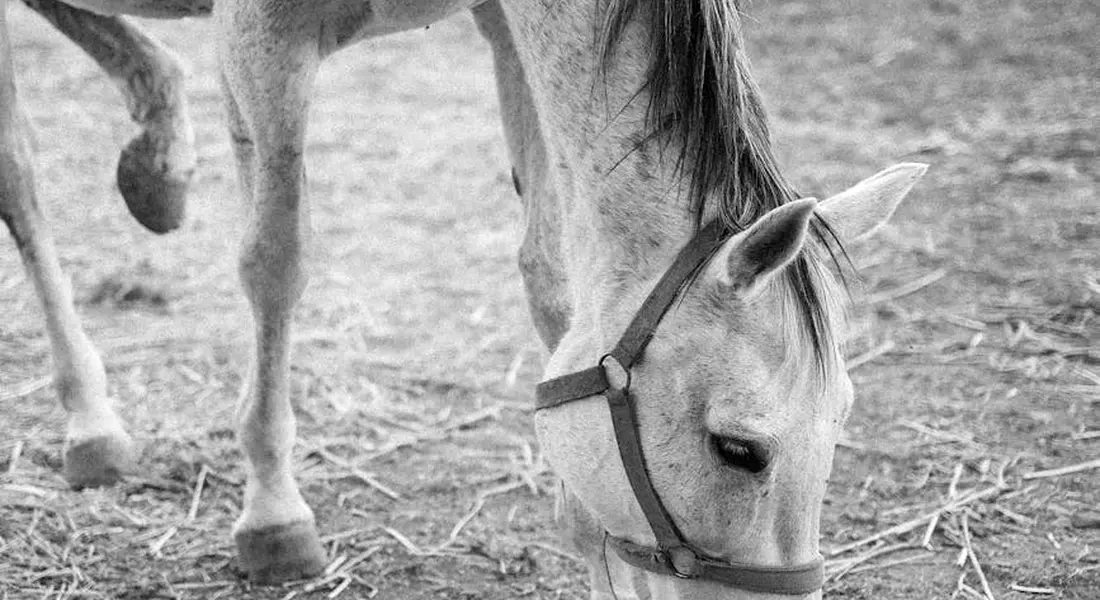
Imagine your horse’s stomach is a slow, steady campfire. Forage-good hay or grass-is the stack of solid, long-burning logs. Sweet feed is like tossing a cup of gasoline on it. It creates a flash of heat, but it doesn’t last and can be downright dangerous. Their entire digestive tract is engineered for the nearly constant, gentle processing of fibrous plants. Their digestive system works best with steady, fibrous intake rather than sudden, high-energy boosts.
The foundation of every meal must be forage, period, aiming for 1.5% to 2% of their body weight in hay daily. I’ve seen too many fizzy, foot-sore, or colicky horses whose issues traced back to a forage deficit, even in a “well-fed” stall. Understanding and adhering to the basics of equine nutrition is essential for maintaining their health and performance.
Why Sweet Feed Should Never Be the Main Course
Sweet feed is a supplement, not a staple. It’s a tool for adding calories, vitamins, or minerals that might be missing from your hay. Think of it as a daily vitamin, not a meal replacement shake.
Relying on sweet feed as a primary calorie source is a fast track to digestive upset, behavioral fireworks, and metabolic disorders like laminitis. The high starch and sugar content disrupt the delicate balance of the hindgut, where fiber is supposed to be fermented.
| Forage (Hay/Grass) | Sweet Feed (Concentrate) |
|---|---|
| Fuels the “campfire” slowly and safely. | Creates a “gasoline flash” of energy. |
| Promotes healthy gut motility and prevents ulcers. | Can sour the hindgut if fed in large, infrequent meals. |
| Satisfies the natural need to chew and forage for 16+ hours a day. | Is consumed in minutes, leaving hours of mental boredom. |
| Primary source of calories for most pleasure horses. | Should only provide calories your horse can’t get from forage. |
My old lesson pony, Pipin, would get a handful of sweet feed as a “thank you” after a ride, but his main job was to mow his paddock. His sleek coat and steady demeanor came from that grass, not the bucket.
Step-by-Step: Introducing and Adjusting Sweet Feed Safely
A sudden change in any feed is an invitation for colic. A horse’s gut microbiome is a finely-tuned ecosystem, and shocking it with new sugars and grains is like moving a coral reef to a new ocean overnight. It’s one of the feeding mistakes that greatly increase your horse’s colic risk.
Any change in feed type or amount must be stretched over a minimum of 10-14 days, no exceptions. This patience is non-negotiable, whether you’re adding feed, taking it away, or switching brands.
How to Transition To or From Sweet Feed
Let’s walk through the process. You’ll need a kitchen scale, a dedicated feed scoop, and a calendar.
- Start with the Baseline. Determine the absolute maximum amount your horse might need based on workload and body condition. For most, this is 0.5% of body weight or less per meal. A 1000lb horse gets no more than 5lbs total per day, split into multiple meals.
- Begin the Mix. Start by replacing 25% of their current concentrate (or adding a tiny amount to their forage) with the new sweet feed. Do this for 3-4 days. Watch manure consistency and behavior like a hawk.
- Increase Gradually. Move to a 50/50 mix for another 3-4 days. Listen to your horse. Is Luna getting hotter? Is Rusty’s manure still perfect? Adjust your timeline based on what you observe.
- Complete the Switch. Move to 75% new feed, then 100% over the final week. The slower you go, the safer you are; rushing this process is the most common mistake I see in the barn.
To reduce or eliminate sweet feed, you simply reverse the process, mixing in more and more of a safer alternative (like a balancer pellet or soaked beet pulp) or simply diluting it with more forage. Their gut will thank you for the gentle retreat.
Avoiding Pitfalls: Risks and Signs of Overfeeding
I learned this lesson the hard way with Luna, my sensitive Thoroughbred. A few extra handfuls of sweet feed one winter, intended to keep her weight on, made her jittery and footsore within days. Overfeeding concentrates is a fast track to metabolic havoc, and sweet feed’s palatability makes it dangerously easy to do. Your horse’s system is designed for a slow trickle of forage, not a sugar bomb.
Common Sweet Feeding Mistakes to Skip
Watch for these barn habits that can quietly cause problems. Spotting them early saves vet bills.
- Feeding by volume, not weight. That red scoop might hold 2 lbs of pellets but 3.5 lbs of sweet feed. You’re guessing, and guesses are often wrong.
- Compensating for poor-quality hay with more grain. This swaps necessary roughage for empty calories and starch. Fix the forage first.
- Using sweet feed as a primary reward. Hand-feeding it from the bucket teaches mugging. Use a carrot stub or a single timothy hay pellet instead.
- Feeding a full portion to a horse coming off stall rest. Their energy requirements have plummeted. Start at half and adjust slowly as work resumes.
- Ignoring the weather. On a frigid day, you might need more calories. On a sudden warm spell, that same amount could fuel laminitis in a prone horse.
Practical Barn Management: Measuring and Storing Sweet Feed
The difference between theory and a healthy horse happens in the feed room. It’s in the click of the scale and the smell of fresh, clean feed. Good management is the silent partner to every good feeding plan. It helps you avoid common feeding myths that can be harmful to your horse.
How to Measure Sweet Feed Portions Accurately
Banish the scoop-alone method. Here’s how to get it right, every time.
- Invest in a simple hanging scale. Clip an empty bucket to it, tare it to zero, and pour your feed in until you hit the exact pound amount from your feed chart or nutritionist.
- Pre-measure daily portions. Each morning, I use the scale to fill individual feed tubs for Rusty, Luna, and Pipin. It takes five minutes and eliminates “eyeballing” fatigue at 6 PM.
- Mark your scoops. If you must use a scoop, weigh what it holds when full and leveled off. Use a permanent marker to write “Luna: 1.5 lbs” right on the handle.
- Weigh at least once a week. Feed density can change with new batches. A quick re-weigh keeps you honest.
Storing Sweet Feed Properly to Preserve Quality
I once lost six bags to moths because of a tiny tear in the plastic. Proper storage protects your investment and your horse’s gut.
- Use airtight containers. Metal or thick plastic bins with sealing lids are best. I use repurposed metal trash cans with gasketed lids-they’re rodent-proof and weather-tight.
- Keep it cool and dry. Heat and humidity are enemies, turning feed rancid or moldy. Never store feed in a hot tack room or damp corner of the barn.
- Practice first-in, first-out. Put new bags at the back of the storage area so you use the oldest feed first. Write the purchase date on the bag with a marker.
- Inspect every scoop. Before it goes in the bucket, look and smell. Good sweet feed smells slightly sweet and nutty. Throw out anything with a sharp odor, visible clumps, or webbing.
- Clean bins between bags. Empty the last crumbs, sweep them out, and wipe the bin down. This prevents stale residue from contaminating your fresh, expensive feed.
FAQ: How Much Sweet Feed Should You Give Your Horse? Proper Portion Control
How often should you feed sweet feed to a horse?
Sweet feed should be split into at least two smaller meals daily to align with a horse’s natural digestion and prevent issues like colic. For horses with higher energy needs, such as those in intense training, three feedings per day can help manage portion sizes safely. Consistent timing and avoiding large single meals are key to maintaining stable blood sugar and gut health. This approach is a cornerstone of a comprehensive daily feeding routine guide for horses. Following these timing principles helps you create a precise, reliable schedule tailored to your horse’s needs.
What to do if a horse refuses sweet feed?
First, check the feed for freshness, as spoilage from improper storage can cause rejection. Gradually mix small amounts with preferred forage or moisten it slightly to improve taste and texture. If the refusal continues, consult a vet to assess dental health or underlying conditions that may affect appetite.
Should sweet feed be fed wet or dry?
Sweet feed can be fed dry, but dampening it reduces dust and aids horses with dental challenges or picky eating habits. Wetting the feed also helps prevent choke and can make it more appealing for some horses. Always serve dampened feed immediately and clean buckets promptly to avoid bacterial growth from leftover moisture.
Finding the Right Measure
Sweet feed should be a careful supplement to a forage-based diet, with portions strictly tailored to your horse’s workload and body condition. The safest approach is to treat it like a condiment—a little goes a long way, and too much risks founder, ulcers, and behavioral fireworks. When supplementing, make sure it fits into a balanced diet for a performance horse.
Adjust amounts slowly and observe how your horse feels and performs every single day. Your most reliable tool is your own observation: a content horse with steady energy and a healthy weight tells you you’ve gotten it right. This is especially important when managing your horse’s weight and diet.
Further Reading & Sources
- Sweet feed | The Horse Forum
- How Much Sweet Feed Are You Suppose to Give to One Horse? | Pets on Mom.com
- What Are Those Pellets in the Sweet Feed? – Kentucky Equine Research
- Is 12% sweet feed good for horses? – Quora
At Horse and Hay, we are passionate about providing expert guidance on all aspects of horse care, from nutrition to wellness. Our team of equine specialists and veterinarians offer trusted advice on the best foods, supplements, and practices to keep your horse healthy and thriving. Whether you're a seasoned rider or new to equine care, we provide valuable insights into feeding, grooming, and overall well-being to ensure your horse lives its happiest, healthiest life.
Nutrition