
Transitioning Between Feeds: How to Safely Change Your Horse’s Diet
Published on: September 7, 2026 | Last Updated: September 7, 2026
Written By: Henry Wellington
Hello fellow equestrians! Suddenly swapping your horse’s grain or hay can upset their delicate digestive system, leading to colic or founder. I’ve felt that knot in my stomach watching a good horse bellyache, knowing the vet call and sleepless night ahead.
In this article, I’ll give you a clear, slow-and-steady plan to switch feeds without the drama. We’ll cover:
- The precise 10-to-14-day mixing schedule I use with every horse in my care.
- How to read your horse’s manure and mood for early signs of trouble.
- Smart adjustments for seniors, skinny hard keepers, and high-energy performance animals.
My methods are barn-tested, drawn from years of management and training with sensitive souls like my thoroughbred Luna, who reminds me daily that gentle changes are a cornerstone of good horsemanship.
Why a Slow Feed Change is Non-Negotiable
Think of your horse’s hindgut as a busy, delicate brewery vat. Billions of microbes ferment fiber there, creating energy and keeping the whole system stable. This microbial community is finely tuned to your horse’s current diet, and shocking it with new feed causes a riot. An abrupt change starves some bacteria and overfeeds others, producing gases and toxins that can lead to serious trouble.
I learned this the hard way years ago when a well-meaning boarder at our barn quickly swapped her horse’s hay. The result was a frantic colic scare-the vet called it a classic case of dietary indiscretion. Rapid feed changes risk colic, laminitis, and messy diarrhea, turning a simple switch into a veterinary emergency. The thud of a horse pawing in pain is a sound you never forget, and it’s entirely preventable with patience.
Everything in equine digestion hinges on fiber from roughage. Long-stem hay or pasture provides the bulk that keeps the hindgut fermentation vat churning smoothly and predictably. Any new grain or concentrate must be introduced around that steady, fibrous foundation to avoid upset.
Laying the Groundwork: Planning Your Horse’s Diet Transition
Before you buy a single new bag of feed, stop and do a proper assessment. Start by knowing exactly what your horse is currently eating–get a feed analysis if you can and record his body condition score. This gives you a baseline so you’re not changing blind.
Choosing a new feed isn’t about the prettiest bag. Consider palatability, actual nutritional value, and how it matches your horse’s work. A senior horse like Rusty needs different fuel than Luna, my high-energy Thoroughbred, who burns calories just thinking about her next move.
Always adopt a forage-first mindset. Comparing hay types-like the slow-digesting timothy versus richer alfalfa-teaches you how long-stem fiber is the anchor of every healthy diet. Your goal is to build the new plan on this solid, grassy base.
Step 1: Analyze the Old and New Feed
Lay the old and new feed tags side by side. Your eyes should go straight to the numbers for starch, sugar, and fiber. A significant jump in starch or sugar content is a red flag that demands an even slower transition to let the hindgut adjust.
Never overlook water. Hydration is the silent partner in digestion, helping move new feed through the system and preventing impactions. Always ensure clean, fresh water is available, especially during a diet change.
Step 2: Assess Your Horse’s Individual Needs
Your horse is not a generic model. Age, workload, and health status dictate everything. A portly Shetland like Pipin needs a low-sugar, low-starch diet to avoid metabolic issues, while an athlete in work may need more concentrated energy. Fit the feed to the horse, not the other way around.
Remember that pasture is feed, too. Seasonal changes in grass quality-like the lush sugar spike in spring-mean you must adjust your total diet plan accordingly. What works in November may not work in May.
Building Your Gradual Transition Schedule
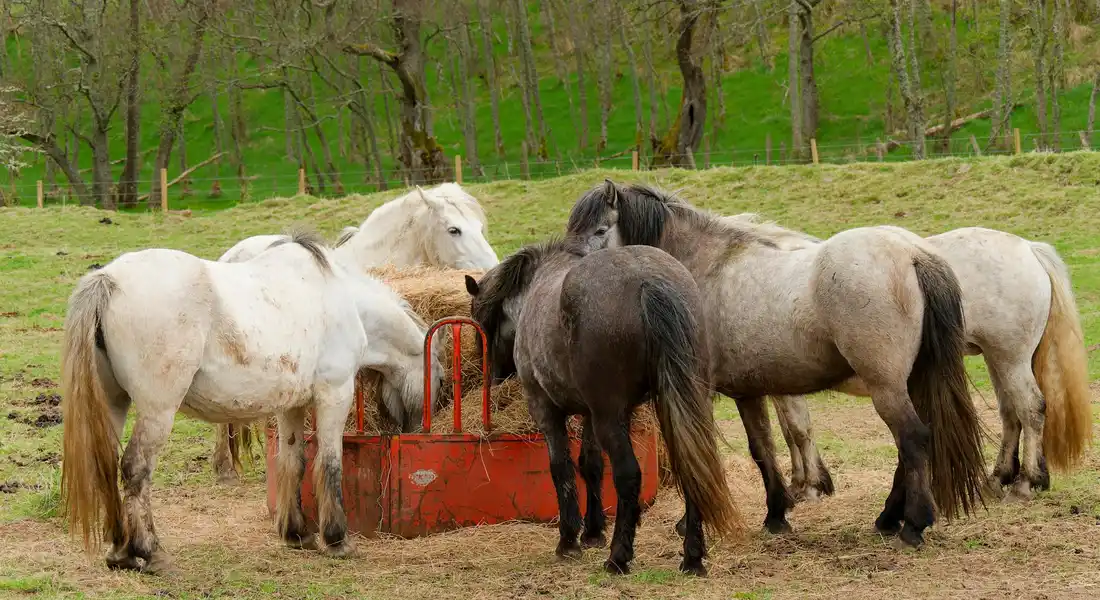
A feed transition isn’t a suggestion-it’s a non-negotiable kindness to your horse’s gut. Rushing this process is like swapping your morning coffee for pure espresso; the shock to the system is real and potentially damaging. The golden rule is to make changes so slowly that your horse barely notices anything is different until the old feed is long gone. I learned this the hard way with Luna, my sensitive Thoroughbred, who will write me a strongly-worded letter with her hooves if I’m careless with her dinner.
The Standard 10-Day Guide for Grain Changes
This timeline is your baseline for switching bags of pellets, sweet feed, or other concentrates. If your horse has a history of digestive issues, stretch it to 14 days. Consistency is your best friend: feed at the same times each day in the same quiet environment. Noting how often your horse poops can help you understand their digestion. This simple check reinforces why keeping a consistent feeding rhythm matters.
- Days 1-3: The cautious introduction. Mix 25% of the new feed with 75% of the old.
- Days 4-6: The halfway point. Shift to a steady 50/50 mix. Watch manure like a hawk.
- Days 7-9: The home stretch. Use 75% new feed with just 25% of the old.
- Day 10: The full switch. You can now feed 100% of the new concentrate.
| Day | Old Feed | New Feed | Notes |
|---|---|---|---|
| 1-3 | 75% | 25% | Introduce slowly. Monitor for hesitation to eat. |
| 4-6 | 50% | 50% | The critical midpoint. Manure should remain formed. |
| 7-9 | 25% | 75% | Almost there. Ensure water intake stays strong. |
| 10 | 0% | 100% | Full transition complete. Maintain vigilance. |
Transitioning Forage: Hay and Pasture
Changing hay or moving to lush spring pasture requires even more patience than swapping grain. The microbial population in the hindgut is highly specialized; moving from a coarse, stemmy Timothy to a rich, leafy Alfalfa is a massive shift for them. A new batch of hay should be introduced over a minimum of two to three weeks, not days, to prevent colic and laminitis risks.
Start by offering a single flake of the new hay alongside the old hay. Note the differences-the new hay might smell sweeter or feel softer. Over the next 14-21 days, gradually replace more flakes of the old with the new. For pasture changes, limit grazing time drastically at first, using a grazing muzzle or drylot turnout for part of the day. Soaking new hay for 30 minutes can help reduce sugar and dust content, making the introduction gentler on a sensitive system.
Monitoring Your Horse: Signs of Success or Distress
Your daily chores become your most important research during a feed change. This isn’t just about dumping meals and walking away; it’s about quiet observation. Watch, listen, and feel for the subtle signals your horse is sending you, especially when following the feeding schedule you’ve set.
Positive signs of tolerance are easy to miss because they look like normal horse behavior-which is exactly what you want. Look for a consistent pile of well-formed, moist manure balls. You should see good energy for their normal work and a calm, interested attitude at feeding time. Their water bucket level should drop as expected, and their coat should remain bright.
The red flags demand immediate action. If you see loose stools or diarrhea, stop the transition and revert to the old feed. A loss of appetite, where they nuzzle the feed but walk away, is a major warning. Lethargy, standing hunched, frequent lying down and getting up, or looking at their flank are all potential signs of colic. Any sign of abdominal pain means you stop the new feed entirely and call your veterinarian without delay.
Make these checks part of your routine: the manure pile consistency first thing in the morning, the amount of leftover feed, and the general demeanor in the stall or field. Trust your gut-you know your horse’s normal better than anyone. If my easy-keeper pony Pipin ever leaves a single bite of food, I know something is seriously wrong in his world.
Navigating Common Transition Pitfalls
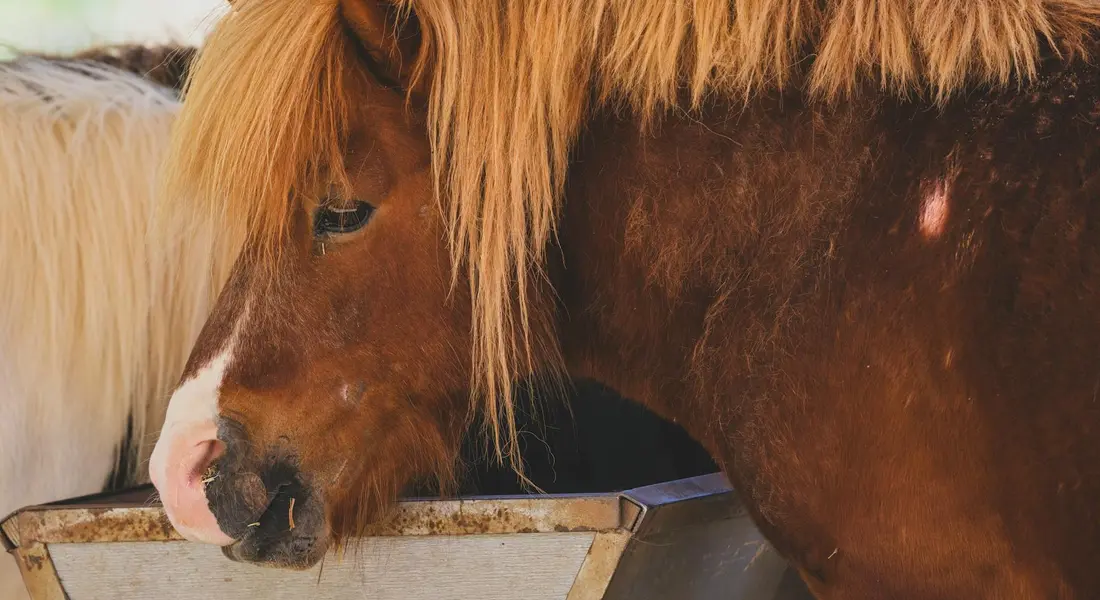
Even with the best intentions, it’s easy to stumble. The most common error I see is haste, born from our own busy schedules. Swapping from one bag of feed directly to another over a weekend is asking for a digestive revolt, plain and simple. The equine gut is a finely-tuned fermentation vat, not a garbage disposal.
The Double-Change Dilemma
Never change the type of feed and the amount at the same time. If you’re switching to a richer concentrate, you must start with a smaller quantity of the new feed than the old one. I learned this with Luna; moving her to a higher-energy pellet and giving the full scoop led to a week of jitters and loose manure. A tense horse is an unhappy horse.
Dealing with the Picky Patron
Some horses, like Pipin, treat new food with profound suspicion. If your horse turns up their nose, don’t panic and don’t immediately sweeten the deal with molasses. It’s important to be patient and manually manage their diet.
The Forgotten Factor: Water
Hydration is the silent partner in every feed transition. Any change in diet, especially to drier feeds like some pellets or more fibrous hay, requires a vigilant eye on water intake. A dehydrated gut moves slowly, making impaction colic a real risk. Always ensure clean, fresh water is available and watch for those tell-tale manure balls becoming dry or smaller.
Special Considerations for Different Feed Types
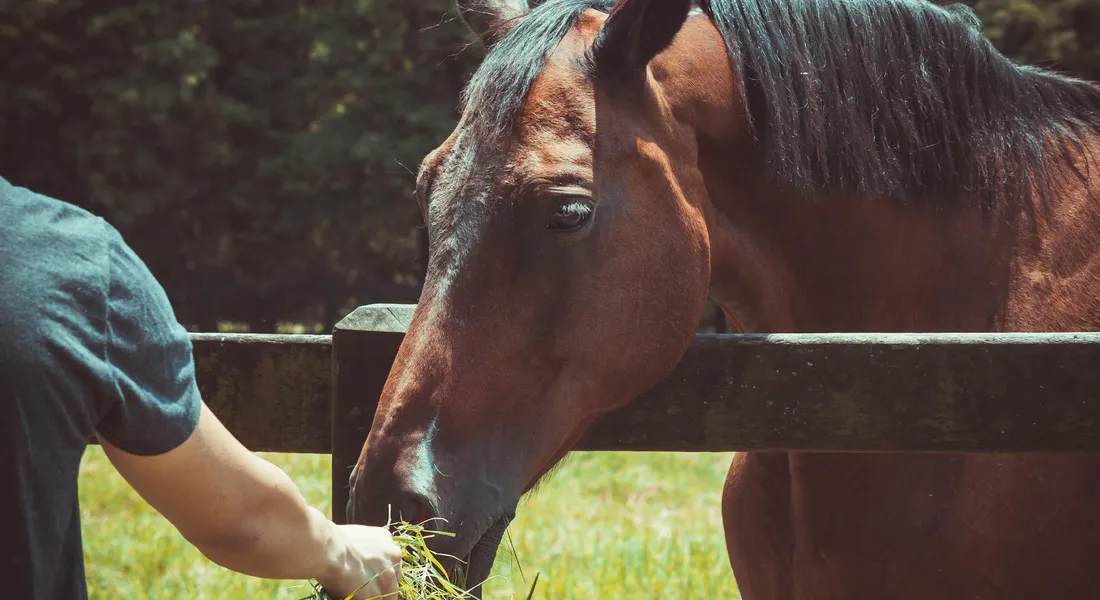
Not all feeds are created equal, and the form they take changes the game. The texture, density, and sugar content all demand respect.
Pellet vs. Sweet Feed vs. Textured
Moving between these types isn’t just about nutrition; it’s about physics and taste.
- Pellet to/from Sweet Feed: This is often a major palatability shift. Horses love molasses. Transitioning from sweet feed to plainer pellets requires extra slowness and mixing cunning.
- Textured Grain Mixes: These often contain whole oats or corn. Chewing is required, which is good, but they can settle and separate in the bucket. Always give textured feeds a hearty stir before feeding to ensure your horse gets the full, balanced ration, not just the tasty whole grains off the top.
- General Rule: Transitions between feeds of similar form (pellet to pellet) are often smoother than going from a textured mix to a pelleted ration.
The Pasture Permission Slip
Moving a horse from a dry lot or winter hay onto lush spring pasture is one of the most dangerous feed changes. That tender grass is packed with sugars and can cause laminitis. Transitioning your horse to pasture should be done carefully and gradually.
Adding Supplements Without Stirring Trouble
Introducing a new supplement is a feed change for a single meal component. Start with a half-dose for several days to check for any taste aversion or subtle reaction. Always introduce one new supplement at a time; if you start three at once and your horse develops loose stool, you’ll have no idea which one is the culprit. Mix powdered supplements thoroughly into a very small, dampened portion of feed first to prevent sorting and ensure it’s all consumed.
FAQ: Transitioning Between Feels: How to Safely Change Your Horse’s Diet
What should I do if my horse shows signs of colic during the diet transition?
Immediately stop the new feed and revert to the previous diet to stabilize your horse’s digestive system. Contact your veterinarian promptly for guidance, as colic can escalate quickly into an emergency. Ensure your horse has access to clean water and monitor closely for any worsening symptoms like persistent pawing or rolling.
How do I transition my horse’s diet when also changing their turnout schedule or exercise routine?
Keep dietary changes separate from adjustments in exercise or turnout to avoid overwhelming your horse’s system. Prioritize completing the feed transition over 10-14 days before gradually altering activity levels. This staggered approach helps isolate any digestive issues and ensures your horse adapts safely to each change. Also, consider the timing of meals and activity—giving a short rest after eating can help your horse digest more comfortably. For specifics on how long to wait after eating before exercising, proper timing can ensure your horse’s safety and comfort.
Are there specific tools or products that can aid in monitoring a horse during a feed transition?
Using a simple journal to track daily manure consistency, feed intake, and behavior can help identify patterns or early warning signs. Tools like grazing muzzles are useful for managing pasture access during forage changes. Regularly consulting with an equine nutritionist or using feed analysis services can also provide valuable insights for long-term diet success. Understanding equine nutrition basics helps translate these observations into feeding strategies that support optimal health and performance. Aligning daily intake and forage with your horse’s needs lays the groundwork for consistent energy, condition, and well-being.
Barn-Door Truths on Feeding Shifts
Backed by years of morning feedings, I swear by a gradual swap over 7 to 14 days to dodge digestive disasters. The only safe method is to mix the new feed with the old, increasing the new portion by about 25% every few days.
This process demands your watchful eye and a generous dose of patience-your horse’s well-being depends on it. True horsemanship is reading the signals in their eyes and manure, letting them guide the pace more than any chart ever could.
Further Reading & Sources
- How To Transition Your Horse’s Diet | Tribute® Equine Nutrition
- Equine Diet Transition Calculator – Planning Feed Changes | Mad Barn
- Switching Horse Feeds Safely – The Horse
- How To Transition Your Horses Feed – Saracen Horse Feeds
At Horse and Hay, we are passionate about providing expert guidance on all aspects of horse care, from nutrition to wellness. Our team of equine specialists and veterinarians offer trusted advice on the best foods, supplements, and practices to keep your horse healthy and thriving. Whether you're a seasoned rider or new to equine care, we provide valuable insights into feeding, grooming, and overall well-being to ensure your horse lives its happiest, healthiest life.
Nutrition