
Horses and Tomatoes: Your Guide to Nightshade Toxicity and Safe Feeding
Published on: September 18, 2026 | Last Updated: September 18, 2026
Written By: Henry Wellington
Hello fellow barn buddies. You’ve likely stood in the yard, a warm tomato in your hand, and felt those soft muzzle nudges-or watched your horse curiously sniff at the sprawling green vines in the paddock. That instant of curiosity sparks a real worry: could this everyday garden snack hurt my horse? That concern is spot-on, as even small amounts of the wrong plant can lead to nerve damage, digestive turmoil, and emergency vet calls.
Let’s settle this question for good. In this article, I’ll walk you through exactly what you need to know, blending science with stable-side sense. We’ll cover:
- The specific toxins in tomato plants and why the fruit itself is still a risky treat.
- Clear, observable signs of nightshade poisoning you can watch for in your herd.
- Immediate action steps to take if you find chewed leaves or vines.
- Plenty of wholesome, safe snack alternatives that will make your horse forget about tomatoes.
I’ve guided everything from reliable Quarter Horses like Rusty to clever escape artists like Pipin through years of barn management, and I’m here to give you the straight talk for keeping your horse healthy.
The Nightshade Family: Why These Plants Spell Trouble for Horses
Think of the Solanaceae family as nature’s clever, but notoriously prickly, relatives. They protect themselves with potent chemical compounds designed to deter munchers. This defense mechanism works a little too well on our horses. Their digestive systems, finely tuned for processing grasses and grains, lack the tools to safely break down these specific plant toxins.
The primary troublemaker here is solanine, a glycoalkaloid poison. It’s the plant’s built-in security system. For a horse, ingestion can irritate the digestive tract, disrupt nervous system function, and in significant amounts, lead to colic, weakness, or worse. That’s why it’s crucial to know which plants are safe or toxic for horses.
Common nightshade plants you might find in a garden or along a trail include:
- Potatoes (especially the green parts and sprouts)
- Eggplants
- Peppers (bell and chili plants)
- Tobacco
- Deadly Nightshade (the infamous belladonna)
- And, of course, tomatoes
I’ve spent too many afternoons patrolling fence lines, pulling up volunteer potato plants that sprouted from discarded compost; it’s a common barn chore that underscores how these plants can pop up where you least expect them.
Breaking Down the Tomato Plant: From Forbidden Leaves to Questionable Fruits
Not all parts of the tomato plant are created equal in danger, but when in doubt, keep the whole thing out of the pasture. Let’s break it down so you know exactly what you’re dealing with.
Highly Toxic: Leaves, Stems, and Green Tomatoes
This is the absolute no-go zone. The leaves, stems, and unripe green tomatoes contain the highest concentrations of solanine and a related compound called tomatine. Consider these parts the plant’s active, armed security force-they are not messing around.
Even after the plant wilts or dies, these toxins remain. A curious nibble on dried vines in autumn hay or fallen leaves from a garden cleanup pile can be just as dangerous as a bite of a fresh plant. The risk is not worth the curiosity.
The Ripe Tomato Debate: A Rare and Risky Treat
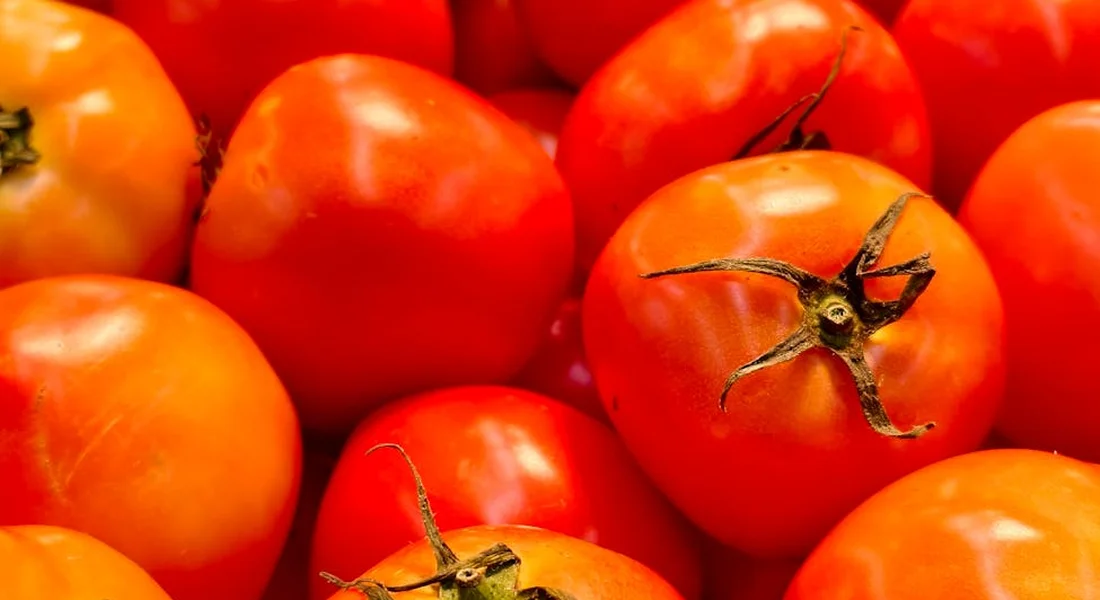
Here’s where folks get tempted. The ripe red flesh itself contains minimal solanine. In strict, clinical terms, a tiny cube of tomato pulp is unlikely to cause immediate harm. But life at the barn isn’t a clinical lab.
Feeding ripe tomatoes is like playing a single, unnecessary round of botanical roulette where the stakes are your horse’s comfort. The stem and core can harbor residues of the toxic compounds. The high acidity can upset some equine stomachs. More importantly, it sets a risky precedent of associating human garden foods with treats.
I keep a simple rule: if Pipin the pony, our resident food-obsessed escape artist, can’t have it, nobody can. His daring raids have taught me that the safest policy is a blanket “no.” There are too many perfectly good, risk-free treats like carrots or apples to justify the tomato experiment.
| Plant Part | Toxicity Level | Risk Explanation |
|---|---|---|
| Leaves & Stems | Very High | Maximum concentration of solanine/tomatine. Extremely dangerous. |
| Green Tomatoes | Very High | Unripe fruit contains high toxin levels as a natural pest deterrent. |
| Ripe Tomato Flesh | Very Low | Toxins are mostly gone, but acidity and contaminant risk remain. |
| Ripe Tomato Core & Stem | Moderate to High | Can contain concentrated toxin residues from attachment to the vine. |
Recognizing Trouble: Symptoms of Nightshade Poisoning in Horses
If your horse snags a bite of tomato plant, the symptoms can be subtle at first. You must become a detective of small changes, because early intervention is everything. I learned this watching Luna’s delicate constitution; even a minor upset shows in her eyes and posture.
- Early GI distress: Look for sudden drooling, pawing, or signs of abdominal pain like repeatedly lying down and getting up. A loss of interest in hay is a bright red flag.
- Neurological warnings: Their coordination turns wonky. You might see a staggered walk, head tilting, or general weakness that makes them look unsteady on their feet.
- Advanced signals: Muscle tremors, dilated pupils that give a “spaced-out” look, and a rapid heartbeat. In severe cases, this can progress to paralysis or labored breathing.
Any single one of these signs warrants an immediate call to your veterinarian-do not wait to see if more develop. With toxins, hours can mean the difference between a simple treatment and a life-threatening crisis.
How Much Is Dangerous? Assessing Your Horse’s Risk
There is no safe “little bit” when it comes to tomato plants. Risk isn’t just about a single large meal; it’s about the cumulative poison in those green leaves and stems. A few mouthfuls over several days can build to a toxic level.
Your horse’s size, age, and health dramatically shift the danger scale. My stout Rusty might handle a slight exposure better than tiny Pipin, but that’s no excuse for risk. Older horses or those with existing conditions, like a history of colic, have far less reserve.
The most hazardous parts are the leaves and stems, which contain higher concentrations of toxic alkaloids than the fruit itself. I’m meticulous about compost and garden trimmings for this reason-one wheelbarrow of clippings left near a fence can be an invitation.
True risk assessment means eliminating the risk entirely. Make a habit of scanning your paddocks and barn perimeter for any volunteer nightshade plants, yanking them out roots and all. It’s a five-minute chore that buys immense peace of mind.
Barn Manager’s Protocol: What to Do If Ingestion Happens

Even with the best fences, a determined or curious horse can find trouble. I’ve seen Luna stretch over a gate for a dangling branch she had no business reaching. If you suspect your horse has eaten tomato plants, your actions in the first minutes are critical. Stay calm, move quickly, and follow these steps without deviation.
- Safely remove the horse from the area. Lead them to a clean stall or bare paddock where no more of the plant is accessible. Do not let them continue grazing near the potential hazard.
- Call your veterinarian immediately-do not wait for symptoms to appear. Time is the enemy with toxins. Have your vet’s number saved in your phone and post it prominently at the barn. Tell them exactly what the horse got into.
- Identify and secure a sample of the plant. Take a clear photo or, better yet, carefully collect a piece of the plant (wear gloves) in a bag for your vet. Positive identification helps them tailor the treatment.
- Monitor and relay symptoms calmly to the vet. Note the time of ingestion and watch for colic signs, dilated pupils, or weakness. Your vet will ask for this timeline. Do not attempt to induce vomiting or administer any home remedies.
Waiting to see if a horse “gets sick” is a dangerous gamble. I make this rule non-negotiable in my barn: when in doubt about a toxin, the vet gets a call first, not a text to a friend or a frantic internet search. The cost of a consult is always cheaper than the cost of an emergency colic surgery or worse.
Prevention is Simple: Keeping Tomato Plants Out of Reach
Managing this risk comes down to good barnkeeping and clear communication. Horses are opportunistic eaters, and a volunteer tomato plant from last year’s compost can be a novel, tempting snack. Your first line of defense is a simple weekly walk of your pasture and paddock perimeters.
- Audit pasture perimeters, especially along fence lines with neighboring properties. Look for any nightshade family plants, not just tomatoes.
- Secure compost piles completely. A three-sided bin isn’t enough for a clever pony like Pipin. Use a covered, lidded system or locate it entirely outside of any equine areas.
- Educate everyone at the barn on plant identification. Make a poster with photos of common toxic plants for the tack room. Boarders, volunteers, and weekend riders all need to know.
- Communicate with neighbors. If a nearby garden has tomatoes, a friendly chat about the danger to your animals can go a long way.
We once had a community garden plot start up just beyond our back fence. I didn’t just hope for the best; I immediately installed a stand of electric tape as a secondary barrier, and had a polite but firm chat with the gardeners about not tossing trimmed vines over the fence. It was a minor investment of time and wire that eliminated a major worry. Your horse’s safety is always worth that extra walk, that extra lock, or that uncomfortable conversation.
Safe and Happy Alternatives: Treats Your Horse Will Love
So, tomatoes are off the menu—but don’t worry, your horse’s snack time is far from over. I keep a “treat tub” at my barn, and seeing Rusty’s ears prick up at the creak of the lid never gets old. Focusing on safe, familiar foods turns treat-giving into a moment of connection, not a game of dietary roulette.
Stick to simple, whole foods that are low in sugar and easy to digest. Here’s my barn-approved list of favorites that always bring a happy nicker:
- Carrots (chopped lengthwise to prevent choking)
- Apple slices (cores removed)
- Watermelon rind (the fleshy green and white part, seeds scooped out)
- Banana (peel and all, in moderation)
- Commercial horse treats (choose simple, grain-free options)
- Pumpkin or squash cubes (cooked or raw, no seasoning)
Use these goodies as rewards for positive behavior or just as a hello. I use a flat, open palm when offering treats to Luna, which keeps her soft and polite instead of snatchy. A piece of carrot after a good grooming session or an apple chunk for standing quietly at the hitching post reinforces trust without spoiling dinner.
Always think of treats as a sprinkle on top of a solid dietary foundation. The best thing you can feed your horse is plentiful turnout and high-quality forage, which keeps their mind and gut happily occupied for hours. Natural foraging is especially beneficial as it mimics their innate grazing behaviors. A handful of grass hay is often a more welcome reward to a horse than a sugary cube, satisfying that natural urge to graze.
FAQ: Can Horses Eat Tomatoes and Tomato Plants? Understanding Nightshade Dangers
Can horses eat ripe tomato fruits safely?
No, it is not safe to feed ripe tomatoes to horses. While the fleshy part has very low solanine levels, its acidity can upset their digestive system. Safer treat options like carrots or apples are always recommended instead.
What should I do if my horse eats tomato plants?
Immediately remove your horse from the area to prevent further ingestion. Contact your veterinarian right away for emergency guidance. Secure a sample of the plant for identification and monitor your horse for symptoms such as colic or weakness.
Are other nightshade plants dangerous to horses?
Yes, many plants in the nightshade family are toxic to horses, including potatoes, eggplants, and peppers. These contain solanine or similar compounds that can cause poisoning. Regularly inspect pastures and remove all nightshade plants to ensure your horse’s safety.
A Grounded Approach to Garden Dangers
Tomatoes and their plants contain toxic solanine and should be treated as hazardous barnyard contaminants. Always fence off vegetable gardens and compost piles to completely eliminate your horse’s access to any part of the nightshade family. Many other common foods can also pose risks to horses. A complete danger list of toxic foods for horses helps you identify them quickly.
Good horsemanship is built on the quiet patience of double-checking fences and feed. Your horse trusts you to be their careful guardian, so let their safety guide every decision you make at the gate. Avoid mistakes that can break this trust.
Further Reading & Sources
- Nightshade Poisoning in Horses – Causes, Treatment and Associated Conditions – Vetster
- Nightshade Poisoning in Horses | PetMD
- Plants toxic to horses: Eastern Black Nightshade – MSU Extension
- Nightshades Poisoning in Horses
At Horse and Hay, we are passionate about providing expert guidance on all aspects of horse care, from nutrition to wellness. Our team of equine specialists and veterinarians offer trusted advice on the best foods, supplements, and practices to keep your horse healthy and thriving. Whether you're a seasoned rider or new to equine care, we provide valuable insights into feeding, grooming, and overall well-being to ensure your horse lives its happiest, healthiest life.
Nutrition