
Choosing a Boarding Stable Checklist: 25 Critical Questions You Must Ask
Hello fellow equestrians. Moving your horse to a new barn fills even seasoned owners with dread. One bad choice can ripple into colic from sudden feed changes, injuries from unsafe fencing, or a once-calm horse developing nervous weaving from insufficient turnout.
I built this checklist from hard-won barn management experience. We will walk through the must-ask questions, zeroing in on:
- How to inspect barn safety beyond a casual glance.
- What daily turnout schedules and herd dynamics really mean for your horse’s mind.
- Who handles feed and how you can verify hay quality and portions.
- Where the financial pitfalls hide in boarding contracts.
- When and how the staff responds to an after-hours emergency.
After a decade of managing barns and caring for everything from steady Rusty to sensitive Luna, I’ve asked these questions to find homes where horses truly thrive.
Deciphering Costs and Boarding Options
That monthly board quote can be a mirage if you don’t know what’s behind it. You must dissect the base rate like a feed label to see the real ingredients of care and cost. I remember the surprise bill for Rusty’s extra beet pulp when his weight dipped one winter; now I ask for everything in writing first.
Financial Transparency
Pull out your phone and take notes. Treat this like a business negotiation because it is one. Here are the direct questions to ask:
- What is the exact monthly fee, and what is the due date?
- Does this price include unlimited hay, a specific grain ration, and bedding?
- Is there a charge for feeding the supplements or special mash I provide?
- What are the fees for blanketing, changing fly sheets, or applying leg wraps?
- How much do you charge for holding my horse for the farrier or vet?
- What is the daily or monthly cost for administering prescribed medications?
Insist on a printed fee schedule that lists every possible extra charge, from holding fees to holiday care surcharges. A stable that balks at this request might have financial surprises you don’t want.
Type of Board Available
Your horse’s lifestyle and your wallet will dictate the best plan. Smart budgeting can help you save money on care without compromising health. Each option weaves turnout and human care into the routine differently.
| Type | What’s Typically Included | Advantages | Drawbacks |
|---|---|---|---|
| Full Board | Daily stall cleaning, all feeding, scheduled turnout, basic grooming. | Hands-off convenience; ideal for frequent travelers or busy owners. | Highest cost; you relinquish control over daily feed times and portions. |
| Partial Board | Stall and feed supplied, but owner performs daily chores like turnout or mucking. | Lowers cost significantly; keeps you intimately involved in daily care. | Requires a reliable daily commitment from you, rain or shine. |
| Pasture Board | Horse lives outdoors with herd access, run-in shelter, and hay provided as needed. | Promotes natural movement and herd behavior; often the most economical choice. | Less protection in extreme weather; not suitable for all medical or metabolic needs. |
Scrutinize how turnout is handled in each plan: full board should guarantee daily hours, while pasture board is the gold standard for continuous access. My pony Pipin is on pasture board, but I still check that his shelter is stocked with clean, dry hay when the weather turns. Choosing the right board involves more than just access to turnout.
Evaluating Daily Care and Living Conditions
The soul of a good barn is in its daily rhythms, not its shiny facade. Your visit should coincide with feeding time or turnout so you can see the care in motion, not just hear about it. The thud of hooves moving to pasture and the quiet crunch of hay are the sounds of a content barn.
Feed, Water, and Nutrition
This is where preventative health begins. Do not accept vague answers about “good hay” and “grain twice a day.”
- What type of hay is fed (grass, alfalfa, mix), and is it weighed or fed by flake?
- What brand and amount of grain is used, and is it adjusted for age and activity level?
- Can I store and provide my own supplements, and is there a fee for feeding them?
- How often are water buckets scrubbed or automatic waterers checked for function?
Assess hay quality yourself: it should smell sweet like a cut field, show a green tint, and be free of dust, mold, and foreign plants. I once walked from a barn because their hay felt damp and smelled like a cellar; no horse of mine will breathe that dust.
Stall Environment and Turnout Routine
A stall is a bedroom, not a prison cell. It needs space, clean air, and a comfortable floor.
Ask these specific questions about the indoor space:
- Are stalls at least 12’x12′ for a full-sized horse?
- Is mucking done daily, with wet spots removed throughout the day?
- What bedding is used (shavings, straw, peat), and how deep is it laid?
- Is there functional airflow from windows, vents, or fans to clear ammonia fumes?
Good lighting and ventilation are non-negotiable; you should feel a fresh draft, not smell a pungent stall from the aisleway. After managing Luna’s delicate respiratory system, I now look for cobwebs moving in the breeze-a sure sign of active air flow.
Turnout is the cornerstone of equine welfare. Get granular with the manager:
- What is the minimum daily turnout duration, and what weather cancels it?
- Are horses turned out alone, in pairs, or in balanced social groups?
- What is the process for introducing a new horse to the herd?
- How are pastures managed to prevent mud pits and overgrazing?
Spend time watching the herd at play; a good dynamic has loose, calm horses with enough space for a lower-ranking animal to avoid conflict. I learned this by watching Rusty, a steady eddy, peacefully guide a nervous newcomer away from the boss mare’s favorite spot, displaying some of the subtle interactions found in horses’ social and play behavior.
Verifying Health, Safety, and Emergency Plans
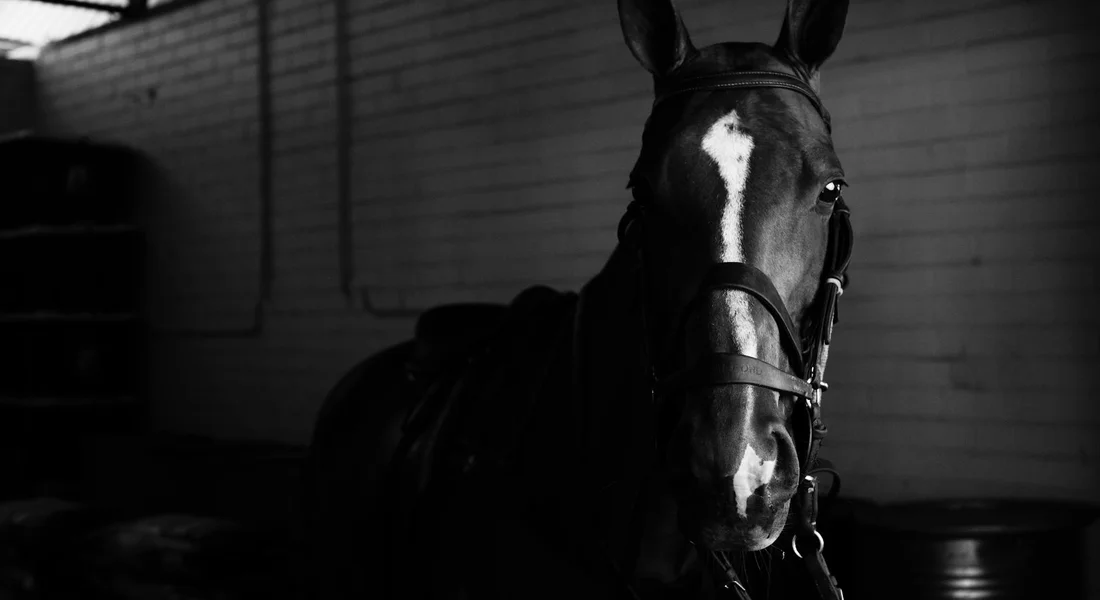
Emergency Protocols and Professional Care
You must see the emergency plan in action, not just hear about it. I always ask the manager to physically show me where the emergency contact list and first-aid kit are kept-if they hesitate, that’s a red flag. A posted plan is useless if it’s buried in an office drawer.
Follow this checklist to evaluate their preparedness:
- Request a copy of the written emergency protocol. It should outline steps for colic, injury, fire, and severe weather.
- Ask who is responsible for calling the vet and who can make decisions if an owner is unreachable.
- Confirm if staff are trained to hold horses for the vet or farrier in a safe, designated area.
- Check that contact numbers for the preferred vet, farrier, and emergency services are visibly posted in the barn aisle and tack room.
- Inquire about the after-hours procedure. Is there a staff member on-site or on-call?
I learned the value of this after Rusty colicked one icy evening. The barn had the vet’s cell number on a bright sheet by the door, and that simple piece of paper shaved critical minutes off our response time.
Preventive Health and Security
Barn-wide health rules protect every horse, including yours. A lax vaccination policy is a shortcut to disease outbreak, so don’t compromise here. Ask for their required vaccine record for core diseases like Eastern/Western Encephalomyelitis, Tetanus, West Nile Virus, and Rabies.
Get clear on their deworming strategy. Is it based on regular fecal egg counts, or a rigid calendar schedule? A barn using fecal counts shows they care about parasite resistance and individual horse health. Regular fecal egg counts are a cornerstone of a modern deworming strategy, guiding targeted treatments and helping preserve drug efficacy. This approach aligns everyday care with long-term parasite control.
- Are all boarders required to provide proof of vaccinations?
- What is the deworming protocol, and who administers it?
- How often are health checks done by staff? Daily visual inspections are a must.
Security is about simple, sensible measures. Walk the property and note if tack room doors have sturdy deadbolts and if gate padlocks are actually used. Look for motion-sensor lights over main entries. A well-lit barn deters trespassers and helps you safely check your horse on winter nights.
Inspecting Riding Facilities and Turnout Areas
Riding Amenities and Access
The indoor arena might look great at noon, but visit during peak evening hours. You need to know if you’ll be fighting for ring space or riding in a peaceful, orderly environment. Feel the footing with your boots-it should be moist enough to suppress dust but not so deep it strains tendons.
Ask specific questions about access and maintenance:
- What are the arena hours, and is lighting sufficient for night riding?
- How often is the footing dragged, leveled, and watered?
- Are there accessible trails, and what is their condition after rain?
- Are wash racks, cross-ties, and viewing areas kept clean and free of clutter?
Busy barns require good traffic management. Watch how riders share the space; a few simple right-of-way rules prevent accidents and frayed nerves.
Turnout Area Safety and Maintenance
Turnout is not a luxury; it’s a necessity for mental and physical health. Never sign a contract without walking every paddock and pasture your horse might use. Run your hand along fence boards and wires, checking for splinters, loose nails, or tautness. Also, think about a safe turnout area layout. A well-designed layout helps keep horses secure and makes daily checks easier.
My eye for detail once spotted a single broken board in Pipin’s paddock the day before he discovered it. That cheap piece of wood could have meant a nasty gash, proving daily visual checks by the barn staff are vital.
Use this field checklist during your tour:
- Fences: No loose wires, rotten wood, or protruding hardware. Gates should have secure, horse-proof latches.
- Water: Troughs must be clean, algae-free, and filled automatically or checked multiple times daily.
- Shelter: Is there a three-sided run-in shed or trees for shade and windbreak?
- Ground: Look for holes, excessive mud, or poisonous plants. Good drainage is key.
- Company: Ask about herd dynamics and how new horses are introduced to the group.
A safe turnout area lets your horse be a horse. Seeing Luna happily galloping and rolling in her paddock tells me more about her care than any shiny stall ever could.
Reviewing Staff Policies and Boarding Contracts
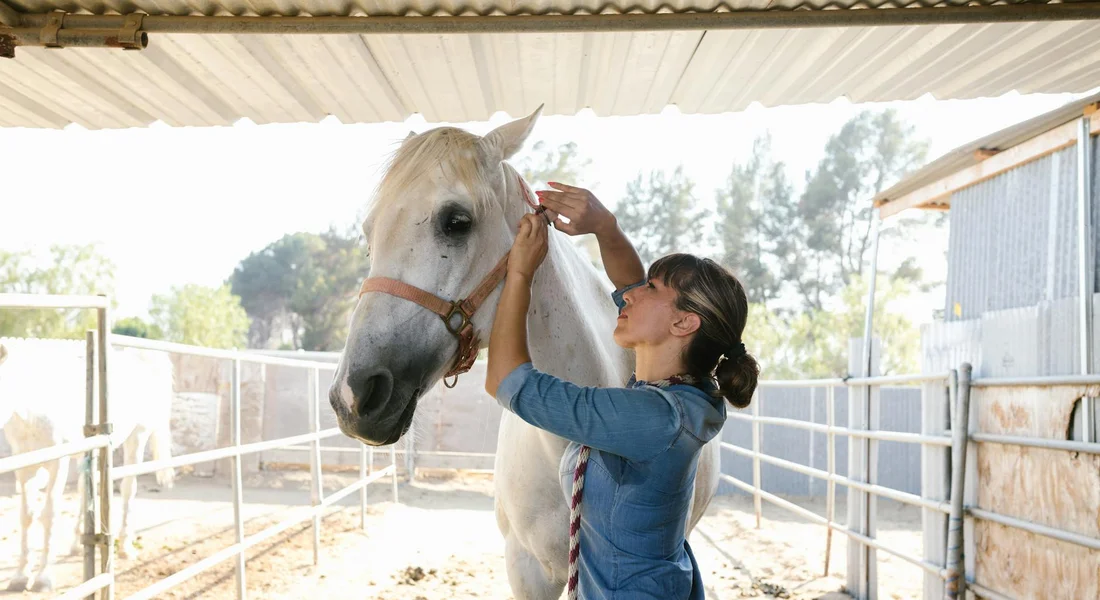
You can admire shiny stalls all day, but the real test of a stable is in its daily operations and the small print. The difference between chaos and calm often hinges on staff policies and a clear contract, which protect both your horse and your peace of mind. I’ve felt the relief of a well-run barn after a long day, hearing the quiet thud of hooves on bedding, knowing every animal is accounted for.
Staff Competence and Barn Operations
Start by asking about the staff-to-horse ratio. One experienced handler for every eight to ten horses is a good benchmark, ensuring no one gets lost in the shuffle during feeding or turnout. I remember when Luna needed a careful hand; a dedicated groom made her transition smoother with patient, soft touches.
Barn hours and visitor rules need to be posted and sensible. Flexible access for you is great, but respect for staff downtime prevents burnout and keeps care consistent. A barn that allows random visitors at all hours can invite unnecessary stress, like the time a photographer spooked the entire herd.
Introducing new horses demands a solid protocol. A proper barn will quarantine newcomers for at least a week and introduce them to the herd gradually in a large, neutral space. We always let Pipin meet new buddies over a fence first; his clever antics are less risky that way. When it’s time for real integration, we tailor the plan for introducing a new horse to our established herd to promote calm social dynamics. That careful approach helps the newcomer settle in with the group.
Pack these questions for your visit:
- What are the certifications or hands-on experience levels of the barn manager and grooms?
- How many staff are present for critical tasks like feeding, turnout, and night check?
- What are the exact barn hours, and is there an after-hours emergency contact?
- Is there a written protocol for introducing a new horse, including quarantine?
- What are the rules for guests, children, or dogs on the property?
The Binding Agreement: Contracts and Clarity
Always read every line of the boarding contract yourself. This document is your only legal safeguard, and assuming it’s standard could lead to nasty surprises about costs or care. I learned this the hard way early on, missing a clause about winter fee hikes that tightened my budget unexpectedly.
Focus on these specific sections when you review:
- Liability Release: Look for what incidents are covered. Does it protect you if a staff error causes injury? Is there insurance for natural disasters?
- Fee Structure: Check for itemized lists. Are services like holding for the farrier, administering supplements, or blanketing included, or are they extra charges?
- Notice Period: Confirm the required time to terminate the agreement, usually 30 days. This gives you a clear exit strategy if needed.
Finally, ask the barn owner for two or three references from current boarders. Speaking directly to someone who lives with these policies daily offers unfiltered truth about manure removal, fence repairs, and the staff’s true temperament. A reference assured me that a certain barn’s gentle horsemanship approach would suit Rusty’s steady nature, and they were right.
Choosing a Boarding Stable Checklist: 25 Critical Questions You Must Ask – FAQ
What are your daily rates and what do they include?
Daily rates should be transparently listed in the contract and often cover stall cleaning, basic hay, and scheduled turnout. Always request a written fee schedule to see if extras like grain or bedding are included. Clarify any additional costs for services such as blanketing or administering supplements to avoid surprises.
What is your feeding schedule and what type of feed is provided?
Feeding typically occurs two to three times daily with set times for grain and hay offerings. The feed type, like grass hay or a balanced grain mix, should match your horse’s age and activity level. Inspect the feed quality yourself to ensure it is fresh, dust-free, and stored properly to support your horse’s health. Using these steps as the core of a daily feeding timetable helps form a reliable routine. This concept is explored in a comprehensive guide to creating a perfect horse feeding schedule daily routine.
What is your protocol for veterinary emergencies?
A written emergency plan should be visibly posted, outlining steps for colic, injuries, and after-hours care. Staff must be trained to immediately contact the vet and provide first aid while awaiting professional help. Verify that emergency contact numbers are accessible and that a responsible person can make decisions if the owner is unreachable.
Your Barn, Your Peace of Mind
Tour every stable on your list with your checklist in hand, and let your notes-and your gut-guide you. The right choice isn’t just about the fanciest facility; it’s the place where your instincts and your horse’s needs quietly align. It’s not just about avoiding common stable setup mistakes, but finding a truly harmonious environment.
Take your time, get everything in writing, and remember that a good contract protects everyone. Your partnership with your horse thrives on the consistency and calm you find for them, so listen to what the rustle of hay and the contented sigh are telling you.
Further Reading & Sources
- Horse Boarding Checklist – Five Star Ranch
- Employee onboarding checklist: Guide + free template | iCIMS
- r/Equestrian on Reddit: What qualities do you look for in a boarding stables?
- Preboarding Checklist: Your Guide to New Hire Success | Breezy HR
At Horse and Hay, we are passionate about providing expert guidance on all aspects of horse care, from nutrition to wellness. Our team of equine specialists and veterinarians offer trusted advice on the best foods, supplements, and practices to keep your horse healthy and thriving. Whether you're a seasoned rider or new to equine care, we provide valuable insights into feeding, grooming, and overall well-being to ensure your horse lives its happiest, healthiest life.
Stable Management