
Weight Loss Resistance Checklist: Why Isn’t My Overweight Horse Losing Weight?
Hello from the barn aisle! If you’re diligently measuring feed and adding exercise but your horse’s weight won’t drop, that familiar worry is completely justified. I’ve felt that same knot in my stomach watching a good-natured gelding like Rusty pack on pounds, knowing the looming risks of laminitis and metabolic strain.
Let’s work through a clear, actionable checklist to find the missing piece. We’ll focus on these key areas:
- The hidden calories in hay, pasture, and even those innocent-looking supplements.
- Why 24/7 turnout and low-intensity movement are critical for metabolism.
- How to identify underlying metabolic conditions like PPID or insulin resistance.
- Practical tweaks to your exercise routine that promote fat burn, not stress.
I’ve navigated this precise puzzle for over a decade in the saddle and at the feed room, balancing the needs of easy-keepers like Pipin and sensitive types like Luna.
Start Here: Assessing Your Horse’s True Condition
Before you change a single thing in your feed room, you need a honest baseline. I’ve seen too many owners look at a cresty neck and think “well, he’s just a good doer,” while missing the fat pads over the loins. Your eyes can lie, especially when you see your horse every day.
You must get your hands on your horse. Stand at their shoulder and run your hand firmly over the ribs. You should be able to feel each rib with light pressure, like feeling the corduroy ridges on a pair of pants. If you have to push to find them, that’s fat. Next, feel along the top of the neck and behind the withers; soft, spongy deposits here are major red flags.
A weight tape and a body condition score (BCS) are your non-negotiable starting tools, giving you objective data instead of hopeful guesses. I chart Rusty’s weight every two weeks; it keeps me honest when his “please feed me” face is especially persuasive.
Use a weight tape over the heart girth, ensuring it’s level and snug. Write that number down. Then, use a 1-9 Body Condition Scoring chart. Aim for a 5. A score of 6 or 7 means your horse is overweight, and an 8 or 9 is obese. This isn’t about shame, it’s about health-founder, laminitis, and joint strain are the real costs of those extra pounds.
The Forage Factor: Is Your Hay Sabotaging Weight Loss?
Think of forage as your horse’s salary. You can’t just cut their pay to zero-you have to manage the type and distribution of their income. Horses are designed to trickle-feed for 16+ hours a day, and disrupting that completely creates new problems like ulcers and stereotypic behaviors.
The goal is to extend chewing time and slow consumption, turning a nutritional necessity into a weight management tool. This is where your management makes all the difference.
Evaluating Hay Quality and Quantity
Not all hay is created equal. That lush, green, leafy alfalfa-mix is like feeding your horse cake, while a mature, stemmy timothy is more like a high-fiber salad. For the overweight horse, you want the salad.
Have your hay tested. Knowing the NSC (Non-Structural Carbohydrates) and sugar content is power. You might be feeding what looks like “plain grass hay” that’s actually too rich for your horse’s needs.
Quantity is your primary lever. Feed 1.5% of their *ideal* body weight in hay per day, split into multiple small meals. For a 1,000lb horse needing to lose, that’s 15 pounds of hay daily, not the usual 20-25.
- Use a kitchen scale or a hanging fish scale to weigh flakes until you can eyeball it accurately. A “flake” is not a unit of measure.
- Invest in small-hole hay nets. I use double-nets for my clever pony, Pipin. It turns a one-hour meal into a four-hour foraging session.
- Soak hay for 30-60 minutes in cold water to leach out sugars and calories. This is a game-changer for sugar-sensitive horses like many easy-keepers.
Pasture Management for the Chubby Equine
Turning an overweight horse out on lush spring pasture is like leaving a kid alone in a candy store. That grass is deceptively high in sugars, especially in the morning after a cool night.
You must control their intake. A dry lot with appropriate hay is the safest option during high-risk seasons or for insulin-resistant horses. If a dry lot isn’t possible, a grazing muzzle is a welfare tool, not a punishment.
A properly fitted grazing muzzle allows for movement and social interaction while drastically reducing grass consumption, and it’s far kinder than the risk of laminitis. Introduce it slowly, with supervision, and always ensure the horse can drink water easily. It’s important to also manage your pasture carefully to avoid laminitis.
Time your turnout strategically. Sugar levels in grass are lowest in the very early morning, making a 3 AM to 9 AM turnout safer than midday or evening grazing. Rotate paddocks to keep grass shorter and more mature, which is lower in sugar. Remember, the brown, picked-over patch is often the safest spot for your portly pony.
Hidden Calories and Feeding Faux Pas
The Grain and Supplement Check
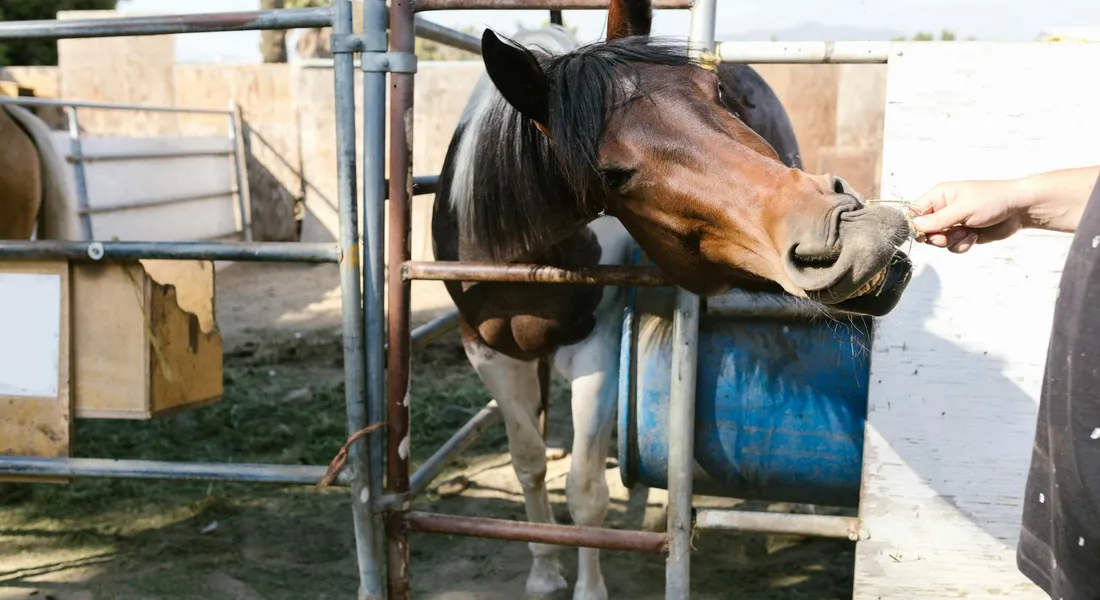
Open that feed room door and let’s get real. That sweet feed or even that “senior” formula could be your biggest hurdle. I remember scratching my head over Rusty’s stubborn weight until I weighed his daily grain portion. We were pouring in two scoops of a high-starch mix, perfect for a working ranch horse, not a happy trail plodder. Measure every ounce of grain on a kitchen scale; what looks like a cup can be a calorie landslide.
Supplements are stealthy calorie carriers. That shiny coat glosser? Mostly fat. Those tasty probiotic pellets? Often bound with molasses. For Luna, we switched to a pure powdered supplement and mixed it with water into a slurry she licks from a tub. Review each additive with your vet: if it’s not critical for health, eliminate it temporarily to strip back hidden sugars and fats.
- Decode the feed tag. Prioritize feeds labeled “low NSC” (non-structural carbohydrates) and high in fiber, like a good ration balancer.
- Soak all hay. An hour in fresh water reduces soluble sugars, making even rich alfalfa safer for dieting horses.
- Replace grain with forage. Try a double-net slow feeder stuffed with low-calorie grass hay instead of a evening grain meal.
The Feeding Schedule Audit
Nature designed horses to eat for 18 hours a day. Two big meals at 7 AM and 5 PM create insulin spikes and long, hungry gaps. I reshuffled our entire barn schedule after noticing Pipin, the pony, would pace for hours before dinner. Frequent, tiny meals keep the gut working and the metabolism fired up without the energy surplus that gets stored as fat. I’m still tweaking Pipin’s feeding schedule to get it just right.
Turnout is your silent partner in weight loss. A horse wandering a dry lot burns vastly more calories than one staring at four walls. For easy keepers like Rusty, I use a track system around the pasture perimeter to encourage purposeful movement. Maximize turnout time on sparse footing; movement is a metabolic catalyst you can’t replicate in a stall.
- Divide and conquer. Split your horse’s daily hay allotment into four to six smaller feedings, using slow-feed nets.
- Time exercise before food. A brisk 30-minute walk on an empty stomach helps mobilize fat stores for energy.
- Overnight hay access. Use a large-hole net to provide slow, steady forage through the night, preventing a fasting state.
Health Hurdles: Medical Reasons for Weight Loss Resistance
Metabolic Conditions: EMS and PPID (Cushing’s Disease)
When diet and exercise fail, look under the hood. Equine Metabolic Syndrome (EMS) means your horse’s body is miserly with sugar, storing it relentlessly. PPID (Cushing’s) muddles hormone signals, often causing abnormal fat deposition. I suspected EMS in Luna when she developed a cresty neck despite a Spartan diet. Diagnosis is straightforward: a vet can perform an insulin response test to see how your horse processes sugars.
Managing these conditions is a long game. It involves meticulous diet control, often with soaked hay and specialized feeds, paired with daily, low-stress exercise. Even gentle grooming and hand-walking count. Partner with your veterinarian to create a tailored plan; metabolic health is managed, not cured, and consistency trumps intensity.
- EMS red flags: Regional fat pads (crest, shoulders, tailhead), recurrent laminitis, abnormal thirst.
- PPID indicators: Failure to shed a shaggy coat, loss of topline muscle, a pot-bellied appearance.
- Immediate action: Schedule bloodwork. Early intervention prevents more serious issues like founder.
Other Health Checks: Teeth, Parasites, and Pain
Chewing is the first step of digestion. If it hurts, your horse will swallow half-chewed hay, missing vital nutrients. I’ve pulled long stems whole from Pipin’s manure, a sure sign his dental float was overdue. Sharp enamel points and hooks make chewing painful and inefficient, leading to weight loss resistance from poor nutrient extraction. Understanding horse tooth anatomy development stages can shed light on why these issues appear at specific ages. It also helps plan preventive checks and dental care.
A heavy parasite burden acts like a nutrient thief inside your horse’s gut. And pain, from anything like subtle hock arthritis to a poorly fitting saddle, discourages movement. A horse that stands still all day burns few calories. Regular wellness checks are not optional; they are the foundation of uncovering invisible barriers to a healthy weight. Knowing the signs of a healthy horse through a quick daily check guide helps you spot changes early. This makes your care more proactive.
- Dental Exam: Schedule a vet check for floating at least annually; for seniors, every six months.
- Parasite Control: Move beyond the calendar. Use fecal egg counts to deworm intelligently, targeting only the worms present.
- Pain Assessment: Watch for subtle signs: reluctance to move out, shortened stride, or resistance to grooming or tack.
Movement Medicine: The Exercise Equation
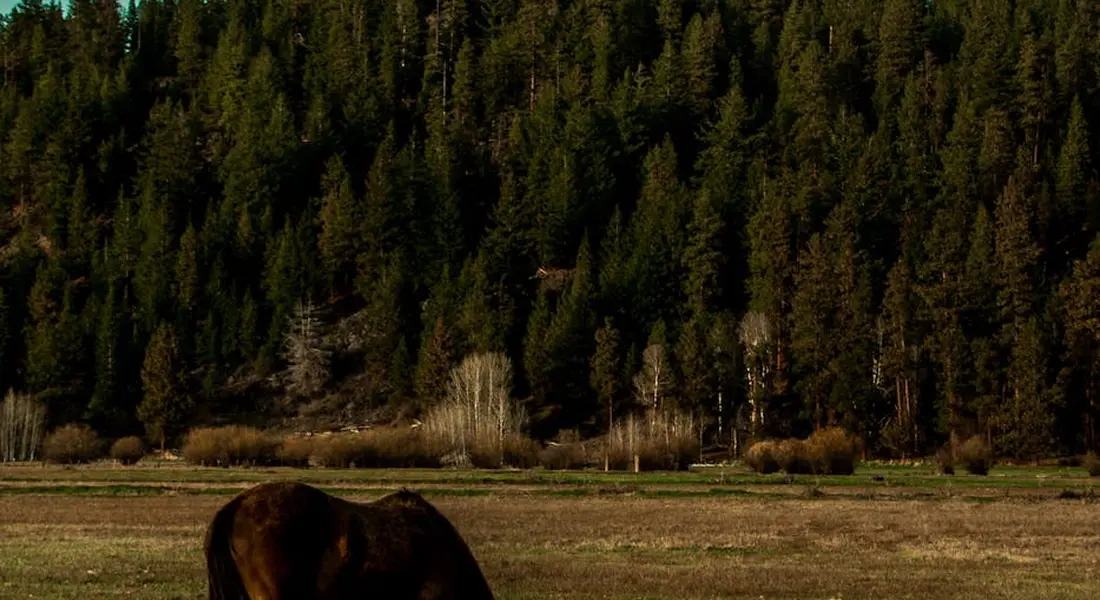
You can have the perfect diet, but without movement, a horse’s weight loss will stall. Their metabolism is designed to be fueled by near-constant, low-grade activity. The goal isn’t to run them into the ground, but to thoughtfully increase their daily energy expenditure in a way that keeps joints and mindset healthy. I think of it as prescribing movement, not just exercise. A healthy exercise turnout schedule for horses provides a practical, day-by-day plan for that movement. It helps keep progress steady and recovery on track.
Beyond the Arena: Rethinking “Work”
For an overweight horse, a demanding hour-long ride can be stressful on their body and mind. We need to get creative. The best exercise is often the simplest. More turnout time is your single most powerful tool; it allows for natural movement, grazing posture, and social interaction that burns calories effortlessly. Watching my crew meander, play, and chase flies is a masterclass in non-exercise activity thermogenesis (NEAT) for horses.
Exercise Options for the Heavy Horse
- Hand-Walking: Start with 20-30 minutes of brisk walking on varied terrain. Gravel driveways, gentle hills, and soft trails engage different muscles. This is my go-to for Luna when she’s too fresh to ride calmly.
- In-Hand Grazing: Walk to a sparse patch of grass, let them nibble for five minutes, then walk on. It mimics natural foraging and provides motivation.
- Pasture Configuration: Place water, hay, and shelter far apart from each other. They’ll clock miles just meeting their basic needs.
- Low-Impact Riding: When ready, focus on long, steady walking with some trotting. Think “conditioning hack” not “training session.” Rusty loses more weight on a two-hour trail walk than in a week of ring work.
- Groundwork & Puzzles: Use a tarp, poles on the ground, or simple liberty work to engage their brain and body. Pipin gets his best workout figuring out how to get a carrot from a slow-feeder ball.
| Exercise Type | Duration/Frequency | Key Benefit | Safety Note |
|---|---|---|---|
| Hand-Walking on Hills | 20-30 min, 4-5x/week | Builds hindquarter strength, boosts cardio | Use a well-fitting halter; avoid steep, slippery slopes. |
| Free-Living Turnout | 24/7 ideal, or max hours possible | Promotes natural movement, reduces stress | Ensure herd compatibility and safe fencing. |
| Steady-State Arena Riding | 30-40 min walk/trot, 3-4x/week | Controllable intensity, improves topline | Monitor breathing; allow frequent breaks. |
Crafting Your Custom Weight Loss Plan
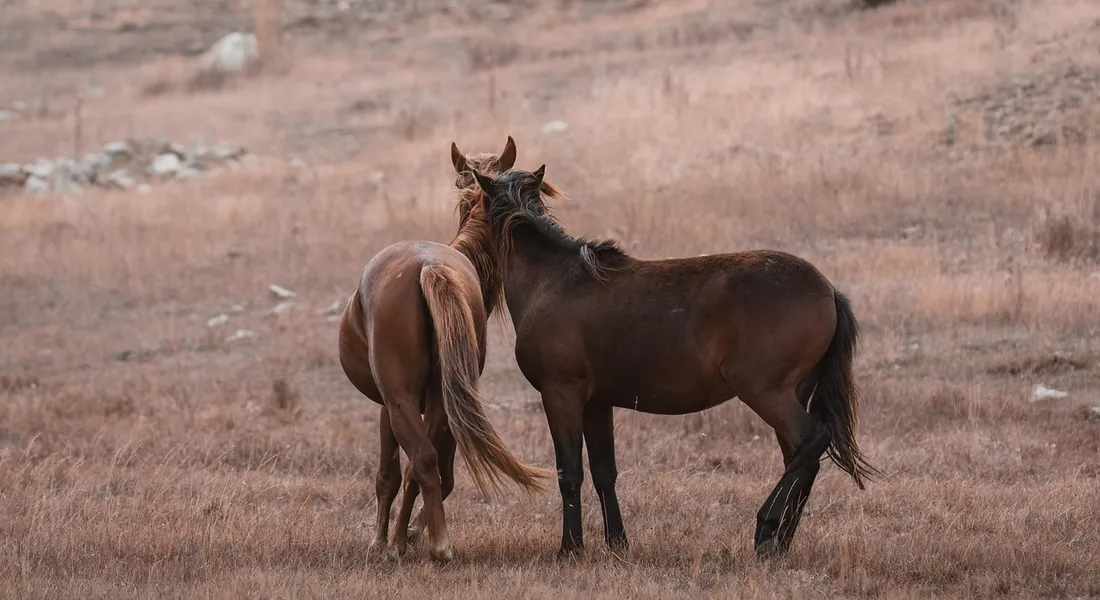
A plan copied from a book often fails because it doesn’t account for your horse’s personality, your schedule, and your facility’s limitations. The most successful plan is the one you can execute consistently, not the theoretically perfect one. Be honest about what you can maintain. If you can’t soak hay daily, a hay net is a fine alternative. Progress over perfection.
Putting It All Together: A Sample Week
This is a framework based on a typical 1,100-pound pleasure horse in moderate work. Adjust proportions and timing to your situation, especially if you are aiming to create a balanced diet for a performance horse.
- Monday: AM: 2 lbs soaked grass hay, PM: 2 lbs soaked hay, 1 lb low-NSC balancer. 45 minutes of turnout in a dry lot. Evening hand-walk for 25 minutes.
- Tuesday: Same feeding schedule. 30 minutes of ridden walk/trot work in the arena, focusing on long, forward strides.
- Wednesday: Same feeding. “Rest day” with 12 hours of full-day turnout on a grass paddock with a grazing muzzle.
- Thursday: Repeat Monday’s exercise schedule. This consistency is key.
- Friday: Repeat Tuesday’s ridden work. Consider a longer, slower trail walk if weather and footing permit.
- Saturday: Same feeding. Deep clean the stall, set up a groundwork “obstacle course” with cones and poles for 20 minutes of mental and physical engagement.
- Sunday: Same feeding. 12 hours of turnout with a grazing muzzle. Take a body condition score and girth measurement.
Tools for Tracking Progress
The scale lies less than your eyes. Weight loss is slow, and we see our horses every day, making it easy to miss subtle changes. You must move from subjective feeling to objective data to stay motivated and on track. I keep a simple notebook on my feed cart.
- Weight Tape & Girth Measurement: Use a weight tape every Sunday at the same time. More importantly, measure the girth circumference right behind the elbow. As fat pads shrink, this number often drops before the weight tape does.
- Monthly Photos: Take a picture from the side and directly behind. Stand in the same spot each time. The “hen’s butt” view from behind is the best way to see if those cresty neck fat deposits are melting away.
- The Rib Test: This is your daily check. You should be able to easily feel-but not sharply see-their ribs with light pressure. If you’re pressing hard, there’s still too much cover.
- Behavior Notes: Is their energy improving? Are they less cresty? Is Pipin less of a houdini because he’s feeling more agile? These qualitative notes matter just as much.
FAQ: Weight Loss Resistance Checklist: Why Isn’t My Overweight Horse Losing Weight?
How can a horse weight loss calculator help in managing my horse’s diet?
A weight loss calculator estimates daily caloric requirements based on your horse’s target weight and exercise level to ensure a safe deficit. It provides a precise starting point for adjusting hay and grain portions without guesswork. However, always validate its recommendations with regular body condition scoring and veterinary advice for tailored management.
Are there supplements that can actively support my horse’s weight loss efforts?
Certain supplements, such as those with magnesium or chromium, may aid metabolic function and insulin regulation in horses with resistance. Avoid any products containing hidden sugars, molasses, or high fat levels that could add excess calories. Consult your veterinarian to determine if a supplement is necessary, as priority should be given to diet and exercise adjustments.
What should I do if my horse’s weight loss progress seems to stall?
First, double-check all intake, including grazing time and snacks, to ensure no hidden calories are slipping in. Gradually increase daily movement through more turnout or hand-walking, and schedule a vet check to rule out issues like thyroid imbalances. Use consistent tracking tools like girth measurements and photos to make informed adjustments to your plan.
Your Partner’s Weight Loss Journey
Effective weight management boils down to a honest audit of calories in versus calories out, focusing on forage quality and consistent, low-impact exercise. The cornerstone of any plan must be a veterinary consultation to screen for pain, dental issues, or metabolic disorders that actively block progress.
Weight loss is a marathon, not a sprint, and rushing it risks serious health setbacks like hyperlipemia. Your horse’s demeanor and physical comfort are the ultimate metrics, so let his feedback shape your approach every step of the way.
Further Reading & Sources
- Maintenance of the “Easy Keeper” Horse | Equine Science Center
- Caring for the overweight horse | UMN Extension
- The Best and Safest Way to Help Your Horse Lose Weight – Getty Equine Nutrition, LLC
- 360 Awardee Talk – weight loss strategies in horses – PMC
At Horse and Hay, we are passionate about providing expert guidance on all aspects of horse care, from nutrition to wellness. Our team of equine specialists and veterinarians offer trusted advice on the best foods, supplements, and practices to keep your horse healthy and thriving. Whether you're a seasoned rider or new to equine care, we provide valuable insights into feeding, grooming, and overall well-being to ensure your horse lives its happiest, healthiest life.
Health