
Choosing the Right Horse Breed: A Guide to Common Uses and Purposes
Published on: August 28, 2026 | Last Updated: August 28, 2026
Written By: Henry Wellington
Hello fellow equestrians. That moment of doubt when you watch a friend’s horse excel at a task yours struggles with is all too familiar. Mismatching a horse’s innate talents to your goals can lead to frustration, behavioral issues, and even safety risks for both of you.
Let’s fix that. In this article, I’ll share my barn-manager perspective to help you make sense of breed strengths. We will cover:
- How a breed’s history shapes its body and mind for specific work.
- The reality of maintenance and care needs across different types.
- Practical pairing advice for popular disciplines, from trails to training.
My years of matching horses like my steady Quarter Horse, Rusty, to suitable jobs have taught me that success starts with respecting what a breed was built to do.
Why Breed Matters: Temperament, Build, and Your Barn Life
Choosing a horse based on breed isn’t about snobbery; it’s about matching an engineered tool to the job. A draft horse is a freight truck, an Arabian is a sports car. Their minds are wired differently, too. This directly shapes your 6 AM feedings, your vet bills, and your sanity. Understanding what defines a horse breed helps turn these labels into practical expectations. It flags how lineage, temperament, and conformation influence daily care and long-term plans.
I’ve spent chilly mornings watching Pipin the Shetland calmly strip a fence board for fun while Luna the Thoroughbed spooked at the same board’s new shadow. Their instincts are not the same. Your horse’s breed dictates its fundamental needs for movement, mental stimulation, and social interaction.
Consider these daily realities:
- Energy Management: A high-strung breed with no job is a recipe for stall-walking, weaving, or creative destruction. They need purposeful turnout and exercise.
- Feed and Upkeep: A easy-keeping Quarter Horse like Rusty might thrive on good hay, while a lean Thoroughbred may require precise fueling to hold weight, affecting your budget.
- Barn Harmony: Herd dynamics are real. Introducing a dominant, bold breed to a field of timid retirees requires careful strategy to avoid kicks and chaos.
English Discipline Specialists: Dressage, Show Jumping, and Eventing
The world of English riding is a showcase of specialization. While a talented all-rounder exists, centuries of selective breeding have honed specific physiques and psyches for the ring, the arena, and the cross-country course.
The Dressage Horse: Supple Mind and Body
Dressage is physical chess. It demands a horse that finds pleasure in intricate movement and partnership. You’ll often see Warmbloods (Dutch, Hanoverian, Oldenburg) here, bred for powerful hindquarters, elastic gaits, and a trainable mind.
Their build is like a well-made suspension system: uphill carriage, a neck that arcs from the withers, and joints that move with fluid grace. This work requires a deep, trusting partnership, as you’re asking for collection and extension through subtle, invisible aids.
In the barn, these athletes need consistency. They thrive on routine and clear communication. I’ve found they often appreciate quieter, focused handling-a calm groom, a predictable schedule-to match their work’s mental demands. Their training is a daily conversation, not a weekly lecture.
The Show Jumper: Power and Trust in the Air
Here, the equation is explosive power plus a brave heart. A top jumper needs a compact, muscular build for takeoff, a scopey arc over the fence, and the quick-thinking agility to adjust strides mid-approach. Breeds like the Holsteiner, Selle Français, and even some Thoroughbred crosses excel.
The jump is a moment of pure trust. You point, they launch. Their care often emphasizes hind-end strength and joint health, with conditioning that builds explosive power over sustained stamina.
From a management perspective, these horses are often bold and confident. They can be energetic in the barn, anticipating their job. Proper, safe turnout is non-negotiable to manage that power and keep their minds fresh. They’re not always the delicate types; you’ll hear their confident thud coming down the aisle.
The Eventer: Courage and Stamina for the Triple Challenge
Eventing is the ultimate equine triathlon: dressage precision, cross-country bravery, and stadium jumping agility. The ideal event horse is a hybrid. You need the endurance and fearlessness of a Thoroughbred, combined with the substance and calm of a sport horse cross. In practice, the best horse breeds for eventing competitions are prized for blending speed, stamina, and composure. From Thoroughbred crosses to modern Warmbloods, these breeds routinely excel across dressage, cross-country, and show jumping.
They must be incredibly fit, mentally tough, and versatile. One day they’re performing a delicate test, the next they’re judging the perfect spot to a solid coop in a field. Their conditioning program is a complex ballet of cardio, strength, and technique, with a huge focus on recovery.
Barn life for an eventer is about fuel and resilience. They require exceptional nutrition to support massive calorie burn and meticulous hoof and leg care to withstand punishing terrain. They are often the ultimate steady-eddies-sensible enough to hack out alone but fired up for the start box. Their care is a full-time commitment to building a durable, confident partner.
Western and Stock Horses: From Ranch Work to the Show Pen
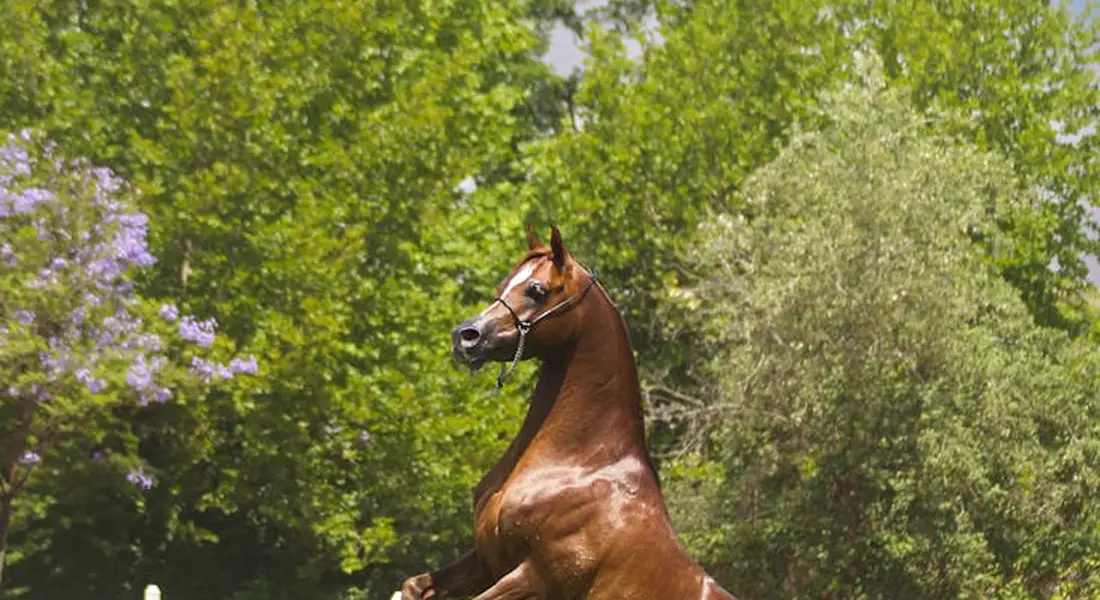
The Ranch and Cattle Horse: Cow Sense and Durability
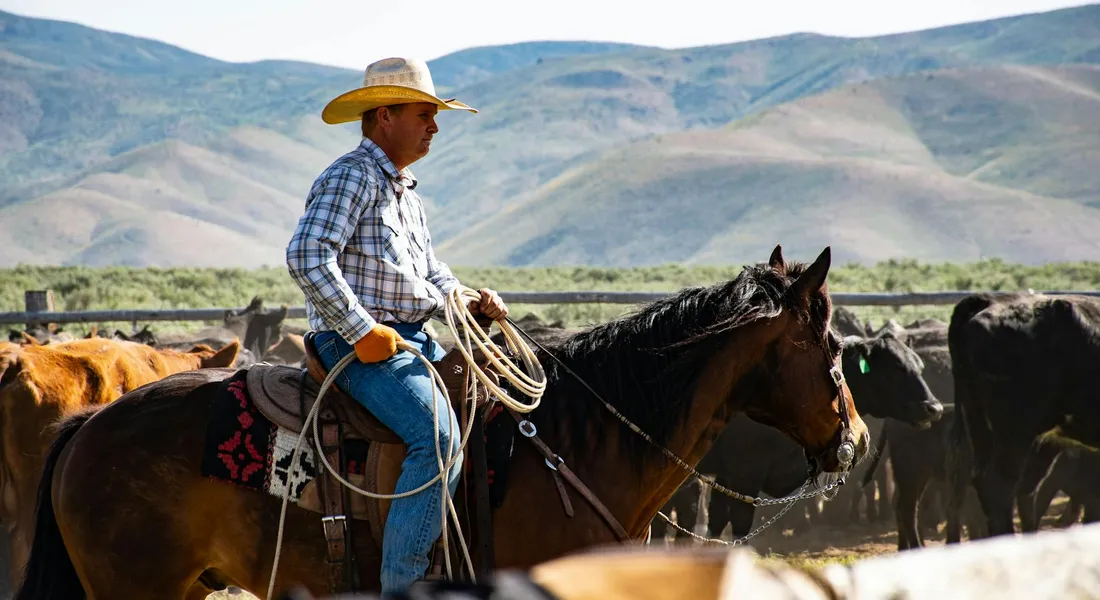
That innate ability to read a bovine’s intention? We call it cow sense, and you can’t train it in. It’s bred in the bone. I’ve seen it firsthand on morning checks, watching a seasoned ranch horse like Rusty lock onto a stray calf with a focus I envy. These horses are built for long days: stout muscling, a low center of gravity for quick, dirt-spraying turns, and a mind that stays calm when the herd gets flighty. Their durability comes from a constitution forged for real work, not just arena hours.
Think of a good stock horse’s mind like a steady thermostat. They conserve energy until the moment a cow bolts, then unleash a controlled burst. This mental cool saves their body from constant stress. Providing ample turnout is non-negotiable for maintaining that sound, sensible physique and preventing stall-born vices. A pasture is their gym and their therapist.
Their care mirrors their job: straightforward and robust. Here’s what keeps a ranch horse ready:
- Hooves built for tough terrain often do well barefoot or with simple shoes; regular trims are key.
- Feed is typically hay-based, with grain only for horses in heavy work-their systems are designed for steady fuel.
- Tack must be durable and fit well; a pinching saddle during an eight-hour day is a welfare issue.
I remember a scorching afternoon moving heifers where Rusty’s surefootedness on rocky ground saved us both a stumble. That trust is earned through consistency and respect, not force.
Western Pleasure and Reining: Smooth Gaits and Willing Attitudes
In the show pen, the goal is fluid, effortless motion. A western pleasure horse moves with a level, gliding stride that feels like sitting on a rocking chair. The reining horse takes that calm focus and adds explosive athleticism for spins, sliding stops, and rapid rollbacks. Both disciplines demand a horse that is mentally willing to partner up, not just physically capable.
That “willing attitude” is cultivated. It starts with soft hands and patience in early training. Luna, my Thoroughbred, taught me the value of a light aid, a lesson that translates directly to training a young Quarter Horse for reining. You build confidence through clear, gentle communication. Forcing a horse into a low head carriage or a jarring stop creates tension, the exact opposite of the desired demeanor.
Their management prioritizes joint health and mental freshness. Watch for these points:
- A saddle that balances perfectly prevents gait alterations and back soreness.
- Long, low warm-ups are better than short, intense drills to preserve those smooth gaits.
- Turnout after training lets them unwind mentally; a horse that’s always “on” is prone to burnout.
The creak of leather and the hush of the arena during a pattern is magic. But the real win is a horse that walks out relaxed, with a soft eye, ready for dinner and downtime.
Built for Distance and Speed: Endurance Riding and Racing
The Endurance Athlete: Metabolic Efficiency and Tough Feet
An endurance horse is a marvel of biological engineering. We’re talking about athletes that can cover 50 or 100 miles in a day. The key isn’t just a big heart; it’s a system that manages energy and heat with stunning efficiency. These traits help explain why horses are so well adapted for long-distance running. Their efficient energy use and heat management allow sustained effort over hours and miles. They metabolize fat for fuel like a premium hybrid engine, conserving glycogen for the final push.
Their feet are their foundation. I’ve seen top competitors with hooves so tough they go barefoot over miles of trail. This isn’t luck; it’s diligent care. The diet supports this resilience. They need high-quality fats, electrolytes replaced meticulously, and forage constantly moving through their gut to prevent ulcers during stress. Monitoring a horse’s metabolic recovery-how quickly their pulse and respiration drop after a climb-tells you more than any trophy can.
Prepping an endurance prospect involves a checklist that becomes ritual:
- Build slow, condition the tendons and ligaments over years, not months.
- Train the gut by offering feed and water on trails, mimicking race day.
- Learn your horse’s normal vital signs so you can spot the slightest deviation.
The partnership in endurance is profound. You’re not just a rider; you’re a crew chief, reading every ear flick and breath for signs of strain.
The Racehorse: Explosive Power and Precise Management
The racehorse is all about controlled fury. Thoroughbreds like Luna are bred for explosive power, converting oxygen into speed with every massive stride. But that breathtaking ability requires management so precise it feels like alchemy. Their entire world-from feed scoops to turnout minutes-is calibrated to support peak physical output without breaking their spirit or body.
Their skeletal and muscular systems develop at a dizzying pace, which is why gentle, progressive training is paramount. I advocate for as much turnout as a racing schedule allows. A gallop in a field is play, not work, and it does wonders for their mental state. Confining a high-energy horse to a stall 23 hours a day is asking for physical and psychological breakdowns.
Daily care for these equine stars is a lesson in detail:
- Nutrition is highly specific: balanced concentrates, soaked feeds for hydration, and constant access to hay.
- Leg care is ritualistic: cold hosing, poultice, and vigilant observation for any hint of heat or swelling.
- Mental outlets are mandatory. Equine neighbors, toys, and varied scenery prevent stereotypic behaviors.
The smell of liniment and the thud of hooves on the track is thrilling. But the best trainers I know listen more than they shout, understanding that the horse’s welfare is the ultimate predictor of lasting performance.
Partners Beyond Riding: Driving, Draft, and Service Roles
When we think of horses, riding often takes center stage. But for centuries, their true partnership with humans was built on work done from the ground. This legacy lives on in specialized roles that highlight different facets of equine intelligence and physique. This invites a rethink of the alpha myth and a shift toward a true partnership in leadership. In the modern horse-human relationship, leadership is about trust, communication, and cooperation rather than dominance.
Carriage Driving and Draft Work: Strength in Harness
The rhythmic jingle of harness bells and the solid thud of wide hooves is a symphony of controlled power. Driving disciplines showcase a horse’s mind and body in harmony, without a rider’s direct influence.
Heavy draft breeds like Belgians and Percherons are bred for sheer pulling power, with broad backs, immense bone, and a famously calm disposition. Watching a draft team lean into their collars is a lesson in quiet, unwavering strength-they are the gentle giants of the equine world, built for slow, steady, monumental tasks. Their care focuses on supporting massive weight; think spacious stalls, robust hoof care, and diets heavy on quality forage to fuel their large furnace.
But don’t think driving is only for the giant breeds. My first driving experience was with a nimble Welsh Pony, proving that smaller, agile breeds excel in combined driving events. They need precision, speed, and maneuverability. A correctly fitted collar is non-negotiable; a poor fit can gallop a horse’s shoulders raw faster than a bad saddle galls a back. The horse must respond to voice commands and long-line cues, a testament to training built on clear communication and trust.
Therapy, Police, and Specialty Mounts: Steady Nerves Above All
Here, temperament is everything. The job requires a brain that stays cool when chaos erupts-be it a medical wheelchair, a shouting crowd, or fireworks.
Therapy horses, like some of the steady souls I’ve worked with, possess a profound, almost palpable stillness. They accept clumsy hugs, unpredictable movements, and equipment draped over them. The best therapy horse isn’t necessarily the most polished mover, but the one who stands like an oak tree while a child whispers secrets into its mane. They often thrive on routine and the quiet reward of a job well done, requiring caretakers who are observant to subtle signs of mental fatigue.
Police horses are the ultimate desensitization champions. Bred for courage, they are introduced to flapping banners, loud noises, and dense crowds from a young age. Their training focuses on creating an unshakeable bond with their officer, forming a single, mobile unit that relies on mutual confidence in high-pressure situations. People often wonder which horse breeds police use for these roles. Various breeds are selected for their temperament and resilience, tailored to the job. Their care is rigorous, with emphasis on leg and hoof health for long hours on hard pavement and mental downtime to balance their demanding work.
A sensitive Thoroughbred like Luna would find police work overwhelming, but with the right patient handler, her sensitivity could be an asset in a therapeutic setting. It’s all about matching the horse’s innate personality to its purpose.
Making the Match: A Step-by-Step Guide to Breed Selection and Care
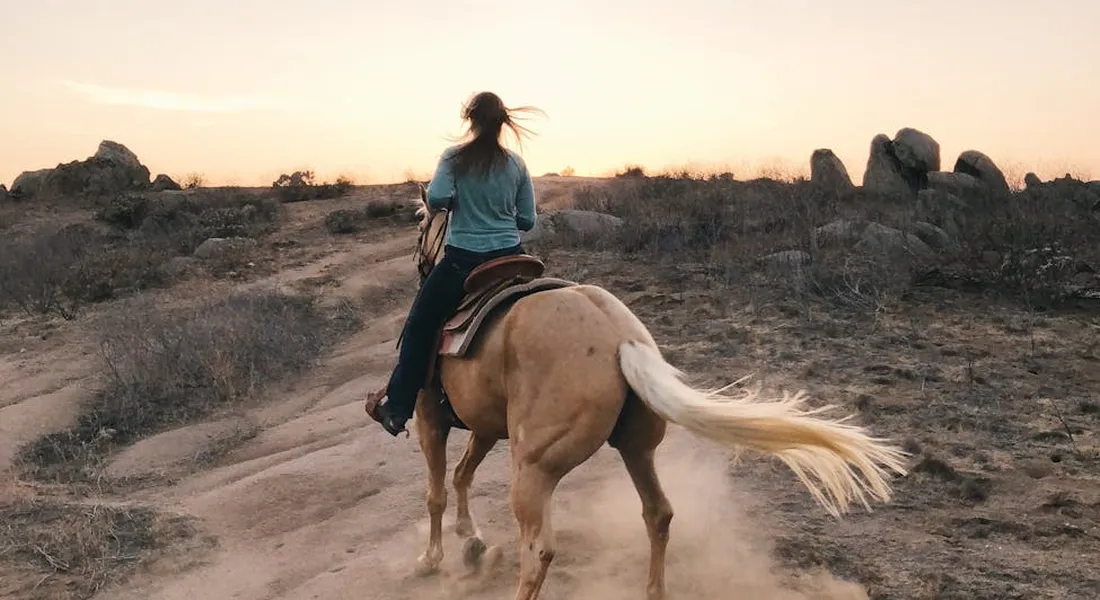
Choosing an equine partner is a major commitment. It’s less about finding the “best” breed and more about finding the best fit for your life, your land, and your experience.
- Audit Your Reality. Be brutally honest. How many hours a week do you truly have? What are your facilities like-ample pasture or a small dry lot? What’s your budget for feed, farrier, and vet care? A high-energy Arabian will languish in a stall 23 hours a day, while a hardy mustang might find a rich pasture diet disastrous.
- Define Your “Why.” Are you dreaming of quiet trail rides, local shows, or simply the companionship of a grazing partner? Your goal dictates the needed temperament and physical build. A gaited horse for long trail days is a different beast than a compact pony for a child to learn on.
- Prioritize Temperament Over Pedigree. The fanciest papers won’t make a nervous horse calm or a lazy horse energetic. Spend time with the horse on the ground; watch how it interacts with the world, its herd mates, and its handler. A good mind is the foundation of everything.
- Plan for Breed-Specific Care. Your care routine must adapt to your choice. A draft cross will need more frequent hoof trimming due to their weight. A retired racehorse may need a specialized diet to wean off high-energy feeds. An easy-keeper pony like Pipin requires strict portion control to avoid founder.
- Commit to Lifelong Learning. Your horse’s breed gives you clues, not a full manual. Learn their language. Providing ample turnout time isn’t a luxury; it’s a fundamental requirement for equine mental and physical health, regardless of breed. Observe, listen, and be ready to adjust your care as they age and their needs change.
FAQ: Common Uses and Purposes for Different Horse Breeds
What are gaited horse breeds best suited for?
Gaited breeds, like the Tennessee Walking Horse or Missouri Fox Trotter, are purpose-bred for providing an exceptionally smooth ride over long distances. Their unique, intermediate gaits, such as the running walk or fox trot, allow for comfortable trail riding and endurance with less rider fatigue. This makes them ideal partners for lengthy trail adventures or pleasure riding where a jarring trot is undesirable.
Which horse breeds were historically used for pulling stagecoaches?
Stagecoach teams required stamina, steady nerves, and reliable strength. Breeds like the Cleveland Bay and various heavy crosses were prized for their power, soundness, and ability to maintain a consistent trot for miles on poor roads. Their calm temperament was also crucial for navigating through busy towns and unpredictable traffic.
What horse breeds are commonly used in Western sports like cutting and roping?
The American Quarter Horse is the quintessential breed for Western sports, prized for its explosive acceleration, low center of gravity, and innate “cow sense.” Their agile, muscular build allows for the rapid stops, turns, and bursts of speed required in events like cutting, reining, and team roping. This breed’s trainable mind and physical durability make it a mainstay in the rodeo arena and working cattle operations. These traits also translate to practical work on ranches and cattle operations. Are American Quarter Horses used as reliable stock horses beyond the arena?
Finding the Right Fit
Choose a breed whose history and build align with your primary discipline, as this sets you both up for a more confident and successful partnership. Staying mindful of typical health issues for your chosen breed helps you monitor for early signs and tailor preventive care. This naturally leads into the ‘common health issues horse breed watch’ information you’ll see in the next steps. Matching a horse’s inherent strengths to your goals is the single greatest act of preventative care you can provide.
Every horse is an individual, so let patience and observation guide you beyond the breed description. The best results always come from listening to the honest feedback your horse gives you every single day. Think about how your experience level and daily routine shape what kind of horse will fit you best. A horse that matches your lifestyle and goals makes training and ride sessions more rewarding.
Further Reading & Sources
- List of horse breeds – Wikipedia
- Selecting a Horse – Horse Owners – Merck Veterinary Manual
- All Horse Breeds – The Ultimate List from A to Z
- A Beginner’s Guide to Horse Breeds – My New Horse
At Horse and Hay, we are passionate about providing expert guidance on all aspects of horse care, from nutrition to wellness. Our team of equine specialists and veterinarians offer trusted advice on the best foods, supplements, and practices to keep your horse healthy and thriving. Whether you're a seasoned rider or new to equine care, we provide valuable insights into feeding, grooming, and overall well-being to ensure your horse lives its happiest, healthiest life.
Choosing the Right Breed