
Do Horses Eat Hay or Straw? Understanding Their Diet
Hello fellow equestrians. That moment of doubt at the feed store, wondering if you’re buying dinner or bedding, is more common than you think. Getting it wrong doesn’t just waste money-it risks your horse’s health and can lead to serious digestive trouble.
Let’s settle this for good. I’ll guide you through the crucial structural and nutritional differences between hay and straw, why hay is the absolute bedrock of a safe equine diet, and how to evaluate hay with your eyes, hands, and nose to fuel your horse properly.
My years in the barn managing everything from Rusty’s reliable appetite to Pipin’s crafty snack theft have taught me that what goes in the hay net matters most.
The Straight Feed: Hay is Food, Straw is Not
Your horse’s belly isn’t a trash bin; it’s a finely tuned fermenter that needs the right fuel. I learned this the hard way when Pipin, our cheeky Shetland, decided his straw bed was a midnight snack and ended up with a bellyache. Hay is specifically grown and cut for nutrition, while straw is the dried stalks left after grain harvest, meant for bedding, not eating.
Here’s the quick breakdown:
- Purpose: Hay is forage, the main course of your horse’s diet. Straw is bedding, providing cushion and insulation in stalls.
- Nutrition: Good hay smells sweet and is greenish, packed with energy, protein, and vitamins. Straw is golden and hollow, offering little more than roughage that’s hard to digest.
- Digestibility: A horse’s gut is designed to process hay efficiently. Straw lacks nutritional value and can lead to impaction colic if consumed in place of hay.
What’s in the Bale? Hay Types and Nutrition
Not all hay is created equal. The type of grass or legume in that bale makes a huge difference to your horse’s health and energy levels. Choosing the right hay is like picking the perfect feed for an athlete; it needs to match their workload and metabolism. To help you decide, a complete comparison of hay types shows which options are best for different horses. This helps tailor choices to workload, digestion, and energy needs.
Let’s look at the common players in the hay field. Timothy hay is that reliable friend in the barn. It’s a cool-season grass with a fine stem and soft seed head. It’s high in fiber, moderate in protein, and lower in sugar, making it a great choice for most pleasure horses and easy keepers. For horses prone to founder, there are specific hay-feeding guidelines to follow. We’ll cover founder-focused guidelines in the next step. I feed it to Rusty, our quarter horse, because it keeps him satisfied without firing him up.
Orchard grass is similar to timothy but often leafier and slightly sweeter. It’s palatable and provides good fiber, with protein levels that support light to moderate work. Luna, our thoroughbred, does well on a mix of orchard grass to keep her calm and focused.
Alfalfa hay is the powerhouse legume hay. It’s dense, dark green, and packed with protein and calcium. Because it’s so rich, it’s best for hard keepers, growing youngsters, or horses in heavy training. But feed it with care; too much can lead to excess energy or urinary issues.
A Note on Haylage
Haylage is grass cut and wrapped while still moist, fermenting slightly in the bale. It smells tangy and is dust-free, ideal for horses with respiratory issues. However, it’s higher in sugars and can spoil quickly once opened, so storage is key. I’ve used it for older horses who need soft, palatable forage.
Choosing the Right Hay for Your Horse
Match the hay to your horse’s needs. Here’s a simple guide:
- Easy Keepers (like Rusty): Choose low-sugar, high-fiber grass hays like timothy or mature orchard grass. Limit alfalfa.
- Hard Keepers (or horses in work): Opt for richer hays like alfalfa or mixed grass-legume bales to boost calories and protein.
- Metabolic Horses (prone to laminitis): Stick to tested, low-NSC (non-structural carbohydrate) grass hays. Soak hay to reduce sugars if needed.
Building the Ration: How Much Hay to Feed
Guidance: Explain the 1.5-2% of body weight rule. Give practical examples using different horse weights. List factors that change requirements (weather, age, workload).
Calculate your horse’s daily hay needs by using 1.5% to 2% of their body weight. This formula is your best friend for maintaining ideal condition without wasting feed. It keeps the gut full and the mind content.
Picture my quarter horse, Rusty, who tips the scale at about 1,000 pounds. Knowing the average weight of a horse helps tailor feeding plans across animals. It puts individual weights into perspective. He gets 15 to 20 pounds of hay spread over his day. For a small pony like Pipin at 500 pounds, that’s only 7.5 to 10 pounds-any more and he’d be round as a barrel. A large 1,200-pound horse might need 18 to 24 pounds to feel satisfied.
That percentage is a starting point, not a fixed law. Bitter cold weather makes horses burn hay for warmth, so I always add an extra flake or two when the temperature plummets. An older horse with dental issues may need more soaked, soft hay to chew. A horse in heavy work, like my thoroughbred Luna, requires more calories from hay to support her energy.
Feeding Frequency for a Healthy Hindgut
The timing of meals matters as much as the amount. Horses evolved to be trickle-feeders, and their delicate hindgut relies on a near-constant flow of forage. I structure feeding to mimic natural grazing rhythms, which prevents ulcers and boredom, and also incorporate natural foraging enrichment to encourage healthy grazing behavior.
You can offer hay in a few ways, each with its own trade-offs. My barn runs on a mix of slow-feed nets and ground feeding, tailored to each horse’s personality and needs. When choosing between hay bales, pellets, or cubes, a quick look at the nutritional breakdown for your horse can guide your decision. Here’s a quick comparison.
- Slow-Feed Hay Nets: These nets make horses work for their meal, stretching consumption for hours. They are fantastic for easy keepers and stall rest. The downside is some horses, especially those not accustomed, may get frustrated or catch a shoe.
- Ground Piles or Feeders: Scattering hay on clean ground is the most natural posture for eating. It promotes better breathing and reduces strain. The cons are obvious-hay gets wasted quickly and dominant horses can guard the best piles.
I use nets in stalls at night and spread hay in multiple piles during turnout so even the low-ranking herd member gets a share. The goal is to never let the forage run completely dry.
Hay Quality 101: Safety, Storage, and Smell Tests
Guidance: Describe how to inspect for mold, dust, and weeds. Include a step-by-step process (ol) for assessing a bale using sight, smell, and touch.
Excellent quantity means nothing if the hay is poor. Feeding moldy or dusty hay is a direct ticket to veterinary bills for colic or respiratory distress. I inspect every new batch like a hawk, using my eyes, nose, and hands.
Follow this ordered checklist when you open a new bale. It takes two minutes and can save you weeks of worry.
- Look Closely: Pull apart the flakes. Good hay has a bright, leafy green color, not a dull brown. Scan for tiny black or white speckles-that’s mold. Shake a flake gently; a big dust cloud means it’s too dry or moldy inside.
- Take a Deep Sniff: Bring a section to your nose. It should smell clean and sweet, like fresh-cut grass after rain. A sharp, musty, or sour odor is a sure sign of fermentation and spoilage.
- Feel the Texture: Crush some stems in your palm. It should feel dry and crisp, not damp, warm, or clumpy. Warmth means it’s still curing and could combust. Run your fingers through to check for hidden weeds like nettles or thistles.
I learned this the hard way with a load that looked fine but felt oddly warm; I left it isolated and it grew a fuzzy coat of mold within days. Your senses are the most reliable tools you have.
Storing Hay to Preserve Nutrition
Guidance: List key storage tips to prevent spoilage, focusing on dryness, ventilation, and pest control.
Perfect hay can be ruined by bad storage in a single rainy week. Your storage area must be a fortress against moisture, a champion of air flow, and a deterrent to pests. I keep my hay in a separate shed, and the rules are non-negotiable.
Apply these simple practices to keep your hay in top condition.
- Elevate on Pallets: Always stack bales on wooden pallets or racks. This prevents ground moisture from seeping into the bottom bales and causing rot.
- Promote Air Circulation: Stack bales loosely with gaps between them. Never pack them tight against a wall; air needs to move around every side to prevent heat build-up.
- Cover the Top, Not the Sides: Use a waterproof tarp over the top of the stack only. Wrapping the entire stack traps moisture and creates a steamy, mold-friendly environment.
- Deter Rodents and Insects: Keep the storage area clean and clear of debris. I use secure bins for grain nearby and encourage barn cats-they’re nature’s best pest control officers.
I rotate my stock, using the oldest bales first, so nothing sits long enough to lose its nutritional punch or that sweet, sun-cured smell. Good storage is quiet, boring, and absolutely essential.
The Straw Situation: When is it Safe to Ingest?
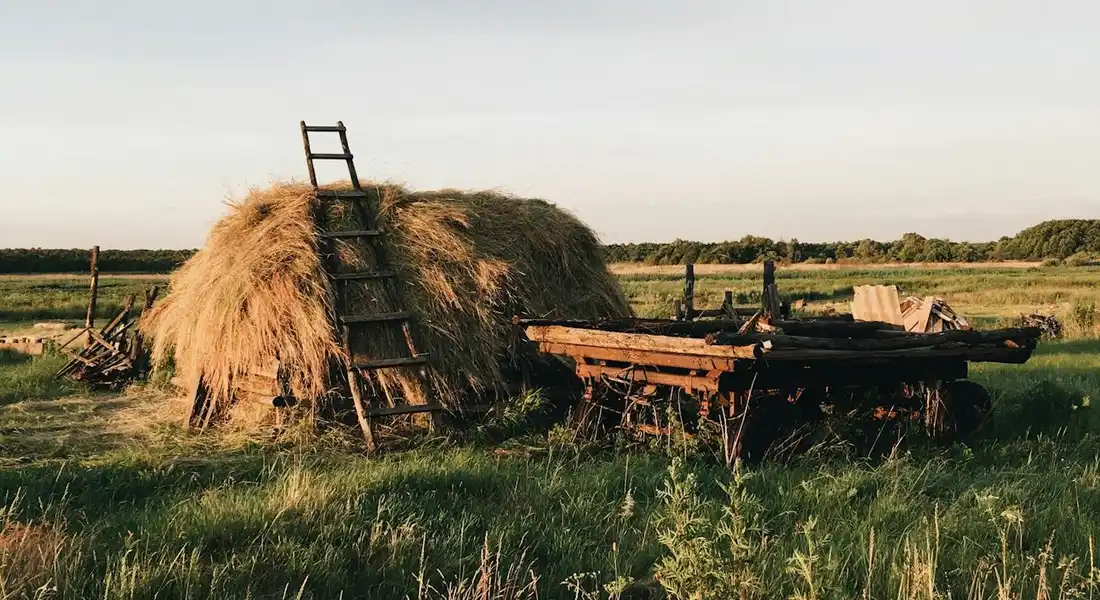
Let’s be clear: straw is bedding, not feed. I’ve seen more than one clever pony, like my Pipin, try to convince me otherwise by gleefully diving into a fresh stall bed. Straw is the dried stalk of grain plants like wheat or oats after the seed head is removed. It’s hollow, brittle, and offers about as much nutritional value as cardboard. Feeding straw as a primary forage source will leave your horse dangerously undernourished and at high risk for impaction colic.
The Rare Exception: A Weight Management Tool
There is one very specific scenario where straw enters the diet conversation. For horses that are morbidly obese and prone to metabolic issues, a veterinarian or equine nutritionist might recommend replacing a small percentage of their hay ration with clean, palatable oat straw. This adds bulk and chewing time without the calories. I’ve done this under guidance for a veteran lesson horse who needed to slim down. This is a precise medical strategy, not a barnyard hack, and requires professional oversight to prevent deficiencies.
Critical Safety Rules for Any Straw
- Never Moldy: Mold in straw is a hard pass. The risks of respiratory and digestive upset are immediate and severe. If you wouldn’t sleep on it, they shouldn’t eat it.
- Choking Hazard: Its wiry nature means it can form dense, dry balls in the esophagus. Always soak any straw meant for consumption to soften it.
- Quality Check: It must be clean, dust-free, and from a reliable source. Straw sprayed with herbicides or containing foreign material is a silent threat.
The musty, sweet smell of old straw is a barn classic, but that scent should stay in the bedding, not the feed tub. For 99% of horses, hay is the answer; straw is just for lying down on.
Beyond Basic Hay: Supplements and Pasture
Hay is the bedrock, but the whole nutritional picture has moving parts. Watching Luna graze on spring grass versus munching winter hay in her stall is like watching two different energy systems at work.
Pasture vs. Hay: The Sugar Swing
Fresh pasture is living forage, and its sugar and starch levels fluctuate wildly with the season, time of day, and weather. That lush, quick-growing spring grass is often sugar-heavy. For sensitive horses, this can be like a constant sugar rush, fueling excitability or metabolic distress. Sunny, stressed pasture (from overgrazing or frost) often stores more sugars. Hay, being cured, generally has more stable, lower sugar levels, making it a safer choice for many.
I plan my grazing times for my easy-keeper around this. He gets turned out on our richer paddock at night when sugar levels are lower, and comes in during the peak sunshine hours with a net of tested, low-sugar hay.
When to Reach for a Supplement
Most horses on good-quality forage, with a plain white salt block, don’t need a cabinet full of powders. Start with a forage analysis of your hay-it tells you what you’re actually working with before you add anything. Common reasons to supplement include:
- Correcting a documented deficiency (like low selenium in your region).
- Supporting specific needs: a senior with poor teeth may need a complete feed, an elite athlete may need electrolyte support, a horse with poor hooves might benefit from biotin (though diet basics come first).
- Providing a carrier for daily medications.
The Non-Negotiable: Salt
This is the one “supplement” every single horse needs, every single day. A plain salt block in the stall and pasture is mandatory. Horses lose electrolytes constantly and cannot regulate their systems or properly digest fiber without ample sodium. In winter, or for hard workers, I often add a tablespoon of plain loose salt to Rusty’s grain meal to ensure he’s drinking enough. It’s the cheapest, most critical wellness tool in your shed.
Common Feeding Mistakes and How to Avoid Them
I’ve seen these errors creep into even the most well-meaning barns. They often start small, but the impact on your horse’s health can be huge.
Guidance: List frequent errors like sudden diet changes, inadequate water, and over-reliance on grain. Offer corrective, actionable tips for each.
Let’s walk through the big ones. I’ve made a few of these myself, and the horses were quick to teach me better.
- The Sudden Switch: Changing hay types or introducing new grain overnight is a major gamble. I learned this swapping a truckload of leafy alfalfa for Rusty’s usual grass mix. The sudden richness gave him loose manure and a worried look. Always transition feed over 7-10 days, mixing increasing amounts of the new with the old.
- Invisible Dehydration: Water is the most overlooked nutrient. A bucket that looks full isn’t always being drunk. Luna, my Thoroughbred, is finicky about stale water. In winter, she’d rather go thirsty than break ice. Clean buckets daily, check automatic waterers twice, and provide lukewarm water in freezing weather to encourage intake.
- The Grain Crutch: It’s easy to think more grain equals more energy. But for many horses, it just equals more risk. Most pleasure horses don’t need it. Base your horse’s diet on forage (hay/pasture), and only add grain if a nutritionist confirms a deficiency that hay can’t fix. Pipin the pony gets fat on air, so his “grain” is a vitamin-mineral pellet in a handful of soaked hay pellets.
- Inconsistent Schedule: Horses are creatures of habit. A stressed gut is often a bored or anxious one. Feeding at wildly different times each day creates anxiety. Feed at consistent times to support their natural digestive rhythm and mental peace. The predictable creak of the feed cart door is a comfort to them.
- Skipping the Weigh-in: Feeding by “flakes” is a guess. A flake of light grass hay is not the same as a dense flake of timothy. Use a kitchen scale or hanging scale to actually weigh your hay. Feed 1.5-2% of your horse’s body weight in forage daily, adjusting for workload.
Recognizing and Preventing Digestive Trouble
The gut is the cornerstone of health. What goes in here affects everything from their hooves to their mood.
Guidance: Link feeding practices to gut health. List subtle signs of imbalance (e.g., behavioral changes, manure consistency).
Colic is the emergency we fear, but the warning signs often whisper first. Watch for these quiet cues.
- The Manure Report: This is your daily health check. Dry, hard balls signal dehydration or lack of forage. Cow-pie consistency can mean too much rich pasture or grain. Notice undigested hay seeds? Your horse might not be chewing properly due to dental issues. Make a habit of glancing at the pile; it tells a story.
- Behavioral Shifts: A usually cheerful horse becoming grumpy when girthed might have gastric discomfort. Pawing at feeding time, or lying down more than usual after a meal, are subtle red flags. Luna becomes clingy and anxious when her gut is off, long before she shows physical symptoms.
- Dull Coat and Hoof Quality: A lackluster coat or brittle hooves can stem from poor nutrient absorption in the gut, often linked to a microbiome imbalance from a low-forage diet. True health shines from the inside out, and it starts in the hindgut where hay is fermented.
- Prevention is Forage-First: The single best thing you can do is maximize turnout and forage access. Movement stimulates gut motility. Constant grazing buffers stomach acid. If stall-bound, use a slow-feed hay net to mimic natural grazing patterns and keep the digestive conveyor belt moving.
- Listen to the Quiet: The thud of a horse lying down to nap is normal. The silence of a horse standing rigidly in a corner, or the absence of manure in a usually messy stall, is not. Know your horse’s normal routines and rhythms-you are their best early-warning system.
FAQ: Do Horses Eat Hay or Straw? Understanding Their Diet
Can horses safely eat hallucinogenic weeds if encountered in hay or pasture?
No, horses should never ingest hallucinogenic weeds or any other toxic plants, as these plants can be highly toxic and cause serious health issues like neurological damage or colic. Consumption can lead to symptoms such as incoordination, behavioral changes, and even fatal reactions. Always monitor pastures and hay for toxic plants and remove them promptly to ensure your horse’s safety.
Should horses eat hay or grass as their primary forage source?
Horses can eat both, but hay often serves as a more reliable primary forage because it provides consistent nutrition and fiber regardless of season or weather. Fresh grass is beneficial for grazing but can vary in sugar content, potentially risking metabolic issues in sensitive horses. A balanced approach, using hay, such as alfalfa, to supplement pasture when needed, helps maintain optimal digestive health and weight.
Do horses need to eat hay in situations where pasture is limited or unavailable?
Yes, hay is essential when pasture access is reduced, such as during winter droughts or for stall-bound horses, to meet their daily fiber requirements. It prevents digestive problems like ulcers and colic by ensuring a steady forage intake. Always provide high-quality hay to mimic natural grazing and support overall well-being when fresh grass is scarce.
Feeding Truths from the Trough
Always choose high-quality hay as the main source of roughage for your horse. Straw is for bedding only-feeding it can cause impaction colic and fails to meet their nutritional needs.
Good horsemanship means watching your horse’s eating habits and body condition with a patient eye. Their comfort and vigor will tell you if the diet is right, so make listening a daily habit.
Further Reading & Sources
- What Types Of Straw Can Be Fed to Horses
- Feeding Straw to Horses: A Low-Energy Forage Alternative | Mad Barn
- Straw as an Alternative to Grass Forage in Horses-Effects on Post-Prandial Metabolic Profile, Energy Intake, Behaviour and Gastric Ulceration – PMC
- Feeding a horse straw: why it has a place in their diet and how to feed it safely – Your Horse
At Horse and Hay, we are passionate about providing expert guidance on all aspects of horse care, from nutrition to wellness. Our team of equine specialists and veterinarians offer trusted advice on the best foods, supplements, and practices to keep your horse healthy and thriving. Whether you're a seasoned rider or new to equine care, we provide valuable insights into feeding, grooming, and overall well-being to ensure your horse lives its happiest, healthiest life.
Nutrition