
Feeding Horses Before Sedation: Your Complete Pre-Procedure Diet Guide
Published on: September 2, 2026 | Last Updated: September 2, 2026
Written By: Henry Wellington
Hello fellow equestrians. That quiet worry in the back of your mind as a vet appointment approaches is real. Figuring out what to feed your horse before sedation is crucial for preventing colic or choking, and it keeps everyone safer.
Let’s walk through the exact steps to prepare your horse’s gut. We will cover:
- The precise fasting timeline for different feeds like grain and hay
- Why water access is a non-negotiable safety rule
- How to handle the hungry, confused horse in the stall beforehand
- The safe, slow method to offer the first meal after the procedure
I’ve navigated this with my own herd for years, from keeping Luna calm to outsmarting Pipin’s snack raids, ensuring every procedure starts on a stable gut.
Why Fasting Before Sedation is Non-Negotiable
Let’s be perfectly clear: not fasting your horse before a vet visit that requires sedation is playing with fire. Your primary goal is to prevent two life-threatening issues: a sedation-induced colic and the inhalation of stomach contents, which can lead to fatal pneumonia. I learned this lesson the hard way years ago with a boarder’s horse who managed to snag a mouthful of grain before a routine injection. What should have been a five-minute appointment turned into a three-hour colic watch that had us all on edge.
- Colic Risk: Sedatives slow gut motility. Food sitting in a sluggish intestine can compact, ferment, and cause an impaction or gas colic.
- Aspiration Danger: A sedated horse has a weakened swallow reflex. If they regurgitate even a small amount of stomach fluid mixed with food particles, it can be inhaled into the lungs.
- Compromised Monitoring: A full digestive tract can physically impede a vet’s ability to listen to crucial gut sounds and can alter how your horse metabolizes certain drugs, muddying the clinical picture.
The Simple Science of an Empty Stomach
Think of your horse’s digestive tract as a one-lane country road. Food is the steady traffic moving along it. Sedation acts like a temporary roadblock or a major slowdown. If you stop the traffic with a line of cars (food) already on the road, you get a jam, buildup, and eventually, a complete standstill-that’s colic. An empty road means the slowdown causes no backup. Stomach emptying is just the first step; we need the small intestine to be clear too, which is why grain, being denser, requires a much longer head start.
A Cautionary Tale from the Stable
My mare Luna, ever the clever one, once undid a stall latch the night before a dental float. She didn’t get into her own grain, but she found her neighbor’s bucket. The next morning, the vet arrived, and I mentioned her midnight snack. The procedure was postponed immediately. Within two hours, Luna was showing the early signs of discomfort: looking at her flank, restlessly pawing, and off her feed. A dose of Banamine and careful walking were needed to get things moving again. The takeaway? It wasn’t a major colic, but it was a completely avoidable stress for her and a stark reminder for me. Always assume they are smarter than your safeguards.
Building Your Horse’s Pre-Sedation Fasting Schedule
Creating a clear plan turns anxiety into a simple checklist. The golden rule is always, always follow your own veterinarian’s specific instructions, as procedures vary. For routine sedation like for teeth floating or minor stitches, these are the general frameworks I use in my barn.
| Feed Type | When to Withhold | Key Reason |
|---|---|---|
| Grain & Concentrates | 12-24 hours before | Dense, slow to digest; high colic risk if motility slows. |
| Hay & Forage | 6-12 hours before | Lighter than grain but bulk can still cause issues; allows stomach to empty. |
| Water | Typically NOT withheld* | Prevents dehydration, supports circulation during sedation. |
*Except under direct vet orders for specific abdominal surgeries.
Hay and Grain: What to Pull and When
Grain gets pulled first-no exceptions. I pull all grain after dinner the night before a morning procedure, giving a solid 12-hour window. For a late afternoon appointment, they get breakfast but no lunch grain. Hay comes up later. For most of my herd, I pull the last hay net at midnight for an 8 a.m. vet call, ensuring a clean 8-hour fast. My phone is littered with reminders labeled “NO HAY for Luna” because barn life is busy and details slip. Set an alarm; it’s the easiest barn hack for peace of mind.
Water Availability: Keeping the Faucet On
This is where many owners get nervous, but don’t be. Withholding water can lead to dehydration, which thickens the blood and stresses the system, making sedation and recovery riskier. Your horse should have free access to fresh water right up until the vet sedates them. The only time this changes is if your vet explicitly tells you to pull water for a specific surgical reason. When in doubt, leave the bucket in the stall. Being mindful of hydration mistakes helps ensure your horse stays properly hydrated. Our upcoming guide covers 5 reasons your horse might not be drinking enough and how to address them.
The Treat Dilemma: Carrots, Apples, and Supplements
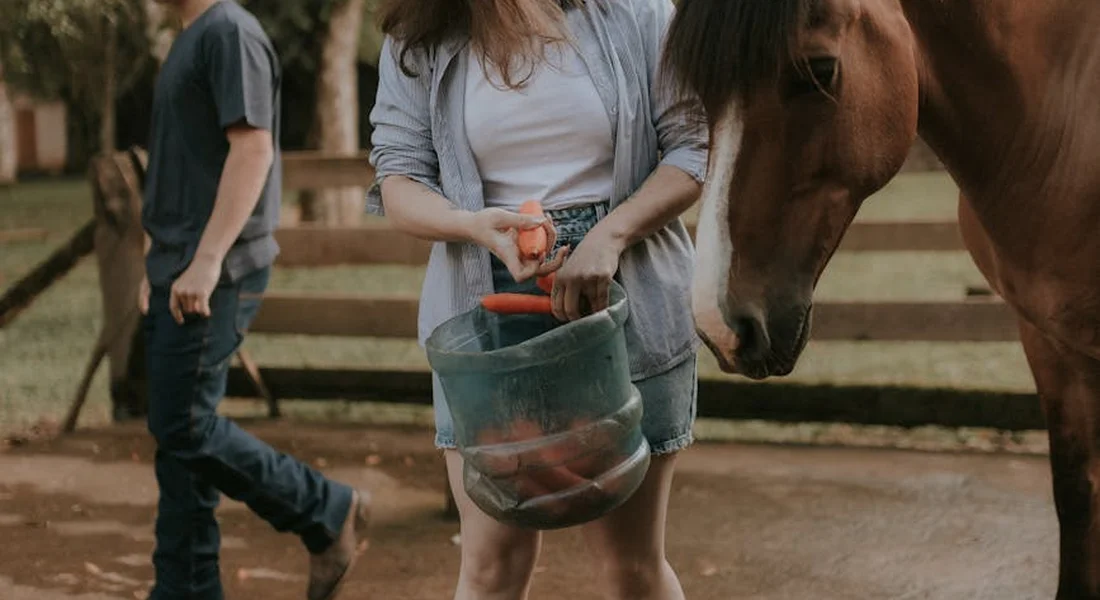
This is a full stop. All treats, mashes, and oral supplements (like powdered joint supplements) stop with the last meal. A handful of carrots is still food in the stomach, and that molasses-packed supplement is a concentrated sugar hit. I’ve had to explain to more than one well-meaning owner why we can’t give that “good luck” apple before the float. My pony Pipin is a master of the pity-me face, but even his treat bucket goes away on vet day. No negotiations.
Your Step-by-Step Fasting Checklist
- Call your vet and confirm the exact fasting times they want for your horse’s specific procedure.
- Remove all grain, pellets, and sweet feed at the designated hour (usually 12+ hours prior).
- Withhold hay according to schedule (often 6-12 hours prior), but ensure the water bucket remains full and clean.
- Do a final “food sweep” of the stall and paddock the night before-check for stray apples, old hay flakes, or clever ponies who stash things.
- Keep your horse relaxed. If possible, offer turnout (with no grass if fasting) or a calm neighbor for company to distract from the missing meals.
Tailoring the Fast: Special Considerations for Procedure and Horse
Fasting isn’t a one-size-fits-all rule. The right plan dances on the details of your horse and the job ahead. Your vet’s instructions are the final word, but understanding the “why” lets you advocate for your horse’s comfort and safety. I’ve had to adjust plans for every horse in my care, from steady Rusty to sensitive Luna. This includes considering how they are fed regularly, such as the choice between slow feeder nets and ground feeding.
Procedure Type: Routine Dental vs. Major Surgery
Think of sedation like a spectrum. For a quick hoof trim or dental float with light sedation, a short fast of 3-4 hours for grain and 1-2 for hay often does the trick. The goal is simply to have an empty stomach, not a starving horse. My old gelding Rusty would get grumpy if his morning snack was skipped for a trim, so we’d schedule him early. That same planning also covers how long to wait before exercising after a meal, so activity doesn’t disrupt digestion. Timing will vary with the size of the meal and the individual horse.
Major surgery under full general anesthesia is a different ballgame. Here, we follow strict NPO (nothing by mouth) rules, usually 8-12 hours for grain and 4-6 for hay. This lengthy fast minimizes the risk of aspiration, a serious complication where stomach contents can enter the lungs. When Luna needed a procedure, her overnight fast was non-negotiable for her safety.
Age and Health Status: The Senior, The Metabolic, The Young
Metabolic horses with EMS or PPID need a careful balance. A long fast can trigger a metabolic crisis or painful laminitis. For these individuals, vets often prescribe a much shorter fast, sometimes just skipping the morning meal while allowing hay until the last moment. Their health hinges on steady fuel.
Foals and very old seniors are also special cases. Their bodies don’t store energy well. Prolonged fasting can lead to dangerous hypoglycemia or dehydration in a senior like Pipin, who needs his steady trickle of forage. Always work with your vet to craft a modified plan that protects their fragile systems.
Small Equines: Extra Care for Ponies and Minis
Never treat a pony like a horse. Our clever Pipin, with his Shetland metabolism, is a prime example. Small equines process food rapidly and are prone to hyperlipidemia, a life-threatening condition where the body mobilizes fat stores too aggressively during stress or fasting. For them, fasting often means no grain but continued access to a little hay right up until sedation. Monitor minis and ponies extra closely for signs of stress like sweating or trembling, and always get vet-specific orders.
When Mistakes Happen: Accidental Feeding and Damage Control
Barns are chaotic. A gate left unlatched, a well-meaning volunteer-it happens to everyone. The key is how you respond. Panicking helps no one, but swift, honest action can prevent a real emergency. I’ve found a stray grain bucket more than once, and the protocol is always the same.
The “Oops” Protocol: Immediate Actions
-
Take a deep breath. Your calm matters. Figure out what they ate and how much-was it a scoop of grain or just a mouthful of hay? Accurate information is your first tool for damage control.
-
Call your veterinarian immediately. Do not wait, and never try to hide it. Your vet needs to know the full story to keep your horse safe; they’ve heard it all before.
-
Be mentally prepared to reschedule. This is the hardest part, but safety always trumps convenience. A delayed procedure is far better than a complicated one.
-
Keep a close eye on your horse. Watch for subtle signs like pawing, looking at their flank, or lying down more than usual. Are these early warning signs of colic in horses? Recognizing them quickly can be lifesaving. Early detection of colic can make all the difference in outcome.
Transparent Communication with Your Vet
Honesty isn’t just ethical; it’s medically necessary. When you tell your vet about the slip-up, they can adjust sedation drugs or give gastro-protectants. Withholding this information puts your horse at serious, avoidable risk under sedation. I once confessed that Luna had nabbed a few mouthfuls of hay before a scope; because I spoke up, the vet adjusted her plan and we avoided any issues. That trust is everything.
After the Sedation: The Gentle Return to Feed
Once the vet has packed up and your horse is swaying sleepily in his stall, the care shifts from preparation to vigilant recovery. The goal now is to coax the digestive system back to work without overwhelming it. A sudden return to a full ration of dry hay or grain is a classic recipe for post-sedation colic, which is the last thing anyone wants after a successful procedure.
The First Post-Sedation Meal
Wait for your veterinarian’s explicit all-clear before offering anything. This usually comes once your horse is fully standing, seems coordinated, and is showing interest in his surroundings. I always watch for that first quiet lip-smack or nuzzle toward the hay net-it’s a good sign. If you notice sudden collapse, severe pain, inability to rise, or trouble breathing, call your veterinarian immediately. It helps to be familiar with the emergency signs so you know when to seek urgent care.
Start with something small, soft, and hydrating. My go-to is a single, fluffy flake of the softest grass hay I have in the barn, slightly dampened with water to make it even easier to chew and swallow. For horses like my old reliable Rusty, who thinks bran mash is the ultimate prize, a small, soupy mash of plain wheat bran with warm water can be a tempting and gentle reintroduction. If dental issues affect chewing, soaking hay to soften it can ease intake, and some owners even bathe hay to help reduce dust and support comfortable feeding.
- Offer only a handful or two initially.
- Ensure fresh water is always available.
- Stay close and listen for the welcome sounds of steady munching.
Your next job is to become a detective of normalcy. Before you even think about resuming his normal dinner, you must confirm his gut is waking up by hearing active gurgles on both sides and seeing him pass normal, moist manure. Place your ear against his barrel just behind the last rib; you want to hear a symphony of pops and gurgles, not silence. This monitoring is non-negotiable. I’ve spent many an hour leaning against Luna’s stall, listening to the reassuring sounds of her system rebooting after a dental.
Only after you’ve confirmed these positive signs should you gradually reintroduce his regular feeding schedule over the next 12-24 hours. This patience is the final, critical step in a safe sedation process.
Feeding Horses Before Sedation: Pre-Procedure Diet Guidelines FAQ
How does a horse’s age or health status (e.g., metabolic issues like PPID or EMS) affect pre-sedation fasting?
Horses with metabolic conditions require a carefully modified fasting plan to prevent health crises. For these horses, veterinarians often recommend a very short fast, sometimes just skipping concentrate meals while allowing hay access until much closer to the procedure. This approach maintains crucial gut fill and helps avoid dangerous drops in blood sugar or stress-induced laminitis.
Are there different fasting recommendations for different types of procedures (e.g., dental vs. surgery)?
Yes, fasting guidelines scale significantly with the depth of sedation and procedure risk. A routine dental float with light sedation may only require a brief fast of a few hours for hay. In contrast, major surgery requiring general anesthesia demands a strict, longer fast for all feed to minimize the critical risk of aspiration pneumonia.
Are there any specific considerations for ponies or miniature horses?
Ponies and minis require special attention due to their efficient metabolisms and higher risk for hyperlipidemia. Their fasting protocol is typically much shorter, often involving continued access to some hay to prevent metabolic stress. Always obtain explicit instructions from your veterinarian, as these small equines need to be monitored closely for signs of distress during the pre-procedure period.
Setting the Table for Safety
Your vet’s specific fasting plan is your map-withholding grain for 12 hours while often allowing hay and water is typical, but never guess when your horse’s health is on the line. This protocol directly protects their delicate digestive system from life-threatening complications when they are sedated.
Patience and preparation are your tools for a smooth day. Remember, the most important part of any procedure is listening to the quiet signals your horse gives you about their well-being.
Further Reading & Sources
- Sedation in Horses: Medications, Uses & Risks – [Medication Guide] | Mad Barn
- Important question about sedation and feed… | The Horse Forum
- Diet Recommendations for Horses Prior to Surgery – Kentucky Equine Research
- Equine Sedation: A Comprehensive Guide for Horse Owners | Zoetis Equine
At Horse and Hay, we are passionate about providing expert guidance on all aspects of horse care, from nutrition to wellness. Our team of equine specialists and veterinarians offer trusted advice on the best foods, supplements, and practices to keep your horse healthy and thriving. Whether you're a seasoned rider or new to equine care, we provide valuable insights into feeding, grooming, and overall well-being to ensure your horse lives its happiest, healthiest life.
Nutrition