
Slow Feeder Nets vs. Ground Feeding: Optimizing Your Horse’s Digestion and Behavior
Hello fellow equestrians! The frantic rustle of hay being gulped down or the tense silence of a horse staring at an empty feeder-these moments signal real worries about colic, boredom, and costly vet bills.
We’ll compare slow feeder nets and ground feeding to find the best fit for your horse. You’ll get a clear breakdown of how each method affects gut health and prevents issues, see the direct impact on behavior and mental well-being, and learn my barn-tested steps for a safe, effective setup.
Having managed barns and trained horses for over a decade, I’ve balanced the needs of steady eddies like Rusty and sensitive souls like Luna, always with their welfare as the guide.
The Daily Grind of Horse Feeding
Every morning, my day starts with the same symphony: the thud of hooves on clay, the impatient whinny from Luna’s stall, and the rustle of hay being pulled from the bale. For years, I dumped flakes into buckets and tubs, watching the horses devour their breakfast in twenty minutes flat, only to stare blankly at the walls for hours. It felt efficient, but something was off. The energy in the barn after feeding time wasn’t calm contentment; it was a tense quiet, often punctuated by Pipin kicking his door or Luna weaving. I was filling bellies, but I wasn’t nourishing minds or mimicking nature. How you serve the meal is just as critical as what’s in it, transforming a simple chore into a cornerstone of equine welfare.
The Science of Equine Digestion: Why How You Feed Matters
Think of your horse’s digestive tract not as a static container, but as a sophisticated, always-moving conveyor belt designed for slow, constant intake. When we disrupt this ancient rhythm with rapid, large meals, the entire system groans under the pressure. This isn’t just about preventing colic; it’s about honoring a biological blueprint written over millennia of roaming and grazing.
Horses Are Grazers, Not Gorgers
Ancestors to our barn buddies didn’t find three square meals a day. They walked, nibbled, and processed fibrous grasses for up to 18 hours. Their stomachs are relatively small, and acid is produced continuously, regardless of whether there’s food in there to buffer it. A big, sudden grain meal can overwhelm the foregut, while long empty stretches let acid splash against unprotected stomach lining. I’ve seen the proof in sensitive souls like Luna, who would get tight and girthy on a conventional feeding schedule. Natural grazing keeps forage moving through the system, neutralizing acid and maintaining a healthy gut pH from esophagus to hindgut.
Here’s what happens when the “grazer” system is ignored:
- Gastric Ulcers: Acid without food buffer erodes the stomach’s squamous lining.
- Colic Risk: Large grain meals can cause gas, impaction, or disruptive fermentation shifts in the hindgut.
- Obesity & Metabolic Strain: Rapid sugar and starch spikes from quick carbohydrate intake.
- Wasted Nutrition: The horse’s body isn’t efficient at processing a glut of nutrients all at once.
So, does a horse’s digestive system work as designed? Understanding these points explains how grazing and feeding choices impact gut health.
The Direct Link to Behavior and Health
That post-feeding boredom I witnessed isn’t just boredom-it’s psychological frustration with physiological roots. A horse with nothing to chew is a horse in a state of unmet instinct. This directly fuels stereotypic behaviors like weaving, cribbing, or stall walking. For a clever pony like Pipin, it turns his energy into devising escape plans for the feed room. Providing slow, continuous forage satisfies the hardwired need to chew, reducing anxiety and filling the time they are naturally meant to spend foraging.
The benefits cascade through their entire being:
- Mental Calm: Chewing produces saliva, which buffers stomach acid, and has a natural, calming effect.
- Physical Health: Steady fiber flow regulates blood sugar, supports hindgut function, and can help maintain a healthier weight.
- Hoof & Coat: Consistent nutrient absorption from efficient digestion translates to better hoof growth and a shinier coat.
- Barn Harmony: A horse contentedly working on a hay net is less likely to develop stall vices or become herd-bound and anxious.
My old reliable Rusty taught me this; his steady temperament is partly because his life as a trail horse meant more hours grazing naturally. Our job is to replicate that peace in the stable.
Slow Feeder Nets: A Detailed Look
What Slow Feeder Nets Actually Do
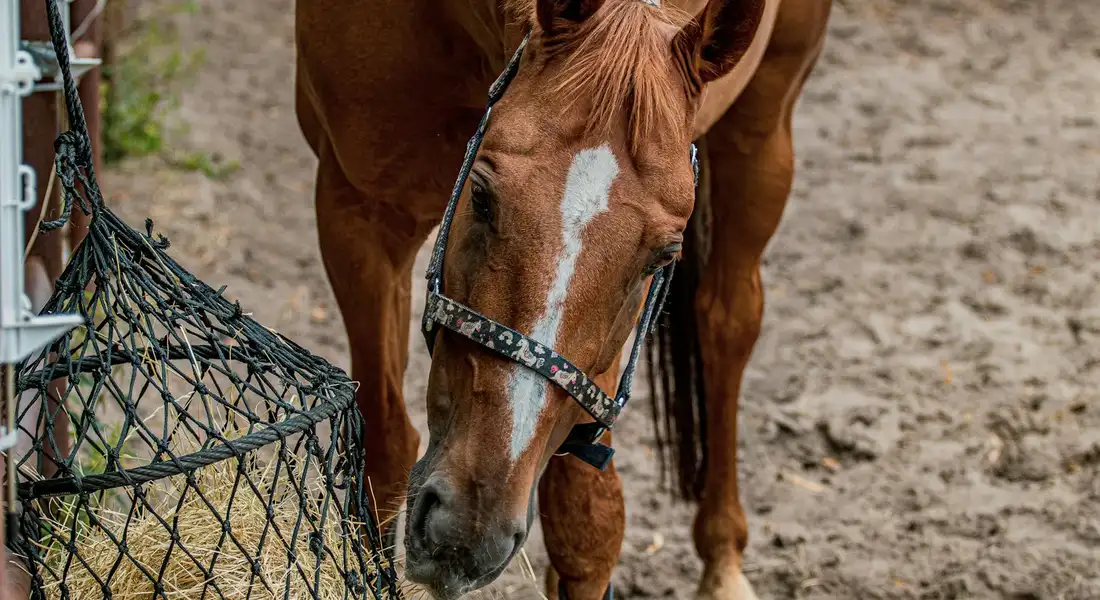
A slow feeder net isn’t just a hay bag with small holes. It’s a mechanical tool that directly changes your horse’s eating posture and rhythm. The small openings force the horse to use its lips and tongue to tease out individual strands, mimicking the selective grazing of a sparse pasture. This action turns a frantic meal into a slow, deliberate process that can stretch over many hours, which is exactly what their digestive tract is designed for. I’ve timed it: Luna can demolish a flake of hay loose in her stall in under an hour, but that same flake in a 1.5-inch hole net lasts her a good three to four, complete with the quiet, contented chewing sounds I love to hear.
The Benefits: More Than Just Slower Eating
The primary win is obvious: slower consumption prevents boredom and supports gut health. But the perks run deeper. I’ve observed three major shifts in my herd since switching to nets.
- Reduced Wood Chewing: Pipin was a dedicated stall destroyer. With a net, his mind and mouth are occupied with “foraging,” saving our barn boards.
- Improved Dental Wear: The consistent, lateral motion of pulling hay promotes even tooth wear, which is a big deal for long-term health.
- Cleaner Stalls: Less hay is trampled into bedding, which means less waste and lower bedding costs over a month.
For a horse like Luna, the high-energy Thoroughbred, the net provides a psychological anchor, giving her a constant, calming activity that helps manage her natural tension.
The Drawbacks and Safety Checks
These tools are not set-and-forget. Vigilance is non-negotiable. The main risks are entanglement and frustration. I follow a strict safety protocol every single day.
- Hang High and Tight: The net must be hung higher than the point of your horse’s shoulder and secured so it doesn’t sag. I use a break-away bungee cord as a safety link.
- Inspect for Holes Religiously: A single broken strand can become a hoof-sized loop. Check the entire net, especially the bottom seam, before each fill.
- Monitor for Frustration: Some horses, especially if introduced too quickly, may bang the net or get angry. Start with a large-hole net and work down slowly.
- Use the Right Size Hole: A 1.5-inch hole is a good start for most adult horses. For easy keepers or ponies like Pipin, I use a 1-inch net to really stretch his meal.
A torn net is an immediate throw-away; never try to repair it with standard twine, as the repair often creates a more dangerous snag point.
Ground Feeding: The Natural Alternative
How Ground Feeding Mimics the Pasture
Ground feeding means placing hay directly on a clean surface, letting your horse eat with its head down. This is the posture evolution designed. Horses are herbivores, evolved to graze and digest fibrous forage. When a horse drops its neck, the airways align naturally, and saliva production increases, which is the first critical step in digestion. You can literally hear the difference: the deep, rhythmic crunch of hay eaten from the ground has a more relaxed tempo than the hurried chewing from a chest-high hay rack. I scatter Rusty’s hay in his paddock on dry days, and he moves from pile to pile just like he would grazing, taking a few steps between bites.
Advantages for Digestion and Comfort
The benefits here are rooted in anatomy. This method isn’t about slowing time, but about optimizing function.
- Promotes Natural Drainage: Head-down allows mucus and debris to drain from the sinus and respiratory tract, which is a major plus for dusty hay.
- Encourages Proper Topline Engagement: It strengthens the muscles along the neck and back in a relaxed way, unlike the fixed position of a high net.
- Reduces Strain on Joints: No craning the neck upwards, which can be a relief for older horses or those with arthritis.
- It’s Inherently Safer: There are no ropes, nets, or hardware for a horse to get caught on or lose a shoe in.
For a seasoned trail horse like Rusty, who already has a calm demeanor, ground feeding on a clean mat in his stall is the simplest way to support his aging joints and keep his breathing clear.
Limitations and Practical Hurdles
As much as I advocate for it, ground feeding in a managed setting has real-world downsides that can’t be ignored. The main issue is waste. Horses trample what they soil, and they will not eat dirty hay. In a stall, this can mean using 30% more hay to ensure they get enough clean forage. In a paddock, rain or snow can ruin an entire day’s ration in minutes. It also requires a commitment to cleanliness, as eating off a muddy or manure-filled area is a fast track to ingesting parasites. You need a dedicated, well-drained feeding area or heavy rubber mats that are swept daily.
| Consideration | Slow Feeder Net | Ground Feeding |
|---|---|---|
| Best For | Easy keepers, bored horses, minimizing waste, stalled environments | Respiratory health, older/stiff horses, natural posture, group settings (with multiple piles) |
| Biggest Challenge | Safety monitoring and initial cost of quality nets | Significant hay waste and need for very clean surfaces |
| My Herd Example | Luna (manages energy) & Pipin (slows consumption) | Rusty (aging comfort) & all horses during daily turnout |
Side-by-Side Comparison: Digestion and Behavior
Impact on Digestive Health
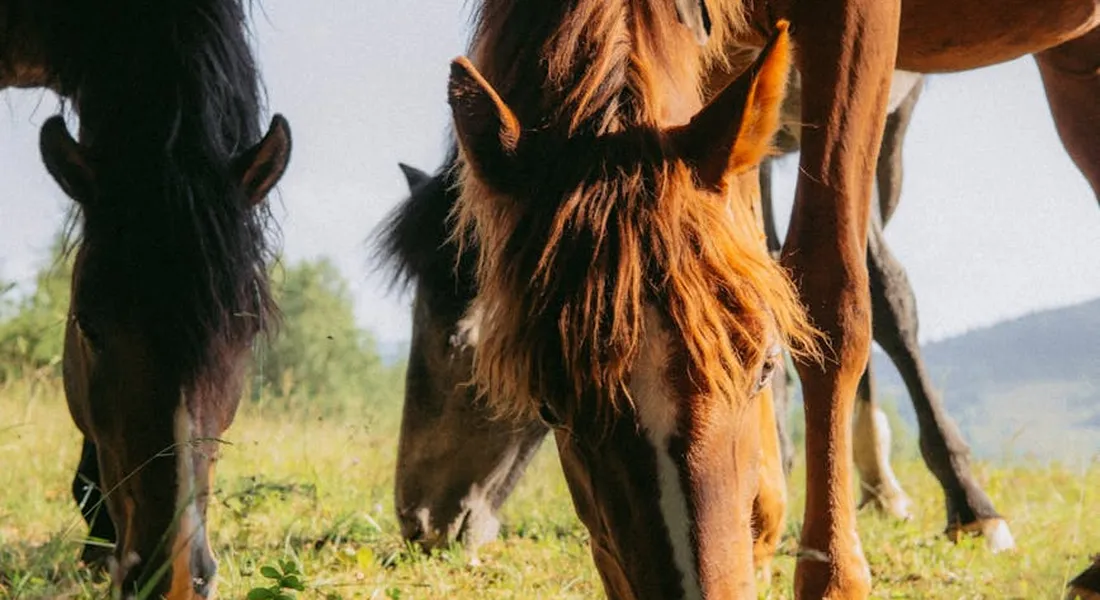
Watch a horse eat from a pile on the ground and then from a slow feeder net. The difference is in the pace. Ground feeding can turn into a speed-eating contest for some horses, like my old friend Rusty who used to inhale his hay like it was his last meal. Slowing consumption with a net mimics the slow, steady intake of grazing, which keeps the digestive tract moving at a healthy, constant pace. This reduces the risk of gastric ulcers and impaction colic, two villains I’ve spent years battling in the stable.
Eating from the ground is natural for head and neck posture, but it doesn’t automatically mean slow eating. Without a barrier, a horse can take huge mouthfuls. A slow feeder forces smaller bites, which increases saliva production. That saliva is nature’s antacid. More chewing means more saliva, which directly buffers stomach acid and protects the sensitive lining. I’ve seen nervous eaters like Luna settle down when their hay lasts longer, their bellies fuller for more hours.
- Slow Feeder Nets: Promote saliva flow, reduce ulcer risk, prevent sand ingestion if hung properly, and mimic natural forage frequency.
- Ground Feeding (Loose Hay): Allows natural head position but offers no speed control; can lead to faster consumption, air swallowing, and more waste mixed with bedding or dirt.
Influence on Horse Behavior and Stable Life
The sound of a horse rhythmically pulling hay from a net is a stable lullaby. The frantic crunching and pawing that can come with a quickly disappearing ground pile? That’s stress. Slow feeders combat boredom and the development of stable vices like weaving or cribbing by providing a long-lasting, engaging activity. It gives their brain a job that’s wired into their biology.
Ground feeding in a group pasture can spark arguments. The boss horse guards the pile, the timid one goes hungry. Even in a stall, a horse finishing its ground hay too fast has nothing to do but stare at the walls. A net stretches the meal, creating a predictable and peaceful routine that lowers overall herd and individual anxiety. My cheeky pony Pipin would finish his hay and then plot escapes; a net gave him a longer, happier challenge.
- For Herd Dynamics: Nets can be spaced apart to reduce food aggression. Loose hay on the ground often creates a single, defendable hotspot.
- For Stall Peace: A slow feeder provides continuous occupation. An empty stall after ground feeding can lead to frustration and destructive habits.
Practical Factors: Cost, Time, and Effort
Let’s talk brass tacks and manure forks. A good slow feeder net is an upfront cost, maybe $50 to $150. A patch of ground is free. The real savings with a net comes from hay preservation-you can easily reduce waste by 20% or more, which pays for the net over a single season with pricey hay. You’ll spend less time sweeping up trampled, unusable hay from the stall floor.
Time investment shifts. Filling a net takes more effort than tossing a flake on the ground. You’ll wrestle with hay strings and learn a few new knots. Checking nets for wear and tear becomes a non-negotiable safety step in your daily routine, a small trade-off for the digestive benefits. Ground feeding is quick but may require more frequent clean-up of soggy, rejected hay.
- Durability: Quality nets last years; cheap ones are a false economy and a hoof hazard.
- Clean-up: Nets keep hay contained. Ground feeding means hay mixed with shavings, dirt, and manure, creating more waste.
- Effort: Nets require filling and monitoring. Ground feeding requires less prep but more stall maintenance.
Choosing the Best Method for Your Horse’s Needs
Step-by-Step Assessment Guide
Don’t guess. Watch your horse eat. Time how long it takes them to finish a flake of hay from the ground. If your horse cleans up in under an hour, a slow feeder is likely a necessary tool for their physical and mental health. It’s also important to consider how much grass they can consume in an hour. Next, kneel down and feel the ground where they eat-is it sandy or muddy? That matters for their gut.
Look at your horse’s body condition and routine. Understanding your horse’s body condition score helps you adjust feed accordingly. This scoring guides how you tweak portions as activity or turnout changes. An easy keeper on limited turnout needs a different strategy than a hard-working athlete. Your choice in feeding method must align with your horse’s daily calorie needs and their access to movement. A stalled horse with one meal a day is a prime candidate for a net, no questions asked.
- Observe Eating Speed: Use a stopwatch. Fast eaters (under 1 hour per flake) are slow feeder candidates.
- Evaluate Waste: How much hay is trampled or soiled? High waste signals a need for containment.
- Check for Behavioral Signs: Does your horse seem antsy after meals? Look for stall-walking or vices.
- Assess Your Schedule: Be honest about the time you have for daily feeding chores and net maintenance.
Tailoring to Special Cases
For the senior with worn-down teeth, a tightly woven net can be a frustration, not a help. For older horses, I often use a large-hole net over a soft, soaked hay cube pile, giving them slow access without the dental struggle. It’s about adapting the principle, not blindly following the rule.
Anxious, high-strung horses like Luna need the steady drip of forage to keep their minds calm. A net provides that security. For the obese pony or metabolic case like Pipin, a very slow net is essential to stretch a tiny amount of hay through many hours. For horses prone to choke, the forced, smaller bites from a net can be a lifesaving management change, but always consult your vet first. There is no one-size-fits-all answer in the barn.
Combining Methods for Balance
You don’t have to pick one team. In my barn, we often blend strategies. Using a slow feeder net in the stall overnight ensures steady digestion, while allowing safe, supervised ground feeding during turnout satisfies that deep-rooted instinct to browse. This combination mimics the natural cycle of moving and eating.
Try a ground feed for their lunch when you’re there to watch, and a net for dinner. Or, use a net in the dry lot but scatter a bit of hay on clean pasture for enrichment. The goal is to maximize foraging time and mental stimulation while safeguarding their gut health, using every tool in your shed. These approaches align with natural foraging enrichment and healthy grazing tips for horses. Listen to your horse’s response-a contented sigh and relaxed chewing is the best review you’ll ever get.
Implementing Your Choice Safely and Effectively
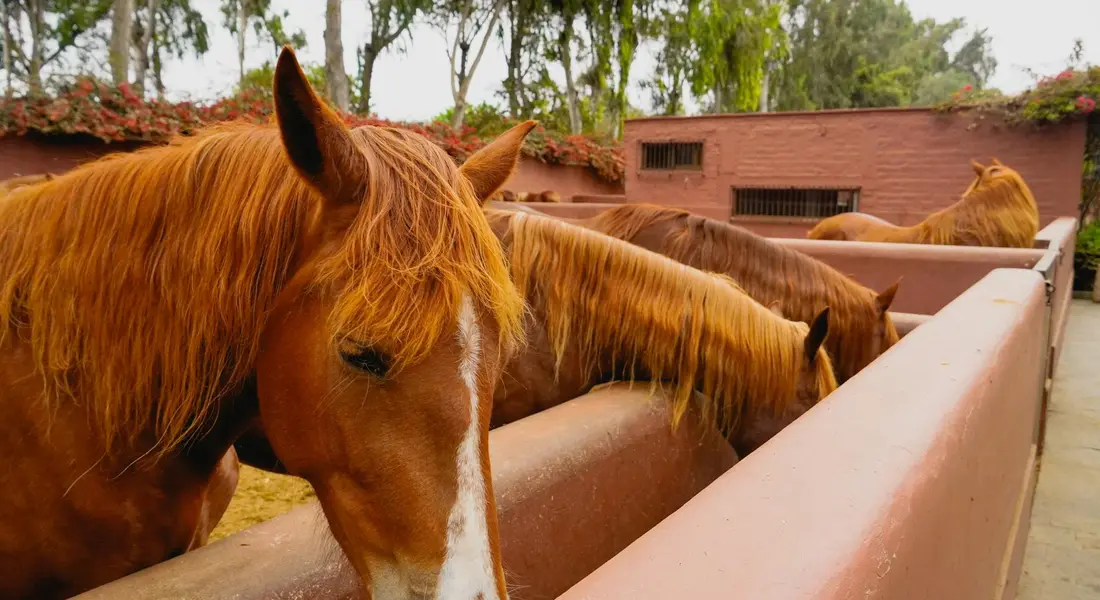
Choosing a feeding method is one thing, but putting it into practice without causing your horse stress or a bellyache is another. Your horse’s transition to a new routine should be as smooth as a well-oiled saddle, prioritizing their comfort and curiosity over speed. When you’re changing feeds or adjusting their diet, gradual steps matter as much as gentleness. I’ve learned through trial and error with my own herd that a gentle introduction is the cornerstone of success. A careful, gradual transition helps prevent digestive upset.
How to Introduce Slow Feeder Nets
Start by letting your horse investigate the empty net. Hang it in a familiar spot and allow them to sniff and nudge it. The first rule is to never fill a new net and walk away; stay present to monitor for frustration or confusion. I made this mistake with Luna, my sensitive Thoroughbred, and her initial confusion turned into anxiety. Here’s a better plan:
- Begin with an Easy Win: For the first few meals, use a net with very large holes or place most of the hay loose beside the net. This builds a positive association.
- Gradually Increase the Challenge: Over a week, mix more hay into the net and reduce the loose pile. Watch their eating time; you want a slow, steady pace, not frantic tugging.
- Secure it Properly: Always tie the net high and tight to a solid post using a quick-release knot. I’ve seen Pipin, our Shetland, untie standard knots in minutes, so a secure fixture is non-negotiable.
- Choose the Right Mesh: A net meant for hay cubes is too tight for flake hay and will cause undue frustration. Match the hole size to your forage type.
Listen for the quiet, rhythmic pulling of hay, not the sharp snap of a panicked horse. Patience here pays off in calmer behavior and healthier digestion down the road. Soon you’ll be the calm, assertive leader your anxious horse needs. Your steady guidance can ease nerves and invite cooperation.
Optimizing Ground Feeding in Your Routine
Ground feeding mimics natural grazing, but in a paddock or stall, it requires a little setup to keep it clean and safe. The goal is to replicate the slow, head-down search of a pasture, not a pile of hay dumped on dirty ground. For horses like Rusty, who’s a bit arthritic, the natural head position is a gentle stretch for his neck and back, especially when they are used to pasture turnout.
- Use a Feeding Mat: Place a large, rubber mat on the ground and scatter hay over it. This reduces sand or dirt ingestion and makes cleanup a breeze.
- Scatter, Don’t Pile: Spread the hay widely to encourage movement and foraging. This turns meal time into light activity, which is great for metabolism.
- Keep it Clean: Move the feeding spot regularly if you’re on pasture to prevent manure buildup and parasite spread. In a stall, remove uneaten hay promptly to avoid mold.
- Integrate with Turnout: The best ground feeding happens during ample turnout time. Let your horse meander and graze at will, which does wonders for their mental state.
I often split Pipin’s ration into small piles around his paddock; it keeps his clever mind busy and stops him from plotting his next escape. This method turns a simple meal into enriching, natural behavior that supports both physical and mental health.
Troubleshooting Common Problems
Even with the best plans, you might hit a snag. Here’s how to handle frequent issues with both systems, based on what I’ve seen in my barn.
For Slow Feeder Nets:
- Problem: Horse is getting frustrated or aggressive. Solution: The holes may be too small. Switch to a larger mesh or revert to partial loose feeding for a few more days. Never let a meal become a source of anxiety.
- Problem: The net is getting destroyed. Solution: Invest in a heavy-duty, double-stitched net designed for horses. Check it daily for wear and tear, and ensure it’s hung out of reach of shod hooves.
- Problem: Hay waste seems high. Solution: Make sure the net is filled correctly-not overstuffed. A too-full net allows horses to pull out large clumps, defeating the purpose.
For Ground Feeding:
- Problem: Hay is being soiled quickly. Solution: Use a larger mat or feed smaller amounts more frequently. In group situations, provide multiple, spaced-out piles to reduce competition and waste.
- Problem: Horse is eating too fast, even scattered. Solution: Mix in some chopped forage or use a slow feeder bowl on the ground to further slow intake. Sometimes, the sheer excitement of food on the ground needs tempering.
- Problem: Concerns about sand colic. Solution: This is critical. Always feed on a clean, dry surface-never directly on sandy or muddy ground. A mat is your best friend for prevention.
Remember, the thud of a happy horse moving between forage piles is a good sound. Observing your horse’s behavior during meals is the most reliable tool you have for troubleshooting; their comfort and calm are the ultimate guides.
FAQ: Slow Feeder Nets vs. Ground Feeding
How do I choose the right size hole in a slow feeder net?
A smaller mesh, like a 2 cm (approx. 0.75 inch) hole, is best for ponies and easy keepers to maximize chewing time. For most adult horses, a 4 cm (approx. 1.5 inch) hole is a great starting point to slow eating without causing frustration. Always monitor your horse to ensure they are eating calmly and not showing signs of stress with the mesh size you select.
Where can I buy quality slow feeder nets in Australia and should I look locally or online?
Many dedicated equestrian suppliers in Australia stock durable slow feeder nets, both in physical stores and through online shops. Purchasing online offers a wider selection and specific sizing, but buying from a local ‘slow feeder nets for horses near me’ supplier allows you to inspect the product’s quality firsthand. Ensure any net you buy is made from tough, break-away safe material designed specifically for equine use.
What does “slowfeeder net per meter” or “voor bak” mean and are DIY nets safe?
“Per meter” typically refers to nets sold by the length, allowing you to cover a large hay bale or create a custom-sized feeder. “Voor bak” translates to “for tub/bucket,” indicating a net designed to fit securely over a specific container. While DIY options exist, using a proper, commercially made net is vastly safer to avoid dangerous snags and ensure consistent hole size for effective slow feeding.
Your Horse’s Feeding Philosophy
Match the method to your horse’s needs: slow feeders for paced eating and boredom reduction, ground feeding for natural head position and joint relief. Always prioritize a system that keeps forage in front of them for as long as possible to support their digestive health, regardless of what type of forage you’re using.
Give any change time and watch for clues in their behavior and body condition. The most important tool in your tack room isn’t a net or a tub; it’s your willingness to listen to what your horse is telling you.
Further Reading & Sources
- Slow Feeder Hay Nets For Horses | Trickle Net
- Hay Nets for Horses and Livestock – Texas Haynet
- Orange Slow Feeder
- Hay Pillow® – Slow Feed Hay Bags & Nets – Best for Ground Feeding
At Horse and Hay, we are passionate about providing expert guidance on all aspects of horse care, from nutrition to wellness. Our team of equine specialists and veterinarians offer trusted advice on the best foods, supplements, and practices to keep your horse healthy and thriving. Whether you're a seasoned rider or new to equine care, we provide valuable insights into feeding, grooming, and overall well-being to ensure your horse lives its happiest, healthiest life.
Nutrition