
How to Prepare Your Horse for a Safe and Calm Vet Examination
Hello fellow equestrians, vet examinations often spike our anxiety as much as our horses’. A nervous horse risks injury, complicates procedures, and can lead to higher bills. It’s a worry I’ve faced countless times in the barn, listening to the worried thud of hooves on the clinic floor.
In this guide, I’ll walk you through key strategies to transform vet days from fraught to calm. We’ll focus on:
- Desensitizing your horse to common vet tools like stethoscopes and needles before the appointment.
- Teaching a solid, relaxed stand for injections and palpations using positive reinforcement.
- Creating a predictable pre-visit routine that lowers stress for you and your horse.
I’ve spent over a decade as a barn manager and horse trainer, helping everything from cheeky ponies like Pipin to sensitive souls like Luna learn to tolerate, and even relax during, their checkups.
Why Vet Visits Can Spook Even the Bravest Horse
The Unfamiliar Smells and Sounds of a Vet Exam
Think of your horse’s average day: the crunch of hay, the soft nicker to a buddy, the familiar creak of the barn door. Now, insert the sharp swoosh of a stethoscope, the sudden metallic rattle of a tool kit, and the invasive buzz of clippers. It’s sensory whiplash. Your horse’s world is built on predictability, and a vet visit shatters that with strange, concentrated noises they can’t control.
The smells are just as alien. The clean, astringent scent of alcohol wipes or the medicinal tang of antiseptic spray has no place in their olfactory map of sweet grass and leather. I’ve seen steady Rusty take a sudden step back when the vet uncapped a bottle, his nostrils flaring at the foreign odor. These unfamiliar sensory inputs trigger a primal “what is that?” response, which can quickly escalate to nervous tension.
Recognizing Signs of Anxiety vs. Relaxation
Reading your horse’s body language is your most important tool. Anxiety isn’t always dramatic rearing; it’s in the subtle tightening of muscles. Look for the warning signs first. Knowing how to tell if your horse is happy comes from reading these cues.
- Pinned ears or rigid, forward-pointing ears.
- A tense jaw or clamped mouth.
- A swishing tail that’s sharp and irritable, not lazy.
- White showing around the eyes (whale eye).
- Stiff, elevated neck and a held breath.
Contrast that with a relaxed partner. Luna, my Thoroughbred, tells me she’s okay with a deep sigh, her head lowering naturally. Watch for soft, droopy eyelids, a loose lower lip, and the classic “licking and chewing” that signals mental processing and release of tension.
Seeing these calm cues means you can proceed. Spotting anxiety means you must slow down, maybe even step back, to keep the experience positive. Pushing through pinned ears guarantees a harder fight next time.
Lay the Groundwork with Daily Gentle Handling
Turnout and Routine: The Bedrock of a Calm Mind
A horse fresh from 24/7 turnout is a different animal from one kept in a stall. Period. Movement and herd socializing are non-negotiable stress relievers. Ample turnout time isn’t a luxury; it’s essential maintenance for their mental wiring, burning off the nervous energy that magnifies every strange sound. A healthy exercise turnout schedule for your horse helps frame these benefits into a daily routine. Consistency in turnout and movement supports physical conditioning and mental calm.
Pair that freedom with a dependable daily routine. The simple, repeated acts of bringing them in, grooming, and brushing build a bank account of trust. My cheeky pony Pipin knows after breakfast comes a good scratch on his withers-it’s our ritual. This consistency tells their brain, “This person’s touch is predictable and safe,” which directly translates to standing still for a vet’s probing hands.
Essential Handling Skills to Practice in the Stall or Stable
Don’t wait for vet day to ask for these things. Make them part of your normal interaction. Here’s a simple step-by-step practice routine.
- Pick up all four feet calmly and hold them. Start with a short hold, then increase the time. Practice picking out hooves when they’re clean, so it’s not just a pre-ride chore.
- Run your hands over every inch of their body. Include the belly, girth area, inner thighs, and under the tail. Use firm, confident pressure. If they flinch, keep your hand there gently until they relax, then reward.
- Handle ears and mouth gently. Massage the base of their ears, lift their lips to look at teeth, and rub their gums. This desensitizes them for temperature-taking and oral exams.
- Practice standing quietly while tied. Build duration slowly. A horse that respects the tie and knows how to just “be” is half the battle won for the vet.
I practice this with every horse, every day. This daily investment means when the vet arrives, you’re not asking for anything new-you’re just asking for the same old trust, in a slightly weirder situation.
Desensitize Your Horse to Common Vet Procedures
Getting Comfortable with Veterinary Equipment
Create a Desensitization Plan
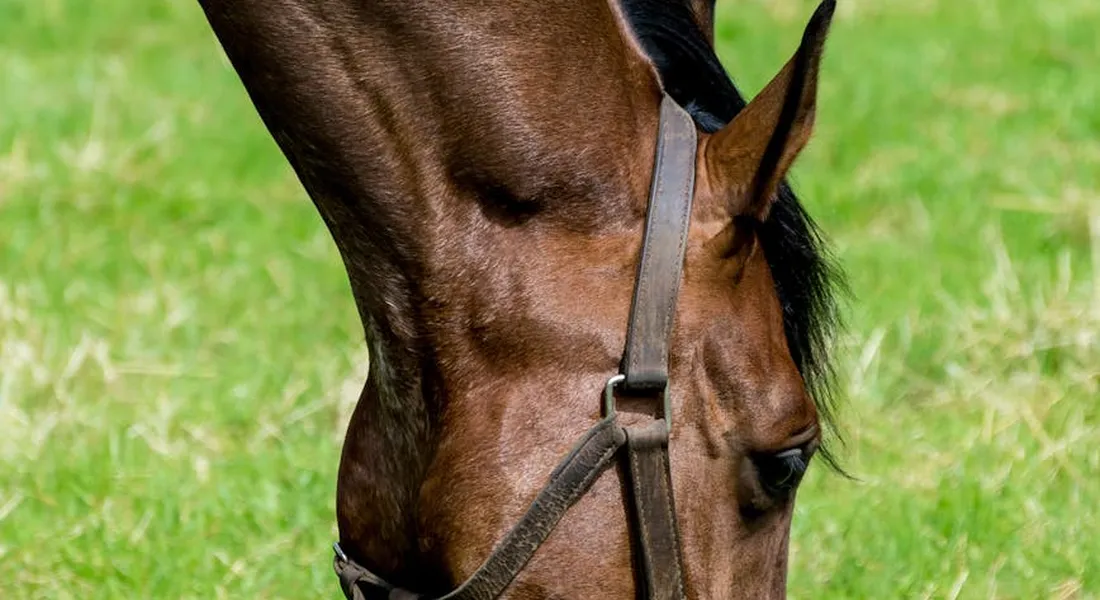
Turn vet visits from a drama into a dull routine by introducing tools during your daily grooming. A solid desensitization plan prevents fear by making the unfamiliar boring long before the vet arrives. I start every session with a pocketful of low-sugar treats, using the smell of molasses or apple to build positive associations. With my sensitive thoroughbred Luna, we spent a whole week just letting her sniff a stethoscope I’d left hanging on her stall door.
Acclimate your horse to these four items, one at a time, over several short sessions.
- Stethoscope: Let them investigate the cold chestpiece with their nose. Then, gently rest it on their shoulder, not their heart, so the first sensation is pressure, not sound.
- Plastic Syringe (no needle): Click the plunger near their muzzle while offering a treat from your other hand. This separates the weird noise from the good stuff.
- Hoof Pick: Go beyond picking feet. Gently run the pick along the coronary band and tap the sole to mimic a vet’s palpation for tenderness.
- Thermometer: Use a digital model, letting it beep by their flank before you ever touch them with it. The goal is the beep, not the intrusion.
Patience here is everything. If your horse tenses, go back a step and reward the slightest sign of relaxation, like a soft eye or a lowered head. A calm, assertive leader guides your anxious horse with steady confidence. This steady presence builds trust and reduces tension.
Simulating Injections and Blood Draws
A Gradual Training Sequence
Most horses object to the pinch, not the needle. We can teach them to stand quietly for that sensation. I learned this with old Rusty, who would swing his hindquarters at the mere sight of a syringe until we broke the process down.
Follow this sequence over days or even weeks, rewarding generously for a still stance.
- Pinch the Neck Skin: Use your fingernails to gently pinch the muscle where a shot would go. The instant they stand still, release and give a treat.
- Tap with a Pen Cap: Progress to a firm tap with a blunt pen cap. This simulates the quick “poke” sensation without breaking skin.
- Use a Capped Syringe: Finally, hold a capped syringe and press the blunt end against the pinched skin. Add a soft “click” sound with your tongue to mimic the injector noise.
The reward must come for standing still, not for flinching away. Keep sessions under five minutes to avoid frustration. This method builds trust that a strange feeling doesn’t mean pain is coming.
Your At-Home Vet Exam Simulation
Step-by-Step Mock Examination
Practice a Full Routine
Run through a fake exam every other week to make the real one a non-event. I do this on quiet afternoons when the barn is calm, using the same gentle tone I use for grooming. Short, positive sessions are far more effective than one long, stressful drill.
Here is a simple routine to follow. Complete each step before moving on, and always end on a good note.
- Listen to the Heart: Place your stethoscope (or just your hand) behind the left elbow. Count for 15 seconds while they stand quietly.
- Check Gums: Lift their lip, assess color, and press on the gum to check capillary refill time. A quick “let me see” cue works wonders.
- Fake Taking a Temperature: Handle the thermometer near their tail, rub it on their dock, and then pretend to insert it. Reward for not clamping their tail.
- Palpate Limbs: Run your hands down each leg, gently squeezing tendons and flexing joints. This gets them used to a vet’s probing touch.
This practice transforms the vet from a stranger performing scary acts into someone who just does what you do. My pony Pipin now lifts his feet for farrier work because we made a game of it during these mock exams.
Preparing for Hoof and Dental Work
Focus on Feet and Mouth
Hoof and dental procedures require a horse to tolerate prolonged, awkward handling. Start your preparation now, not the day the farrier or dentist pulls up. Advocate for your horse by building their tolerance for comfort and safety, not just restraint, especially during regular dental floatings.
For hoof work, practice holding each foot up for longer than just a quick pick. Count to 30, then 60, supporting the leg comfortably. Gently tap the hoof wall with a rasp handle to simulate trimming vibrations. Teach a clear “hoof” cue so they offer their foot, making the farrier’s job easier and safer.
For dental acclimation, begin by simply rubbing your finger along their gums outside the lips. Slowly work toward gently sliding a finger into the interdental space (bar of the mouth). Use a verbal cue like “easy” or “open” as you apply light pressure to the lower jaw. The goal is a brief, calm hold of the mouth open, not a struggle. Always pair this with praise and a break, reinforcing that cooperation brings relief.
The Day of the Visit: Your Preparation Checklist
Setting Up a Quiet and Safe Environment
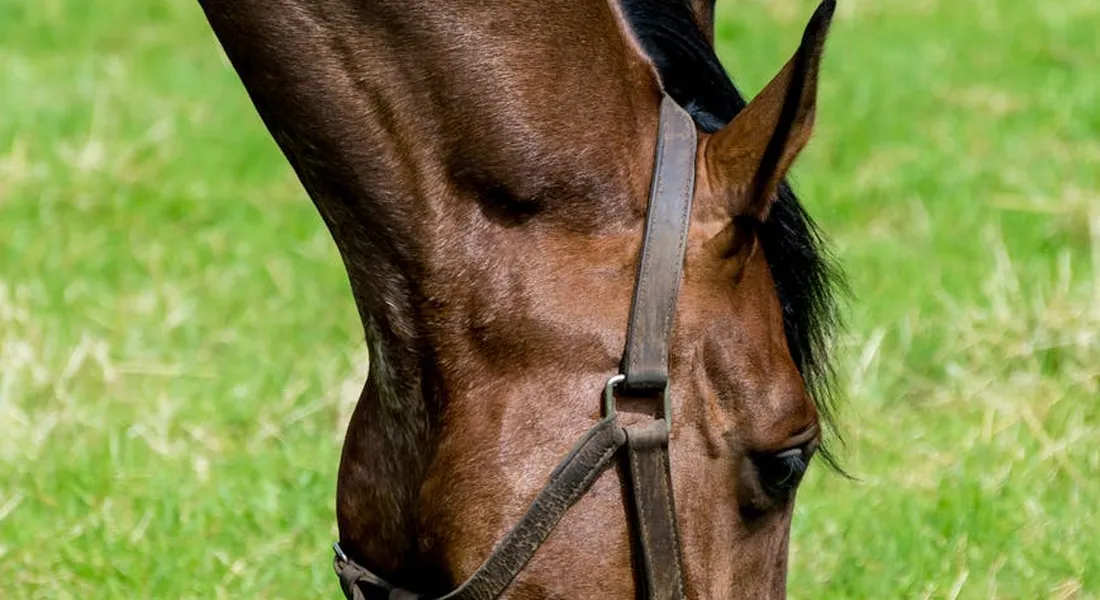
Choose a spot your horse knows and trusts. Their own stall or a quiet corner of the paddock works best. The familiar smell of their bedding and the routine sounds of the barn are comforting. This approach helps create a safe, enriching environment for your horse. It supports curiosity, reduces tension, and makes vet visits smoother. A predictable environment prevents unnecessary stress before the vet even arrives. Make sure the area is well-lit so the vet can see clearly, whether checking eyes or a hoof.
Have a clean, dry halter and lead rope ready. I keep a dedicated “vet visit” set that’s free of mud and dried sweat. A secure, comfortable halter is your first point of control and safety for everyone involved. Take a moment to walk the area and remove distractions. This means shutting the stall door to the aisle if it’s noisy, moving other horses out of sight, and putting away anything that clatters or shines unexpectedly. Then put the halter on your horse and secure it with a quick-release knot for safety. This keeps the process smooth and gives you a quick, controlled tie when you’re ready.
What You Need to Do and Have Ready
A little prep work makes the examination flow smoothly. Here is your checklist:
- Groom Your Horse. A quick brush-over removes loose dirt and mud, especially from areas like the legs and belly where the vet will need to touch. It also helps you check for any new scrapes or swellings you can mention.
- Have Medical History Handy. Keep a simple notebook or use your phone. Note any recent changes in behavior, appetite, or lameness. Knowing when Pipin last had his teeth floated saves everyone time.
- Prepare High-Value Treats. Small, moist treats like carrot pieces or apple slices are perfect. They reward calm behavior and give your horse a positive focus. I avoid crunchy treats that make too much noise and startle a nervous horse.
- Ensure Good Lighting. If your stall is dark, bring in a portable work light. Good light is non-negotiable for a thorough exam.
- Plan for a Helper if Needed. Be honest about your horse’s temperament. If Luna gets jittery for shots, having a second calm person to hold her can make all the difference.
Run through this list while you wait. Your preparedness tells your horse that there’s nothing to worry about, setting the tone for the entire visit.
During the Examination: Being a Calm Partner
Your Role as the Handler
You are your horse’s anchor. Take a deep breath yourself-horses feel tension in the lead rope. Use a low, quiet voice for reassurance. Your calm, steady presence is the most effective tool you have to keep the situation safe. Maintain gentle but firm restraint; stand at the shoulder where you can both comfort and control if needed. Knowing how to lead and steer your horse properly is essential in these moments.
I remember holding Rusty for a spring vaccination. He’s usually solid, but the scent of alcohol made him tense. I kept one hand on his neck, talking softly about nothing in particular, and focused on keeping my own breathing slow. When the vet gave the shot, Rusty flinched but held still because my demeanor told him he could. It was a team effort.
Reading the Room and Knowing When to Ask for a Break
Split your attention between your horse and the vet. Watch your horse’s eyes, ears, and muscle tension. Is Luna holding her breath? Is Pipin trying to lean away? Spotting early signs of anxiety allows you to intervene before a reaction escalates. You are the advocate in the room.
It is always okay to pause the exam. If your horse is overwhelmed, a short break can reset the mood. Speaking up for a thirty-second timeout is not a failure-it’s skilled horsemanship. Simply ask the vet if you can let the horse take a step or two, offer a treat, or reposition to a more comfortable spot. A quick walk in a small circle can work wonders for a horse that’s getting rigid with stress.
If Things Get Tense: Problem-Solving in the Moment
Redirecting Anxiety with Positive Reinforcement
Guidance: Offer tactics for resistance: go back to a simple known task, reward try, use a target stick. Differentiate between fear and stubbornness based on personality types like Luna or Pipin.
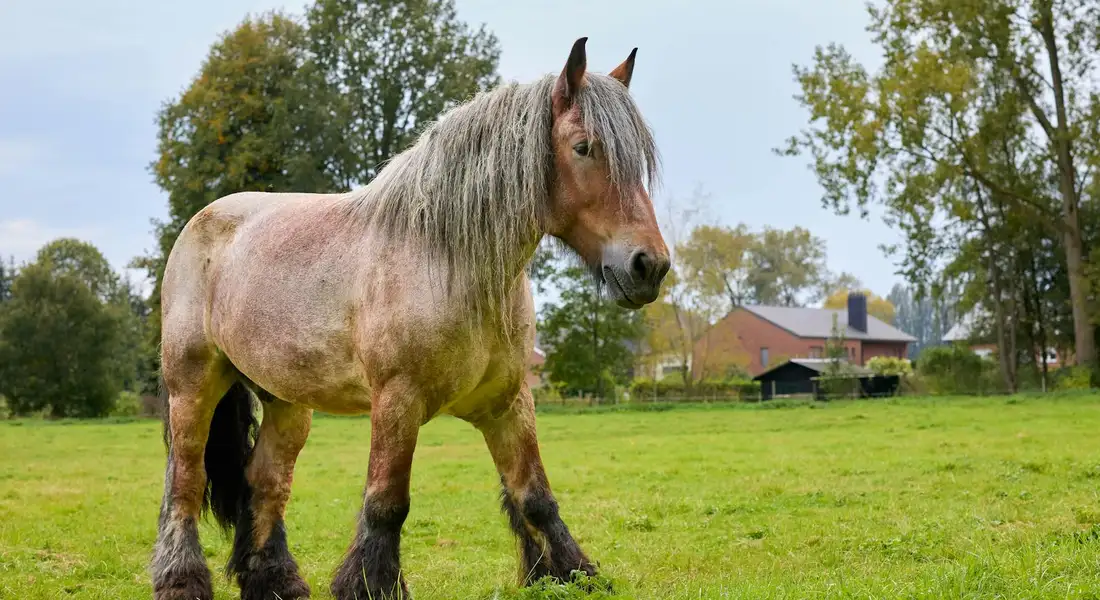
Hearing the sharp thud of a nervous hoof against the clinic floor means it’s time to switch strategies. Redirecting that energy into a positive, familiar behavior can defuse tension more effectively than confrontation. I learned this early on with Luna, whose thoroughbred sensitivity turns a syringe into a monster; asking her to touch a target stick with her nose gives her a job and pulls her focus from the fear.
Start by breaking the interaction down into micro-tasks your horse already knows. Rewarding any attempt at calmness or compliance, even a single relaxed breath, builds a positive association with the vet’s presence. Use a quiet marker like a click or a soft “yes” followed by a tiny treat, keeping the rhythm predictable and calm.
When you hit resistance, try these three steps in order:
- Reset with a Simple Task: Ask for a basic command like “head down” or a target touch. This creates a mental reset and rebuilds confidence from a known success.
- Mark and Reward the Try: The instant your horse shows the slightest willingness, reinforce it. This shapes behavior toward calm cooperation.
- Employ a Target Stick: This simple tool gives the horse a focal point. Guiding their nose to follow it physically moves them away from fixating on the procedure.
Diagnosing the resistance type is half the battle. A fearful horse like Luna shows tension in her whole body-wide eyes, high head, and a flighty shuffle-requiring gentle reassurance and patience. In contrast, Pipin’s clever stubbornness involves calculated evasions, like a sudden “itch” on his leg when the hoof pick comes out. For him, firm, consistent boundaries paired with a high-value carrot chunk work best.
When to Use Additional Restraint or Reschedule
Guidance: Briefly mention safe use of a twitch or chain only as a last resort and with vet guidance. Advocate for rescheduling if the horse is too stressed for safety.
There is a clear line where additional restraint becomes a safety necessity. A properly applied nasal twitch or a lead rope chain over the gum should only be a last-resort option, and always under the direct supervision and instruction of your veterinarian. In my two decades at the barn, I’ve used a twitch maybe a dozen times, each with a quick release and a gut feeling of regret.
Recognizing when to stop is a skill that protects everyone. If your horse is sweating through their coat, rearing, or spinning violently in the cross-ties, rescheduling the appointment is the wisest and kindest decision. I once postponed Pipin’s dental work because his mischievous anxiety had him plotting escape instead of standing still; we succeeded easily on a quieter day after more groundwork.
Pushing through extreme stress can cause lasting psychological damage. Choosing to reschedule is not a failure but a commitment to your horse’s long-term trust and welfare. Discuss sedation options with your vet for future visits, or plan to split the examination into several shorter, positive sessions.
FAQ: How to Prepare Your Horse for a Safe and Calm Vet Examination
What groundwork exercises should be practiced before the vet arrives?
Focus on daily routines that build trust, such as picking up and holding all four feet for increasing durations. Incorporate gentle handling over the entire body, including sensitive areas like the girth and tail. Consistently practice standing quietly while tied to reinforce patience and calmness.
How can you teach your horse to stand calmly for injections?
Begin by desensitizing the horse to the sensation through gentle skin pinches in the injection area. Gradually introduce a capped syringe to simulate pressure without causing pain. Reward every instance of standing still to create a positive association with the procedure.
What should you do if your horse becomes anxious or resistant during vet prep training?
Pause the activity and redirect the horse’s attention to a simple, familiar task like targeting or lowering its head. Use treats or praise to immediately reward any small signs of relaxation or compliance. If resistance continues, end the session on a positive note and try again later to prevent escalating fear.
Peaceful Preparations Pay Off
Incorporate vet-like handling into your daily routine, from tapping tendons to lifting lips, so nothing feels new on exam day. Your most powerful tool is a calm, familiar space where your horse can stand comfortably, reducing fear before the vet even arrives.
Progress hinges on your patience; a rushed horse is a worried horse. Listen closely to their breathing and body language—it’s the honest conversation that keeps everyone safe. A deeper understanding of these signals is explored in our comprehensive guide to horse behavior psychology.
Further Reading & Sources
- Equine pre-purchase exams: What to expect | Cornell University College of Veterinary Medicine
- Prepurchase Examination of Horses – Clinical Pathology and Procedures – Merck Veterinary Manual
- Pre-Purchase Exams for Horses – Insight for Buyers & Sellers
- Pre-Purchase Exams | Total Equine Veterinary Associates
At Horse and Hay, we are passionate about providing expert guidance on all aspects of horse care, from nutrition to wellness. Our team of equine specialists and veterinarians offer trusted advice on the best foods, supplements, and practices to keep your horse healthy and thriving. Whether you're a seasoned rider or new to equine care, we provide valuable insights into feeding, grooming, and overall well-being to ensure your horse lives its happiest, healthiest life.
Behavior