
How Do Horses Communicate? Understanding Their Sounds and Vocalizations
Hello from the barn aisle. That whinny across the pasture or the soft nicker at feeding time-have you ever wondered exactly what your horse is trying to say? Misinterpreting these sounds can lead to confusion, missed training opportunities, or even safety concerns during everyday handling.
Let’s tune into their world. This guide will walk you through the key vocalizations, so you can respond with confidence and strengthen your partnership.
We’ll cover:
- The specific meanings behind common sounds like whinnies, nickers, snorts, and squeals.
- How to pair vocal cues with body language for accurate, real-time interpretation.
- Gentle, practical responses that respect what your horse is telling you.
I’ve spent years as a barn manager and trainer, with my ears perked to these conversations, always advocating for the patience and understanding that gentle horsemanship requires.
Why Horse Sounds Matter: The Prey Animal Perspective
Horses aren’t just making noise; they’re running a sophisticated, instinct-driven broadcast system honed over millennia of being a snack target. Every whinny, snort, and squeal is rooted in the fundamental need to stay alive, stay together, and stay informed. As a prey animal, a horse’s primary job is to detect threat and communicate it instantly to the herd. This shapes everything we hear. The piercing alarm whinny sends the herd bolting. The soft contact nicker keeps the group cohesive in tall grass. Understanding this is the key to reducing their stress in our care. I remember turning Luna out after a week of stall rest; her high, frantic whinnies weren’t just excitement, they were a desperate reconfirmation that her herd was still there and safe. Recognizing that sound as anxiety, not just noise, changed how I handle all my transitions now. Understanding and managing this kind of anxiety in horses requires patience and insight.
The Equine Vocabulary: A Guide to Horse Vocalizations
Think of horse sounds as a language of emotion and intention. By learning its basic grammar, you stop guessing and start understanding what’s happening in the pasture or stall. Clear talk with your horse builds trust and better cooperation. The context-body language, situation, and pitch-tells you the whole story. Here’s your field guide to the most common broadcasts from the barn. In the next steps, practical tips you can explore will help you talk with horses and build better communication.
The Welcoming Nicker: Soft Greetings and Contact Calls
This is the sound of happy anticipation, a low, vibrating rumble you often feel as much as hear. It’s the universal “Hello, I see you and I’m pleased about it” call, most famously used at feeding time. You’ll hear it when a horse spots a favorite human approaching the stall, or when two buddies greet each other in the field. It’s a soft, deep-throated murmur. My old guy Rusty delivers a perfect, guttural nicker the second he hears the grain bin lid rattle-it’s his dinner bell. A great way to build trust is to answer back with a low, calm word of your own, acknowledging the communication.
The Piercing Whinny: Long-Distance Calls and Alarm Signals
The whinny (or neigh) is a loud, high-pitched call designed to carry over long distances. Its meaning swings from “Where are you?!” to “Danger!”, entirely dependent on its tone and the horse’s posture. A drawn-out, rising-and-falling whinny is typically a contact call to a separated friend. A sharper, more abrupt, and higher-pitched version is a true alarm signal. If your horse lets out a sharp whinny and stands rigid with head high, nostrils flared, they’ve likely seen something concerning. For handler safety, pay attention-they might be about to spook.
The Expressive Snort: Clearing Airways or Signaling Alertness
Don’t confuse this with a simple nose blow. A true snort is a forceful exhalation through the nostrils that creates a distinct fluttering or rattling sound. This vocalization has a dual life: as a mundane airway clear or a potent signal of intense focus. A single, relaxed snort often just means they’ve inhaled a bit of dust. But a series of tense, sharp snorts, especially with a raised head and locked gaze, means your horse is on high alert, investigating something novel or potentially threatening. Watch the rest of their body to gauge the difference.
The Sharp Squeal: Discomfort, Play, or Social Boundaries
The squeal is a sharp, sudden sound, like a high-pitched protest. It’s the “personal space” alarm, used to establish boundaries during social interactions. You’ll commonly hear it when two horses first meet, or when one gets too close to another’s food. A short, dramatic squeal during mutual grooming or play is usually harmless drama. The critical task is distinguishing this social squeal from one indicating genuine pain or fear. A squeal accompanied by a kick, a pinned ear, or a fearful retreat is a serious “back off” that needs your attention.
Other Sounds: Grunts, Blows, and the Contented Sigh
The horse’s audio palette includes some supporting characters. A deep grunt often accompanies a satisfying roll or a big effort under saddle. The explosive “blow” is a strong, one-time exhalation through the nose, often a sign of surprise or resetting after a scare. It’s the equine version of “Whoa, what was that? Okay, moving on.” Then there’s the sigh-a long, deep exhalation often heard when a horse is tacked up, settles into cross-ties, or is finally turned out. It’s a audible release of tension, a signal they’re letting their guard down and relaxing. It’s one of my favorite stable sounds.
Beyond the Noise: Reading Body Language with Sound
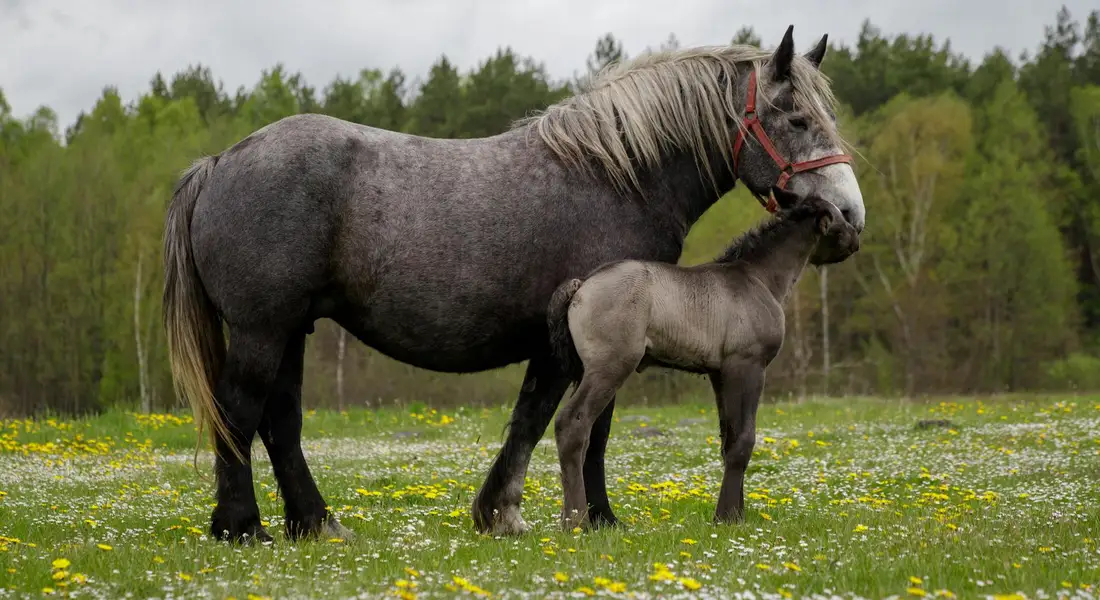
A whinny or snort tells you something, but it never tells you everything. To truly understand your horse, you must listen with your eyes as much as your ears, watching how their whole body talks alongside their voice. I’ve spent years in the barn aisle, learning that the same squeal can be a playful threat or genuine anger, and the only way to know is to see the accompanying stance and expression.
Think of it like this: a human shout could mean joy at a party or fear in an emergency. Context and body language define it. For accurate interpretation, always pair the vocalization you hear with the silent signals you see.
Here’s a quick-reference guide to common pairings. This table is your cheat sheet for decoding the full message in a snapshot.
| Sound | Ear Position | Eye Expression | Posture | Likely Meaning |
|---|---|---|---|---|
| Soft Nicker | Forward, relaxed | Soft, blinking | Low head, relaxed stance | Friendly greeting, anticipation (e.g., for food). |
| Loud Whinny | Pricked forward, tense | Wide, showing white | Head high, neck arched, tense body | Anxiety, separation distress, calling out. |
| Snort | Forward or flicking | Bright, alert | Head elevated, body coiled | High alert, assessing potential danger. |
| Deep Sigh | Dropped to the side | Half-closed, soft | Low head, one hind leg resting | Contentment, relaxation, release of tension. |
| Squeal | Pinned flat back | Narrowed, hard | Stiff-legged, may swing hindquarters | Agitation, warning, or defensive threat. |
Ears, Eyes, and Mouth: The Trio of Equine Expression
Ears are your primary mood radar. Forward means interested, pinned means upset, and flicking independently shows divided attention. But ears alone can lie; a horse can pin its ears from momentary irritation without real malice, which is why you check the eyes and mouth next.
Soft, droopy eyes with a relaxed lid signal a calm and happy horse. A wide eye with visible white often means fear or surprise. Watch the mouth, too. I see it with Pipin, our Shetland pony: a clamped, tight mouth during a squeal means business, but a nicker with loose lips and gentle chewing is pure welcome.
Combine them. A nicker with soft eyes and forward ears, like Luna gives when she hears her stall door at dinner, is a happy hello. That same nicker with pinned ears and a tense mouth? That’s likely a demand, not a request. Reading this trio together prevents you from misreading a grumpy face for a serious threat.
Posture and Movement: The Full Picture
The overall stance wraps the story with a bow. A relaxed horse stands with a lowered head, a soft back, and a hind leg cocked. A tense horse is coiled like a spring, with elevated head, stiff legs, and a tight back.
Let’s use the snort. Rusty, my Quarter Horse, will sometimes snort on the trail. If his head is low and his ears are forward, he’s just curiously blowing dust from his nostrils. If his head shoots up high with that snort, his whole body becomes a statue, and that’s my cue to stop and let him assess the ‘monster’ (usually a plastic bag).
Movement completes intent. A squeal followed by a playful kick and a run is far different from a squeal followed by a frozen, defensive stance. The first is herd play; the second is a clear boundary being set.
Listening in the Barn: Practical Tips for Interpreting Equine Communication
Theory is great, but daily barn life is where you learn. As a barn manager, my job was to understand the herd’s chatter before problems arose. These four steps will sharpen your listening skills right in your own aisle.
Step 1: Quiet Observation – Learn Their Baseline
Spend ten minutes just sitting on a bucket. Listen to the normal sounds: the contented munching, the sleepy sighs, the casual nickers between buddies. You must know their calm, everyday music to hear the first note of a worried symphony. I learned Pipin’s normal, mischievous grunts so I could tell when a new grunt meant he was stuck in a fence again.
Step 2: Context is Key – Note the Situation
A whinny at 5 PM when you carry hay is joy. That same whinny at 10 AM when the farrier’s truck rattles in is likely alarm. Always ask yourself: what just happened or is about to happen in their environment? Luna’s high-pitched call means one thing when her pasturemate leaves and another entirely when she sees a bird she doesn’t like.
Step 3: Pair Sound with Action – What Happens Next?
Don’t just hear the sound; watch what the horse does in the five seconds after. Do they walk toward the source? Do they spin and run? Do they simply go back to grazing? The immediate action reveals their true intent better than the sound itself. A snort followed by investigative sniffing is curiosity; a snort followed by a rapid retreat is fear.
Step 4: Trust Your Gut – You Know Your Horse
You feed them, groom them, and know their quirks. Rusty hates puddles, so his nervous pawing and low groan at a muddy crossing is different from another horse’s same sounds. Your accumulated, subconscious knowledge of their personality is your most reliable tool. That includes knowing how to tell if your horse is happy by reading body language. When you can read those signals, care becomes a dialogue. If a combination of sound and posture feels ‘off’ even if it’s subtle, check for discomfort or worry. You’re their best translator.
Social Signals: How Horses Talk to Each Other in the Herd
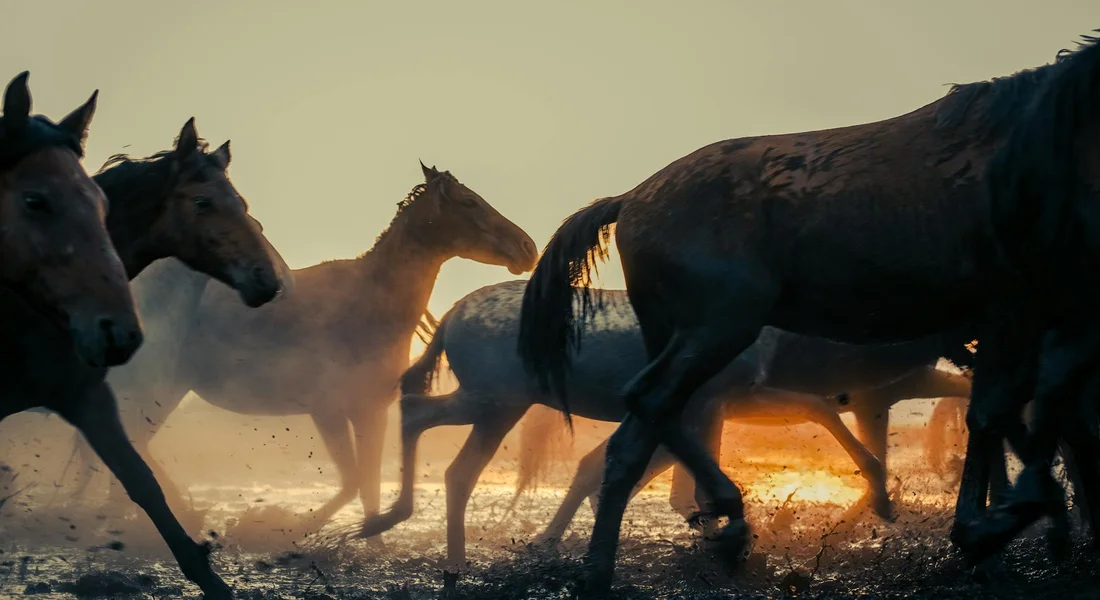
Watching a herd in turnout is like tuning into a living radio frequency. Their communication is constant, layered, and vital for harmony. From my years managing pastures, I’ve learned that most herd “drama” is resolved with posture and sound long before a hoof is lifted. Understanding this chatter is the first step to respecting their complex social world. A deeper understanding of these herd dynamics informs social enrichment—designing interactions that build trust and reduce stress. When enrichment aligns with natural rhythms, the whole herd thrives.
Contact Calls: Keeping the Herd Together
A horse out of sight is not out of mind. The long, high-pitched whinny is a horse’s shout across distance. I hear it every morning when I bring Luna in first; Rusty’s resonant call echoes from the back field, saying, “I’m here, where are you?” The softer, throatier nicker is for close-up reassurance. You’ll often hear this gentle rumble when horses greet at the gate or when a mare calls her foal to her side. It’s the equine equivalent of a warm, familiar hello.
We can support this need for connection. When moving horses, let them call and get a response. That quick exchange settles nerves more than any tight hold on a lead rope. Separating a horse from their buddy without allowing this vocal check-in is like us being dragged away mid-conversation. It’s especially important when managing separation anxiety in horses.
Dispute and Play: Squeals and Nickers in Interaction
Herd life isn’t all peaceful grazing. Listen closely and you’ll decode two very different conversations. The sharp, sudden squeal often accompanies a pinned ear or a playful kick. When my pony Pipin does this during a game of chase, it’s a spirited “Hey, get away from me!” meant to set a boundary, not cause harm. The key is context: a squeal during mutual grooming or a rolling chase is usually part of normal social negotiation.
Escalation sounds different. A deep guttural grunt with a squeal, especially with a tense, stiff body and a true strike, signals real anger. That’s your cue to calmly intervene. The happy nicker also appears in play, a bubbly sound during mutual grooming or a relaxed frolic. Learning this difference – playful protest versus serious threat – stops us from micromanaging their healthy social dynamics.
Using Sound Cues for Better Horse Care and Training
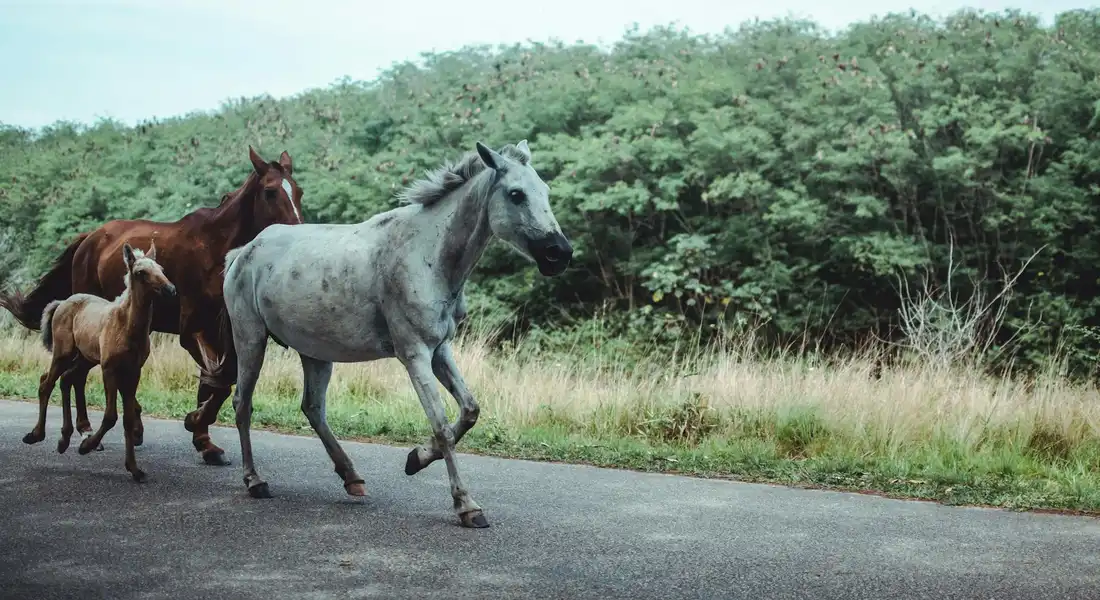
Their vocalizations are a direct line to their well-being. By listening with intent, we move from being just caretakers to becoming true partners who can advocate for their comfort. This isn’t mystical; it’s practical, daily horsemanship.
Recognizing Pain Sounds: When to Call the Vet
Horses are stoic, but pain has a voice. A low, rhythmic groaning or grunting paired with restless movement, pawing, or glancing at the flank is a classic colic soundtrack. It’s a sound that chills any barn manager’s blood. I’ve also heard a sharp, quick grunt when a horse takes a wrong step or is asked for a movement that hurts. Any vocalization that coincides with a specific action or appears alongside other symptoms like sweating, lethargy, or loss of appetite is an urgent message. Early warning signs of colic include these behaviors and should never be ignored.
Other warning signs include:
- A long, deep sigh that isn’t one of relaxation but of exhaustion or discomfort.
- Complete vocal silence in a normally chatty horse, which can indicate profound depression or sickness.
- Frequent, anxious nickering when lying down and getting up, which can point to musculoskeletal pain.
Your gut is your best tool. If a sound makes the hair on your neck stand up, trust it and pick up the phone.
Building Trust: Responding to Your Horse’s Vocal Cues
Communication is a two-way street. When your horse nickers at your approach, they are engaging you. Acknowledging it with a calm, spoken “hello” or a gentle scratch reinforces that you heard them. If Rusty whinnies anxiously for his friend, a steady tone from me can sometimes settle him more than rushing. This consistent, gentle response teaches your horse that their voice has meaning to you, which is a cornerstone of trust — the foundation of a strong bond.
In training, use their sounds as feedback. A worried snort during a new task means “I’m unsure.” Pause, soften your request, and reward the try. Answer a nervous whinny with patience, not frustration. This approach transforms training from a demand into a dialogue, building a confident and willing equine partner who feels heard.
FAQ: How Do Horses Communicate? Understanding Their Sounds and Vocalizations
Where can I find reliable audio examples of different horse vocalizations?
Reputable equine behaviorists and universities often host audio libraries of ethograms on their websites. Searching YouTube for channels dedicated to equine science or natural horse behavior can provide clear, contextual examples. Always listen to samples where the horse’s full body language is visible to understand the complete message.
What do horse vocalizations tell us about their psychology or emotional state?
Vocalizations are direct windows into a horse’s emotional world, reflecting states like anxiety, contentment, curiosity, or alarm. A horse’s sound, such as a tense snort versus a relaxed sigh, indicates their perception of safety and comfort in the moment. Understanding these sounds helps us meet their psychological needs for security and clear communication.
Can horses learn the meaning of specific human vocal cues or sounds?
Yes, horses are highly adept at associative learning and can learn to respond to consistent human vocal commands or cues. They primarily respond to the tone, pitch, and consistency of the sound rather than the specific word itself. Pairing a unique, calm vocal signal with a clicker or a word for “whoa” can be an effective training tool.
Putting Horse Vocalizations to Work
Your horse’s sounds are a real-time guide to their comfort and needs, from the welcoming nicker at feeding time to the tense snort in new surroundings. For accurate care, never interpret a vocalization in isolation—always cross-reference it with their body language and the immediate environment. Understanding horse behavior is crucial for this nuanced interpretation.
Building this awareness is a gradual process that forms the bedrock of safe, responsive horsemanship. The most important tool in your tack room is your willingness to hear what your horse is telling you.
Further Reading & Sources
- Glossary Of Horse Vocalizations And Sounds – The Open Sanctuary Project
- Understanding Horse Communication
- Horse-directed vocalizations: Clicks, trills, and /ho:/ – ScienceDirect
- Acoustic communication in the domestic horse (Equus caballus) – ScienceDirect
At Horse and Hay, we are passionate about providing expert guidance on all aspects of horse care, from nutrition to wellness. Our team of equine specialists and veterinarians offer trusted advice on the best foods, supplements, and practices to keep your horse healthy and thriving. Whether you're a seasoned rider or new to equine care, we provide valuable insights into feeding, grooming, and overall well-being to ensure your horse lives its happiest, healthiest life.
Behavior