
How to Braid and Pull a Horse’s Mane and Tail for Show-Ready Results
Published on: April 5, 2026 | Last Updated: April 5, 2026
Written By: Henry Wellington
Hello fellow equestrians. Is your horse’s mane a wild, tangled curtain that won’t lay flat under the bridle? Does that thick tail get caught on everything in the cross-ties, or does your show dream get foiled by frustrating fuzz? I’ve been there, wrestling with a mane that has a mind of its own while the clock ticks down to your class.
You’re not just fussing over looks; you’re solving a practical problem. A bulky mane can interfere with tack and cause rubs, and an unkempt tail collects more burrs and debris. A tidy presentation shows respect for the tradition of the show ring and, more importantly, reflects thoughtful daily care.
Let’s get your equine partner looking polished. We’ll walk through the key steps: understanding the crucial difference between braiding for style and pulling for management, gathering the right tools without breaking the bank, a step-by-step method for a smooth pulled mane and a secure braid, and how to prioritize your horse’s comfort and safety throughout the entire process.
I’ve spent years in the barn as a manager and trainer, helping everything from sensitive thoroughbreds to cheeky ponies tolerate–and even enjoy–their grooming sessions. The thud of a hoof in contentment is the best sound there is.
Gathering Your Braiding and Pulling Toolkit
Walking into the tack room without the right gear is a fast track to frustration. Having your tools organized and within arm’s reach turns a daunting chore into a smooth, almost meditative process. I keep my kit in an old fishing tackle box; everything has its place, from mane pulls to thread.
Essential Tools for Mane Work
For pulling and braiding, you need more than just good intentions. This isn’t a place to skimp-quality tools make the job kinder on your horse and your hands.
- A Proper Mane Pulling Comb: Not a human hair comb. Look for one with closely spaced, blunted metal teeth. The blunt ends thin the hair without painfully snagging large chunks.
- Sharp, Quality Scissors: Dedicate a pair solely to manes and tails. Dull scissors will crush and fray the hair. I keep mine in a sheath so they stay sharp and don’t get lost in the bottom of a bucket.
- Braiding Yarn or Latex Thread: Yarn is traditional and gentle, while latex thread offers superior grip and stretch for super-tight, shiny braids. Have both on hand in colors to match your horse’s coat.
- A Pulling Hook or Braiding Aid: This small, J-shaped tool is a lifesaver for threading yarn under braids. It’s the secret to finishing braids cleanly without fumbling.
- A Spray Bottle with Water: A light mist is crucial for managing flyaways and making hair pliable. Plain water is perfect; you don’t need product here.
Products for Tail and Mane Care
Think of these as your allies for creating healthy, manageable hair. Healthy hair is cooperative hair, and these products lay the groundwork for a polished look. I’ve learned that less is often more, especially with sensitive souls like Luna.
- A Detangling Spray or Lightweight Conditioner: Look for silicone-free formulas. A detangler makes combing through the tail a breeze, reducing breakage and horsey annoyance.
- Gentle, Clarifying Shampoo: You need to strip built-up grease and dirt for braids to hold. A good wash is non-negotiable. I keep a sweat-and-stain remover for whitish tails.
- A Wide-Tooth Comb and a Dandy Brush: The wide-tooth comb is for heavy detangling post-wash. The soft dandy brush is perfect for flicking out sawdust and smoothing the mane before you start.
- Soft Towels (Multiple): You can never have too many old, soft towels. They’re for drying, for keeping the clean tail wrapped, and for wiping your hands.
Preparing the Mane and Tail: The Foundation for Neat Braids
This step is everything. Rushing preparation guarantees messy, loose braids that unravel by noon. Time spent here is an investment that pays off in a job that looks professional and lasts for days. It’s also a wonderful bonding time, a chance for quiet connection before the focused work begins.
Washing and Detangling Techniques
Start with a thoroughly clean canvas. For the tail, I use a large bucket filled with warm water and a capful of shampoo.
- Soak the tail bone-deep in the bucket, swishing it gently to saturate. Apply shampoo and work it through the length, not just the top.
- Rinse until the water runs completely clear. Any leftover soap will attract dirt and cause itchiness. This takes longer than you think.
- Apply a leave-in detangler or a very light conditioner only to the lower half of the tail. Avoid the top near the tailbone to prevent a greasy base.
- Starting from the very bottom tips, use your wide-tooth comb to gently work out knots. Never, ever attack a tangled tail from the top down-you’ll create a solid, painful bird’s nest. Work upward in small sections as the tangles release.
- For the mane, wash along the crest, rinse thoroughly, and apply a tiny bit of detangler. Comb through from the ends upward to the roots.
Drying and Final Prep
A damp braid will sour and smell musty. Your hair must be completely dry.
I loosely twist the clean, detangled tail and wrap it in a soft, dry towel to absorb the bulk of the moisture. For manes, I gently wring out the excess water and then walk the horse on a dry, clean day. The rhythmic thud of hooves on hardpack is my signal that we’re moving to the next phase of managing the mane and tail.
Once just slightly damp, I unwrap the tail and let the air finish the job. A totally dry mane lies flatter and braids more evenly than one with any residual dampness at the roots. Right before braiding, I go over the mane once more with the dandy brush and a light mist of water, ensuring every hair is aligned and ready for my fingers.
How to Pull a Horse’s Mane: Thinning for Show and Comfort
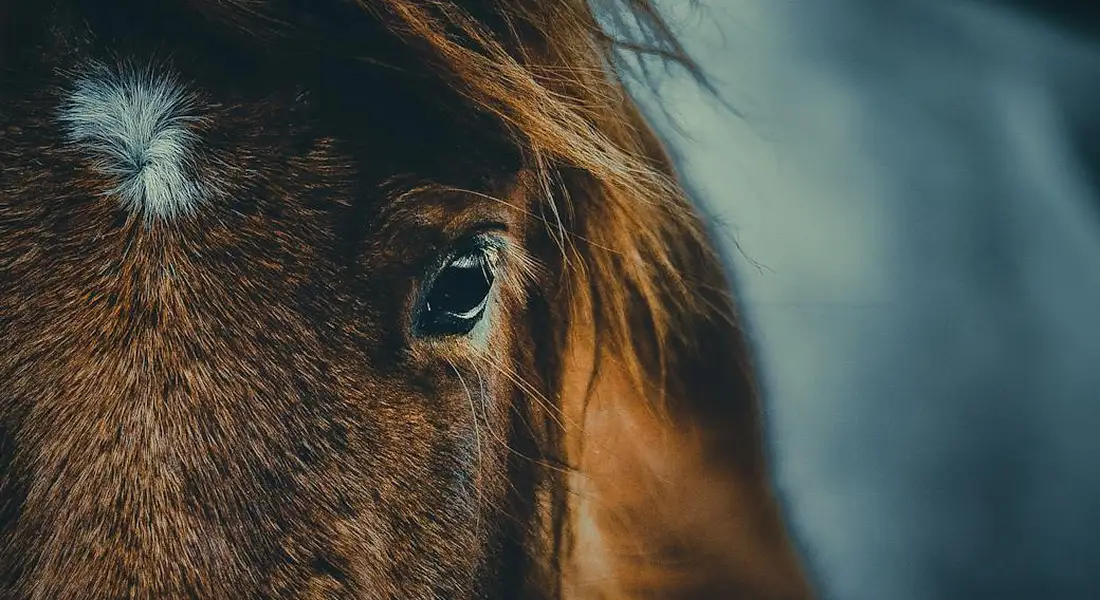
Pulling a mane thins it for a tidy appearance, but your horse’s comfort must lead the way. I learned this with Luna; her dapple grey skin is so sensitive that a rough pull would leave her twitching for days. Always prioritize a gentle approach over speed, ensuring your horse associates grooming with patience, not pressure. Grooming isn’t just routine—it’s a way to build trust and understanding. A well-pulled mane lies flat, reduces sweat and dirt buildup, and makes braiding easier, but it should never come at the cost of your partner’s trust.
Choosing Your Pulling Method
Your tool choice depends on your horse’s temperament, mane thickness, and your own skill. For my trio, I use three different approaches. Selecting the right method is the first step in a humane grooming session that respects the individual in front of you. Knowing which are the essential grooming tools for horses helps you plan a complete, humane routine. This awareness guides your gear choices as you move to the next steps.
- Hand Pulling: The traditional method. You wrap a few hairs around a pulling comb or your fingers and give a quick, firm pull in the direction of hair growth. This yields the most natural, tapered look but requires a steady hand. Rusty, my stoic Quarter Horse, tolerates this well for short sessions.
- Pulling Comb: A metal comb with blunted teeth designed to grab hairs. It’s faster than hand-pulling but can easily grab too much. I reserve this for small, controlled sections on a calm horse, never on a sensitive one like Luna.
- Thinning Scissors or Blades: These scissors have notched blades that remove hair without a blunt cut. This is my go-to for Luna and for touch-ups on any horse. It’s a fantastic welfare-focused hack for thin-maned horses or those who simply can’t tolerate pulling, as it removes bulk without the sharp tug.
Step-by-Step Pulling Process
Follow these steps to keep the process smooth and stress-free. Remember, a tired or irritated horse won’t stand well. With Pipin, I work in five-minute bursts, always ending with a carrot slice to keep his clever, food-motivated brain engaged.
- Prepare the Mane: Ensure the mane is clean, dry, and thoroughly detangled. Spritz a bit of water or a conditioning spray to provide just a little grip.
- Start at the Poll: Begin near the ears, working toward the withers. Take a tiny section of the longest hairs from the underside of the mane. Never pull from the top layer; you want to shorten and thin from beneath for a natural lie.
- Pull Correctly: Wrap the hairs around your comb or fingers, give a confident pull in the direction of growth, and release. If your horse flinches, stop. Assess your technique or switch tools.
- Work in Stages: Do one side, then take a break. Let your horse lower its head and relax. A full pull doesn’t need to happen in one marathon session.
- Soothe the Skin: When finished, run a cool, damp cloth over the crest to calm the skin. A little aloe vera gel can be soothing, but check for sensitivities first.
Choosing Your Braiding Style: From Functional to Fancy
Braiding is more than decoration; it’s practical mane management. A good braid protects from tangles, keeps the neck clean, and can even help wick moisture. Listening to the thud of hooves on a quiet trail, I know Rusty appreciates his mane secured and out of the way, not whipping into his eyes. Choose your style based on the day’s job, from the show ring to the back forty.
Button Braids for a Classic Show Ring Profile
These tight, rolled braids are the gold standard for hunter and dressage rings. They create a sleek neck outline. Perfect button braids are uniform in size and tension, lying flat against the crest without pulling the skin. For Luna’s fine mane, I use a bit of braiding gel and waxed thread. Start with damp hair, make a very tight three-strand braid, fold it under, and stitch it into a neat button. Practice makes perfect here; my first attempts on patient old Rusty looked more like lumpy peas.
Running Braids for Security and Simplicity
This is my daily workhorse braid. It’s a single continuous braid down the neck, quick to do and even quicker to remove. A running braid is the ultimate stable hack for keeping a thick or long mane tidy during turnout or a long ride, massively reducing post-activity detangling time. Simply pick up small sections of hair as you braid down the neck, incorporating new hair from the top. Keep the tension even but not tight. It’s the style I use on Pipin when he’s in his paddock; it stays put through his fence-leaning escapades better than a loose mane.
French or Dutch Braids for Elegant Detail
For a touch of elegance, these braids add beautiful detail. A French braid incorporates hair from the top as you go, lying flat against the neck. A Dutch braid is its raised, 3D cousin where the strands are crossed under rather than over. Both styles require practice but offer stunning results for dressage tests or clinic days where you want that extra polish. They distribute the mane’s weight beautifully and are surprisingly secure. Luna’s sensitive nature means I keep these braids looser at the roots, focusing on the intricate pattern rather than extreme tightness.
Braiding the Mane: A Detailed Step-by-Step Process
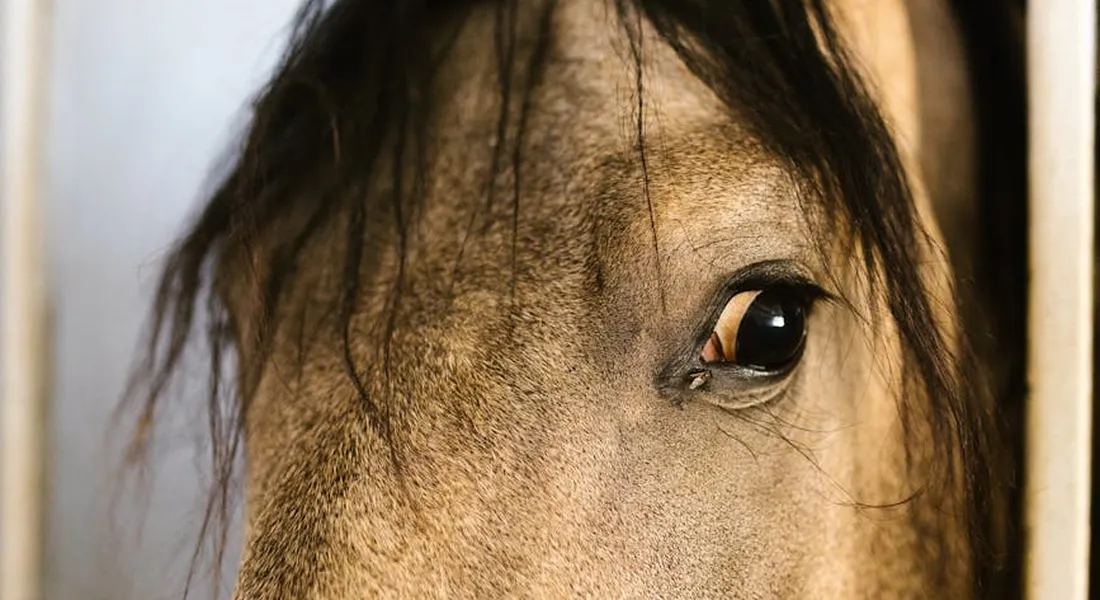
Getting that perfect, even row of braids starts long before you pick up your yarn. A patient, methodical approach here saves you frustration and keeps your horse happily standing through the process. I’ve found that with a sensitive mare like Luna, rushing the setup is a sure way to end up with a dance party instead of a braiding session.
Dividing the Mane for Even Braids
Your goal is clean, consistent sections that lie flat against the neck. Always start with a freshly cleaned, detangled, and slightly damp mane-it’s far more manageable and reduces breakage. I keep a spray bottle of water with a drop of conditioner in my kit for this exact reason.
Begin at the poll, using a fine-toothed comb to isolate your first section. Use the width of your comb or three fingers as a guide for each braid’s base to maintain uniformity. For a quarter horse like Rusty, with a thicker mane, I make slightly wider sections than I would for Luna’s finer hair.
- Comb the entire mane to one side, ensuring no hairs are caught on the wrong side.
- Starting just behind the ears, lift a 1 to 1.5-inch wide section of hair straight up from the crest.
- Comb this section downward until it is smooth and free of knots.
- Secure this first section with a clip so it doesn’t get mixed up with the next.
- Move down the neck, repeating the process, using the previous braid as a visual marker for spacing.
If your horse fidgets, take breaks. For a clever pony like Pipin, I’ll often do a few sections, give a carrot nibble, and then continue-it keeps him invested.
Securing, Folding, and Finishing Braids
Now for the rhythmic part: the actual braiding. Consistent tension is key; pull each strand firmly but never so tight it pulls the horse’s skin or roots. You should be able to slip a finger under the base of the braid. Meanwhile, pair this with a safe tying method. A quick step-by-step guide on safely tying a horse can help.
- Braid each section tightly and evenly down to the ends of the hair.
- Secure the bottom with a small, tight rubber band or a loop of waxed yarn.
- To create the classic “button,” fold the braid back up against itself, forming a tight loop or knob at the base.
- Wrap the end of the braid around this knob’s base and secure it with another band or by stitching through with yarn and a blunt needle.
- Tuck any loose ends up neatly underneath the button.
Listen to your horse during this-a pinned ear or skin twitch means you’re pulling too hard. A finished braid should be snug and tidy, but the skin underneath must remain relaxed and comfortable. I always run my hand down Luna’s neck afterwards to check for any tension she’s holding.
Braiding the Tail: Techniques for Beauty and Protection
Tail braiding isn’t just for show rings; it’s a fantastic way to prevent tangles, breakage, and manure stains. Whether for a weekend event or daily turnout, a well-done tail braid protects the precious hair you’ve worked so hard to grow. Rusty’s thick tail, for instance, is a magnet for burrs, so a basic braid is our go-to for trail riding.
The Basic Tail Braid for Everyday and Shows
This technique keeps the tail contained without the bulk of a tail bag. Start with a completely detangled tail, working from the bottom up to avoid painful pulling. The soft, whispery sound of the comb through clean hair is one of my favorite stable sounds.
- Dampen the tail slightly for better control, just like the mane.
- Gather all the tail hair as if you were going to make one large ponytail at the top of the dock.
- Begin a standard three-strand braid, keeping even tension down the entire length.
- For everyday, braid to the end and secure with a covered elastic band. For shows, braid tighter and consider stitching the end flat against the dock for a sleeker look.
- For a finished show look, you can gently fold the braid up and secure it under the dock with yarn, creating a neat bundle.
Never braid the tail bone itself-only the hair-to avoid putting pressure on the sensitive dock. I learned this the hard way with a fidgety young horse who reacted poorly to any pressure on that area, especially when you consider what a horse’s tail looks like without hair.
Using Tail Bags for Maintenance and Growth
Tail bags are my secret weapon for long, lush tails, especially during muddy seasons or for horses who rub. A properly fitted tail bag shields the hair from breakage while allowing the horse full, natural movement in the pasture. This is gentle horsemanship in action-protecting their body while prioritizing turnout.
First, braid the tail loosely in a simple, single braid. Slide a breathable, mesh tail bag over the braid, ensuring the bag’s cord sits comfortably at the top of the braid, not on the tailbone. Secure it snugly but loosely enough that you can rotate it easily.
- Check and adjust the bag daily to prevent matting and ensure it hasn’t twisted.
- Remove the bag every few days to let the tail air out, re-braid it to prevent knots, and replace the bag.
- Wash the tail bag regularly to prevent dirt buildup that can irritate the skin.
Turnout time with a tail bag is perfectly safe, but always inspect for signs of rubbing or discomfort, as every horse’s tolerance is different. Pipin, our escape artist, once figured out how to untie his, so for him, I use a bag with a secure toggle clasp instead of a string.
Tailoring Techniques to Your Horse’s Hair Type
Not all hair is created equal, and your approach should change with what you’re working with. A one-size-fits-all braid leads to frustration and a messy finish. I’ve spent years adjusting my methods for Rusty’s thick quarter horse mane and Luna’s fine, silky tail.
Working with Thin or Fine Manes
A wispy, thin mane can disappear when braided, leaving you with sad little nubs. The goal here is to create the illusion of fullness and get those braids to hold without slipping apart by noon.
Start with clean, product-free hair. Greasy or heavy conditioners will make fine hair slip faster. A light spray of just water or a dilute mix of hair gel and water in a spray bottle gives you the right amount of tack. Backcombing, or lightly teasing the hair at the crest before you braid, is your best friend for adding volume and grip.
When you braid, keep the sections small and your tension even. Don’t pull too tightly, as fine hair breaks easily. For shows, tiny, tight button braids can work well, but for everyday, a slightly thicker braid will look fuller.
- Use small, sharp rubber bands in a color matching the hair.
- Consider a latch hook for pulling braids up tightly and evenly if you’re aiming for a hunter profile.
- If braids consistently unravel, try a tiny dab of clear silicone-based hair gel on the end of the braid before tying it off.
Managing Thick, Coarse, or Wavy Tails
This is a battle of bulk. A thick, unruly tail braided for dressage or eventing can look like a club if not handled properly. The aim is to create a sleek, streamlined braid that lies flat.
Your most important tool is a tail bag or braid keeper worn for several days before the event. This trains the hair to lie smooth. Before braiding, dampen the hair thoroughly with water mixed with a strong-hold gel. You must thin a thick tail before braiding; use a pulling comb or thinning shears to remove bulk from the underside, never the top hairs.
Separate a smaller section for braiding than you think you need. As you braid, consistently fold in stray hairs from the sides to maintain control. For a wavy tail, the damp braiding technique is non-negotiable to combat frizz.
- Thin the tail cautiously 2-3 days before.
- Keep it in a tail bag or loose braid.
- On braiding day, soak the hair with gel-water mix.
- Braid tightly, incorporating stray hairs as you go.
- Secure the end with a heavy-duty, non-slip band and fold it up neatly.
Solving Common Braiding Challenges
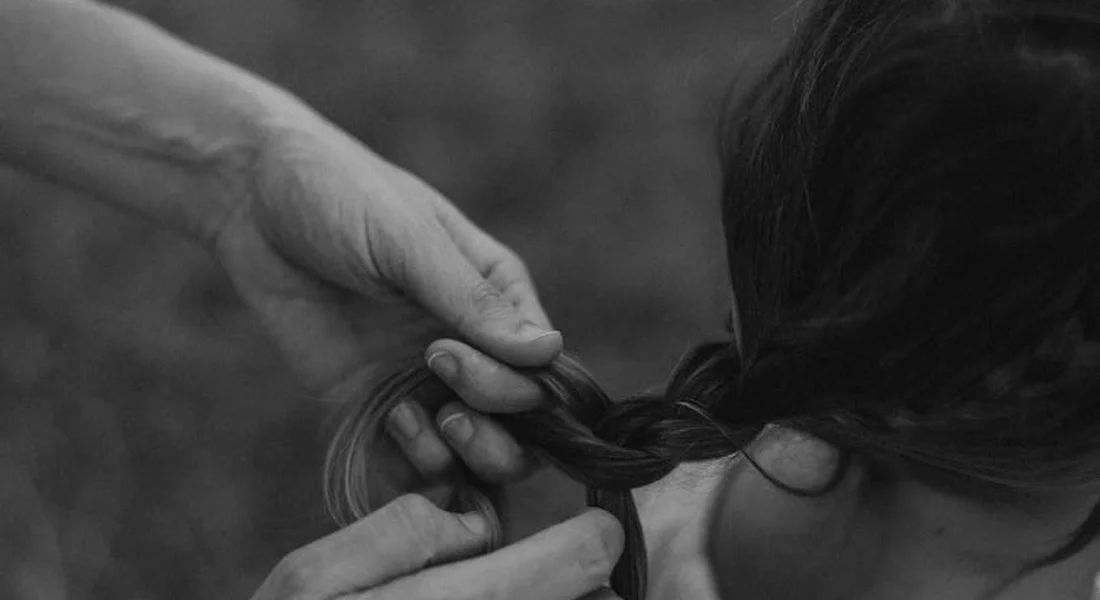
Even with perfect hair, horses are living, breathing, opinionated creatures. The real skill isn’t just in the braid itself, but in managing the entire situation. I’ve had Pipin untie my apron strings mid-braid.
When Your Horse is Restless or Sensensitive
A horse that fidgets, stamps, or swings its hindquarters turns a grooming task into a safety issue. Patience and preparation beat force every time. Luna taught me to move with deliberate, predictable motions.
First, ensure your horse is comfortable. Stand on a sturdy stool so you’re not hanging off their neck. Do your braiding during their normal feeding time if possible; a mouth full of hay is a distracted horse. Break the job into small, rewarded steps-braid three plaits, give a carrot piece, braid three more. That patient, stepwise approach also applies to groom horse show competition, where grooming quality matters. In a groom horse show competition, neat braids and calm handling help you score well.
If they are head-shy or sensitive at the poll, use your body to lean gently against theirs instead of tying the head tightly. For a restless tail, position their hindquarters in a corner of the stall so they can’t swing away from you easily.
Keeping Braids Neat and Secure All Day
Nothing is more disheartening than seeing your beautiful work turn into a bird’s nest by the first class. Longevity comes down to technique and materials.
Cheap, thick rubber bands will snap or stretch. Invest in quality, thin latex bands. For manes, braid all the way to the very end of the hair and loop the band multiple times. For tail braids that get folded up, use a stronger, woven elastic. A perfect braid starts with a perfect part; use a fine-toothed comb to create clean, straight sections every time.
After braiding, a light mist of an anti-frizz spray or even a touch of hairspray on a soft brush can be smoothed over the braids to catch flyaways. For ultimate security in the tail, after folding the braid up, secure it with several bands and then weave a final band in a figure-eight around the top knot.
- Quality bands are non-negotiable.
- Braids done on clean, dry hair last longer than on dirty or sweaty hair.
- Carry a few extra bands and a latch hook in your pocket for quick repairs on the go.
- For turnout, consider a loose, single “trace clip” braid down the neck to prevent tangles without constant tightness.
FAQ: How to Braid and Pull a Horse’s Mane and Tail
What are some easy horse mane braiding styles for beginners?
The running braid is one of the simplest and most functional styles to master first. A basic three-strand braid down the length of the mane is also a great, secure starting point. These styles focus on control and neatness without the complexity of folding or intricate patterns.
What should I look for in a horse mane braiding kit?
A good starter kit includes quality braiding yarn or latex thread, a pulling comb, small sharp scissors, and a latch hook or braiding needle. It should also have durable, small rubber bands in various colors. Investing in a few core, high-quality tools is better than a large kit with many fragile items.
Are there good online video tutorials, like from “Alicia Online,” for braiding?
Yes, searching platforms like YouTube for terms like “Alicia Online horse braiding” can yield helpful visual tutorials. Many professional grooms and trainers share excellent step-by-step videos on specific styles and techniques. Always cross-reference a few different sources to find the method that best suits your and your horse’s needs.
Your Partner in the Process
Master the basics of sectioning and tension for neat results, but always keep your sessions short and positive. The true mark of success is a relaxed horse, not a flawless braid-end on a good note with a scratch or a treat.
This grooming ritual is a chance to build trust, not just tidy hair. Your horse’s patience is a gift; honor it with gentle hands and an attentive ear. Does grooming touch deepen your connection with your horse? It’s a question many riders explore as they tune into each other’s responses.
Further Reading & Sources
- Step by Step Guide to Braiding Your Horse’s Mane and Tail | Horse Journals
- Pro Tip: Mane and Tail Care | US Equestrian
- Braids to Try On Your Horse – The Narrow Trail
- 8 Tips For Properly Braiding Your Horse’s Tail
At Horse and Hay, we are passionate about providing expert guidance on all aspects of horse care, from nutrition to wellness. Our team of equine specialists and veterinarians offer trusted advice on the best foods, supplements, and practices to keep your horse healthy and thriving. Whether you're a seasoned rider or new to equine care, we provide valuable insights into feeding, grooming, and overall well-being to ensure your horse lives its happiest, healthiest life.
Coat and Mane Care