
Choosing the Right Hoof Boots for Your Horse: A Fit That Works
Hello fellow equestrians. That flinch your horse makes on a gravel path or the dull thud of a tender hoof is a signal you can’t ignore. Left unaddressed, it risks lameness and turns every ride into a source of stress.
Picking a hoof boot isn’t about grabbing the shiniest one; it’s a tailored decision for comfort and protection. We will walk through the core factors that make a boot succeed or fail in the real world of mud, miles, and morning feeds.
Here is the straightforward roadmap we’ll follow:
- Identifying the right boot style for your riding, from trails to arena work
- Measuring your horse’s hoof accurately, accounting for shape and movement
- Evaluating materials and closures for security, durability, and easy cleaning
- Performing the essential fit checks to prevent rubbing or loss
My years as a barn manager and trainer have been spent on this exact puzzle, fitting boots to sensitive thoroughbreds and sturdy quarter horses alike.
Why Your Horse Might Need Hoof Boots
Think of hoof boots as sneakers for your horse. They aren’t just for the barefoot purist or the horse with a problem. I reach for boots when the ground turns from soft pasture to hard-packed trail or rocky path, giving my horses protection without the permanent commitment of shoes. The sharp click of an unshod hoof on pavement is a sound that always makes me wince.
My old trail partner, Rusty, is a prime example. His soles are a bit thin, and while he’s game for anything, a long day on gravel leaves him tender. Using boots for our adventures lets him enjoy his job without discomfort, which is a core part of gentle horsemanship. It’s about listening to what their feet are telling you.
Here are the most common reasons a boot might be your best barn purchase:
- Therapeutic Care: For a horse with an abscess, bruise, or laminitis, a boot can secure a poultice or pad and provide cushioning.
- Transitioning Barefoot: When pulling shoes, boots offer support as the hoof strengthens and the sole toughens up.
- Riding on Tough Terrain: Protect against excessive wear, concussive shock, or sharp rocks during trail rides.
- Enhancing Turnout: If your paddock is hard or rocky, boots can allow for more comfortable movement and encourage natural foraging behavior.
Luna, my sensitive Thoroughbred, has a different need. For her, a boot can be a confidence-builder on unfamiliar footing, preventing that anxious snort and dance she does when the ground feels “wrong.” It’s a simple tool that preserves both her mental well-being and her physical soundness.
Getting the Fit Right: How to Measure the Hoof
A boot that twists or rubs is worse than no boot at all. I’ve seen rubs from a poor fit turn into stubborn sores. Taking ten minutes to measure correctly saves weeks of headache and keeps your horse comfortable. You’ll need a clean hoof, a flat surface, a flexible measuring tape, and a helper if your horse is a fidgeter like Pipin. It’s just like measuring your horse’s bit—getting the right fit matters.
Follow these steps while your horse is standing squarely on level ground:
- Clean the Hoof: Pick out all debris so you’re measuring the actual hoof wall, not a chunk of mud.
- Measure Width: Find the widest part of the unweighted hoof, typically just in front of the heels. Stretch the tape from one side of the hoof wall to the other.
- Measure Length: From the toe at the hairline (the coronary band) back to the heel buttress. Don’t follow the curve of the heel; measure straight back.
- Check the Heel Height: Some brands require this. Measure from the hairline at the heel down to the ground.
Write down these numbers in millimeters for the most accuracy. Always measure both front hooves, as they are often different sizes-Rusty’s left front is a full size wider than his right. Refer to the specific brand’s sizing chart; they are not universal.
Common Hoof Shapes and What They Mean for Boot Fit
Measurement numbers only tell half the story. The shape is the other half. A wide, round hoof like Pipin’s Shetland paws will fit a very different boot style than Luna’s more upright, oval Thoroughbred foot. Here’s a breakdown of what to look for.
| Hoof Shape | Description | Boot Fit Consideration |
|---|---|---|
| Round (“Dinner Plate”) | Width and length are almost equal. Common in ponies and some draft crosses. | Look for a boot with a circular sole pattern. A tapered boot will pinch at the quarters. |
| Oval (“Traditional”) | Length is greater than width. Seen in many light horse breeds. | Most boots are designed for this shape. Ensure the heel area isn’t too baggy. |
| Asymmetrical (“Stinky Foot”) | One side is straighter than the other, often from a past injury or conformation. | Fit to the larger side. Use padding on the smaller side to prevent slippage and twisting. |
| Upright (“Boxy”) | Steep hoof walls and narrow heels, typical in some gaited breeds. | Heel clearance is critical. A boot with a high, wide heel opening is necessary to avoid pressure. |
Feel the hoof wall with your hand. An asymmetrical hoof needs a boot with a roomy toe box and adjustable fastenings to accommodate the imbalance without pressure points. I molded a dental impression putty inside a boot for an old gelding with a misshapen hoof, creating a perfect custom fit that stopped all rubbing.
Remember, the goal is a snug fit that doesn’t impede the hoof’s natural expansion when it bears weight. You should be able to slide a finger or two between the pastern and the boot’s gaiter, and the boot should not spin when you gently twist it. If it moves, it will move a lot more at a canter, and that’s when trouble starts.
Understanding Hoof Boot Types and Designs

Think of hoof boots like shoes for your horse: the right fit and style prevent soreness and boost confidence on any ground. Getting this choice wrong can lead to rubs, lost boots, or a hesitant gait, so let’s break down the two main families you’ll meet at the tack shop: bell boots and splint boots.
Open-Back Boots: Flexibility and Breathability
Open-back boots, as the name suggests, have a heel area that’s open or very flexible. I think of them as the reliable sneakers of the hoof boot world. Their design allows the heel bulbs to expand naturally with each step, which is a gift for horses with wide heels or those who are barefoot and transitioning. The increased airflow around the frog is a major win for hoof health, helping to keep things dry and discouraging thrush.
I learned to appreciate these with my sensitive Thoroughbred, Luna. Her high-energy pace on soft arena footing made her feet warm. Switching to an open-back style for our flatwork sessions let her hooves breathe and eliminated that annoyed tail swish she’d get when her feet felt confined.
Consider an open-back boot if:
- Your horse has a wider heel or a full, rounded hoof capsule.
- You’re mostly riding on forgiving surfaces like sand, grass, or soft trails.
- Moisture management and preventing sweaty hooves are top priorities.
- You value a boot that’s often quicker to slip on and off.
Closed-Back Boots: Security and Protection
Closed-back boots wrap fully around the hoof, offering a snug, secure cup from toe to heel. Imagine them as sturdy hiking boots. This design is your best ally for rocky paths, long distances, or any ride where losing a boot would be more than a nuisance. They excel at keeping out trail debris like pebbles and sand, and they generally provide more support to the entire hoof wall.
My quarter horse, Rusty, is a trail veteran, but he used to hate the sharp, unexpected stones on our mountain loops. The solid thud of his stride became confident and even after we fitted him with closed-back boots; they gave him the armor he needed to tackle puddles and rocks without a second thought.
A closed-back boot is likely the answer for:
- Technical terrain with rocks, roots, or abrasive surfaces.
- Endurance riding or any activity where security is non-negotiable.
- Horses with narrower or more upright hoof conformation.
- Situations where maximum debris exclusion is the goal.
Matching the Boot to Your Riding Discipline and Terrain
Your riding goals dictate your gear. A boot perfect for dusty arena circles might fail miserably on a rain-slicked hill. Always match the boot’s features to the literal ground you’re covering to keep your horse sure-footed and sound.
Choosing for Traction: Rocky Trails vs. Slick Mud
Traction isn’t just about the tread pattern; it’s about the boot’s entire sole composition and how it interacts with the earth. Listen to the sound: a good grip on rock is a firm crunch, while in mud it should be a confident pull, not a slippery slide.
For rocky, uneven trails, you need a boot that combines a hard-wearing sole with aggressive, multi-directional lugs. Look for a deep, zigzag or hexagonal tread pattern that can grab onto irregular surfaces and shed dirt quickly to prevent balling up. The sole material should be firm enough to protect from bruising but still have some give.
When the forecast calls for mud, the game changes completely. Seek out boots with widely spaced, pronounced cleats or chevron patterns that can penetrate the slick layer to find purchase underneath. A self-cleaning design is critical here-nothing is more useless than a boot sole packed solid with clay.
My cheeky Shetland, Pipin, taught me this the hard way when he escaped into a freshly watered field. His smooth-soled boots turned into mud skis, a hilarious but stark reminder that terrain-specific traction isn’t an optional extra. For your own rides, keep this checklist in mind:
- Rocky/Dry Terrain: Durable, stiffish sole with deep, complex lugs. Closed-back often preferred.
- Mud/Wet Terrain: Softer, grippier compound with high, spaced cleats. Prioritize self-cleaning soles.
- Mixed Terrain: A versatile tread with medium-depth lugs and a balanced sole flexibility.
Evaluating Key Features: Closures, Durability, and More
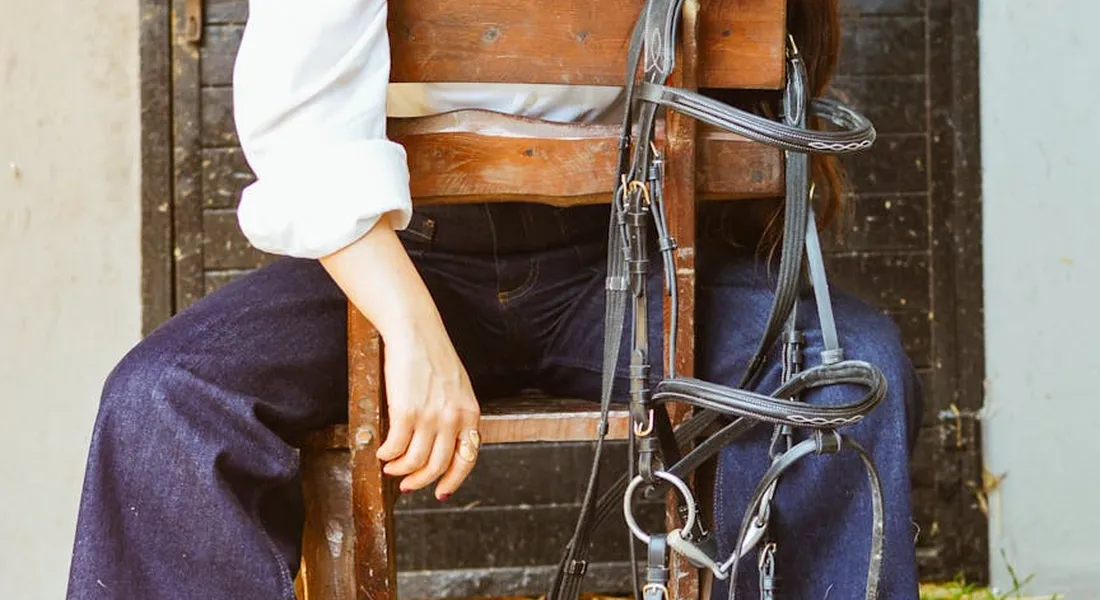
Think of the closure system as the handshake between boot and hoof-it needs to be firm and trustworthy. A poorly chosen closure can lead to lost boots on the trail or, worse, rubs that make your horse miserable. With Luna’s dainty pasterns, I learned the hard way that a bulky buckle can cause pressure points after a long ride.
You have a few main types to consider, each with its own personality.
- Hook-and-Loop (Velcro): Offers infinite adjustability for a precise fit, which is a blessing for a hoof that changes with the seasons. Just listen for that satisfying rip when you pull it apart.
- Metal Buckles: They are the workhorses of closures, incredibly durable for the horse that thinks every puddle is a personal challenge. They do require a bit more finger strength, especially when cold.
- Hybrid Systems: Some boots use a combination, like a velcro strap with a buckle overlay, giving you security and fine-tuning in one package.
Durability isn’t just about thick plastic; it’s about how the boot is put together. Look for reinforced stitching at stress points and a sole material that can absorb shock without cracking. I had a pair for Rusty that lasted three seasons of rocky trails because the manufacturer used a one-piece molded sole.
Beyond the closure, run your eyes over these other critical details.
- Sole and Tread: A deep, aggressive tread is great for mud but can hold stones. A smoother sole is easier to clean but might slip on wet grass.
- Ventilation: Small mesh panels or drainage holes prevent the hoof from becoming a sweaty, unhappy environment. Your horse will thank you.
- Ease of Cleaning: Can you hose it out? Does mud get packed into tiny crevices? Simpler designs often win here.
Hoof Boot Care: Cleaning and Maintenance for Long Life
Neglect your hoof boot care, and you’re just throwing money into the mud. A five-minute clean after each ride can add years to your boot’s lifespan, saving you cash and hassle. My routine after riding Pipin, our resident mud-magnet, is non-negotiable.
Start by knocking off the big stuff right after you untack. Use a stiff brush and a blast from the hose to dislodge dirt, manure, and arena footing before it dries and sets like concrete. Pay special attention to the closure areas where grit loves to hide and grind down the materials.
For a deeper clean, maybe once a week, I use a bucket of warm water with a dash of mild soap. Here’s my simple system:
- Submerge the boots and scrub inside and out with a soft brush.
- Rinse thoroughly until the water runs clear-soap residue can irritate skin.
- Air dry completely, away from direct heat or sun, which can warp synthetic materials. I hang them in the tack room with the tongues pulled open.
While they’re drying, give them a quick health check. Run your fingers over straps and seams, feeling for thinning material, loose stitching, or cracks in the sole. Catching a worn velcro strap early means a simple repair instead of a lost boot during your next outing.
Storage is the final step. Keep your clean, dry boots in a tack trunk or bin, not tossed on a dusty shelf where they can get deformed or chewed by curious barn mice. A little care echoes the gentle horsemanship we practice-it shows respect for our equipment and the comfort it provides our partners.
Balancing Quality and Cost: Setting a Realistic Budget
Let’s talk money. Hoof boots can make your wallet feel lighter than a shetland pony after a spring shave. I learned this the hard way when I bought the cheapest pair for Rusty, only to watch the soles disintegrate after three months of trail riding. Setting a budget isn’t about finding the lowest price; it’s about investing in the right protection for your horse’s mileage and lifestyle—something especially important to consider when comparing to traditional farrier services. Think of it like buying work boots for yourself—the $50 pair might get you by, but the $200 pair will support you for years.
Your budget should reflect how often the boots will be used. A pony like Pipin, who occasionally needs a boot for a tender foot on rocky paths, has different needs than Luna, my thoroughbred, who might use them for daily turnout on abrasive terrain. For frequent use, prioritize durable materials like polyurethane shells and robust tread patterns, even if the initial cost is higher. The upfront sting saves you from buying two or three pairs over time. However, it’s equally important to understand when to use boots appropriately.
Here’s a simple way to break down the cost-quality scale:
- Economy Range: Often simpler designs with fewer adjustment points. Good for very occasional use or as a temporary spare. Monitor wear closely.
- Mid-Range Workhorses: This is the sweet spot for most pleasure horses. You get better longevity, more secure fastenings, and often easier cleaning. This is where I landed for Rusty.
- Premium Performance: Top-tier materials and engineering for horses in heavy work or with challenging hoof shapes. Justified if your horse’s job demands it.
Remember, the cost isn’t just the boot price. Factor in replacement gaiters, worn-out hardware, and your time. A well-made boot from a company with good customer support can be cheaper over five years than a bargain bin special. Your horse’s comfort and soundness are worth that math.
Final Fitting Tips and the Break-In Process
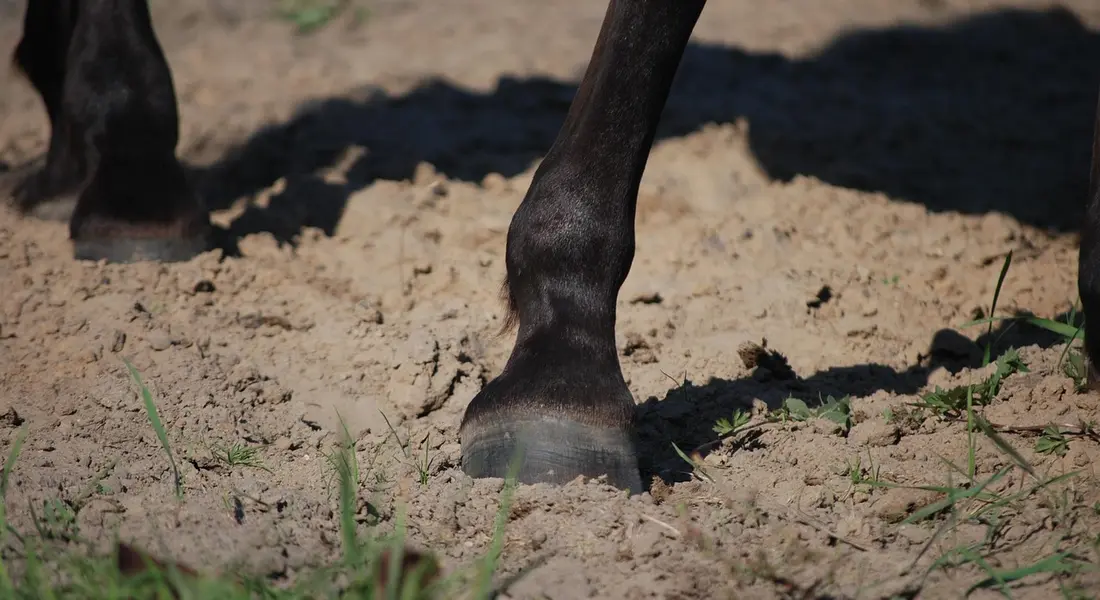
You’ve chosen your boots. Now, let’s get them on. A perfect fit should feel snug but not tight, with no pressure points on the coronary band or heel bulbs. I always do the “finger test” after buckling: you should just be able to slide a finger between the boot’s upper and your horse’s pastern. If it’s a fight to get the boot on, it’s too small; if it slides easily with ample room, it’s too large. Listen for a soft, satisfying click of closures, not a straining grunt from the plastic.
The break-in period is non-negotiable for both hoof and horse psychology. Start in a safe, enclosed space like a paddock. Follow these steps:
- Short Sessions: Put the boots on for just 15-20 minutes of quiet standing or walking. Watch your horse’s reaction.
- Check for Rubs: After removing them, run your hands over the pastern and heel. Redness or hair loss means an adjustment is needed.
- Gradually Increase: Over a week, build up to longer wear periods, adding light work. Luna needed this slow approach-her sensitive nature meant we spent three days just standing in them with a hay net.
Always inspect the boots themselves during break-in for any unusual wear or stress points that might indicate a fit issue. The smell of new rubber and the thud of a booted hoof on dirt will become familiar sounds. Some horses, like clever Pipin, will try to remove them at first. Patience and positive reinforcement work better than frustration.
Finally, make your final fit check after the horse has moved. Walk and trot them, then re-examine. The boot should stay centered on the hoof with minimal twisting. A proper break-in prevents rubs, builds trust, and ensures those boots are a tool for comfort, not a source of stress. That’s the core of gentle horsemanship-adapting our tools to the animal, not the other way around. On rough terrain or changing footing, do put boots on your horse to protect the hooves and encourage confident steps. This simple precaution complements a careful fit and break-in, keeping the horse comfortable and the ride smooth.
FAQ: How Do You Choose the Right Hoof Boots for Your Horse?
How do you assess your horse’s hoof shape and size?
Begin by cleaning the hoof to ensure accurate measurements of the bare hoof wall. Use a flexible tape to measure the width at the widest point and the length from toe to heel, noting any differences between feet. Additionally, observe the overall shape-like round or oval-as this dictates which boot styles will fit comfortably without pinching.
What specific activity or discipline will the hoof boots be used for?
Identify whether the boots are for trail riding, arena work, endurance, or turnout, as each discipline has unique demands. For instance, trail riding often requires robust, secure boots for rough terrain, while arena work might prioritize breathability and flexibility. Selecting a boot designed for your primary activity helps prevent issues like slippage or discomfort during use.
What are your key considerations for boot closure and fastening systems?
Evaluate closures for security and adjustability, such as hook-and-loop for precise fits or metal buckles for durability in harsh conditions. Ensure the system is easy to operate, even with gloves on, to facilitate quick application and removal. It should also conform to your horse’s pastern and heel shape to avoid rubs and ensure the boot stays in place during movement.
Stable Wisdom on Happy Hooves
Choose boots based on your horse’s precise hoof tracings and the specific demands of your riding, not just marketing claims. Nothing replaces watching your horse move at all three gaits in the new boots to check for stability and comfort before you commit.
This selection process is a partnership-your horse’s ease and willingness are the final, most important reviews. Listening to them, through their movement and manner, is the core of thoughtful horsemanship.
Further Reading & Sources
- Hoof Boots | FUNDIS Equestrian
- Horse Hoof Boot Guide
- Flex Hoof Boots for Horses – Official Website and Shop
- Learn how to size / measure for Cavallo Hoof Boots!
At Horse and Hay, we are passionate about providing expert guidance on all aspects of horse care, from nutrition to wellness. Our team of equine specialists and veterinarians offer trusted advice on the best foods, supplements, and practices to keep your horse healthy and thriving. Whether you're a seasoned rider or new to equine care, we provide valuable insights into feeding, grooming, and overall well-being to ensure your horse lives its happiest, healthiest life.
Hoof Care