
Maintain Your Horse’s Hoof Health Between Farrier Visits: Your Daily Care Routine
Hello fellow equestrians! Seeing a fresh crack in your horse’s hoof or noticing them standing awkwardly can turn your stomach faster than a missed distance to a fence. You’re right to feel that knot of worry-neglecting the basics between trims is a fast track to lameness, sky-high vet bills, and lost riding time.
Let’s break down the simple, effective steps you can take right now. This guide will walk you through a foolproof daily picking and inspection ritual, strategies for managing wet and dry conditions, how to identify thrush and cracks before they become serious, and the role of diet and turnout in building stronger hooves.
I’ve learned this through countless seasons in the barn with my own herd, from keeping Luna’s feet thrush-free to managing Pipin’s clever escapes, proving that consistent, gentle attention makes all the difference.
The Daily Drill: Your Non-Negotiable Hoof Care Routine
Think of hoof care like brushing your teeth: skip a day, and things get gritty. Your farrier does the major work, but the daily upkeep is your job. It builds trust and catches small issues before they become big vet bills.
How Often to Pick and Inspect
You should pick out your horse’s hooves at least once a day, and always before and after you ride. That rhythmic thunk of packed dirt and stones coming loose is satisfying, but it’s the inspection that matters most. I make it a point with every horse, from steady Rusty to spirited Luna.
Your daily pick is a full health scan from the ground up. Run your hand down the leg first, feeling for heat or swelling. Then, cradle the hoof and get to work.
- Start at the heel, picking firmly toward the toe to dislodge debris.
- Clear the triangular frog carefully, checking for deep crevices or black, smelly gunk-the telltale sign of thrush.
- Examine the sole and the white line where the hoof wall meets it. Look for cracks, punctures, or unusual soft spots.
- Finally, check the hoof wall itself for splits or rings, which can signal past stress or dietary changes.
Pipin, our clever Shetland, once hid a perfectly wedged pebble for two days before a slight limp gave him away. Now, I’m extra thorough, even with the ponies.
When and How to Apply Hoof Dressings
Hoof dressings are a tool, not a magic potion. Overuse can clog pores and do more harm than good. I keep a simple, natural-based conditioner on hand for specific times.
Apply a moisturizing dressing only when hooves are dry and brittle, or as a barrier in consistently wet conditions. The key is to put it on a clean, dry hoof. After picking and brushing, paint a thin layer onto the hoof wall and coronary band, avoiding the sole and frog unless directed by your farrier for a medical reason.
- Use in dry, hot weather to prevent cracking.
- Use sparingly in muddy seasons to help protect the hoof wall from constant moisture.
- Avoid daily use on healthy hooves; their natural moisture regulation is usually best.
I learned this the hard way with Luna. Her dainty feet cracked in a dry spell, and a judicious weekly application made all the difference. For Rusty, who has rock-solid feet, we rarely use it.
Build a Healthy Foundation: Environment and Exercise
You can pick and dress all you want, but if your horse is standing in a swamp or a dust bowl, you’re fighting a losing battle. Their living space is the bedrock of hoof health.
Managing Mud, Moisture, and Dry Lots
Mud is the enemy. It softens hoof walls, harbors bacteria, and can lead to white line disease or thrush. A well-drained “dry lot” or sacrifice area is a barn manager’s best friend.
Create a firm, dry standing area with gravel or coarse sand where horses can escape the pasture soup. Rotate pastures if you can, and use gutters and drainage to keep water away from gates and feeders. I spend as much time managing the paddock as I do the stalls, scraping mud and adding drainage channels every spring. It’s especially important during mud season to protect your pastures and your horses’ hooves.
- Use footing like washed gravel or wood chips in high-traffic zones.
- Keep hay feeders and water sources on elevated, well-drained spots.
- Pick manure from dry lots regularly to reduce moisture and parasites.
The Role of Movement and Turnout
Movement is the unsung hero of hoof health. Every step pumps blood through the hoof, delivering nutrients and promoting strong growth. Stall confinement is a hoof’s worst nightmare.
Maximize daily turnout on safe footing so your horse can move freely and naturally. Even on rainy days, if they have a dry lot to stand on, let them out. The constant circulation from walking grazes is irreplaceable. I’ve seen nervous horses like Luna develop tougher, healthier feet once they got 24/7 turnout with herd friends.
Their hooves need the stimulation of different surfaces-firm ground, soft grass, gentle gravel. Regular exercise, even just wandering a paddock, acts like a natural trim and strengthens the entire internal hoof structure. It’s the cheapest and most effective supplement you can provide.
Nutrition from the Inside Out: Diet for Strong Hooves
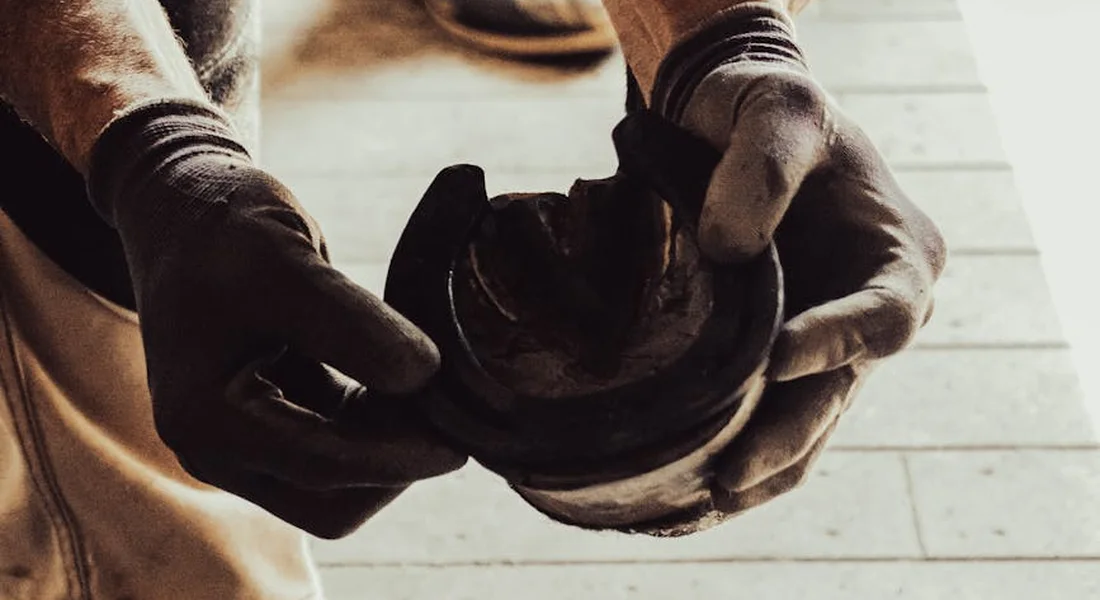
A hoof is built from the inside, not just shaped from the outside by a rasp. Think of your horse’s diet as the raw construction materials for a new hoof capsule every year-you can’t build a sound structure with cheap, weak supplies. What goes in the feed tub directly influences what grows out of the coronary band. For a deeper look, our complete guide to horse hoof anatomy structure walks you through every layer and landmark. It connects how the internal tissues manifest in the visible hoof you care for every day.
The Core of a Hoof-Healthy Diet
Forget fancy supplements for a moment. The foundation is everything. I’ve seen hooves transform simply by fixing the basics.
- Quality Forage: Constant access to good hay or pasture is non-negotiable. The amino acids in grass and legumes are the building blocks of keratin, the tough protein hooves are made of. My old reliable Rusty gets a mix of grass and alfalfa, and his feet are as tough as iron.
- Balanced Minerals: This is where many diets fail. Calcium and phosphorus need to be in proper balance (ideally a 1.5:1 to 2:1 Ca:P ratio) for strong bone and hoof wall. A trace mineral salt block is a start, but it’s not enough. I use a fortified ration balancer tailored to my local forage.
- Clean, Ample Water: Dehydration leads to dry, brittle hooves. A hoof is about 25% water. I check automatic waterers twice a day without fail-a dehydrated horse is a hoof problem waiting to happen.
Evaluating Hoof Supplements
The supplement aisle is overwhelming. Do you need one? Maybe. I view supplements as a targeted tool, not a magic potion, and I never use one to Band-Aid a poor foundation diet.
Biotin is the most famous hoof supplement, but it works best in a full-spectrum blend. It needs methionine, zinc, and copper to be truly effective. My sensitive Thoroughbred, Luna, thrived on a biotin-zinc-copper combo when she first came to me with shelly feet.
Here’s my simple evaluation checklist:
| Ingredient to Look For | Its Role | My Barn Experience |
| Biotin | Supports keratin structure | Helped Luna, did nothing for Rusty (his diet was already sufficient). |
| Methionine | Sulfur-rich amino acid for bond strength | Key in every quality blend I’ve used. |
| Zinc & Copper | Critical for enzyme function in hoof formation | Deficiencies show as weak, crumbly horn. |
| Omega-3 Fatty Acids | Improves pliability and moisture balance | I add ground flaxseed; I saw a noticeable improvement in overall hoof suppleness. |
Give any new supplement a full 9-12 month trial-that’s how long it takes for new horn to grow from coronet to ground. If you’re not seeing improvement after a year of consistent use, it’s either the wrong formula or your horse doesn’t need it.
Eyes Like a Hawk: Your Weekly Hoof Health Check
The five minutes you spend scrutinizing hooves weekly can prevent a five-month lameness. Make it part of your grooming routine, right after you pick out their feet.
Tracking Growth and Wear
You need a system, or you’ll forget what you saw last week.
- Take Photos: Once a month, snap a clear photo of the sole and side of each hoof. Date them. This visual record is gold for spotting slow changes your eye misses day-to-day.
- Feel for Chips and Cracks: Run your hand around the hoof wall. Tiny chips at the ground surface are normal wear. A crack traveling upward from the weight-bearing edge is a red flag.
- Monitor the “Mustang Roll”: A nicely beveled hoof edge from your farrier should wear evenly. If it’s wearing lopsided or shearing off on one side, your horse’s balance or your riding terrain has changed.
I keep a simple notebook for each horse, jotting down one-line observations like “Pipin, left front, slight flare at quarter, monitor.” It takes seconds and gives me concrete data for my farrier.
Red Flags: Signs You Can’t Ignore
Some things can’t wait for the next scheduled appointment. Call your farrier or vet if you see:
- Heat & Strong Digital Pulse: Run your hand down the leg. The hoof should feel cool. A warm hoof paired with a throbbing pulse behind the fetlock signals acute inflammation-think abscess or founder.
- Deep Puncture or Severe Cracking: Any wound in the sole or frog, or a crack that bleeds or flexes, is an open door for infection.
- Sudden, Strange Odor: A healthy, picked-out hoof smells like…nothing much. A foul, cheesy smell is a classic sign of thrush digging into the frog sulci.
- Shifting Stance or Reluctance to Move: Your horse telling you his foot hurts is the biggest red flag of all. Watch him on hard ground. A short, stabbing stride or constant weight-shifting means pain.
Trust your gut-you know your horse’s normal. If a hoof looks “off” or feels different, that’s reason enough to make a call. I’ve caught two abscesses early just because Luna’s hoof felt warmer than usual against my palm.
Smart Protection: Boots, Barriers, and Seasonal Strategies
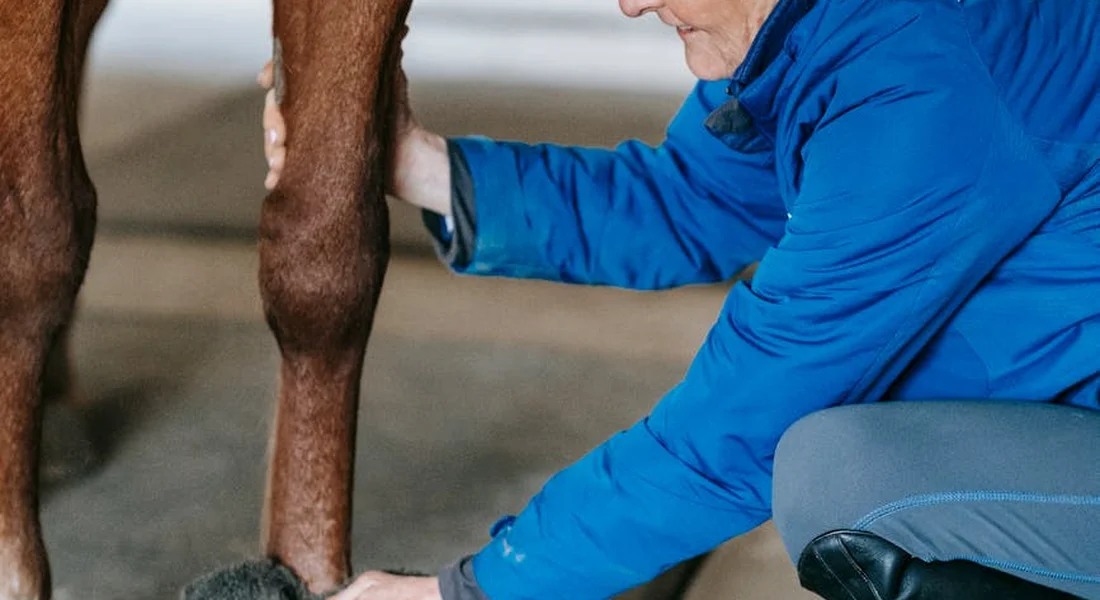
Between trims, your horse’s feet face the real world. A good strategy isn’t just about cleaning; it’s about smart defense. Think of it like your own footwear—you wouldn’t wear flip-flops on a rocky hike. Regular hoof care and proper trimming help maintain their health and strength.
Choosing Hoof Boots for Trail or Recovery
Hoof boots are fantastic tools, but they’re not one-size-fits-all. I keep a pair for each of my three, and their purposes are as different as their personalities. For trail riding on hard ground, a boot protects the sole from bruising. For a horse with a lost shoe, a boot is an emergency vehicle to get them safely back to the trailer or stall.
- Fit is Everything: Measure according to the manufacturer’s guide, not your horse’s shoe size. A boot that twists or rubs is worse than no boot at all.
- Trail Boots vs. Recovery Boots: Trail boots are built for durability and secure closure over varied terrain. Recovery boots, often used for abscesses or laminitis, are designed for comfort, cushioning, and sometimes even cooling.
- The Practice Run: Never debut boots on ride day. Put them on in the stall or paddock first. Watch for a single head-toss of confusion, like Pipin gives when his breakfast is five minutes late, versus persistent annoyance that signals poor fit.
A well-fitted hoof boot should feel like a secure sneaker for your horse, allowing natural movement without shifting or chafing. To maximize comfort, practice the correct application. Do put boots on your horse before every ride to ensure a secure fit.
Seasonal Adjustments for Extreme Weather
Your hoof care routine must change with the calendar. The constant wet-dry cycle and ground hardness are your main adversaries.
- The Muddy Season Menace: Prolonged wetness softens the hoof wall, making it prone to tearing and bacterial invasion (hello, thrush). I combat this with a moisture barrier like a non-petroleum hoof dressing or a simple beeswax-based product applied to the coronary band and hoof wall-not the sole. Cleaning feet twice daily during muddy seasons is non-negotiable; that smelly black gunk is a thrush party waiting to happen.
- Hard, Frozen Ground: In winter, feet can become brittle and crack. Concussion from frozen ground also increases bruising risk. I talk to my farrier about maybe leaving the feet a touch longer for more natural shock absorption, and I’m religious about picking out ice balls.
- Parched, Dry Summers: Cracks and contracted heels are the summer worries. A hoof conditioner aimed at maintaining pliability is key here, along with ensuring constant access to fresh water. Luna’s Thoroughbred feet show every tiny chip, so she gets a moisturizing treatment when the rain stops.
Partnering with Your Farrier: When to Make the Call
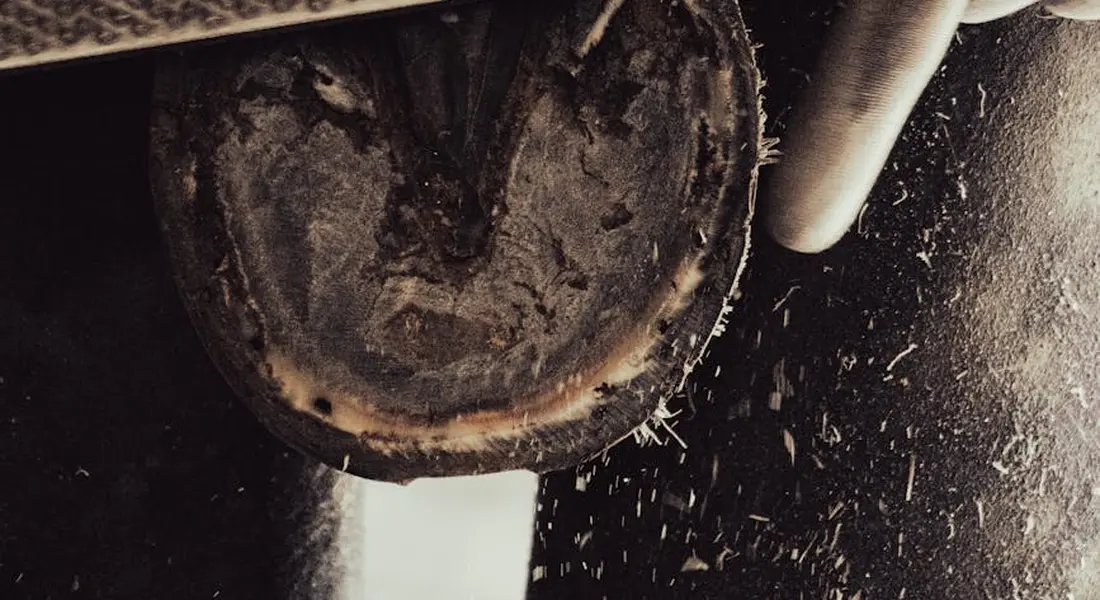
Your farrier is your co-pilot in hoof health. A good partnership is built on clear communication and knowing when to flag them down.
Respecting the Farrier Interval
That 6-8 week schedule isn’t a suggestion; it’s the rhythm of healthy hoof growth. Rescheduling or skipping appointments because the feet “look okay” is a shortcut that leads to long-term problems like imbalance, strain on tendons, and corrective shoeing bills. I mark my calendar the day my trio are done. If a horse is wearing shoes, the interval is set by how quickly they wear them down or loosen them-not by how long you think you can stretch it.
Urgent Signs That Need Professional Attention
Some issues can’t wait for the next appointment. Call your farrier or vet immediately if you notice:
- A sudden, pronounced lameness, especially if the horse is pointing a toe or refusing to bear weight.
- Heat in the hoof wall paired with a pounding digital pulse you can feel at the back of the pastern.
- A deep crack that extends into the sensitive inner structures of the hoof, or one that is bleeding.
- A shoe that is loose, twisted, or missing entirely.
- A sudden, severe founder stance (rocking back on heels).
You are your horse’s first responder; learning to recognize these urgent signs can prevent a minor issue from becoming a career-ending injury. I once found Pipin with a tiny crack that looked superficial, but the location made me call. It was the right move-a quick patch from the farrier saved us from a full-blown quarter crack.
FAQ: How Do You Maintain Your Horse’s Hoof Health Between Farrier Visits?
How often should I clean my horse’s hooves?
Clean your horse’s hooves at least once daily to remove dirt, stones, and debris. Always pick them out before and after riding to prevent discomfort and check for issues. This daily habit is essential for maintaining hygiene and early problem detection. A step-by-step guide to proper horse hoof cleaning can help you perform the routine smoothly. The next steps will provide that concise walkthrough.
What are the signs of common hoof problems I should watch for?
Watch for heat in the hoof or a strong digital pulse, which can signal inflammation or abscess. Look for foul odors, black discharge, or deep cracks in the frog or hoof wall. Also, monitor your horse for lameness, shifting stance, or reluctance to move, as these indicate pain.
When should I contact my farrier between scheduled visits?
Contact your farrier immediately if you see sudden lameness, a loose or missing shoe, or a bleeding crack. Reach out if there’s persistent heat with a pounding pulse or signs of founder like rocking back on the heels. Prompt action can prevent minor issues from becoming serious injuries.
Hoof Care Is a Daily Commitment
Consistency is your best tool; a thorough daily hoof pick-out and a sharp eye for changes in shape or temperature catch problems early. The single most effective habit you can build is running your hand down each leg and cleaning every hoof, every single day, without fail.
Trust the partnership you’re building with your horse—their comfort and your observations are the truest guides. When you’re ready to choose the right farrier for your horse’s hoof care, look for clear communication, consistency, and a compassionate approach. Good hoof health isn’t a destination, but a quiet, daily conversation between you, your horse, and your farrier. A good fit supports ongoing hoof health as part of that conversation.
Further Reading & Sources
- Routine hoof care | The British Horse Society
- Proper Basic Hoof Care | USU
- Caring for your horse’s hooves | UMN Extension
- Essential care for horses hoofs | Routine hoof care for your horse | Blue Cross
At Horse and Hay, we are passionate about providing expert guidance on all aspects of horse care, from nutrition to wellness. Our team of equine specialists and veterinarians offer trusted advice on the best foods, supplements, and practices to keep your horse healthy and thriving. Whether you're a seasoned rider or new to equine care, we provide valuable insights into feeding, grooming, and overall well-being to ensure your horse lives its happiest, healthiest life.
Hoof Care