
Pre-Ride Safety Checklist: 15 Things to Check Before Every Ride
Hello fellow equestrians. That quiet pause before you bridle up? It’s your instincts asking for a final scan. Missing one check can lead to a bolt, a lame horse, or a bill from the vet.
I’ll share my barn-tested checklist that ensures both of you start safe. We’ll cover reading your horse’s energy and attitude at the gate, a thorough hoof-by-hoof inspection for stones or heat, and the critical fit and condition of every strap and buckle on your tack. You’ll get my steps for checking girth tension before and after mounting and spotting subtle signs of discomfort during grooming.
This advice is grounded in my years managing a barn and training everything from reliable trail horses to clever escape-artist ponies.
Why Bother with a Pre-Ride Safety Check?
You wouldn’t jump on a motorcycle and twist the throttle without a glance at the tires or brakes. Your horse and tack deserve the same respect. This ritual isn’t about paranoia; it’s about partnership. I treat it like a pilot’s pre-flight checklist-a non-negotiable step that grounds the ride in safety and trust.
That quick five-minute look-over is your best defense against the preventable. It catches the loose buckle before it fails at a canter, or the tiny pebble in a hoof before it becomes a bruise. It also helps you spot early signs of illness or injury in your horse, so you can act quickly. A thorough pre-ride check is the simplest form of preventative medicine you can practice for your horse’s well-being and your own spine.
I learned this the hard way with my sensitive Thoroughbred, Luna. One crisp morning, she was unusually tense during grooming. A methodical check revealed a single, sharp burr embedded in her saddle pad, right where the girth would lie. Had I missed it, our ride would have started with pain and likely ended with a bolt. Finding it was a humble reminder: horses speak through behavior, and our job is to listen with our eyes and hands. That’s a common horse grooming mistake to avoid—rushing or skipping a careful final check. A slower, thorough routine catches burrs and other issues before the ride.
The core goals are straightforward:
- Horse Comfort: Ensuring no hidden pinches, sores, or discomforts.
- Rider Safety: Verifying that all equipment is secure and functional.
- Tack Integrity: Spotting wear and tear before it causes a failure.
Part 1: The Tack Inspection – Your Horse’s “Machine” Check
Think of your tack as your horse’s riding machine. The saddle is the frame, the girth is the brakes, and the bridle is the steering. A systematic inspection here stops small issues from becoming big problems. Use your senses-listen for warning creaks, feel for suspicious soft spots, and look for tell-tale wear. Also, make sure the tack is properly fitted and adjusted for your horse. This proper fit helps maximize comfort and control.
-
Saddle & Pad (The “Frame”)
Lift the saddle and look at the underside. Run your hand along the tree points feeling for any asymmetry or cracking, which signals a broken tree. Check all stitching, especially around the billets. Your saddle pad must be clean, dry, and free of debris to prevent chafing-shake it out every single time. A dirty pad feels like sandpaper against your horse’s skin.
-
Girth (The “Brakes”)
This piece holds your world together. Examine every inch of stitching, particularly where leather meets elastic. Stretch any elastic sections to check for dry rot or loss of spring. A girth with compromised stitching is a ticking time bomb; replace it at the first sign of thread fraying. Feel the inside for accumulated sweat and dirt that can cause girth galls.
-
Bridle & Bit (The “Gears and Controls”)
Flex the leather at the buckles and cheekpieces. Look for cracks, dryness, or stretched holes. Ensure the bit is spotless, fits correctly without pinching the lips, and that all buckles are double-checked for security. The gentle clink of the bit should come from your hands, not from a loose cheekpiece about to fail.
-
Other Tack (Martingale, Boots, etc.)
Don’t forget the extras. Test Velcro closures on boots for holding power. Check leather attachments on martingales or breastplates for stress. Every strap, buckle, and loop is a potential failure point if it’s worn out or dirty. I once found a nearly severed rein on Pipin’s driving harness during a check-a vivid lesson in leaving no piece unexamined.
Make this a sensory habit. Listen for the strained creak of leather that’s too dry. Feel for the subtle give in a billet that’s about to go. Your hands and ears are as crucial as your eyes in this pre-ride detective work.
Part 2: The Horse Health Assessment – The “Fluids and Tires”
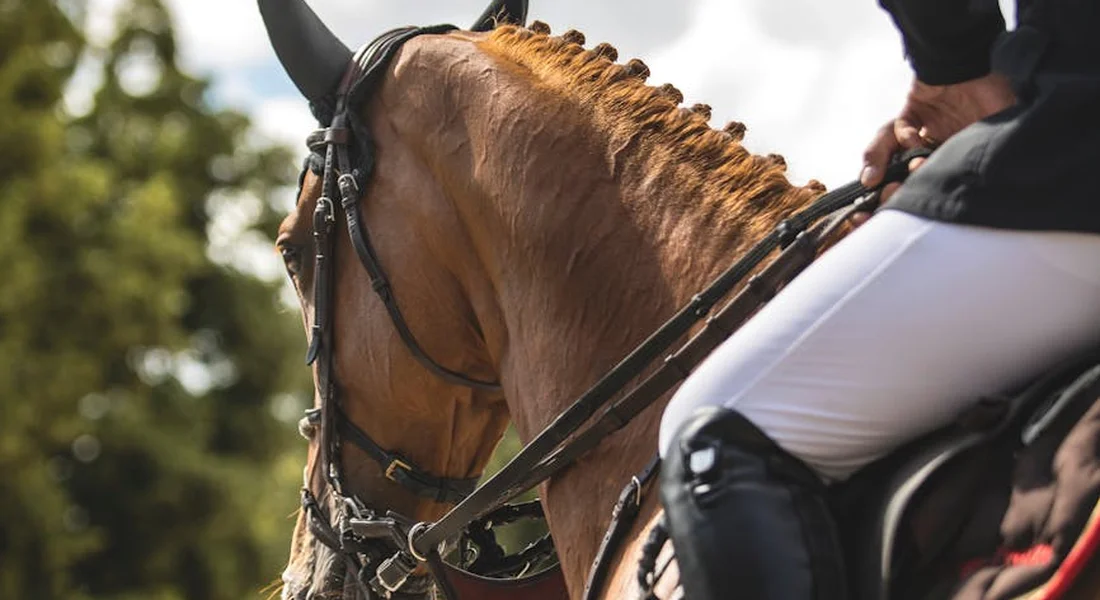
Imagine your horse as a trusted farm truck. Before any trip, you check the tires for air and the oil level. Your pre-ride health check is no different. This quick hands-on review spots small issues before they leave you stranded on the trail. We are looking at four key systems: the hooves, legs, body, and mind.
5. Hooves: Kick the Tires
Never skip picking out feet. Cradle the hoof, pick from heel to toe, and clear the frog’s central cleft. Feel for embedded stones, scan for cracks in the wall, and note any foul odor from thrush. A clean, solid hoof is the foundation of every safe ride. My pony Pipin is a master at hiding tiny rocks in his black hooves, a reminder to check every single time. It’s just one of the steps outlined in our step-by-step guide to proper horse hoof cleaning.
Quick Hoof Scan:
- Pick all four feet completely.
- Check for heat in the hoof wall.
- Look for cracks, splits, or a loose shoe.
- Sniff for the vinegar-like smell of thrush.
6. Legs & “Suspension”: Feel for Bumps and Heat
Run your palms down each leg from knee to fetlock. Compare each leg to its opposite; any warmth, swelling, or tenderness is a warning sign. Your fingers are better than any gauge for detecting early inflammation. With Luna, I often feel heat in her cannon bones after a brisk turnout, signaling she needs a lighter day.
7. Body Condition: Check the Fluids and Frame
Pinch the skin on your horse’s neck. Hydrated skin snaps back fast. Feel the ribs under a light layer of fat and note the muscle tone over the back and hindquarters. Daily grooming teaches you what normal feels like, so any new lump or dip stands out immediately. A sudden loss of condition or a mysterious bump can be your first clue to a bigger issue. An essential daily grooming routine helps you spot subtle changes early and keep your horse comfortable. Incorporate brushing, skin checks, and light palpation into each session as part of that routine.
8. Attitude & Energy (“Battery”): Read the Gauge
Look your horse in the eye. Is their expression bright and engaged, or dull and distant? A change in demeanor is data. If your normally reliable partner seems off, listen to that feeling-it is your best safety device. Rusty will stand like a statue if he’s not feeling right, a stark contrast to his usual treat-begging antics.
Part 3: The Rider Safety Gear Check – Your Personal “Helmet and Lights”
You wouldn’t drive a motorcycle without a helmet. Your riding gear serves the same purpose: it is your primary defense. This isn’t about fashion; it’s about creating a buffer between you and the hard ground. Here is your personal gear checklist.
9. Helmet: Your Primary Protection
Look for a current ASTM/SEI certification sticker inside. The fit should be snug all around without rocking. Inspect the shell for cracks and the inner liner for compression. Any helmet that has suffered a hard knock is done, even if no damage is visible. I replace my helmet every five years, no exceptions.
10. Boots with Heels: Your Secure Footing
Proper riding boots have a defined heel to stop your foot from sliding through the stirrup iron. The sole should be smooth to release easily. That heel is a simple engineering feat designed to keep you in the saddle. I learned this lesson young when a sneaker got stuck in a stirrup during a pony ride.
11. Gloves & Eye Protection: Your Grip and Guard
Gloves prevent rein slippage and protect your palms. Sunglasses or clear glasses shield your eyes from dust, branches, and glare. Good gloves give you silent communication with the bit, and clear vision prevents surprise spooks. On dusty days, I won’t ride without my glasses; they stop me from squinting and missing subtle cues.
12. Appropriate Clothing: Avoid the Snag Hazard
Wear close-fitting pants and tops. Avoid baggy sleeves, loose scarves, or dangling strings that can catch on saddle horns or latches. Tidy clothing minimizes the risk of getting tangled in an emergency. I once saw a rider’s jacket toggle hook on a gate, causing a nasty scare. Now, I always tuck in or zip up.
Part 4: The Final Connection and Environment Check
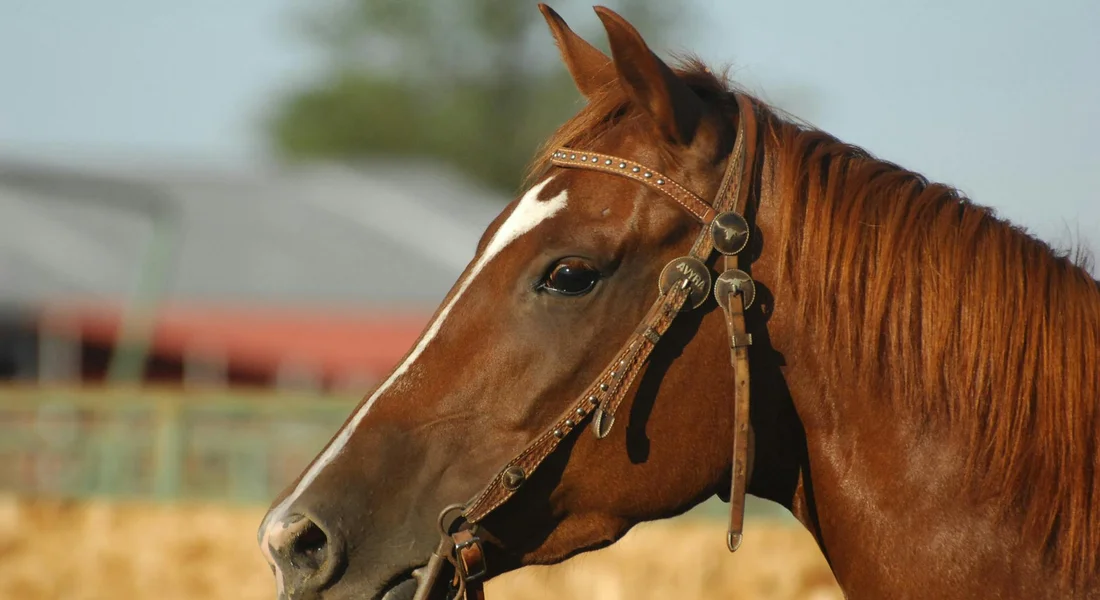
You’ve brushed, picked hooves, and groomed your horse. Now, think of this like swinging a leg over your bike for a trail ride. You check the kickstand is up and your mirrors are set. This final connection is your last safety dialogue with your horse before you ask for movement. These three quick checks seal the partnership, ensuring both comfort and awareness as you start your ride.
- Final Tack Fit: The Two-Minute Mounted Check. Once you’re in the saddle, take a deep breath and feel. Has your horse let out a sigh, changing the girth tightness? Gently wiggle your fingers under the girth on both sides. I learned this with Luna; her sensitive skin would puff up after cinching, requiring a slight re-tighten after walking a few steps. Run your hand up the bridle cheekpieces to ensure they aren’t pinching, and that the bit sits quietly in her mouth without wrinkles at the corners.
- Secure Your Cargo: No Loose Ends. Anything attached to your saddle or person must be bombproof. Give saddle bags a firm tug, check that water bottle holders are snapped shut, and ensure any trail maps or phones are zipped away. I once had a rogue raincoat tie on Pipin’s saddle; his clever pony brain turned it into a thrilling chase toy mid-ride. A quick pat-down of all your gear prevents startling surprises and keeps your focus on the trail ahead.
- Arena or Trail Readiness: Scan Your Stage. Before you ask for the first stride, pause and look. In the arena, scan for deep, uneven spots in the footing or forgotten jump poles. On the trail, look ahead for low branches, unexpected puddles (Rusty’s nemesis), or loose livestock. This isn’t paranoia; it’s situational awareness. Taking ten seconds to read the environment prevents ninety percent of spooks and stumbles.
How to Make Your Pre-Ride Checklist Stick
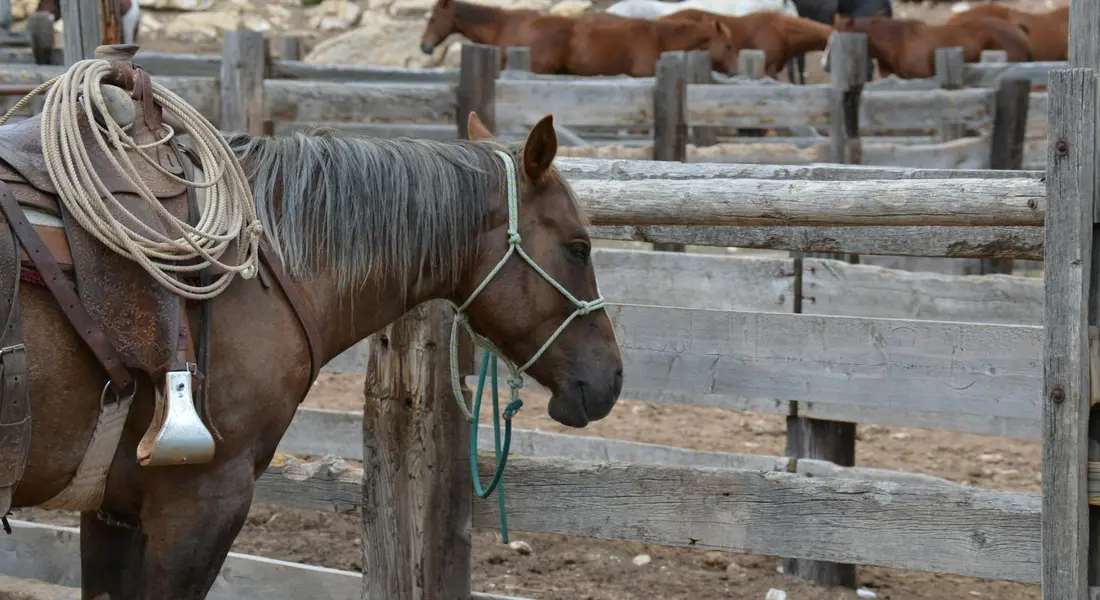
A checklist is only good if you use it. Turning these points into muscle memory transforms a chore into a rhythm of care. Consistency is the gentle glue that binds safety to routine, making it second nature for you and reassuring for your horse.
- Post It Where You Groom. Laminate a simple list and stick it on the wall of your tack room or stall. Seeing it every day while you curry creates a visual cue you can’t ignore.
- Pair Checks with Grooming Strokes. My stable hack: I run through the list in the same order every time, tied to each grooming step. As I pick Rusty’s front hooves, I mentally check for cracks or heat. While brushing Luna’s back, I feel for any soreness or swelling. This weave of tasks saves time and builds a reliable pattern.
- Start with Just Three Items. If fifteen points feel overwhelming, begin with the top three for a week: hooves, tack fit, and girth. Master those, then add two more. Habit stacking works beautifully in the barn.
- Involve Your Horse in the Ritual. Use calm, steady hands during each check. This routine becomes a predictable, calming signal for them. Pipin now stands quietly for his hoof check because he knows a carrot tip follows-it’s our pact.
This systematic approach is the heart of gentle horsemanship. It whispers to your horse that you are a careful, predictable leader. Your pre-ride ritual is a quiet promise of respect, ensuring every ride starts on a foundation of trust and attention to detail.
FAQs: Pre-Ride Safety Checklist for Equestrians
Should I use a structured pre-ride checklist like motorcyclists do?
Absolutely. A consistent, structured checklist is a fundamental safety practice in any high-focus activity, from aviation to motorcycling to horseback riding. Using a systematic approach ensures you never miss a critical step, turning safety into a reliable habit. This method protects both you and your horse by catching issues before they escalate.
Is there a helpful acronym for a horse pre-ride check, similar to ones used in motorcycling?
While common motorcycle acronyms like “T-CLOCS” don’t directly translate, you can create your own memorable system. A simple equestrian one is “H.O.R.S.E.”: Hooves, Overall condition, Rider gear, Saddlery, and Environment/Energy. The best acronym is one you will remember and use consistently before every single ride to guide your inspection.
Where can I find a pre-ride checklist template to print or use on my phone?
Many equestrian organizations and riding schools offer free downloadable PDF checklists tailored to general or discipline-specific riding. You can also easily create your own personalized template based on the 15-point system, which allows you to include notes specific to your horse’s needs. Laminate it or save it on your phone for quick, easy reference at the barn.
Ride Safe: A Last Look from the Barn Aisle
This checklist is the bedrock of every good ride I’ve had, from trail days with Rusty to schooling sessions with Luna. Consistently feeling for tight girths, clean hooves, and relaxed muscle sets the tone for safety and signals to your horse that their comfort comes first. It’s just one part of understanding your horse’s needs and capabilities.
View this routine not as a delay, but as the first quiet conversation of your ride. Your horse’s feedback-a soft eye, an easy stride-is the ultimate sign you’re both ready to go.
Further Reading & Sources
- T-CLOCS Pre-Ride Inspection Checklist – Motorcycle Safety Foundation
- Pre-Ride Bike Inspection Checklist | REI Expert Advice
- BICYCLE SAFETY Pre-Ride Safety Check
- Beginner’s Guide to Motorcycling: Pre Ride Safety Checklist | Total Motorcycle
At Horse and Hay, we are passionate about providing expert guidance on all aspects of horse care, from nutrition to wellness. Our team of equine specialists and veterinarians offer trusted advice on the best foods, supplements, and practices to keep your horse healthy and thriving. Whether you're a seasoned rider or new to equine care, we provide valuable insights into feeding, grooming, and overall well-being to ensure your horse lives its happiest, healthiest life.
Equipment