
How Age and Breed Determine a Mini Horse’s Strength and Safe Use
Published on: June 3, 2026 | Last Updated: June 3, 2026
Written By: Henry Wellington
Hello from the barn aisle! If you’re sizing up a harness for your mini or deciding if they can handle giving cart rides at the county fair, you’re right to pause. Underestimating how age and breed affect their strength can lead to pulled tendons, sore backs, and those vet bills we all dread.
Let’s get straight to the facts you need. This guide will cover:
- How breed genetics in miniature horses set hard limits on bone density and weight-bearing capacity.
- The clear strength milestones from gangly foal, to peak adult, into the slower senior years.
- Practical, daily checks to match your asks with your mini’s actual physical ability.
I’ve leaned on this knowledge for years as a barn manager and trainer, working with every type from sensitive Thoroughbreds to wily Shetland ponies like Pipin.
The Lifespan of Strength: From Foal to Senior
Watching a mini horse grow from a wobbly foal to a sturdy senior is a masterclass in how strength builds and changes. Their capability isn’t static; it evolves through distinct life phases, each with its own needs and limits. Peak strength for a miniature horse typically arrives in mature adulthood, around ages 5 to 12, after their skeleton has fully solidified, which usually happens after they stop growing and reach full size. After that, a gentle decline is natural, but with smart care, their strength can be preserved gracefully for years.
Let’s break down these phases. A foal’s strength is all about potential, a yearling’s is about framework, an adult’s is about performance, and a senior’s is about maintenance. The key to managing this lifespan is understanding that bone density develops rapidly in youth and must be consciously supported in older age to prevent fragility. Joint health and muscle preservation become your primary focus as the years add up. At this stage, senior horse care requires special health considerations. Nutrition, dental checks, and mobility support help keep them comfortable.
The Foal and Yearling: Building the Framework
I’ve watched countless foals, like our barn’s resident mischief-maker Pipin in his younger days, and their strength isn’t for chores-it’s for growth. A mini foal’s power is in its play: those sudden bursts across the pasture, the playful nipping and kicking. This exuberant activity is not frivolous; it’s critical for developing coordination, bone density, and the muscle attachment points that will define their future strength. You’ll see their relative strength level compared to an adult is low, but the foundation is everything.
Nutrition during these stages is non-negotiable. A growing mini needs precise balances of minerals like calcium and phosphorus for proper skeletal development. Overfeeding or underfeeding can lead to developmental orthopedic diseases, so consult your vet or an equine nutritionist to get the formula right. These basics set the foundation for feeding for optimal health and performance. They support long-term athletic readiness and sound development. Good hay, a balanced creep feed, and plenty of turnout for natural movement set the stage for a powerful adulthood.
Prime Years: When Strength Peaks
Once a mini horse reaches full skeletal maturity around age 5, you’re in the prime strength zone. This is when their compact bodies are at their most resilient and capable. An adult mini in its prime can comfortably pull a small cart, navigate obstacle courses with precision, and maintain steady exercise tolerance for longer periods. Their work capacity is impressive for their size, but it’s crucial to match tasks to their individual build and fitness.
This peak period links directly to their finished bone density and mature muscle mass. I think of our reliable Rusty during his prime-a steady, sturdy force. A healthy adult mini should have a well-defined topline and rounded hindquarters, signs of the strength ready for directed activity. Regular, varied exercise keeps this strength functional and prevents stiffness.
The Senior Mini: Managing Gentle Strength
Around 15 to 20 years, you’ll notice a gentle decline. Muscle mass may reduce, making the withers or hips more prominent, and joints can become less supple. The goal shifts from maximizing strength to preserving mobility and comfort through attentive care. This means adapting their workload to gentle walks or light grazing in hand, never asking for the same pull or pace as their prime.
Signs of aging like a shorter stride or hesitation on uneven ground are your cues to adapt. Focus on joint supplements with glucosamine, provide softer footing, and ensure their blanket fits perfectly over thinner muscle to keep them warm and comfortable. Their strength becomes a gentle, managed force, sustained by your vigilance and willingness to slow down with them.
Breed Blueprint: How Genetics Define Power
Just like in full-sized horses, a mini’s strength is written in its genes. Their breed background fundamentally shapes their conformation, muscle type, and how they apply power. You can have two minis of the same height where one is built like a feathered tank and the other like a sleek athlete-their strengths are applied differently. Genetics determine the blueprint for bone thickness, muscle attachment points, and overall durability.
When comparing pulling power and general sturdiness, draft-type minis will typically out-pull their refined cousins, but the leaner types often excel in agility-based tasks. Common miniature horse breeds like the American Miniature Horse come in two types: the “A” division (34 inches and under) and the slightly larger “B” division, both of which can have varying genetic influences. To frame these contrasts, it’s helpful to recall the average size, height, and weight of miniature horses. Generally, minis stay under 34 inches tall at the withers and weigh roughly 150–350 pounds, with variation by line and build. Some lines are bred specifically for stockier, stronger builds, while others emphasize refinement and elegance.
Draft-Influence: The Powerhouses
Minis with draft lineage in their ancestry, like those from Shetland or specific dwarf-free breeding programs, are the powerhouses. They boast a thicker, stockier build with substantial bone, a broader chest, and a powerfully angled hindquarter designed for generating thrust. I’ve seen minis like this pull small logs or heavy carts with a steady, determined power that belies their size. Their inherent strength is for steady, weight-bearing tasks.
Their muscle attachment is wider and denser, giving them that compact, durable feel. If you’re looking for a mini for driving or pack work, this build often offers more inherent pulling power and resilience on tough terrain. They are the sturdy, reliable anchors of the mini world.
Refined Breeds: Agility Over Bulk
On the other end are the refined miniature types, often with more Arabian or Thoroughbred influence. Their origin history as miniature horses spans centuries of selective breeding. This lineage helps explain their compact, agile form. They present a leaner, more angular build with longer legs and a slender neck. Their strength is not about raw pulling power but about agile, quick bursts of energy and exceptional stamina for their frame. They might excel in obstacle courses, showmanship, or activities requiring quick turns and responsiveness.
Their strength application is different. Where a draft-type mini pushes, a refined mini springs. They can be surprisingly strong for their slender appearance, but that strength is channeled into speed and maneuverability rather than brute force. It’s a reminder that strength isn’t just about bulk; it’s about how efficiently a body is designed to use its power.
Muscle and Might: Development Through the Ages
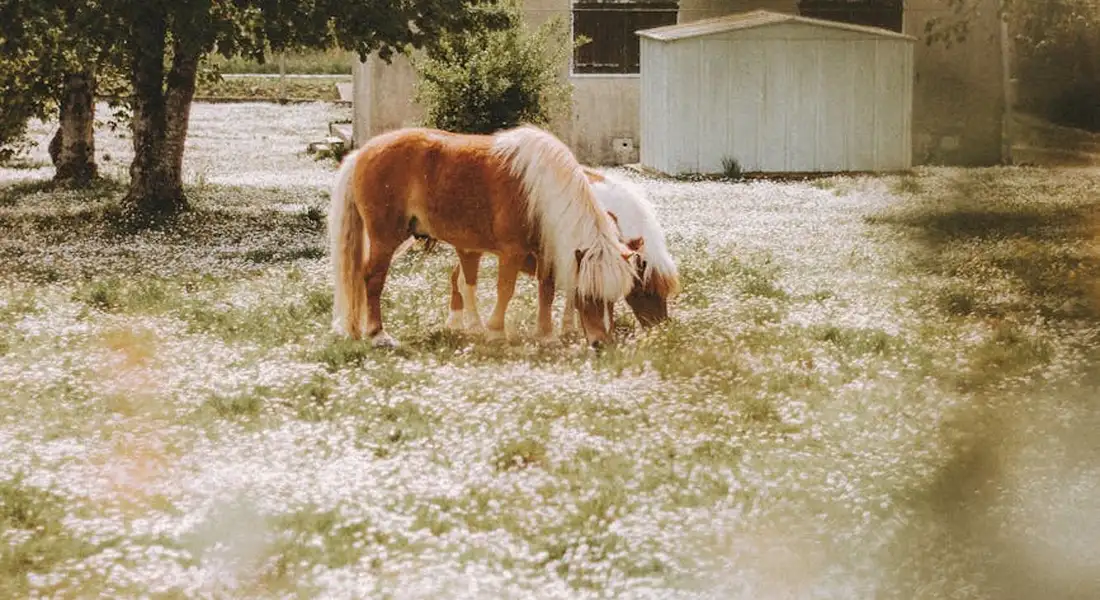
Watching a mini horse grow from a wobbly-kneed foal into a sturdy adult is a lesson in patient strength building. Muscle mass isn’t just about age; it’s the direct result of time plus targeted care. A weanling’s strength is all about playful bursts, while a mature eight-year-old has the dense, sustained power for light driving or packing.
Nutrition provides the literal building blocks: think of protein as the bricks for muscle and calcium as the mortar for bone. A growing mini foal needs high-quality protein sources, like alfalfa or a balanced junior feed, to support the incredible frame expansion happening daily. The crunch of a good mineral block is the sound of bone density being built.
You can track this development with your eyes and hands. Run your palm over their top-line. You should feel firm muscle, not a sharp spine or a fatty groove. Stand behind them and look at the hindquarters; they should be rounded, not sunken or overly peaked.
Exercise tolerance shifts dramatically. A foal’s strength is in explosive zooms around the paddock, followed by long naps. An adult mini can maintain a steady, purposeful walk for much longer, their strength coming from endurance. I’ve seen Pipin, our Shetland, dig with surprising force-a testament to his mature muscle, even at his small size.
Tracking Muscle Growth
Grab your phone for photos, not just cute ones. Every month, take a profile picture and a rear-end shot of your mini in the same spot. Over time, this visual diary will reveal subtle changes in topline fullness and hindquarter shape that you might miss day-to-day. Pair this with a hands-on body condition score; feeling for firmness over the ribs and croup tells you more than the scale alone.
Nutrition for Optimal Strength
Calories are not the goal; targeted nutrition is. For the young mini, seek feeds with 14-16% protein and balanced calcium-to-phosphorus ratios. For the maintenance-age adult, a good grass hay often suffices, supplemented only if work increases. The senior mini needs highly digestible protein to combat age-related muscle loss, often from soaked hay pellets or a senior-specific formula. Always make any feed changes slower than molasses in January to avoid digestive upset.
Practical Strength: Exercise and Assessment
Strength isn’t just for show; it’s for function. The right exercise builds a resilient mini, while the wrong kind invites injury. A senior’s workout might be a daily 15-minute leisurely walk to keep joints oiled, while a fit adult can build power with careful hill work, walking up and down gentle slopes.
You can assess your mini’s fitness safely at home. On a cool day, after a brisk 10-minute walk, stop and immediately count their breaths for 15 seconds. Multiply by four to get breaths per minute. A fit mini will recover to a resting rate (12-20 breaths/min) within 10-15 minutes. Their willingness to move out willingly after a brief rest is a golden indicator of comfortable fitness.
Never force a breed built for refinement, like a slight mini Arabian, to match the pulling power of a stocky mini draft type. Honor their blueprint. Turn work into play for young minis by setting up a tiny trail course with poles to step over and cones to weave around.
Safe Exercises for Every Age
- Foals/Weanlings: Unlimited turnout on safe, undulating pasture. This natural play builds balanced coordination.
- Adults (3-15 years): Controlled hill work, weighted drags (like a light log or tire), and longer, varied-terrain trail walks.
- Seniors (15+ years): Consistent, daily low-impact movement is key. Two short, slow walks are better than one long, tiring one.
How to Gauge Your Mini’s Fitness
- Start with a five-minute warm-up walk on level ground.
- Increase to a steady, purposeful working walk for ten minutes.
- Stop. Immediately count and record respiration rate.
- Observe. Do they stand calmly or seem excessively blown? Are they keen to move again when asked after a five-minute stand?
- Cool down with a final five-minute meandering walk, watching for any stiffness or hesitation that signals you’ve pushed too far.
FAQ: How Does Age and Breed Impact a Mini Horse’s Strength?
How does age affect a mini horse’s strength?
Age directly shapes a mini horse’s strength through distinct life stages, from growth to decline. Foals develop foundational strength through play, adults reach peak performance in prime years, and seniors experience a gradual decrease in muscle mass and joint flexibility. Consistent, age-appropriate care is essential to support their changing physical capabilities throughout their lifespan. Additionally, a senior transition year guide can help owners tailor routines for comfort and mobility in later life.
How does breed affect a mini horse’s strength?
Breed genetics set the blueprint for a mini horse’s strength by influencing bone density, muscle type, and conformation. Draft-type minis, like those with Shetland lineage, are built for raw pulling power and weight-bearing tasks. Refined breeds, often with Arabian influence, channel strength into agility and stamina rather than brute force. These patterns tie into the broader topic of the strongest and most powerful horse breeds, where genetics underpin raw power and endurance. That spectrum helps explain why some breeds are bred for brute force, while others optimize speed and stamina.
What is the peak strength age for a mini horse?
Peak strength in mini horses generally occurs during mature adulthood, typically between ages 5 and 12. This period follows full skeletal maturation, allowing for optimal bone density and muscle development. After this peak, strength may slowly decline, but proper management can help maintain fitness and mobility in later years. When age advances, many handlers start to assess riding suitability and consider retirement or lighter work. Understanding when a horse is too old to ride helps guide welfare-focused care decisions.
Partners, Not Pullers
Treat your mini not as a tiny draft horse, but as an individual whose age defines their physical limits and whose breed suggests their natural inclinations. Your most important job is to match their workload-whether it’s pulling a cart or carrying a child-to their specific physical and mental stage of life. Knowing how much weight a mini horse can safely carry is crucial in managing their workload appropriately.
Progress slowly and celebrate the small victories, always putting their comfort and willingness ahead of any goal. The best measure of a successful partnership is a happy, sound horse who trusts you to understand their strength.
Further Reading & Sources
- Miniature Horses as Service Animals | The Northeast ADA Center
- Miniature Horse Breed Guide: Health, Nutrition & Characteristics | Mad Barn
- How Much Weight Can a Horse Carry? Limits & Safety Explained
- Mini But Mighty: How Much Can Little Horses Pull? – Horse Rookie
At Horse and Hay, we are passionate about providing expert guidance on all aspects of horse care, from nutrition to wellness. Our team of equine specialists and veterinarians offer trusted advice on the best foods, supplements, and practices to keep your horse healthy and thriving. Whether you're a seasoned rider or new to equine care, we provide valuable insights into feeding, grooming, and overall well-being to ensure your horse lives its happiest, healthiest life.
Breed-Specific Care