
How to Build Your Horse’s Topline Without a Saddle
Hello fellow equestrians. Does your horse’s back look sunken or weak behind the withers? That hollow spot is more than a cosmetic issue-it can lead to back pain, lameness, and frustrating riding sessions that feel unsafe.
I will show you how to develop a powerful topline through groundwork and care, not just saddle time. You will learn specific exercises, the role of turnout, smart feeding, and recovery practices that put muscle on correctly.
After over a decade managing barns and training everything from sensitive Thoroughbreds to clever ponies, I know this gentle approach works.
What Exactly is the Topline and Why Does It Need Work?
Your horse’s topline is that beautiful line of muscle from the top of the withers, along the back, over the loins, and down to the croup. Think of it as the entire roof of your horse’s body. A well-defined topline isn’t just for show; it’s the primary support system for the spine and the saddle, much like the cables on a suspension bridge.
Common causes of a weak topline include too much stall time, inadequate nutrition, an ill-fitting saddle that discourages movement, or simply a lack of targeted exercise. Age can play a role, too, as muscle mass naturally diminishes. I’ve seen plenty of good horses like Rusty develop a dip behind the withers from years of trail riding without complementary strength work.
The benefits of a strong topline are vast. It prevents back soreness, improves overall stamina, and allows for freer, more fluid movement. For your horse, a strong core means better balance, less risk of injury, and a more comfortable life, whether they’re grazing in the pasture or navigating a tricky trail. Understanding which key muscles support the topline and how they function helps explain why consistent training matters. That knowledge can guide targeted exercises to strengthen the horse’s movement and posture.
The Core Principles of Saddle-Free Conditioning
Building muscle without a saddle hinges on three ideas: progressive loading (adding difficulty slowly), encouraging hindquarter engagement (getting those engine muscles to push), and maintaining proper posture alignment. You must always start slow to prevent strain, as asking for too much too soon is a sure path to a sore or sour horse.
This work also secretly schools your own balance, teaching you to feel your horse’s movement without the security of a saddle. I learned patience with this on Luna, my sensitive Thoroughbred; rushing her through a new exercise only made her tense up and hollow her back, which defeated the entire purpose.
Reading Your Horse’s Body Language
Watch for the good signs: a softly chewing mouth, a relaxed neck that lowers and stretches forward, and a tail that swings gently with movement. You might see the muscles along their back subtly lift and ripple. A horse working correctly will often let out a deep sigh or lick their lips, showing mental and physical release.
Signs of discomfort or fatigue include a stiff, high head, pinned ears, a clamped or swishing tail, and a braced, hollowed back. If you see this, it’s your cue to stop, reward a try, and call it a day-pushing through helps no one.
Setting a Realistic Timeline
Muscle development is measured in months, not weeks. A young horse like Luna might build visible muscle faster than an older companion, but her sensitivity requires a gentler approach. A stocky Quarter Horse like Rusty has a different frame to fill out. Consistency with short, positive sessions will always beat sporadic, intense workouts.
And then there’s Pipin, my Shetland pony. His compact, sturdy build reminds me that every body type is unique. What works for a 16-hand Thoroughbred won’t be the same for a clever pony who’d rather plot his next snack heist, so adjust your expectations and celebrate small, steady gains.
Groundwork Exercises for Engagement and Suppleness
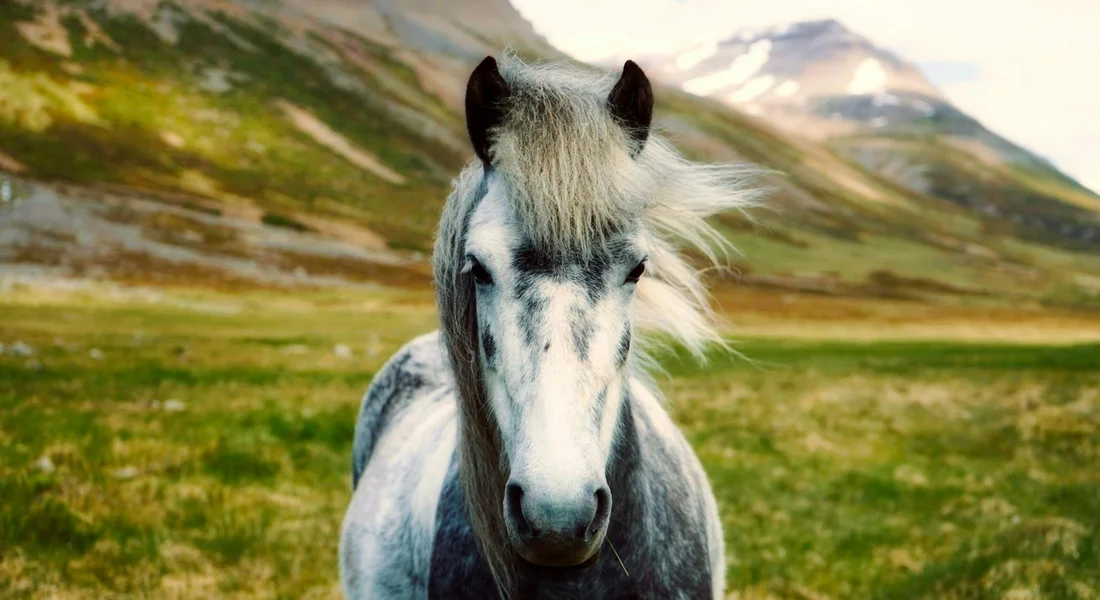
Forget the saddle for a moment. The real magic happens when your horse uses his own body correctly from the ground. These step-by-step routines promote dynamic stretching and core strength, laying a physical and mental foundation for that coveted topline.
Carrot Stretches and Mobilizations
This isn’t just bribery with vegetables. It’s guided mobility work that increases range of motion along the entire spine. Your goal is to encourage, not force, each movement to avoid strain or injury.
- Stand safely at your horse’s shoulder, holding a carrot chunk or similar treat.
- Guide him to tuck his chin to his chest. Hold for a gentle stretch, then let him take the reward.
- Lure the treat towards his point of shoulder on the same side to bend his neck laterally. You should hear a soft crunch as he chews.
- For the withers, slowly lower the treat between his front legs, encouraging a round, downward stretch.
- To engage the back, guide the treat towards his flank on the same side, waiting for a smooth, sideways curve.
I do these daily with my mare Luna. Her initial tightness melts away after a few repetitions, replaced by a soft eye and relaxed lips.
Limbering Lifts and Back Strengtheners
These in-hand exercises target the abdominal sling muscles that act like a supportive hammock for the spine. Activating these muscles is the secret to a back that lifts up, not sags down.
The belly lift is my barn staple. I find the soft area behind the girth and apply light, upward pressure with my fingertips. Success feels like the whole rib cage lifting under your hand, often accompanied by a deep, gusty sigh from your horse.
- Locate the midline behind the girth area. Use a gentle scratching or pressing motion.
- Wait for the abdominal contraction. The back should rise visibly. Hold for three seconds.
- Release and reward. Repeat three to five times per side, no more.
For a pelvic tuck, I stand safely behind and use a voice cue or light tap to ask for a slight tuck of the tail and hindquarters. You’ll see the muscles over the croup engage and release, building power from the engine room.
Movement-Based Training: Lunging, Poles, and Hills
Controlled movement is where muscle is built. It teaches the body to carry itself with strength and balance. I advocate for varied, thoughtful routines that respect your horse’s mind and body, turning work into a engaging puzzle.
Lunging for Balance and Rhythm
Effective lunging for topline is about quality, not quantity. It’s training for posture, not punishment. Choose a large, soft surface-a 20-meter circle or larger prevents joint stress and allows for true stretch.
I use a simple rope halter or a padded cavesson, avoiding restrictive gear. The aim is a forward, marching gait where the neck reaches down and out. Listen for the steady, four-beat rhythm of a purposeful walk-that’s the sound of building balance.
My two horses need opposite approaches. Luna, the Thoroughbred, requires a calm demeanor and short, focused sessions to channel her energy. Rusty, the Quarter Horse, needs lively transitions to wake up his steady brain. Adapting your technique to the individual makes all the difference in building muscle, not just miles.
Ground Pole and Cavaletti Work
Poles are the ultimate coordination drill. They make your horse lift his feet and his belly, engaging the core with every step. Start simple and build complexity slowly to keep confidence high and risk low.
The benefits are clear: improved hoof-eye coordination, strengthened back and abdominal muscles, and enhanced hindquarter engagement.
- Safe Setup: Use solid, non-rolling poles. Check spacing for your horse’s stride-roughly 3 feet for walk, 4.5 feet for trot.
- Simple Progression:
- Walk over one pole on the ground until it’s boring.
- Add two or three poles in a straight line, spaced for his natural stride.
- Introduce height by setting poles on low blocks or cavaletti cups, starting just an inch off the dirt.
Always approach poles at a walk first. The clean *thock* of a hoof clearing a pole is a better sound than the scrape of a misstep.
The Power of Hill Work
Walking up a hill is a full-body workout for your horse. It demands powerful engagement from the hindquarters, which directly builds the muscles along the back. Find a gentle, grassy incline with secure footing to start-steep or slippery slopes invite trouble.
I learned about gradual progression with Rusty. Our early hill sessions were less about strength and more about his creative puddle-avoidance dances. With consistent, short sessions, he now powers uphill, his hind legs driving deep into the turf with purposeful thrust.
- Week One: Five minutes of calm walking uphill, then a relaxed walk down for recovery.
- Week Two: Introduce 30-second segments of marching trot uphill, returning to a walk before fatigue sets in.
- Week Three Onward: Slowly increase the duration of trot work or seek out slightly steeper gradients.
Monitor your horse’s breathing. The smell of fresh grass and the sound of steady, even breaths are your guides to a productive, safe workout. Understanding heart rate and respiration during exercise helps tailor training for peak fitness. Monitoring these metrics supports safer, more effective workouts.
Fueling Muscle Growth: Nutrition’s Supporting Role
All those careful exercises are pointless if your horse’s dinner plate isn’t supporting the effort. No amount of groundwork can compensate for a diet lacking in the building blocks for muscle. Muscle is made of protein, specifically from amino acids like lysine and methionine, which must come from what your horse eats.
Quality forage is your absolute baseline. Your horse should consume 1.5% to 2% of their body weight in good hay or pasture grass daily, as this roughage keeps the digestive system healthy and provides the steady energy needed for work. For topline development, look for leafy, green alfalfa or a mixed grass hay with a higher protein content, around 12-14%. Our complete feeding guide on hay breaks down daily totals for different life stages and workloads.
Now, let’s talk about our three friends. Old reliable Rusty probably does just fine on that excellent hay and a balanced vitamin-mineral pellet. Luna, my sensitive Thoroughbred, might need a scoop of a high-quality protein supplement or a rice bran to support her metabolism and help her hold condition. For clever Pipin, the Shetland, his entire diet needs careful measurement to prevent pudginess; a handful of a concentrated balancer is often smarter than more hay.
I learned the hard way that more supplements are not better. A common mistake is throwing three different powders into the feed tub, which can unbalance the entire diet and waste your money. Start with superb forage, add a complete balancer if needed, and only consider targeted supplements after consulting with your vet or an equine nutritionist.
Tracking Progress and Knowing When to Rest

Building topline is a marathon, not a sprint, and your eyes can play tricks on you. The most reliable method is to take monthly photos from the same spot-directly from the side and from behind-to see changes your day-to-day glance might miss. Run your hands firmly along the back muscles weekly; you’re feeling for a transition from soft or stringy to a firm, full sensation.
Signs of Positive Change
Look for these physical and behavioral wins:
- A filling out around the withers and loin, so the spine looks embedded in muscle, not protruding.
- A stronger, rounded appearance to the entire back when standing square.
- An automatic improvement in posture during work; your horse carries himself with more engaged presence.
- Increased willingness to move forward and a new smoothness in transitions, as the engine behind is better supported.
You might notice your horse seems more comfortable and confident under saddle, even before you tack up, because his body is better able to do the job.
The Vital Importance of Recovery
Here’s the secret: muscles aren’t built in the arena; they’re built in the field while your horse is dozing. You must schedule rest days as diligently as you schedule workout days, as this is when microscopic tears from exercise repair and strengthen. To build and strengthen your horse’s muscles effectively, pair this rest strategy with gradual, targeted conditioning. Consistency over time is the key. Signs you’re moving too fast include a sour attitude, resistance to previously mastered exercises, or a loss of that springy step.
I plan for at least one full day off per week, and I never work a horse hard two days in a row. Ample daily turnout is non-negotiable for recovery, as walking, grazing, and socializing promote circulation and mental relaxation. If Pipin is playing in his paddock or Rusty is ambling about with a friend, they are still actively contributing to their own conditioning. A day off is not lost time; it’s the most productive part of the plan, especially when balanced with a healthy exercise schedule.
FAQ: How to Build Your Horse’s Topline Without a Saddle
How often should I do topline-building exercises with my horse?
Consistency is key, so aim for short, focused sessions three to four times per week. Always include rest days to allow for muscle recovery and prevent overwork. Adjust the frequency based on your horse’s individual response and fitness level to maintain enthusiasm and progress.
What role does proper nutrition play in developing a horse’s topline?
Nutrition supplies the protein and amino acids necessary for muscle repair and growth after exercise. A foundation of quality forage, complemented by balanced supplements if needed, supports overall health and topline development. Without adequate dietary support, even effective groundwork will yield limited results.
How long does it typically take to see improvement in a horse’s topline?
Improvement is gradual, often taking several months of regular, targeted exercise to become visible. The timeline varies based on factors like age, conformation, and consistency of training. Use monthly photos and tactile assessments to track subtle changes and stay motivated.
Strength from the Ground Up
Focus on exercises that promote back engagement, like hill work and pole circuits, and pair them with quality forage to fuel muscle development. This approach also aligns with selecting the best exercises for building strength vs endurance in horses. Progress is built through daily, saddle-free movement that encourages your horse to carry themselves with balance and purpose.
This journey requires a gentle hand and a watchful eye-your horse’s feedback is your most trusted training tool. Celebrate the small wins together, and always put their physical and mental comfort first.
Further Reading & Sources
- How to Build Up Topline in a Horse
- Saddle Fitting My No-Topline-Having Horse – Hunter/Jumper – Chronicle Forums
- How to build up a horse’s topline without riding – Quora
- Help, no topline | The Horse Forum
At Horse and Hay, we are passionate about providing expert guidance on all aspects of horse care, from nutrition to wellness. Our team of equine specialists and veterinarians offer trusted advice on the best foods, supplements, and practices to keep your horse healthy and thriving. Whether you're a seasoned rider or new to equine care, we provide valuable insights into feeding, grooming, and overall well-being to ensure your horse lives its happiest, healthiest life.
Exercise