
How to Clean a Horse’s Sheath: A Step-by-Step Guide for Equine Health
Published on: February 8, 2026 | Last Updated: February 8, 2026
Written By: Henry Wellington
Hello fellow equestrians. That distinct, unpleasant odor from your gelding’s backend or seeing him constantly rub his tail isn’t just a nuisance-it’s a sign of smegma buildup that can lead to painful infections and unwanted vet bills. Your concern for his comfort and health is exactly where good horsemanship starts.
This guide will walk you through the entire process safely and effectively. We’ll cover everything you need to know, from gathering your supplies to aftercare, with clear steps to make both you and your horse confident.
- Preparing your horse and your toolkit for a stress-free session.
- Executing the safe, step-by-step cleaning technique.
- Recognizing normal results versus signs that need a vet.
I’ve managed this essential, messy task for everything from sensitive Thoroughbreds to clever ponies like Pipin over my years as a barn manager and trainer.
Why Sheath Cleaning Matters for Equine Health
Think of cleaning your horse’s sheath like brushing your own teeth—it’s a simple, preventive care habit that directly supports equine health and comfort. Regular hygiene here prevents the natural waxy secretions from hardening into painful “beans” and shields your horse from skin infections and irritation. This isn’t just about cleanliness; it’s a fundamental act of welfare that keeps your partner happy and sound, similar to addressing common horse dental problems to maintain overall health.
The Anatomy of the Sheath: A Quick Look
In simple terms, the sheath is a protective sleeve of skin that houses the penis in geldings and stallions. Imagine it like a folded, living pocket designed to shield delicate tissues, but it naturally collects a mix of oils, dead skin, and dirt that needs occasional management. A little buildup is normal, but left unchecked, it becomes a problem.
What Happens If You Skip This Chore?
Ignoring this task is asking for trouble. The issues start small but can snowball quickly. Skipping sheath cleaning can lead to painful bean formation, relentless smegma buildup, a higher risk of infection, and behavioral changes like irritability or tail-rubbing from the discomfort. I learned this the hard way with my old reliable, Rusty; after a season of missed cleans, he became oddly grumpy on the trail, all because of a hidden, itchy buildup. This chore is a non-negotiable pillar of responsible ownership.
Recognizing the Signs Your Horse Needs a Clean
Your horse will give you clues-you just need to know how to read them. Turning a keen eye to your horse’s habits and physique during daily grooming can save you both from a more difficult clean-down the road. It’s essential to check for signs of a healthy horse regularly. The smell of fresh hay might be welcoming, but a pungent odor from the hindquarters is a definite signal.
Everyday Indicators of Buildup
Watch for these common, mild signs that it’s time for a routine clean. They’re your horse’s way of sending an S.O.S.
- Frequent tail rubbing against fences, walls, or posts.
- A distinct, unpleasant odor noticeable when standing behind him.
- Visible dark, gritty, or waxy discharge on the inner thighs.
- New resistance to being groomed or touched around the belly or flank.
With my sensitive Thoroughbred, Luna, I know it’s time when she starts dancing away from the body brush-a clear departure from her usual tolerance. Ample turnout time helps, but it doesn’t eliminate the need for your intervention.
When It’s More Than Just Dirt: Time for a Vet Consult
Some symptoms shout that this is beyond a simple cleaning job. If you observe any swelling in the sheath area, obvious pain or flinching when touched, straining or difficulty urinating, or the appearance of open sores, do not attempt to clean-call your veterinarian immediately. These are red flags for potential infection, stones, or injury. I once saw slight swelling on Pipin, our clever Shetland, and a vet visit confirmed a minor issue we caught just in time. Your horse’s comfort and safety always come first.
Building Your Sheath Cleaning Kit: Safety First
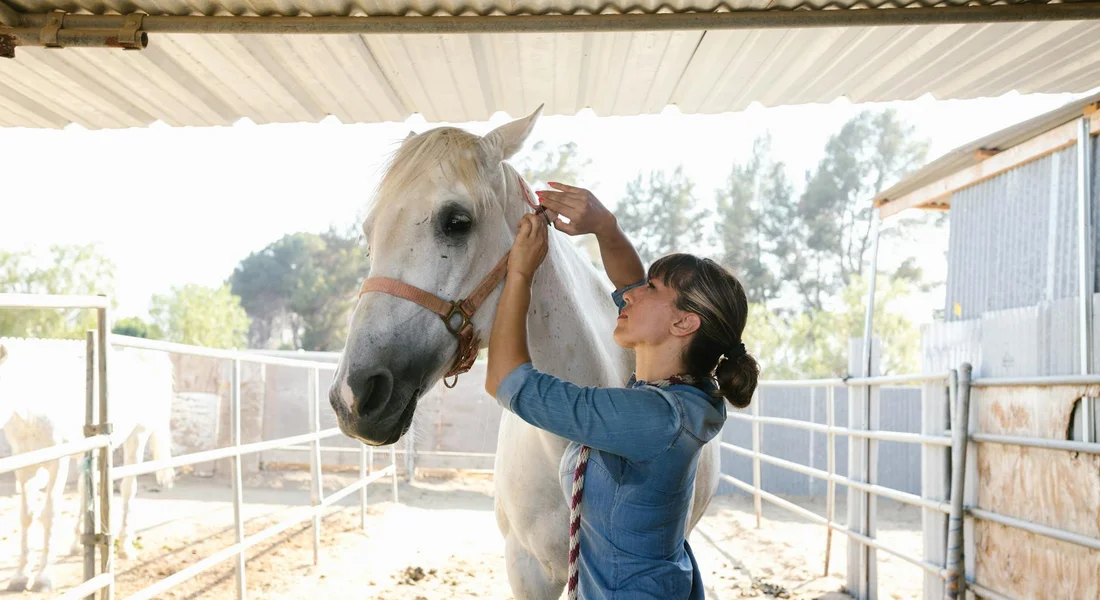
Think of this kit as your first-aid pack for preventative care. Getting it wrong can mean a scared horse or a nasty kick, so let’s set you up for success from the start. Your primary goal is to complete the task without startling your horse or causing yourself injury, which always starts with deliberate preparation. For calm, confident handling, refer to the handle horse safely beginners guide as you practice. It translates these precautions into practical, beginner-friendly steps.
Essential Tools and Supplies
You don’t need fancy gear, but you do need the right gear. Assemble these items before you call your horse in from the pasture.
- Disposable Gloves: Nitrile or latex gloves protect your hands and simplify cleanup. I go through boxes of these.
- Warm Water Bucket: Use water that feels lukewarm on your wrist. Cold water makes tissues contract, complicating everything.
- Gentle Cleaner: A pH-balanced equine sheath wash or a drop of unscented baby soap in a gallon of water.
- Soft, Clean Cloths: Old cotton towels or T-shirt rags are perfect. Have several on hand.
- Lubricant: Plain mineral oil or a veterinary water-based lube for safe bean removal.
- Dedicated Drying Towel: A separate, absorbent towel for the final dry step.
Lay everything out on a tack trunk or stool so you’re not turning your back to reach for something mid-process.
Choosing Your Cleaning Solutions
The market offers specific sheath cleaners that dissolve smegma effectively. They’re a reliable choice. For a routine clean, sometimes plain warm water is sufficient. If you dilute baby soap, make it a tiny amount-think one teaspoon per bucket. Avoid dish soaps, human shampoos, or anything labeled “antiseptic,” as these can severely dry out the sensitive mucosal tissue. For maintenance between full cleans, I keep a tub of equine hygiene wipes near Luna’s stall for a quick pass after a sweaty ride.
The Non-Negotiables: Calm Handling and Restraint Methods
Your physical setup is meaningless without psychological safety. Always work in a familiar, enclosed space like a quiet stall or a grooming bay with non-slip flooring. Secure your horse in well-fitted cross-ties or have a steady helper hold a lead rope. If your horse is tense, skip tying altogether and work in a large stall where they can shift but not leave. Forcing a horse through this process will teach them to dread it, making every future attempt harder. Building a strong bond and trust with your horse is the foundation of true cooperation. When trust is established, handling becomes easier and safer for both of you. I built trust with Luna by integrating sheath touches into her daily grooming for weeks before a full clean. Now, she rests a hind leg and dozes, a far cry from the wide-eyed mare who used to tremble at a raised hand.
The Step-by-Step Cleaning Technique: A Gentle Process
Follow these steps in order. Rushing stresses the horse and risks missing a crucial spot. Breathe, go slow, and keep your motions predictable. These basics help you jump horse properly. They also prep you for the next steps.
Step 1: Prepare Your Workspace and Horse
Choose a spot with good light and no sudden noises. Place your bucket, supplies, and a second bucket of clean rinse water within easy reach. Secure your horse in cross-ties, ensuring the lead ropes are safe and have a quick-release mechanism. Spend a few minutes grooming his neck and withers to shift his mind into a relaxed, cared-for state before you begin.
Step 2: Initial Approach and Assessment
With gloves on, drape your hand over the horse’s belly near the flank, then slide it slowly back toward the sheath. Apply light, steady pressure. This mimics how horses groom each other. As you cup the sheath, feel for unusual heat, hard lumps, or puffiness. If the horse flinches excessively, pins his ears, or swishes his tail violently, pause and reconsider your timing or restraint-this is a conversation, not a confrontation. Regular, respectful grooming touch can deepen your connection with your horse by building trust. Pairing touch with calm handling helps you read their signals more clearly.
Step 3: Cleaning the Sheath and Removing Beans
Wring out a soapy cloth until it’s damp, not dripping. Gently lift the sheath’s folds and wipe inward to outward, discarding each cloth after a few passes. If the penis descends, cradle it loosely in your palm and clean the shaft with a fresh cloth. Apply no more pressure than you would when washing your own eyelid, as the skin here is just as delicate.
How to Safely Find and Remove Beans
The bean forms in a tiny pocket at the end of the penis called the urethral diverticulum. With a lubricated gloved finger, gently feel at the very tip for a small, firm mass. Massage the area with the mineral oil for a minute-don’t grab. The bean should soften and emerge. If it doesn’t dislodge easily, leave it for your vet; aggressive removal can cause bleeding and a lasting aversion. I once found a pea-sized bean in steady Rusty; a gentle swirl of oil had it out in seconds, and he nuzzled my shoulder after.
Step 4: The Thorough Rinse and Dry
Residue is the enemy. Use a cloth soaked in clean, warm water to wipe every area you soaped. Rinse your cloth often, repeating until no suds remain. Then, pat the entire region dry with a clean, soft towel. Damp folds chafe and breed bacteria, so take your time here-a fully dry sheath is the mark of a job well done. I always finish by letting Pipin sniff the empty bucket, his signal that the odd intrusion is over and treat time has begun.
After the Clean: Routine Maintenance and Tips

Think of sheath care like picking feet or checking for ticks-a normal part of your grooming checklist. Integrating a quick visual check into your daily routine catches minor buildup before it becomes a major discomfort for your horse. Seasonal changes matter; horses on summer pasture often collect more sweat and grit, warranting a more frequent glance. Winter grooming has its own focus—coat protection and blanket checks. Understanding winter vs summer grooming differences helps tailor tips for both seasons. I make it a point during evening grooming, right after I check for scratches and before I throw their evening hay.
How Often Should You Clean?
A thorough clean once or twice a year suits many geldings. Frequency truly depends on your horse’s age, breed, and how much time they spend rolling in the dirt. An essential daily grooming routine helps keep a healthy horse between deeper cleans. It also makes you more aware of any early signs of skin or coat issues. My quarter horse, Rusty, needs a diligent clean each spring and fall as he’s less active now. Our Shetland pony, Pippin, demands a check every few months thanks to his dusty paddock escapades. Stallions often have less smegma, but always let your horse’s individual needs guide you.
Pro Tips from the Barn Manager
- Always wear disposable latex or nitrile gloves. They spare your hands from the grime and make washing up afterward a one-step process.
- After rinsing and drying, dab a tiny bit of pure mineral oil on your fingertip and gently apply it inside the sheath. This soothes the skin and prevents sticky re-accumulation.
- End every session, even a simple check, with a high-value treat. This builds a positive association and keeps your horse willing for next time.
- If you’re ever unsure about what you’re feeling, ask your vet or a trusted trainer for a demonstration. Watching a pro once is worth a dozen articles.
When Cleaning Isn’t Enough: Seeking Veterinary Care
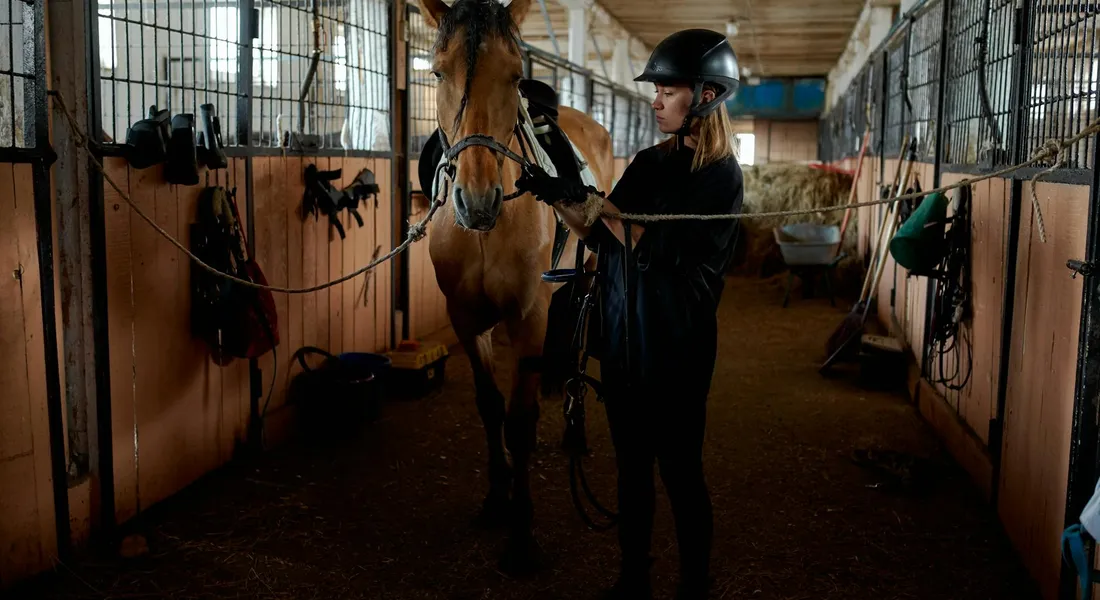
Your gentle care at home has its boundaries. Stop immediately and contact your veterinarian if your horse tenses, swishes its tail violently, or shows any obvious pain during your attempt. This isn’t a training issue; it’s a sign of potential infection, injury, or a condition like a bean that’s too large to remove safely. Some groomers offer professional sheath cleaning, but for any health concern, your vet is your best ally.
Identifying Complications Needing First Aid or a Vet
- Persistent swelling or noticeable heat in the sheath area that remains after cleaning.
- Any sign of bleeding or a foul-smelling, pus-like discharge.
- Your horse physically cannot or will not drop his penis, even when relaxed and in a familiar setting.
- A veterinarian can provide sedation for a pain-free examination, correctly diagnose the issue, and prescribe any necessary medications.
FAQ: How to Clean a Horse’s Sheath
What are horse sheath cleaning services and when should I use them?
Horse sheath cleaning services are offered by equine veterinarians or professional groomers for a thorough, safe clean. They are ideal if your horse is difficult to handle, has medical concerns, or if you lack experience. Using these services ensures proper bean removal and infection prevention without stressing your horse.
How much does professional horse sheath cleaning cost?
Professional sheath cleaning costs vary based on location, the provider’s expertise, and whether sedation is needed. Typically, prices range from $50 to $150 per session, with vets often charging more for comprehensive care. Always ask for an estimate upfront to budget for this routine health maintenance.
What products are best for horse sheath cleaning?
Opt for pH-balanced equine sheath washes or a mild, unscented baby soap diluted in warm water. Pre-moistened hygiene wipes designed for horses are excellent for quick touch-ups between deep cleans. Avoid harsh soaps or antiseptics, as they can disrupt the natural flora and cause irritation, especially in sensitive areas.
Final Thoughts from the Stall
Keeping a gelding’s sheath clean prevents painful buildup and supports overall health. Your priority is always the horse’s comfort: use warm water, a mild cleaner, and stop immediately if you meet resistance.
This task is a perfect example of quiet, attentive stewardship. Your horse’s patience and your calm, observant hands turn a simple chore into an act of trust.
Further Reading & Sources
- Horse sheath cleaning – Wikipedia
- The Down and Dirty on Horse Sheath Cleaning – SmartPak
- r/Equestrian on Reddit: To clean or not to clean: sheaths
- Sheath cleaning – Doing it yourself VS Getting the Vet to do it | The Horse Forum
At Horse and Hay, we are passionate about providing expert guidance on all aspects of horse care, from nutrition to wellness. Our team of equine specialists and veterinarians offer trusted advice on the best foods, supplements, and practices to keep your horse healthy and thriving. Whether you're a seasoned rider or new to equine care, we provide valuable insights into feeding, grooming, and overall well-being to ensure your horse lives its happiest, healthiest life.
Basic Grooming Techniques