
How to Create a Grazing Muzzle Acclimation Plan Your Horse Won’t Hate
Hello fellow equestrians. That vet conversation about weight management or laminitis risks often leads to one dreaded tool: the grazing muzzle. You worry it will turn your horse’s peaceful pasture time into a frustrating battle of head-tossing and fence-rubbing.
Take heart. A good plan can make this necessary step feel gentle. In this article, I’ll share a methodical approach that covers selecting a muzzle design that suits your horse’s personality and conformation, a slow, step-by-step introduction using positive reinforcement, and daily fit checks and management tweaks to keep your horse comfortable and grazing safely.
I’ve managed this process with everything from steady eddies like Rusty to clever ponies like Pipin, and that barn-floor experience is what makes a plan stick.
The True Purpose of a Grazing Muzzle
Let’s clear the air right now: a grazing muzzle is not a punishment. It’s a lifeline. I view it as a critical tool for equine welfare, much like a measured diet plan for a human who needs to manage their health. Its sole job is to slow intake, allowing a horse to enjoy the mental and physical benefits of turnout without consuming enough grass to trigger a health crisis. The sound of contented chewing and the sight of a horse wandering his field are what we’re protecting.
We use them for two overarching reasons: metabolic health and pasture management. For horses like my sensitive Thoroughbred, Luna, a lush spring pasture is a literal minefield. Her system can’t handle the sugars, and without a muzzle, she’s at high risk for laminitis. For easy keepers like good old Rusty, it’s about weight control to avoid stressing his joints and metabolic systems. Proper pasture management is essential in these cases.
Think of it this way: the muzzle turns a fast-food buffet into a series of small, slow snacks. A well-designed muzzle permits nibbling and drinking but prevents gulping, mimicking a more natural, slow-feeding pattern that their digestive systems evolved for. The goal is never starvation; it’s thoughtful consumption.
Key Reasons for Muzzle Use:
- Laminitis Prevention: For ponies, draft crosses, and insulin-resistant horses, limiting sugary grass intake is non-negotiable.
- Weight Management: Helps portly ponies and easy keepers shed pounds or maintain a healthy weight without complete pasture deprivation.
- Slow Feeding Promotion: Encourages movement and foraging behavior over stationary gorging, which is better for mind and gut.
- Pasture Sustainability: Allows for safer turnout on fresh grass or in smaller paddocks without the risk of overgrazing or overeating.
Fitting for Comfort: Avoiding Rubs and Risks
A poorly fitted muzzle is a torture device. A well-fitted one is barely noticed. The difference comes down to meticulous adjustment and daily observation. I’ve spent more time than I care to admit adjusting straps on a wiggly Pipin, learning where every potential hot spot lies.
The golden rule: you should be able to comfortably slide two fingers flat between the muzzle and your horse’s face at any point, especially under the jaw and along the cheekbones. This space prevents pressure rubs and allows for normal jaw movement and breathing.
Step-by-Step Fitting Checklist:
- Measure the Nose: Use a soft tape measure. You need the circumference of the nose just below the cheekbones and the length from the top of the nostril to about an inch below the mouth.
- Initial Buckling: Secure the muzzle so it sits level. The bottom edge should sit well below the mouth, allowing full movement of the lips and jaw. The headstall should sit behind the ears without pinching.
- The Snug Test: Check for side-to-side or up-and-down slippage. It should be stable during head shaking but not tight. Listen for any change in breathing sounds.
- The Finger Fit: Perform the two-finger test everywhere. Pay special attention to the bony part of the jaw and the sensitive skin around the nostrils.
- The Grazing Trial: Observe your horse for five minutes. Can they comfortably take grass and drink water? If not, readjust.
Critical Safety Signs to Monitor Daily:
- Chafing or Hair Loss: Red skin or rubbed-off hair, especially on the bridge of the nose or behind the ears, means immediate adjustment is needed.
- Restricted Breathing: Any audible whistling or labored breathing means the muzzle is too tight or positioned incorrectly.
- Fussiness or Panic: While some initial protest is normal, sustained panic or refusal to move often indicates a fit or comfort issue, not just annoyance.
Inspect the muzzle itself each day for signs of wear, like sharp edges on the plastic basket or fraying straps, that could injure your horse before you even put it on. Comfort is the cornerstone of any successful acclimation plan.
A Slow and Steady Acclimation Process
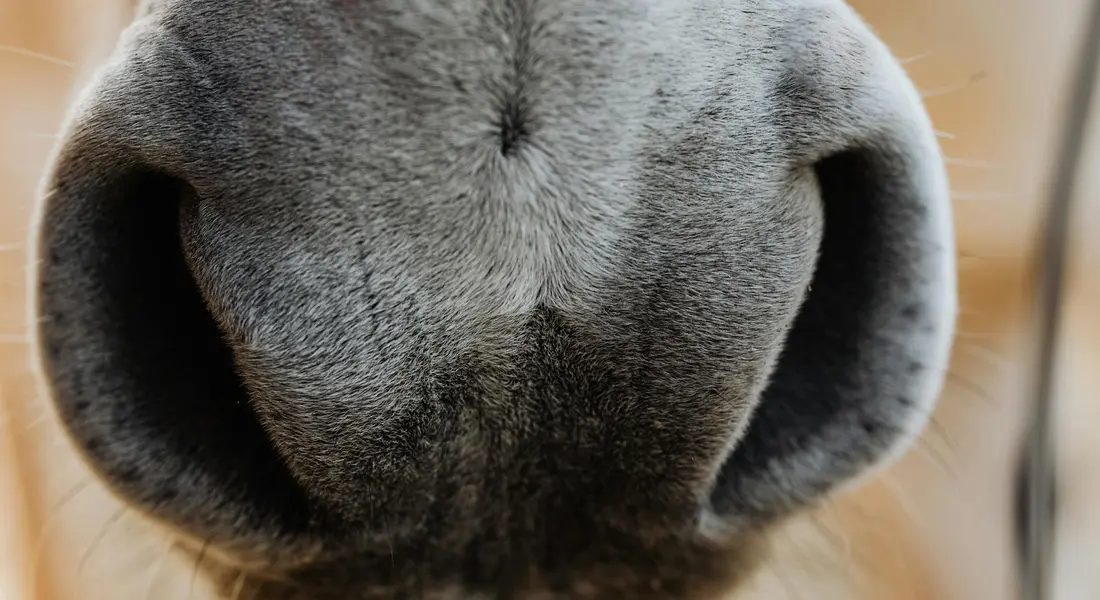
Rushing a horse into a grazing muzzle is a sure way to start a pasture protest. I learned this the hard way with Luna, my sensitive Thoroughbred, who once deposited a neatly chewed muzzle in the water trough after a too-quick introduction. Take your time over a week or more, letting your horse set the pace for each new experience with the muzzle. This gradual approach builds trust instead of frustration.
Step 1: Let Them Investigate the Muzzle
Before anything touches your horse, let it become a familiar object. Hang the muzzle on the stall door or place it near their hay rack. Allow your horse to sniff, nudge, and even play with the muzzle without any pressure to wear it. I always rub a few apple pieces on the noseband for Rusty; his curiosity overrides any suspicion when treats are involved. This step removes the mystery and fear from the new gear, making it part of a safe and enriching environment for your horse.
Step 2: Short Wear Sessions in a Safe Space
Once curiosity wins, fasten the muzzle loosely in their stall or a small paddock for just five to ten minutes. Stay with your horse during this first wear, watching for calm breathing and a relaxed stance. Pipin, my Shetland, used to stand stock-still like a statue, but after a few sessions, he’d start shifting his weight and looking for hay. If they panic, remove the muzzle immediately and go back to Step 1.
Step 3: Introduce Food with the Muzzle On
Now, make the muzzle mean good things. Offer a handful of their regular hay or a low-sugar treat like chopped carrot through the grazing hole. Use long-stemmed hay or hay flakes to encourage them to figure out the new eating mechanics. Avoid lush, wet grass at first; it can clog the holes and cause frustration. Luna took to it faster when I used her favorite orchard hay, the sweet smell holding her attention.
Step 4: Gradually Increase Wear Time
After they eat comfortably, extend the session. Add 15 to 30 minutes each day, but only if your horse remains relaxed. Watch for signs of acceptance like chewing contentedly or ignoring the muzzle altogether before you add more time. If you see head tossing, excessive rubbing, or pacing, scale back. Rusty’s rule was simple: no calm chewing, no extra minutes. These cues are a key part of building the perfect horse feeding schedule daily routine guide. Used consistently, they help create a calm, predictable day for your horse.
Step 5: Transition to Pasture Use
The final test is turnout. For the first pastured session, keep it short, maybe 30 minutes, and supervise. Ensure water is accessible and that the muzzle is secure but not tight, checking for rubs at the cheekbones and poll. I always do this on a cool morning when the grass isn’t too rich, reducing the temptation to gorge. Shelter from sun or rain helps them feel at ease while they adjust to grazing through that small hole.
Reading the Signs: Is Your Horse Comfortable?
Your horse talks with their body, not words. Learning to read their silent language tells you if the muzzle is a minor inconvenience or a major stressor. Pay attention to the details: the flick of an ear, the rhythm of their breath, the way they move their lips. These cues guide every adjustment you make. Reading these signs helps you tell if your horse is happy. Understanding their body language is the key to a calm, confident partnership.
Signs of Acceptance
When your horse is okay with the muzzle, you will see a return to their normal self. Look for relaxed body language that says they have accepted this new routine.
- Ears that swing loosely or point forward with interest, not pinned back.
- A soft, blinking eye and relaxed muscles around the jaw and neck.
- Normal eating and drinking patterns, with that familiar crunch and swallow sound.
- Walking calmly to graze, not rushing or frantic head lowering.
Signs of Stress or Discomfort
These behaviors mean stop and reassess your plan. Stress signals are a clear request for help, not stubbornness.
- Violent head tossing or repeatedly slamming the muzzle on the ground.
- Excessive rubbing on fences, trees, or their own legs, trying to dislodge it.
- A fixed, worried expression with wide eyes and flared nostrils.
- Pacing the fence line or standing isolated from the herd.
- Refusing to eat or drink, even when familiar food is offered.
Solving Common Acclimation Hurdles
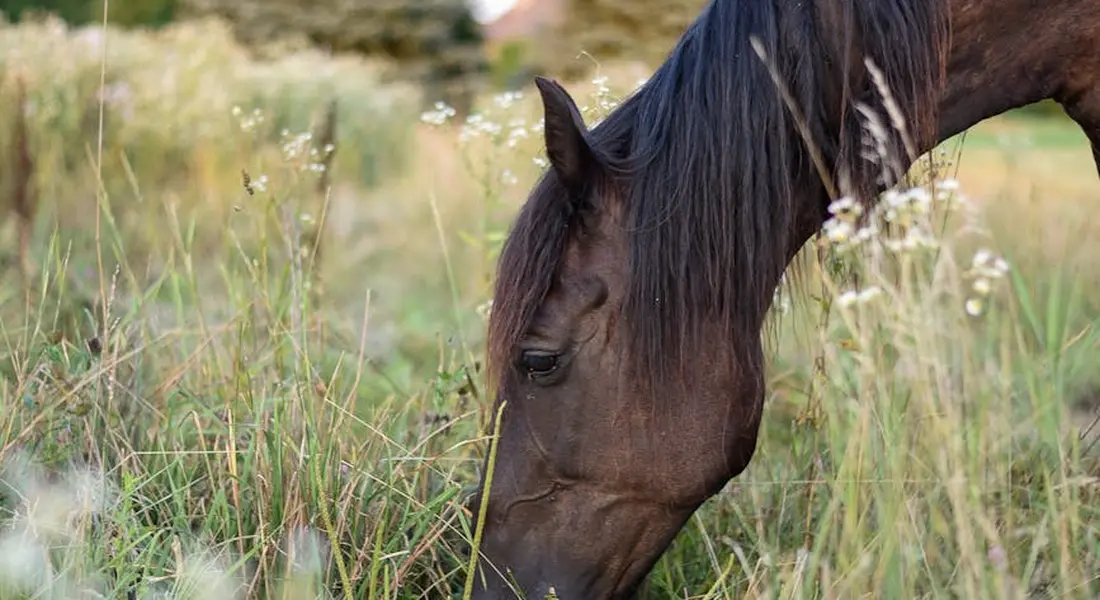
Even with the best plan, you might hit a snag. I’ve seen it all-the head toss, the frantic rubbing on the fence, the standoffish glare. Luna, my sensitive Thoroughbred, once spent a full hour pacing the fence line, convinced the muzzle was a predator. The key is to view resistance as communication, not defiance, and adjust your approach accordingly. Your horse is telling you something isn’t right, either with the fit or their comfort level.
When Your Horse Says “No Thanks”
Resistance often comes from confusion or discomfort. If your horse refuses to move or tries to remove the muzzle, backtrack immediately. Go back to the previous step where they were comfortable, even if it’s just holding the muzzle near their nose for treats. Rushing through steps creates anxiety, while patience builds a positive association that lasts. For my cheeky pony Pipin, we had to revisit the “target and treat” game three times before he decided the muzzle wasn’t a trap for his beloved snacks.
- For Rubbing: Check the fit first. Is it too tight behind the jaw? Are the straps lying flat? A dab of anti-chafe balm where the straps sit can prevent hot spots. If rubbing persists, a different style or brand might be needed-some horses need a fuller face guard.
- For Panic: This is your cue to stop. Panic is a safety risk. Return to a familiar, enclosed space like a stall or small pen. Re-introduce the muzzle slowly with high-value rewards, and only for minutes at a time. Never leave a panicking horse unattended with a muzzle on; the goal is calm acceptance, not forced tolerance.
- For Simply Standing Still: This is common! They’re processing. As long as they’re calm, let them be. Often, they’ll take a tentative bite of grass and realize it still works, which is a major win.
Knowing When to Call the Vet
Most issues are training or fit-related, but some signs need professional eyes. Seek veterinary guidance if you notice persistent rubs that break the skin, sudden behavioral changes like depression, or any signs of colic during the acclimation period. A sudden loss of appetite beyond initial skepticism can also signal a problem. Your vet can rule out pain issues and help you tailor a plan that keeps your horse’s whole well-being in mind.
Nutrition Management During Muzzle Training
Putting a muzzle on isn’t about starvation-it’s about creating a balanced diet that mimics natural, slow grazing. A horse like Rusty, who lives for lush grass, can still get all his needed roughage without the founder risk. The muzzle is a tool for moderation, allowing safe turnout time which is non-negotiable for mental and physical health. You must manage what goes in, not just what stays out.
Forage Intake and Supplemental Feeding
Your horse will eat less pasture grass, so you must compensate with other forage. Provide free-choice, low-sugar hay in a slow-feeder net when they are muzzled or brought in. This keeps their gut moving and prevents boredom. Good-quality hay is the cornerstone of nutrition during muzzle use; it ensures they meet that critical 1-2% of body weight in roughage daily. For easy keepers, this hay might be all they need. Actual daily hay needs vary, and a complete feeding guide helps tailor them to weight and workload. This keeps roughage on target without excess.
If your horse is a harder keeper, like some senior horses or those in work, you may need to add a concentrated feed. I give Luna a small, soaked meal of balanced pellets in her stall to ensure she gets vitamins and calories without the sugar spike. Always feed supplements in a separate, unmuzzled meal so you know they’re consumed fully and safely, especially for senior horses with special dietary needs.
The Digestive Power of Slow Feeding
This is the hidden benefit of muzzle training. By forcing slower consumption, you’re aiding their digestive system. Horses are designed to trickle-feed for up to 18 hours a day. A grazing muzzle turns a rich pasture into a slow-feeder, reducing the risk of gas colic and promoting healthier hindgut function. Different slow-feeding setups—like nets or ground feeding—can further influence bite size and digestion. Understanding which method best supports your horse’s digestion behavior can guide your overall feeding plan. It also stretches their mental engagement, reducing the likelihood of stall vices born from frustration.
- Monitor Weight Weekly: Use a weight tape and body condition score. Adjust hay supplementation up or down based on whether they are holding condition.
- Ensure Constant Water Access: Muzzled horses must drink easily. Check water levels frequently and use a bucket, not an automatic waterer they might struggle with at first.
- Pasture Management: Use muzzle time strategically. Rotate pastures if possible, and consider using the muzzle during the day when grass sugars are highest, allowing for unmuzzled turnout at night on sparse pasture.
I’ve found that a consistent routine-muzzle on for daytime turnout, followed by a long evening with hay-keeps horses like Rusty and Pipin content and physically sound. Their welfare is always the priority, and a well-managed muzzle plan supports that by giving them the gift of movement and companionship without the metabolic cost.
The Trainer’s Mindset: Patience and Positivity
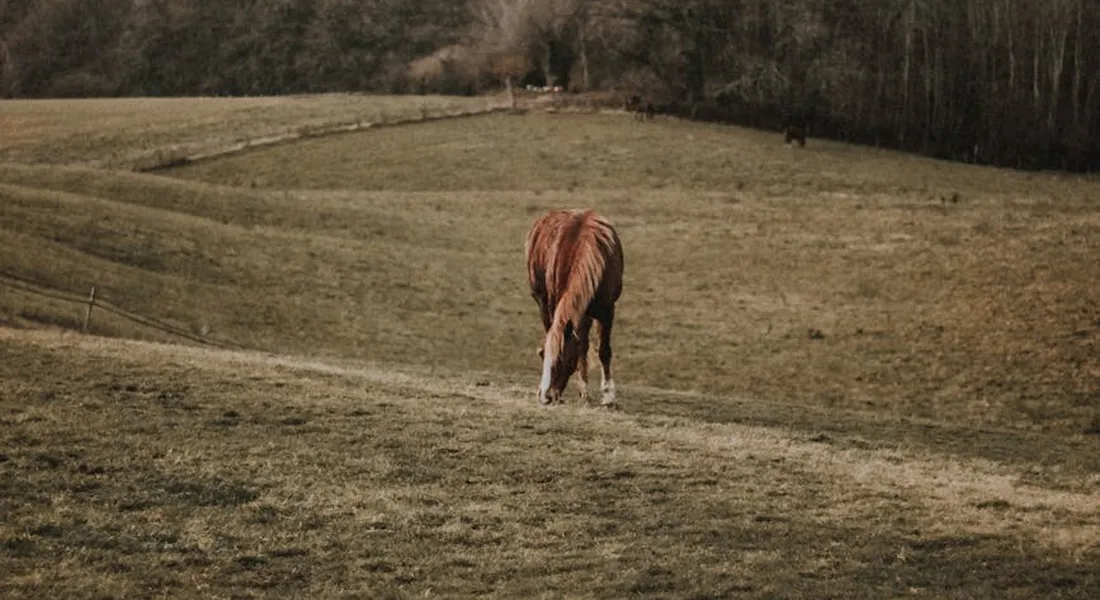
Your own frame of mind is the first piece of tack you need to check before starting. Horses mirror our energy, reading tension in our shoulders or hurry in our hands. Walk into the paddock with a deep breath and a quiet intention, not a timeline.
I remember my first attempt with Luna. I had ten minutes before a farrier appointment and tried to rush the introduction. Her eyes widened, she spun away, and my frustration boiled over. We both lost. The next morning, I spent thirty minutes just sitting on a bucket near her, letting her graze while the muzzle sat in the grass nearby. That investment in calm, passive presence did more for our progress than any forced interaction ever could.
Consistency builds trust more than any single grand gesture. Plan for brief, daily sessions that always end before either of you gets upset. Five minutes of positive curiosity is worth more than an hour of stubborn persuasion.
Positive reinforcement means celebrating the smallest victories. With Pipin, the food-obsessed pony, I used tiny apple bits. The moment he nudged the muzzle with his nose, he got a reward. You are not bribing; you are having a clear conversation where “yes” sounds like a crinkle of the treat bag.
Break the process into digestible steps that respect your horse’s comfort zone. Here is the sequence I use with every new boarder:
- Place the muzzle in their feed tub for a few meals, letting them smell and play with it.
- Hold it while offering a high-value treat through the grazing hole, letting them lick it.
- Gently cup the basket on their muzzle for three seconds, then immediately remove it and praise.
- Buckle the strap loosely around their halter for a short stall session with extra hay.
- Fit the full muzzle for five minutes of supervised turnout in a small, familiar space.
Adjust your pace to the individual horse in front of you. Steady Rusty wore his muzzle calmly on day two. Luna required a full week of just step three before she stopped flinching. The goal is a relaxed horse, not a checked-off list.
This mindset is the core of gentle horsemanship. It turns a necessary management tool into a neutral part of their routine, protecting their peace during vital turnout time. Your patience safeguards their welfare, ensuring their mind stays as healthy as their body.
Frequently Asked Questions About the Grazing Muzzle Acclimation Plan
What is the primary goal of using a grazing muzzle?
The main objective is to safely limit and slow grass intake during turnout to prevent health risks like laminitis and excessive weight gain. For horses with Cushing’s (PPID) or a history of laminitis, this may also require special diet considerations and controlled grass access. It enables horses to enjoy pasture time for mental and physical well-being without overconsumption. A tailored plan helps balance turnout benefits with metabolic health and laminitis risk. Ultimately, it supports a natural, slow-feeding pattern that benefits digestive health and overall equine welfare.
How long should the initial introduction to the muzzle be?
Begin with brief, supervised sessions of only five to ten minutes in a secure, familiar space such as a stall or small paddock. This short duration minimizes stress and allows the horse to adjust calmly to the new equipment. Always end the session positively and remove the muzzle if any signs of distress or discomfort emerge.
What are the signs that a horse is comfortable wearing the muzzle?
Look for relaxed behaviors like soft, blinking eyes, ears that move freely, and a calm, steady posture while standing or grazing. The horse will eat and drink normally, demonstrating they have mastered consuming forage through the muzzle. Additionally, they will move about the pasture or pen without fuss, showing the muzzle is integrated into their routine without anxiety. This indicates a level of understanding and comfort in their environment, which is a key aspect when assessing horse behavior and psychology.
Final Thoughts from the Stable
Build success with short, supervised sessions full of praise and your horse’s favorite treats to create a positive link. The single most critical factor is a gradual increase in wearing time over several days, avoiding any pressure that could seed long-term resentment.
This process is a partnership where your quiet observation matters more than the clock. Your horse’s relaxed ears and steady chewing will tell you when you’ve gotten it right.
Further Reading & Sources
- The Ultimate Guide to the Miniature Horse Grazing Muzzle – Equiniction
- Horse Grazing Muzzle FAQs – The Horse
- r/Equestrian on Reddit: Grazing muzzle: how to get a horse used to them??
- Does my equine need to wear a grazing muzzle? | Iowa State University Extension and Outreach Equine Science
At Horse and Hay, we are passionate about providing expert guidance on all aspects of horse care, from nutrition to wellness. Our team of equine specialists and veterinarians offer trusted advice on the best foods, supplements, and practices to keep your horse healthy and thriving. Whether you're a seasoned rider or new to equine care, we provide valuable insights into feeding, grooming, and overall well-being to ensure your horse lives its happiest, healthiest life.
Behavior