
Equine Estate Planning: How to Secure Your Horse’s Future and Inheritance
Hello fellow horse owners. That quiet fear about who will care for your horse if you’re not there-it’s a worry that visits every dedicated equestrian in the still moments at the barn. It’s not just about money or property; it’s about the well-being of a sensitive creature who depends entirely on you.
Let’s turn that worry into a plan. This guide will cover the practical steps to create a solid, enforceable strategy for your equine partner, focusing on:
- Key legal tools beyond a basic will
- Selecting and preparing a responsible guardian
- Building a financial plan for lifelong care
- Having the crucial conversation with your family
Having managed barns for years, I’ve seen the peace that comes with a clear plan and the heartache that follows when there isn’t one.
Why Ignoring Equine Estate Planning is a Risk to Your Horse
Think of the last time you had to leave the barn unexpectedly. Maybe a family emergency pulled you away for a week. You scrambled, called in every favor, and left pages of notes for the caretaker. Now, imagine that scenario is permanent. Without a legal plan, your horse’s future is left to chance, well-meaning guesses, and potentially devastating court decisions. The barn falls silent, but the bills do not.
I’ve seen the aftermath of poor planning. A lovely older gelding, much like my Rusty, ended up in a series of uncertain foster homes because his owner’s will was vague. Each move spiked his anxiety. Horses are creatures of profound routine; their world is the familiar stall, the known paddock buddy, the predictable feed time. An unplanned transition is more than an inconvenience-it’s a legitimate welfare crisis that can trigger ulcers, weight loss, and behavioral issues.
Beyond emotional trauma, there are brutal financial realities. Board, farrier, and vet care cost thousands annually. Who assumes that burden? Without clear instructions and funding, your beloved horse could become a financial hot potato passed among reluctant heirs. In the worst cases, horses are quickly sold at auction to settle an estate, facing an unknown and often grim fate. Planning isn’t about doom; it’s about love. It’s the final, responsible act of care we owe them.
The Foundational Steps to Build Your Equine Estate Plan
Building your plan feels less overwhelming when you break it into concrete steps. Start with a clipboard and a cup of coffee in the tack room. This isn’t about legalese yet-it’s about getting your own mind organized around what you have and what you want.
Step 1: Take a Full Inventory of Your Equine Assets
You can’t plan for what you haven’t counted. This goes far beyond just your horses’ names. Grab a notebook and walk your physical and financial barn.
- The Horses: For each one, note registered name, barn name, age, microchip or brand number, and a clear, recent photo. Document any chronic health issues (like Luna’s sensitive stomach) or maintenance needs (like Rusty’s joint supplements).
- Tangible Assets: List all tack, specifying high-value items like custom saddles. Inventory trailers, equipment, and even that lifetime supply of blankets. A simple spreadsheet works.
- Financial Elements: Document monthly costs for each horse. List any insurance policies, burial contracts, or equine-related accounts. This snapshot reveals the true cost of their future care.
- Property & Agreements: Do you own the barn or land? Are there boarding agreements or leases? These must be addressed to ensure stable housing continues.
This inventory becomes the master document that informs every other decision, saving your heirs from painful guesswork during a difficult time. Update it yearly, just after spring shots or fall hoof trims.
Step 2: Define Clear Goals for Each Horse’s Future
This is the heart of the plan. One size does not fit all. A retired pasture pet like Pipin (the pet horse) has different needs than a competition prospect. For each horse, ask yourself these questions:
- What is the primary goal? (Lifetime care, sale to a pre-approved home, humane euthanasia?)
- Who, specifically, has the skill, space, and desire to provide daily care? Have you spoken with them?
- What funding source will cover their expenses? Life insurance proceeds, a trust fund, or sale proceeds?
Be ruthlessly realistic about each horse’s marketability and needs-sentiment can cloud judgment here. Your 25-year-old companion is a financial liability, not an asset, and planning must account for that. For a horse like Luna, you might specify a trainer experienced with thoroughbreds. For Rusty, you could request he remains a trail horse. Detail matters. This clarity is your voice, speaking for them when you no longer can.
Essential Legal Tools: Wills, Trusts, and Transfer Documents
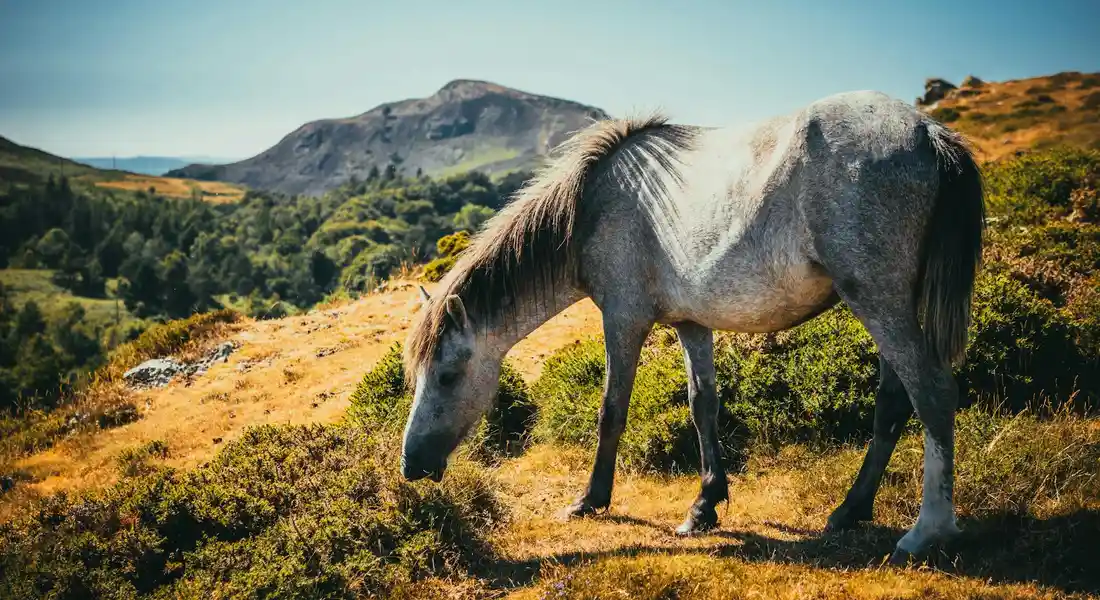
Over my years at the barn, I’ve held the lead rope for horses whose owners passed suddenly, leaving their care to confused family members. Without clear instructions, even well-meaning people can make hasty decisions. A simple will that mentions your horse is the bare minimum, but it often lacks the specificity needed for their daily care and long-term welfare. Transfer documents, like bills of sale or donation forms, should be updated and stored with your will to avoid ownership disputes.
When an Equine Trust is Your Best Bet
Think of a trust as a dedicated caregiver in legal form. It holds funds exclusively for your horse’s needs and appoints a trustee to manage them. This isn’t just for fancy show horses; it’s for any animal with ongoing requirements. An equine trust becomes your best bet when your horse has chronic conditions, advanced age, or needs a very specific management style that a general heir might not grasp. I set one up for Luna, my sensitive Thoroughbred, because her diet and exercise regimen are so precise.
Consider a trust in these situations:
- Your chosen guardian is financially unable to support the horse alone.
- Your horse requires specialized veterinary care, like maintenance for arthritis or metabolic issues.
- You want to guarantee turnout access or a particular training philosophy continues.
- No immediate family member is horse-savvy, and you need a buffer period for rehoming.
The Role of a “Petition” or Letter of Wishes
This document is your voice from beyond the feed room. While not always legally binding like a trust, it guides your executor and the future guardian. A detailed letter of wishes translates your legal plans into the language of daily care-the routines, quirks, and comforts that make your horse feel secure. I wrote one for Pipin, detailing his favorite hiding spots for escape attempts and the specific gate latch he knows how to undo.
Your letter should include:
- Daily routine: Feeding times, hay types, turnout schedule.
- Health history: Vet and farrier contacts, vaccination dates, any allergies.
- Behavioral notes: What spooks them, how they like to be groomed, any vices.
- End-of-life care preferences: Your guidelines for making that difficult decision.
Choosing and Preparing Your Horse’s Future Guardian
This is more than picking a name; it’s a conversation. The right guardian understands that a horse is not an asset but a living being with habits built over years. Start by observing who your horse trusts-watch for the relaxed sigh when someone they know enters the stall, not just who brings the shiniest apples. I knew Rusty’s trail-riding buddy was a perfect candidate because he already knew the old gelding’s puddle phobia.
Use this checklist to evaluate a potential guardian:
- Practical Ability: Do they have space, time, and foundational horse knowledge?
- Financial Stability: Can they handle unexpected vet bills, or will they rely on provided funds?
- Philosophical Alignment: Do they believe in gentle horsemanship and ample turnout?
- Willingness: Have they formally agreed, understanding it’s a long-term commitment?
Once chosen, preparation is key. Introduce them to your horse’s life gradually. Have them handle a farrier visit, learn the feeding routine, and manage a minor ailment. This hands-on transition period is the best gift you can give both your horse and their new human, turning a legal arrangement into a real relationship. The goal is for the first day under new care to feel like just another sunny afternoon in the paddock. Proper care means treating the horse as a long-term partner, with a consistent routine and ongoing welfare checks. These early steps set you up to properly care for and raise a horse as a cherished pet.
Funding the Future: Practical Ways to Pay for Care
Let’s talk money. The creak of the hayloft door and the steady crunch of grain are daily reminders that care costs add up. Your horse’s security needs a plan tougher than old leather.
From my barn ledger, here are the most practical paths I’ve seen work for owners like you.
- Equine Trust: This legal document appoints a trustee to manage funds specifically for your horse. I helped set one up for a senior gelding like Rusty, ensuring his golden years are full of gentle turnout and glucosamine.
- Life Insurance Policy: Name your chosen caregiver as a beneficiary. The payout becomes a direct, no-fuss fund for ongoing costs, from Luna’s chiropractic sessions to Pipin’s farrier visits.
- Designated “Hay” Savings Account: Simple, but powerful. Set up automatic monthly transfers. Watching Pipin hoard apples taught me that small, consistent stashes grow into security.
- Pre-Paid Board Contract: Secure a spot and fund care upfront with a reputable retirement farm. Visit, listen to the quiet munching in the fields, and breathe easier.
The best choice blends your financial reality with your horse’s unique personality-high-maintenance Luna requires a different strategy than easy-going Rusty.
Calculating a Realistic Care Fund
Time for pencil and paper. I calculate costs while watching the herd graze, because theory needs the context of reality.
Start with today’s annual expenses for one horse. Be ruthlessly detailed.
- Board or Pasture Maintenance: Include routine fence repair and manure removal. ($4,000 – $8,000)
- Hay and Supplemental Feed: Premium forage for sensitive digestions or easy-keepers. ($1,800 – $3,500)
- Preventative Vet & Farrier: Vaccines, dental float, and trims every 6-8 weeks. ($1,200 – $2,000)
- Emergency Medical Fund: Aim for $10,000 minimum. Colic doesn’t send a bill in advance.
- Paddock Toys & Routine Supplements: Even boredom busters for clever minds like Pipin’s have a price.
Multiply your annual total by 15-20 years. For a young horse, a realistic fund often stares down six figures.
I walk owners through this math in the tack room. The smell of oiled leather underscores that we’re planning for a living, breathing legacy.
Navigating Taxes and Smooth Ownership Transfer
Paperwork might seem dull, but it’s the quiet gate latch that prevents a chaotic stampede later.
Horses are personal property, so a clear transfer plan keeps them out of lengthy probate.
Follow these steps for a seamless handover.
- Draft a Comprehensive Care Directive. Document daily routines, turnout schedules, and quirks. Note that Luna hates tight trails or that Rusty needs his rain sheet.
- Formalize the Transfer with a Bill of Sale or Gift Letter. Use a nominal fee like $1. Make it legal, date it, and get it notarized.
- Explore an LLC for Multiple Horses. This can streamline management and offer potential tax advantages during transfer.
State gift or inheritance taxes can quietly shrink a care fund. An attorney who knows horses is worth their weight in oats.
The goal is a transition so smooth that the horse, like old Rusty meeting his new person, just sighs and accepts a peppermint. No stress, just continuity.
Having “The Talk” with Family and Potential Beneficiaries
This conversation feels heavier than a wet saddle blanket, but it is the single most caring thing you can do for your horse. I learned this the hard way years ago when a dear friend at the barn fell ill. Her sensitive dapple grey, Luna, faced an uncertain future because we all just assumed someone would step up. Never assume your family understands the daily reality of mucking stalls, farrier costs, and Luna’s need for soft, patient handling. Start the talk over something familiar, like grooming or watching turnout.
Frame the discussion around your horse’s specific needs, not just a vague “will you take them?” Bring a notepad to the paddock and talk through a real day.
- Detail their routine: “Pipin gets his grain at 7 AM, but you must latched the gate twice or he’ll orchestrate a great escape.”
- Be brutally honest about expenses. List current costs for hay, vet, teeth, and hooves, then add 20% for emergencies.
- Define what “good care” means to you: daily turnout, a qualified farrier, and a commitment to gentle methods.
- Introduce them to your equine partners. Let them see Rusty’s steady patience or feel Luna’s nervous energy.
The goal is to find a partner, not just a placeholder, someone who sees your horse as a living legacy, not a burden. Share your horse’s quirks and joys to paint the full picture. I always show potential guardians how Rusty will nuzzle your pocket for treats but will plant his feet like a statue at the trail’s first puddle. Many wonder: do horses recognize love, and how do they perceive the bonds they share? Understanding equine bonds can reveal how they respond to trust and care.
What to Do If Your First-Choice Guardian Says No
Do not take it personally. Caring for a horse is a massive, emotional commitment. When my top pick for Pipin’s care declined, I swallowed my panic and got practical. These are common mistakes that break your horse’s trust—avoid them. Your horse’s security depends on your calm, logical next steps, not on your disappointment. Thank them for their honesty-it saves your horse from a bad situation later.
Immediately revisit your list of contacts. Look beyond immediate family.
- Contact trusted fellow boarders, riding instructors, or your veterinarian. They know your horse and the industry.
- Research reputable equine retirement facilities or breed-specific rescues. Visit them. Smell the hay, watch the herd dynamics.
- Review any financial plans. Can a larger legacy fund make care more appealing to another candidate?
- Formalize your new choice immediately with your lawyer. A plan in your head offers zero protection.
Having a “backup barn” list is as crucial as having a first-aid kit; it is not a failure, but a responsible layer of protection. I keep a shortlist of sanctuaries that align with my welfare values, places where I know the thud of hooves means happy play, not stress.
Common Mistakes That Can Unravel Your Equine Estate Plan
I have watched well-intentioned plans crumble because of simple, avoidable oversights. The fallout always lands on the horse. An out-of-date plan is just a heartfelt wish, and wishes do not fill water buckets or pay for colic surgery. Avoid these pitfalls to keep your plan solid.
- Vague Instructions: Saying “care for Luna” is meaningless. You must specify her need for a calm barn, daily lunging before riding, and a ban on harsh bits.
- Underfunding the Trust: The average cost of care is a starting point. Horses live long. Factor in rising hay prices and potential special needs like Luna’s sensitive stomach or Rusty’s aging joints.
- Forgetting the Tack and Equipment: Who gets your trailer, saddles, and that special blanket? Specify it. Disputes over “assets” can delay care.
- Not Planning for the Horse’s Death: Morbid, but necessary. Include burial or cremation wishes and funds. It prevents hasty, traumatic decisions during grief.
- Assuming a Guardian Will Stay Forever: Life changes. Your documents should outline a clear process for transferring guardianship if needed, without court drama.
Review your plan with the same yearly rhythm as spring vaccinations and fall deworming-it is non-negotiable maintenance for their future. I update mine every time a horse retires from work or a new barn buddy, like Pipin, teaches me a new trick about long-term care.
Frequently Asked Questions About Equine Estate Planning and Inheritance
What are the key steps in equine estate planning?
Begin by creating a detailed inventory of all equine assets, including each horse’s needs and associated costs. Next, define clear, realistic goals for each horse’s future, such as lifetime care or rehoming. Finally, formalize these plans with legal tools like wills or trusts to ensure they are enforceable and provide clear instructions. In the next steps, you can use a free template to create your first horse ownership budget and align costs with your goals. This budget tool will help you track ongoing expenses and plan for future needs.
How to choose a trustee or caretaker for horses?
Select a person who has proven horse knowledge, a genuine bond with your animal, and aligns with your care philosophy. Verify their practical ability, financial stability, and willingness to commit long-term through honest conversations. Prepare them by involving them in daily routines and formalize the role with legal documents like a trust or letter of wishes. Building a strong bond and trust with your horse should guide every step, from selection to daily care. When trust is present, the horse responds more readily to handling and training, and caregiving becomes more seamless.
How to fund the ongoing care of horses in an estate plan?
Set up a dedicated funding mechanism such as an equine trust or a life insurance policy designated for care expenses. Calculate a realistic amount by estimating annual costs for board, veterinary care, and emergencies, then projecting over the horse’s lifespan. Ensure the funds are legally structured to be accessible only for the horse’s needs and managed by a responsible trustee. When you plan your horse’s end life care, include costs for hospice or euthanasia if needed. A proactive approach keeps future expenses predictable and focused on the horse’s welfare.
Protecting Your Horse’s Future
Start the conversation today and create a legal plan that names a knowledgeable caregiver and secures funds for your horse’s care. The most important step is putting a formal, legally-reviewed agreement in place, as verbal promises hold no weight in a court of law.
This process is a final act of responsible ownership, born from the deep care built over countless stall doors and quiet mornings. Trust your gut, listen to your horse’s needs, and let that bond guide your decisions for their lasting well-being.
Further Reading & Sources
- 15 United Horse Coalition: Own Responsibly ESTATE PLANNING FOR YOUR HORSE:
- Estate planning for equine owners: You need an expert – Stoll Keenon Ogden PLLC
- Equine Estate Planning – Hooved Animal Humane Society
- A Guide to Tackling Estate Planning for the Horse Owner – John G. Ullman & Associates
At Horse and Hay, we are passionate about providing expert guidance on all aspects of horse care, from nutrition to wellness. Our team of equine specialists and veterinarians offer trusted advice on the best foods, supplements, and practices to keep your horse healthy and thriving. Whether you're a seasoned rider or new to equine care, we provide valuable insights into feeding, grooming, and overall well-being to ensure your horse lives its happiest, healthiest life.
Health