
Do Horses Recognize and Love Their Owners? Building Trust in Your Equine Bond
Hello fellow equestrians. You’ve likely stood in the quiet of the stall, brushing your horse’s coat, and wondered if that soft nicker is truly for you. Questioning this bond is more than heartfelt-it shapes your daily safety, training progress, and your horse’s overall well-being.
Let’s saddle up and find your answers. This article will walk you through the clear signals and science behind your horse’s feelings.
We will cover:
- How horses use sight, sound, and smell to identify their favorite people.
- The unmistakable-and often missed-behaviors that show equine affection.
- Daily routines that build trust, advocating for gentle handling and ample pasture time.
- Separating equine communication from human projection to see their true emotions.
My years as a barn manager and trainer, filled with moments like Rusty’s eager trot to the gate for his morning scratch, have shown me how these profound connections are built.
The Science of Equine Recognition
How Horses Identify Their People
Your horse picks you out in a crowded barnyard using a sophisticated sensory toolkit. I see it with Luna, whose ears swivel toward my specific walking rhythm long before she sees my face. Horses rely on a combined profile of your visual appearance, vocal tones, and even your unique scent to confirm who you are.
Their vision is key. Studies indicate horses recognize human faces photographically, not just as generic two-legged creatures. Rusty always notices my worn brown hat versus a visitor’s new cap. This visual acuity helps them build a mental library of trusted individuals beyond simple shape recognition.
Sound is a primary identifier. The cadence of your voice and your footsteps are as distinctive as a name tag. Pipin knows the jingle of my treat pouch, but he also knows my “whoa boy” murmur during hoof picking. This auditory recognition allows them to anticipate your actions and feel secure in their environment.
- Visual Cues: Your silhouette, gait, and common clothing items.
- Auditory Cues: Your voice pitch, whistle, and the sound of your vehicle.
- Olfactory Cues: Your personal scent mixed with soap, leather, or hay.
Beyond the Feed Bucket: Discerning Companionship
True recognition separates the snack provider from the trusted companion. I’ve watched Luna ignore a volunteer carrying grain to instead follow me for a scratch on her withers. This choice demonstrates that horses value interaction and comfort as much as, or more than, a simple food reward.
Turnout time offers the clearest view. Rusty will often leave his hay pile to amble over when I enter the pasture, just for a mutual breath-sharing moment. Seeking proximity without a food incentive is a powerful sign of genuine social recognition and preference.
Gentle, consistent handling cements this. Horses are experts at reading intention. My calm approach with nervous Pipin built a bond where he now sees me as a safe harbor. Advocating for patience over pressure teaches your horse that your presence predicts good things, not just carrots.
Decoding Love: Attachment in Horse-Human Relationships
Evidence from the Pasture and the Lab
Scientific experiments and barnyard observations agree: horses form affective bonds. Research shows a horse’s heart rate synchronizes with a known handler’s during gentle grooming. This physiological mirroring is a concrete, measurable sign of relaxation and attachment.
In the pasture, love looks like soft eyes and a lowered head. After a challenging training session, Luna will often rest her forehead against my chest, her breath steady and warm. This invitation for quiet contact is the equine equivalent of a hug, rooted in mutual trust.
Attachment grows from security. Ensuring your horse has ample herd turnout fulfills their social needs, making them more emotionally available for you. A horse with a rich herd life is often more confident and capable of forming a secure bond with a human. Horses are herd animals after all.
- Pasture Evidence: Voluntary following, relaxed grooming sessions, and herd-boundary greetings.
- Lab Evidence: Reduced cortisol levels and positive choice tests favoring familiar handlers.
- Barn Evidence: The deep sigh you hear when currying your horse’s favorite spot.
Love is built in the daily rituals. The quiet time spent brushing Rusty, where the only sounds are the scrape of the currycomb and his contented grunts, builds a shared language. These mundane moments of care are the true foundation of a lasting equine-human attachment.
Body Language: Your Horse’s Silent Affection
The Subtle Signs You Might Miss
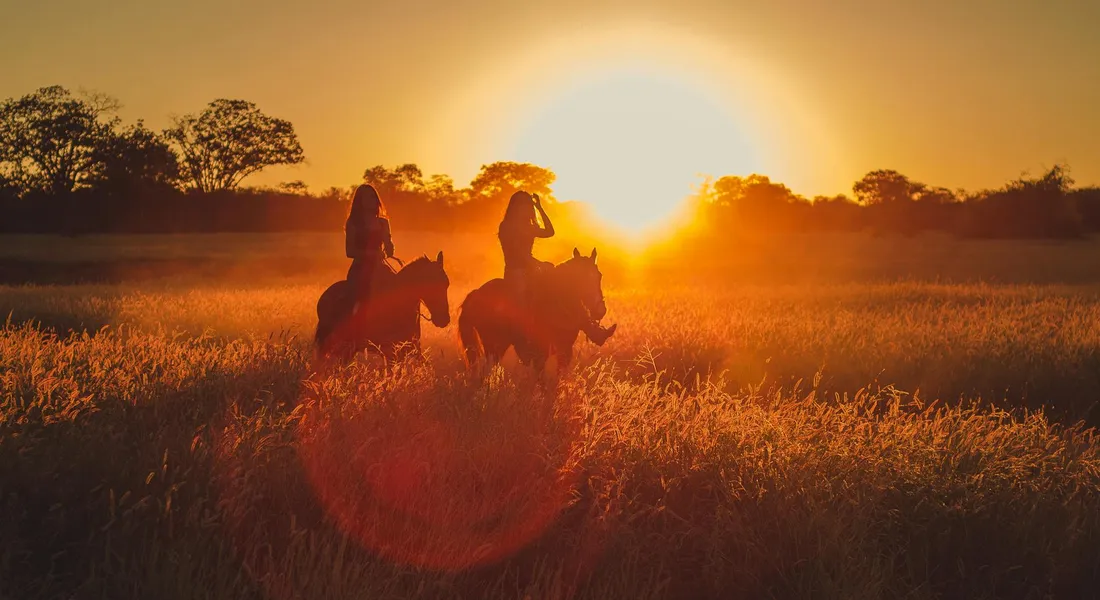
Your horse’s love letter isn’t written in words. It’s in the quiet sigh as you enter the stall, the soft blink of a dark eye, the way a heavy head leans ever-so-slightly into your scratching fingers. Recognizing these silent cues requires you to slow down and observe, trading hustle for hushed connection. I’ve spent countless hours just sitting on a tack trunk, watching the herd dynamics, and learning that affection is often a whisper, not a shout.
Watch the ears. A happy, engaged horse will often point one ear toward you while the other swivels to monitor the environment. It’s their way of saying, “You have my attention, but I feel safe enough to look away.” Contrast this with pinned ears or a stiff, swiveling head-those are chapters in a different story. True connection lives in the relaxed, “lazy” ear movements of a horse at peace with your presence.
Here are subtle signs my own horses show, signs you can look for:
- The Slow Blink: In the stable, a rapid eye indicates worry. A slow, deliberate blink, especially as you groom, is a equine kiss. Luna offers these when I’m patient with her girth.
- The Breath Exchange: Stand close and breathe softly. If your horse lowers its head, nostrils flaring, and breathes you in deeply, it’s a profound act of recognition. Rusty does this, his warm breath fogging my glasses.
- The Resting Hind Leg: A horse that shifts weight to rest a hind leg in your company is the ultimate compliment. It means they are not poised for flight. Pipin will do this mid-treat, a picture of cheeky trust.
- The Seeking Nuzzle: Not a pushy search for treats, but a gentle, exploratory touch of the muzzle to your hand, shoulder, or even hat. It’s a quiet “hello.”
Ignoring these signals is like talking over a friend. Gentle horsemanship starts with reading this language and responding without demand, reinforcing that your visits mean comfort, not just work. The smell of fresh hay and the sound of contented chewing are the backdrop for these conversations. Advocate for turnout time, because a horse with room to move and be a horse will offer more genuine, relaxed affection in your one-on-one time.
Memory and Long-Term Bonds
Why Consistency Builds Lasting Recall
A horse’s memory is a powerful, emotional map. They don’t just remember you; they remember how you made them feel. That’s why a harsh hand or a rushed, stressful session can etch a negative memory far deeper than a single good day. Building a bond your horse remembers fondly is less about grand gestures and more about predictable, gentle reliability. I learned this through Rusty, who, after a year apart, still nudged my pocket where the peppermints lived.
Their long-term recall is linked to survival. Consistent, positive routines signal safety. Here’s how to build that memory bank:
- Routine Rituals: Use the same, calm greeting. A soft voice saying their name, the same order of brushing. This predictability tells their brain, “This person is safe.”
- Pressure and Release: Be consistent in your ask. Whether grooming or riding, immediate release of pressure when they try correctly builds a clear, positive memory of working with you.
- Associate with Goodness: Beyond treats, associate yourself with rest and relief. I often untack Luna and hand-graze her in the sunshine. Now, the thud of hooves heading to that spot relaxes her instantly.
Equine welfare is central here-a horse with regular turnout and herd social time has a stable emotional baseline, making positive memories with you easier to form. A stressed, stalled horse is in survival mode, not bonding mode. Pipin the pony remembers every failed latch for a decade, but he also remembers who scratched his withers just right. Their memory for detail is astonishing. It’s why changing your cologne or wearing a flapping coat can spook a familiar horse; you’ve altered a stored sensory map. Keep your interactions clear, kind, and consistent. Quality time matters: consistent, low-stress moments maximize bonding. Regular, positive time spent together reinforces the emotional base you’ve started. The bond you build isn’t just for today; it’s a trust account your horse will remember drawing from for years.
Building Trust: A Step-by-Step Guide to Bonding
Foundation Work on the Ground
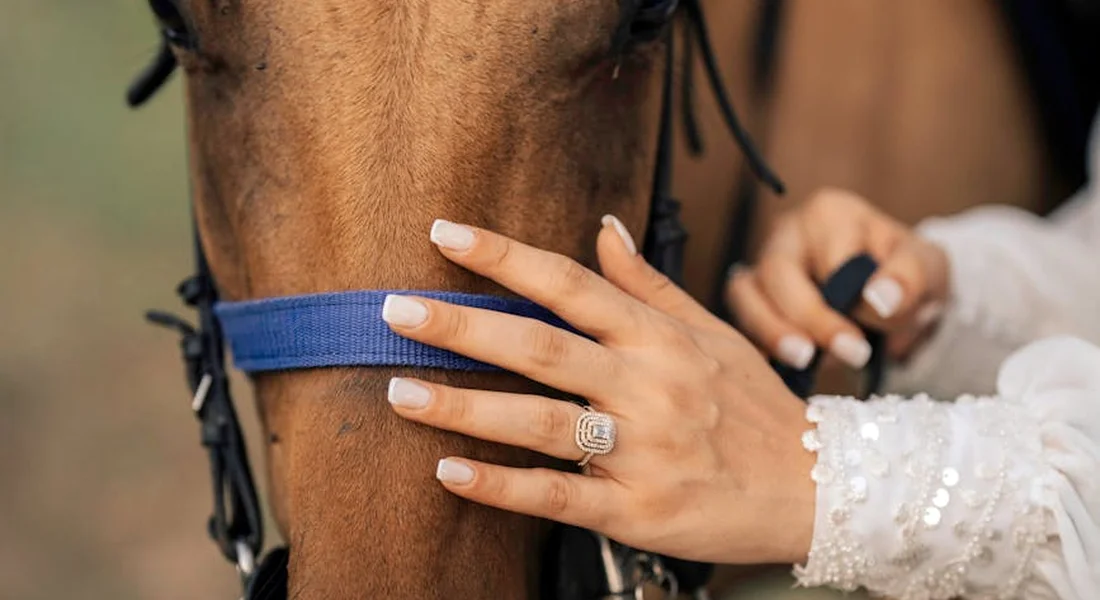
True connection starts with your boots in the dirt, not your seat in the saddle. Groundwork is the silent language you share, built on consistency and clear communication. I spend more time chatting with Pipin over a hay net than I do riding him, and that’s by design. Your horse learns to trust you when your presence predicts good things: scratches, calm energy, and fair play. Start by making your daily chores a bonding ritual.
Focus on the simple acts. The rhythm of currying coats and the quiet snuffles as they investigate your pockets build a library of positive associations. With Luna, I learned that approaching with a soft sigh instead of brisk strides helped her tense shoulders drop. Always end a session on a good note, even if it’s just five minutes of standing together soaking up the sun.
- Be Predictable: Use the same gentle voice and calm movements every time you enter the stall or paddock. Horses find comfort in routine.
- Hand-Feed with Purpose: Offer a carrot or mint from your flat palm to encourage polite manners. This turns you into a friend, not a vending machine.
- Master the Art of Leading: Practice walking where your horse walks with you willingly, without pulling. A light click of your tongue can be more effective than a tug on the lead rope.
- Introduce Liberty Play: In a safe enclosure, step away and invite your horse to follow you with a relaxed posture. Their choice to come is a massive trust deposit.
Watch their ears and eyes. A horse that softens its gaze and pivots its ears toward you is engaged. This foundation isn’t about dominance; it’s about becoming a safe harbor in their world. Building that trust requires understanding horse behavior and psychology.
Deepening the Connection Under Saddle
Riding is where your groundwork pays dividends. It’s a conversation where your seat, legs, and hands ask questions, and your horse answers with his movement. I think of it as dancing with a partner who can’t hear the music-you have to lead with clarity and feel. On Rusty, a misplaced cue gets a stubborn ear flick; on Luna, it might mean a spook. Your goal is to make the right thing easy and the wrong thing difficult, without ever resorting to fear.
Start each ride with a simple check-in. How does the back feel under the saddle pad? Is there stiffness in the neck? Adjust your plan accordingly. A great ride often means walking on a loose rein, letting your horse look at the scary barrel, and praising them for curiosity instead of punishing worry.
- Keep Lessons Short and Sweet: Twenty minutes of focused, positive work beats an hour of drilled frustration. End with a long, relaxing walk.
- Reward the Try: The instant your horse responds correctly, release pressure and offer a verbal “good boy.” This clear cause-and-effect builds confidence.
- Breathe Together: Consciously soften your own body. A deep exhale from you can trigger a relaxation response in your horse, syncing your rhythm.
- Mix Up the Scenery: A quiet trail ride is bonding gold. Navigating new terrain together builds a team mentality far faster than endless circles in the arena.
Feel the partnership in the small moments: the confident stride over a log, the willing halt from a subtle seat cue. This connection under saddle is built on the trust you stored up during all those hours on the ground.
Mending Fences: Bonding After Negative Experiences
Patience as a Policy
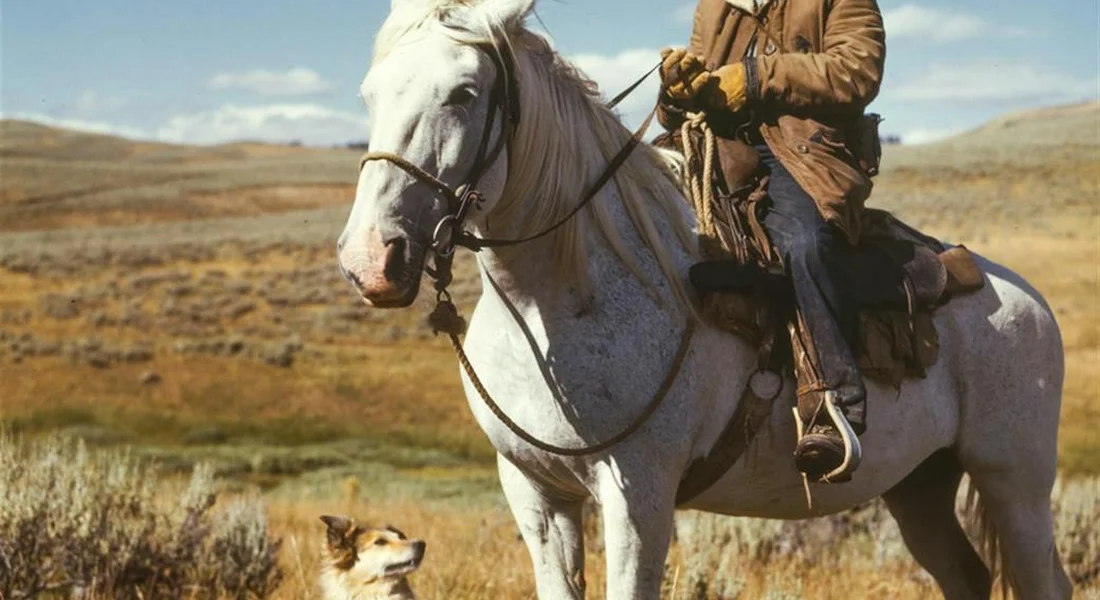
Setbacks happen. A scary trail incident, a painful veterinary procedure, or past mishandling can make a horse wary. Rebuilding trust isn’t a linear path; it’s a slow, gentle circle you walk together. With Rusty’s deep puddle phobia, we had to start from square one, with me standing in the water offering oats while he watched from dry land. You cannot rush a frightened memory; you can only create new, better ones to layer over the old. That work sits at the heart of rebuilding trust with a fearful, abused, traumatized horse. It’s a patient, layered process that honors past pain while guiding toward safety and confidence.
Go back to basic needs. Sometimes, the most profound healing happens in stillness. Spend time just being in their space without demands. Read a book outside Luna’s stall or do your grooming in the paddow while Pipin grazes. Your non-demanding presence teaches them that you are not always a source of pressure or work.
- Reset Expectations: Temporarily forget the horse they were and meet the horse they are today. Celebrate tiny victories, like taking a treat without flinching.
- Control the Environment: Work in a small, familiar space where the horse feels secure. Reduce unknown variables to help them focus on you.
- Use Positive Association: Pair previously scary things, like the sound of clippers, with high-value treats. Change the emotional memory.
- Watch for Overthreshold Signs: If the horse is sweating, trembling, or white-eyed, stop. Pushing past fear breaks trust. End the session and try again tomorrow.
Trust broken once is like a cracked ceramic mug; it can be mended with gold, but the lines remain. Your patient, consistent kindness is the gold that makes the bond not just whole, but uniquely beautiful and stronger in the mended places.
FAQ: Do Horses Recognize and Love Their Owners?
How quickly can a horse learn to recognize its owner?
Horses can begin to distinguish their primary caregiver after just a few positive, consistent meetings. This recognition deepens rapidly with daily gentle handling and routine care that builds trust. A calm, predictable approach helps solidify their memory of you as a safe individual.
Do horses recognize their owner’s voice from a distance?
Yes, horses can identify familiar voices, often reacting with focused ears or a quiet nicker when they hear you speak. This auditory recognition allows them to anticipate your arrival and feel secure in their environment. It’s a key part of how they distinguish trusted humans from strangers, especially when combined with learning how to talk to horses and understand them for better communication.
What daily practices best reinforce my horse’s recognition of me?
Incorporate consistent, low-pressure rituals like using a specific greeting or hand-feeding treats to create strong positive associations. Prioritize calm, patient interactions during grooming and feeding to build a reliable bond. Ensuring your horse has a stress-free lifestyle with ample turnout also supports their cognitive and emotional ability to engage with you.
A Bond Built on Trust
Recognizing and loving you is less about grand gestures and more about the daily, gentle consistency of your care and interactions. The most meaningful proof of your horse’s bond is a relaxed posture, a soft eye, and a willingness to seek you out for comfort, not just carrots.
This partnership deepens over miles and months, not in moments. Always prioritize your horse’s emotional safety and comfort, because a trusted friend is far more reliable than a commanded servant. Building a strong bond and learning to trust your horse is a journey of daily patience and mutual understanding.
Further Reading & Sources
- Signs Your Horse Trusts You
- How to Get Your Horse to Trust You: 10 Steps (with Pictures)
- How to Get a Horse to Trust You | Tips from Julie Goodnight
- Does your horse trust you? | Trisha Wren, Animal Communicator
At Horse and Hay, we are passionate about providing expert guidance on all aspects of horse care, from nutrition to wellness. Our team of equine specialists and veterinarians offer trusted advice on the best foods, supplements, and practices to keep your horse healthy and thriving. Whether you're a seasoned rider or new to equine care, we provide valuable insights into feeding, grooming, and overall well-being to ensure your horse lives its happiest, healthiest life.
Behavior