
How to Improve Your Horse’s Flexibility with Carrot Stretches
Hello fellow equestrians! Is your horse feeling stiff, making tight circles difficult or grooming a challenge? That resistance is more than an annoyance; it’s a warning sign that can lead to injury and costly vet visits if we don’t listen.
Carrot stretches offer a gentle, proactive solution. This guide will provide you with a clear, safe roadmap to boost your horse’s suppleness. We’ll cover:
- Why consistent flexibility work is as vital as quality hoof care
- The precise, step-by-step method for each stretch to ensure safety and comfort
- Common errors that waste your time and how to sidestep them
- Practical ways to build these exercises into your existing barn schedule
I’ve managed barns and trained horses for years, and carrot stretches are a daily ritual I use to keep every horse, from my steady Rusty to my spirited Luna, moving freely and happily.
What Are Carrot Stretches and Why Do They Matter?
At its core, a carrot stretch uses a food lure-a crunchy carrot chunk works best-to guide your horse into a sustained stretch. You are not pulling or forcing a position. You are inviting movement. This method taps directly into their natural curiosity and food motivation. The benefits go far beyond just a tasty snack. This approach dovetails with natural foraging enrichment and healthy grazing tips, helping keep horses curious, mentally engaged, and calmly nourished. By aligning carrot stretches with foraging-based ideas, you create a cohesive approach to movement and feeding.
- Improved Range of Motion: Gently encourages flexion in the neck, shoulders, and topline, directly combating the stiffness that comes from too much stall time.
- Muscle Suppleness: Promotes blood flow and elasticity in the tissues, which is vital for performance, from casual trail riding to precise dressage movements.
- Injury Prevention: A more flexible horse is a more coordinated athlete, better able to recover gracefully from a stumble or uneven footing.
- Mental Connection: It turns basic training into a cooperative puzzle, strengthening your bond. My sensitive Thoroughbred, Luna, went from head-shy and suspicious to eagerly nudging my hand for her turn.
Think of carrot stretches not as a substitute for veterinary care, but as a daily, proactive wellness habit that deeply respects your horse’s natural biomechanics.
Setting the Stage: Safety First for You and Your Horse
Safety is the absolute foundation. I learned this the hard way with Pipin, our cheeky Shetland, who once tried a rapid whirl for a treat and nearly took my knees out. Always work in a safe, enclosed space like a clean stall or a quiet aisle with good footing.
Your Non-Negotiable Safety Checklist
- Position yourself close to your horse’s shoulder, never directly in front of their front feet where you are most vulnerable.
- Use only bite-sized treat pieces to prevent rapid, jerky snatching movements that can lead to accidental nips.
- Keep each session short-under 10 minutes total-to avoid mental frustration or physical muscle strain for your horse.
- If your horse gets overly excited or pushy, simply stop and resume later when they are calm. This is about gentle encouragement, not frantic bribery.
Your horse’s comfort and demeanor are the ultimate guides; if they show any sign of pain, hold their breath, or extreme reluctance, pause immediately and consult your vet.
The Foundational Stretches: A Step-by-Step Guide
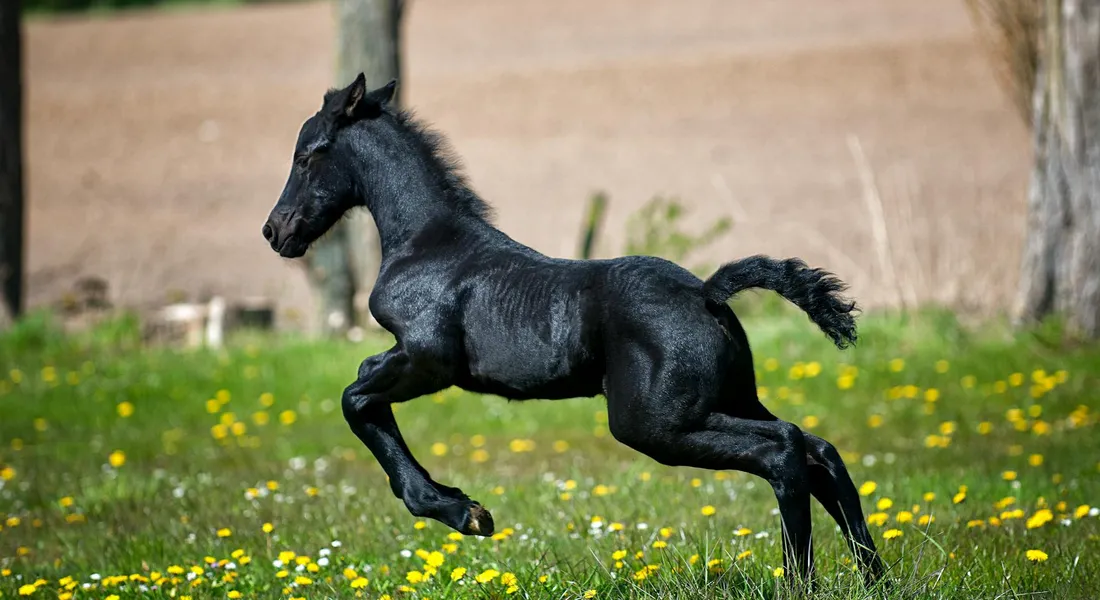
Start with these three basic stretches. Move slowly, and reward the slightest try. The sound of a contented crunch is your best feedback. Remember, we are asking for a slow, deliberate curve, not a sudden yank of the neck.
1. The Chin-to-Chest Stretch
This stretch promotes flexion at the poll and loosens the neck muscles. Hold a carrot piece low, between your horse’s front legs. Encourage them to slowly tuck their chin down and back toward their chest, holding the stretch for a soft 3-5 second count before releasing the treat. This neck stretch is a simple, essential part of warm up and cool down exercises for your horse, helping prep muscles and aid recovery after work.
2. The Between-the-Knees Stretch
This asks for a deeper lateral and downward flexion, engaging the topline. Stand at the shoulder, and guide the carrot back between the front knees. Your horse should bend their neck and reach through. Watch for a smooth arc in the neck; a sudden drop straight down means you are holding the lure too low. This approach also lays the groundwork to lead-steer your horse with calm, precise cues from the ground. With practice, you’ll connect these cues to smoother steering.
3. The Around-the-Body Stretch
A fantastic way to improve lateral flexibility. Stand at the shoulder and slowly guide the carrot back along the horse’s side toward the flank. Only ask for as much reach as they can give comfortably without stepping sideways or losing balance-this is not about touching the hip on day one. Over time, this builds and strengthens the horse’s muscles. It supports long-term strength and balance. Repeat evenly on both sides.
Reading Your Horse’s Body Language
The stretch itself is only half the story. You must become a detective of their reactions. A soft eye, a relaxed lower lip, and a smooth, searching movement are all green lights. Here are the subtle red flags to watch for.
- Head Tossing or Snatching: Often means the treat is moving too fast or the stretch is too demanding. Simplify.
- Stiffening the Body or Holding Breath: Indicates discomfort or confusion. Release the ask immediately.
- Uneven Willingness Side-to-Side: Most horses have a stiffer side. Note it, be gentler on that side, but still encourage gentle movement.
- Leaning on You for Balance: Means they are overreaching. Reposition yourself closer to their body to reduce the stretch radius.
Successful flexibility work is a quiet conversation, not a negotiation; the goal is to leave your horse feeling loose and positive, not strained or anxious.
Your Step-by-Step Guide to Basic Carrot Stretches
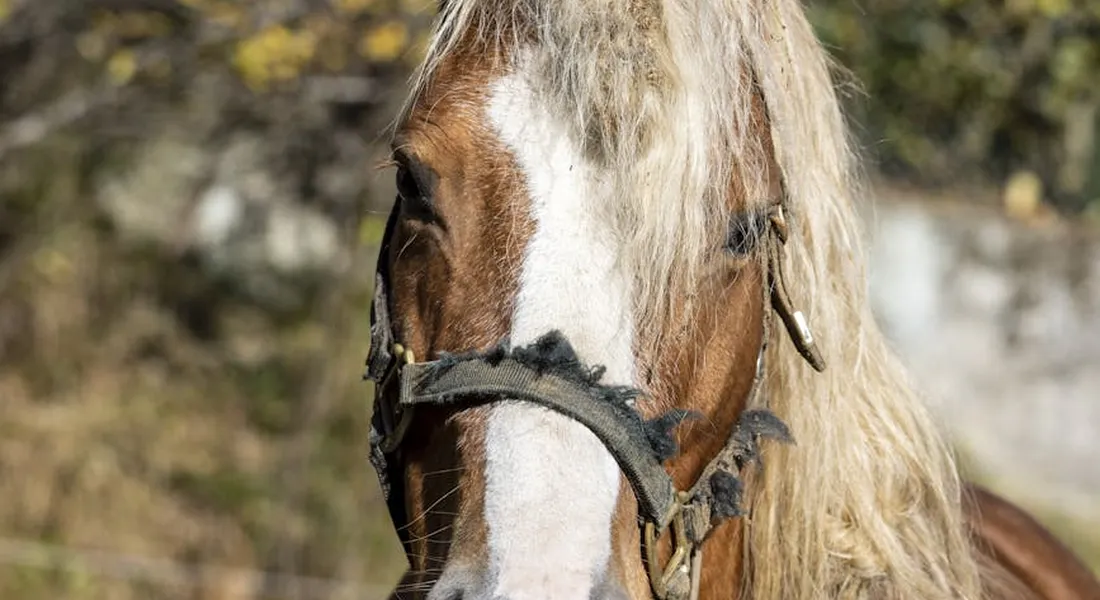
Start with these three foundational stretches. Move slowly, reward the slightest try, and never force a position. The sound of contented chewing is your success metric.
The Lateral Neck Stretch
This targets the neck and topline. Stand at your horse’s shoulder, facing the same direction.
- Hold a carrot piece near their chest and slowly move it back along their side towards their flank.
- Let them follow it with their nose, bending their neck. Aim for their nose to touch their side.
- Hold the stretch for 3-5 seconds, then let them take the treat.
- Repeat 2-3 times per side.
Go slow-the goal is a smooth, controlled bend, not a frantic snatch for the carrot.
The Chin-to-Chest Stretch
Great for encouraging a round frame and engaging the back muscles.
- Stand facing your horse’s shoulder.
- Hold the carrot low, between their front legs.
- Encourage them to lower their head and reach back between their knees.
- Hold for a few seconds, reward, and release.
This mimics the head position we want for self-carriage under saddle, building the muscle memory without any rider weight.
The Shoulder and Withers Reach
This promotes shoulder freedom. Stand as for the lateral stretch.
- Hold the carrot a few inches in front of their chest, then slowly move it diagonally up and back towards their withers.
- They should arc their neck to follow, stretching the shoulder area.
- Reward the effort, not just the full reach.
I start every session with Rusty this way; it’s like him shrugging off the morning stiffness before we head down the trail.
Reading Your Horse: Signs of Success and Resistance
Horses speak with their bodies. Paying attention turns a routine into a dialogue.
Signs Your Horse is Benefiting
- Soft, blinking eyes and relaxed ears that swivel loosely during the stretch.
- A smooth, willing follow of the lure without rushing or throwing their head.
- Audible sighs or licking and chewing afterwards-a sure sign of mental release.
- Improved ease of movement over time, like Luna tracking up more freely under saddle after consistent stretching.
The licking and chewing is a gold star; it means your horse is processing and relaxing into the work.
If Your Horse Resists
Resistance isn’t defiance. It’s information written in tight muscles and worried expressions.
- Pinned ears or sharp tail swishing: They might be confused or feel a genuine pinch. Immediately make the exercise easier.
- Stiff, bracey movement: The muscle may be cold or sore. Try a shorter hold time or do these after some hand-walking.
- Complete refusal, stepping away: Go back a step. Use a target stick with a treat at the end to bridge the gap, or simply end on a positive note and try another day.
Patience here builds immense trust; forcing a stretch can damage the very partnership you’re trying to build.
Building on Basics: Advancing Your Stretching Routine
Think of your stretching routine like a good friendship-it deepens with consistent, quality time. For general maintenance, aim for 5-10 minutes, 4-5 times a week. I often do this right after picking feet, while the horse is still standing square on cross-ties.
This consistency builds muscle memory and trust far faster than one long, intense session a week.
Progressing Safely
- Increase Duration: Start by holding a comfortable stretch for 3 seconds. As your horse relaxes, like my old reliable Rusty did after a few weeks, gradually work toward holding for 5-8 seconds of soft stretch.
- Add Variety: Ask for a deeper lateral bend by moving the treat slightly further back toward the girth area. You can introduce a gentle hindquarter flexion by cautiously luring their nose toward their hip-watch for any stiffness or resistance and respect it.
- Integrate with Work: Use two or three stretches as part of your pre-ride warm-up to awaken those core muscles. A couple of post-ride stretches can also aid recovery, like a cool-down for their spine.
This work is about sustainable equine fitness, not creating a contortionist. You are looking for a slow, controlled movement, not a frantic snap towards the carrot. Always prioritize the quality of the movement over an extreme range.
Beyond Carrots: Complementary Flexibility Work
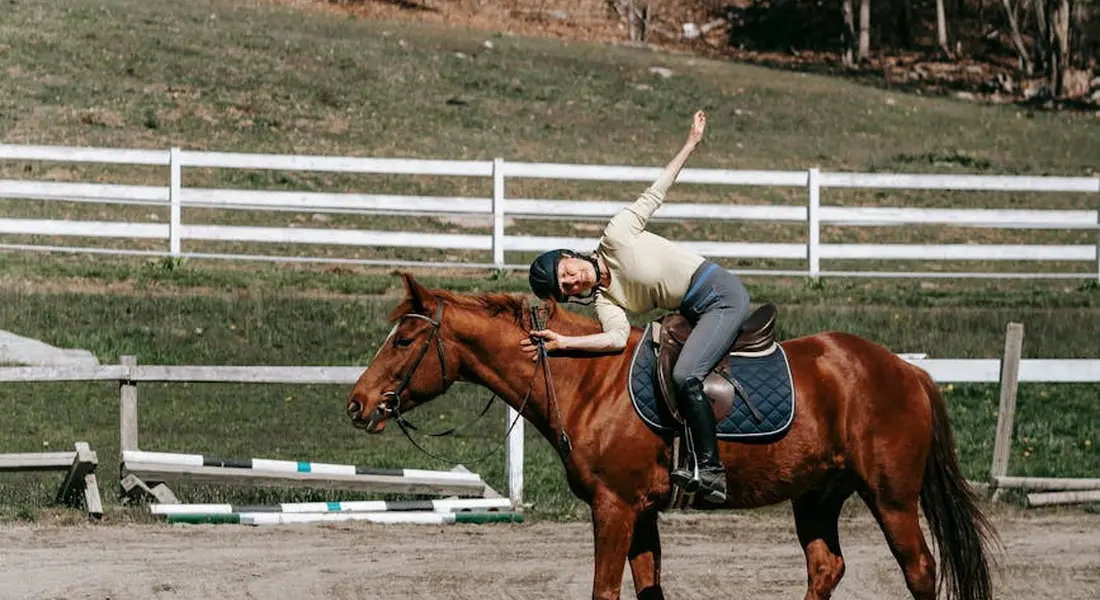
Carrot stretches are a brilliant tool, but they’re one chapter in the whole book of equine wellness. Real suppleness is built on a foundation of movement and diet.
No amount of targeted stretching can compensate for a life spent largely in a stall.
Other Suppleness Training
- Turnout Time: Nothing replaces the symphony of free movement in a pasture. The walking, grazing, rolling, and occasional playful buck are the foundation of all musculoskeletal health. This is non-negotiable.
- Ground Poles: Simply walking over three or four poles on the ground encourages a natural back lift, shoulder engagement, and careful hoof placement. You can hear the beneficial thinking in the rhythm of their steps.
- Thoughtful Longeing: Brief, focused sessions on a longe line-think 10-15 minutes with frequent changes of direction-promote balance, bend, and attention. It’s about asking for quality circles, not mindless galloping.
Treats and Tools
While carrots are the classic, use what genuinely motivates your horse. My mare Luna would do anything for an apple slice, while Pipin is solely driven by hay pellets.
- Apple slices, commercial mint pellets, or a handful of soaked hay cubes are excellent alternatives.
- Focus on low-sugar, low-starch options, especially for easy keepers like Pipin the pony. A horse’s waistline matters as much as our own.
- Your own two hands and steady patience are the best tools you own. Fancy stretching aids are rarely needed when you have consistent, gentle practice and a pocketful of peppermints.
True flexibility starts from the inside out, fueled by good forage, generous freedom, and the trust you build one gentle stretch at a time.
Frequently Asked Questions: How to Improve Your Horse’s Flexibility with Carrot Stretches
How often should I do carrot stretches with my horse?
For general maintenance, aim to incorporate carrot stretches 3 to 4 times per week. Keep each session brief, under 10 minutes total, to prevent mental fatigue or muscle strain. Consistency with short, positive sessions is far more beneficial than infrequent, long ones.
What precautions should I take to avoid injury during carrot stretches?
Always work on secure, non-slip footing and position yourself safely at your horse’s shoulder, never directly in front. Use small treat pieces to prevent jerky movements and never force or hold a stretch if your horse shows pain or braces. Cease immediately if your horse becomes overly excited or pushy to maintain a calm, controlled environment. Proper horse handling techniques are crucial for safety.
What should I do if my horse resists or refuses to do a carrot stretch?
First, ensure there is no underlying pain or discomfort by consulting your vet if resistance is new or severe. Make the exercise easier by asking for less range of motion and reward any small effort to rebuild confidence. If refusal continues, end the session positively and try again later, as forcing the issue can damage trust and create more tension.
Your Partner in Flexibility
Make carrot stretches a regular, gentle part of your grooming routine to see real gains in suppleness over time. Focus on smooth, controlled movements and always let the carrot guide your horse, never your hands pulling or pushing their head.
True flexibility is earned through trust, not forced through repetition. Your horse’s soft sigh or hesitant ear flick is the most important feedback you’ll get—honor it.
Further Reading & Sources
- Equine Carrot Stretches
- Pilates for Horses – Part 1: Carrot Exercises
- Ask the Vet Video on Carrot Stretches for Horses – SmartPak
- Top 5 Stretches for Healthy Horses
At Horse and Hay, we are passionate about providing expert guidance on all aspects of horse care, from nutrition to wellness. Our team of equine specialists and veterinarians offer trusted advice on the best foods, supplements, and practices to keep your horse healthy and thriving. Whether you're a seasoned rider or new to equine care, we provide valuable insights into feeding, grooming, and overall well-being to ensure your horse lives its happiest, healthiest life.
Exercise