
How to Handle a Horse Safely: A Beginner’s Guide
Hello fellow barn buddies. If you’re new to horses, just standing next to one can feel intimidating, mixing awe with a healthy dose of fear about getting stepped on or causing a spook. That worry is smart-it shows you care about safety for both of you, and preventing a mishap is always better than treating one.
Let’s get you grounded. In this guide, I’ll share the stable-tested steps I use every day to keep things calm and safe. We’ll cover:
- How to approach a horse correctly, reading their body language before you even touch them.
- The secure way to lead and tie a horse, avoiding common mistakes that lead to pulled arms or broken ties.
- Foundational groundwork exercises that build respect and trust, not fear.
- Essential safety gear for you and your horse, beyond just a helmet.
This advice comes from my years of barn management and training, learned through early mornings and late feeds with everything from steady geldings like Rusty to clever ponies like Pipin who test every rule.
Your First Lesson: It Starts With Your Mindset
Guide Content:
Patience Over Pressure
I learned this from Pipin, our Shetland pony, one rainy evening when I was in a hurry to get him in from the field. I pushed on his lead, and he became a furry boulder. I tugged, he leaned back, and in a flash, he spun, yanking the rope through my hands before trotting off to investigate a interesting patch of clover. Rushing creates resistance and fear, turning a simple task into a battle of wills where no one wins. Horses live in the moment; your impatience is a loud, confusing signal. The time you spend patiently waiting for a soft eye or a forward step is an investment in trust that pays back every time you handle them.
Reading the Room (Or Pasture)
Before you even call your horse’s name, stop and observe. Is the footing slick? Are the other horses in the herd acting calm or agitated? I once walked straight out to fetch Luna without noticing her herd mate had just been taken away. Her head was high, her body tense, and my direct approach sent her skittering away from me. Scanning for environmental distractions like loose dogs, flapping tarps, or herd dynamics prevents you from walking into a volatile situation. Your safety starts with this thirty-second assessment of the pasture or stall.
The Calm You Project is the Calm You Get
Horses are exquisite readers of energy. Your heartbeat and breath rate are signals they can literally feel. If you’re anxious, they prepare for danger. Before I open a stall door, I take one deep breath to center myself. I make my movements smooth and deliberate. Consciously softening your gaze and slowing your walk tells your horse more about your intentions than any words could. It’s not about masking nerves; it’s about using your own body to broadcast steadiness.
Speaking Horse: Understanding Equine Body Language
Guide Content:
The Signs of a Relaxed Partner
Look for the subtle cues that say your horse is content and approachable. Think of Rusty after a good grooming session: his lower lip droops, his eyes get a soft, dreamy look, and he often stands with one hind leg cocked in rest. A relaxed horse will have a lowered head, soft eyes blinking slowly, and may lick and chew as if processing a good thought. These are the invitations you want to see. These cues are best understood within the Understanding Horse Behavior Psychology Complete Guide, which explains the mindset behind a horse’s signals. It helps you connect what you see to why your horse feels and acts that way, guiding how you respond.
- Soft, half-closed eyes with no white showing.
- Head carried at or below wither height.
- The rhythmic motion of licking and chewing.
- A hind leg resting comfortably, not weight-bearing.
- Ears flicking softly forward and back, listening but not pinned.
Clear Warning Signs to Heed Immediately
Horses shout with their bodies long before they act. Ignoring these signs is the fastest way to get hurt. A swishing tail when there are no flies is a flag of irritation, not a fly swatter. When a horse pins its ears flat back, tenses its muzzle, and shows the whites of its eyes, it is saying “stop” in the clearest terms it knows. This is not a time to press your agenda.
- Ears pinned flat against the neck.
- Tail swishing sharply or clamped tight.
- Head raised high with a tense neck.
- Hard, staring eyes with the whites visible.
- Muscles rigid, or a hind leg lifted threateningly.
The Approach That Builds Trust
Never march directly at a horse’s head or walk up behind them. You want to be seen as a friend, not a predator. I always use this method, especially with sensitive souls like Luna.
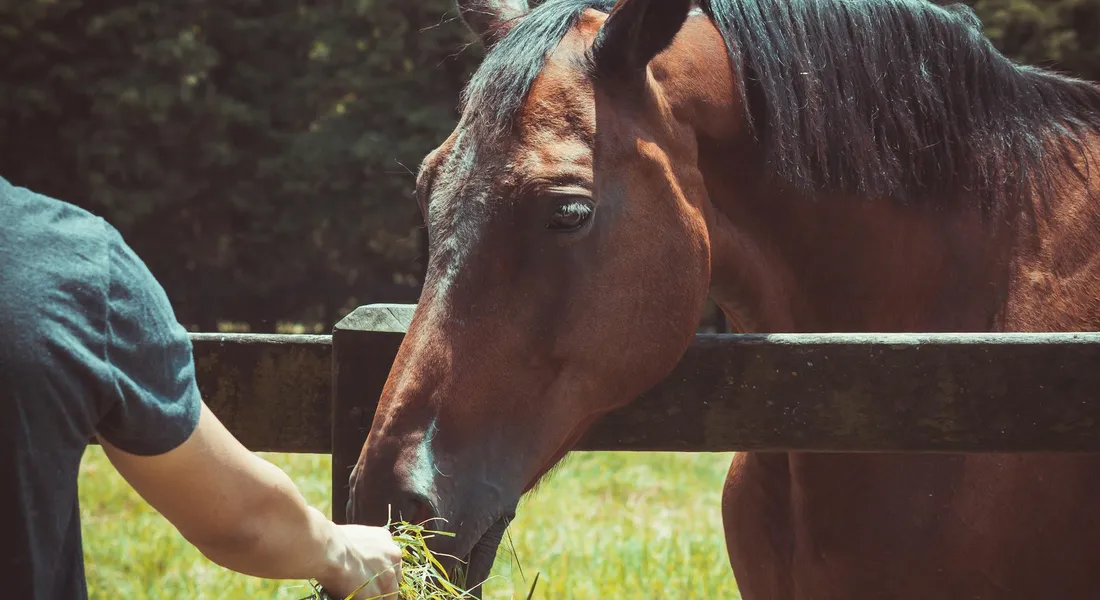
Approach from the side at a slight angle, aiming for the shoulder area, which is a neutral and safe zone for them.
- Speak in a low, calm voice as you get near so you don’t startle them.
- Walk with a steady rhythm, keeping your own body relaxed.
- Pause a few feet away and extend the back of your hand for them to sniff.
- If they seem calm, gently rub their neck or shoulder before moving to halter them.
- Avoid sudden movements or reaching over their head immediately.
This respectful approach respects their space and gives them a choice, building cooperation instead of fear.
Essential Groundwork: Your Daily Safety Rituals
Guide Content:
Step 1: Haltering with Confidence
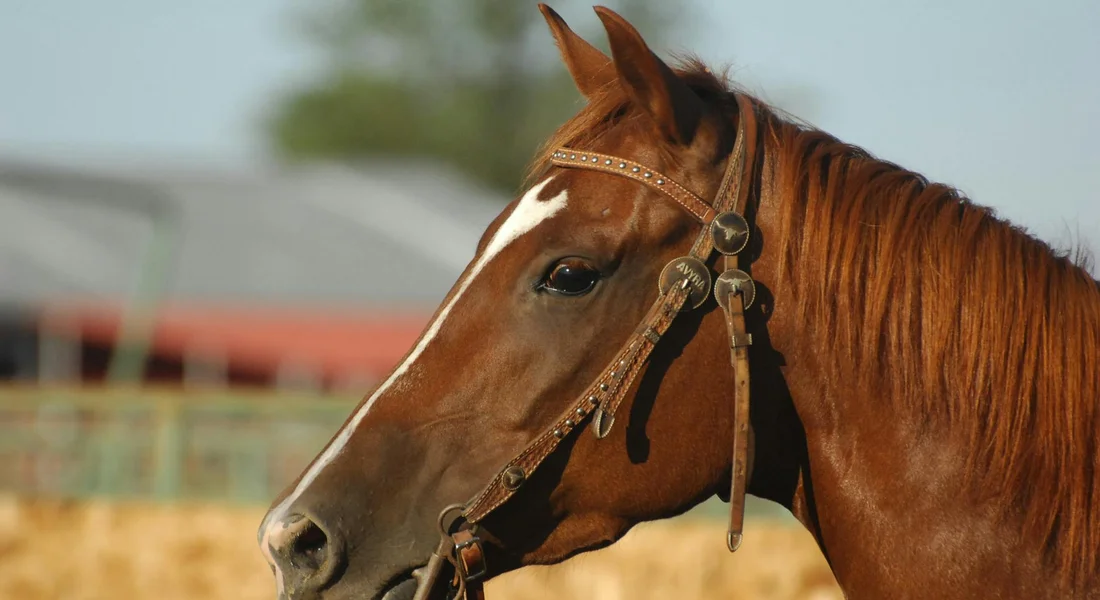
Start by approaching your horse’s left side, speaking calmly. I always give Luna a soft pat on the neck first-her Thoroughbred sensitivity means she appreciates the warning. Slide the noseband up over the muzzle with your right hand, then bring the crownpiece over the ears with your left. Always check that every strap lies flat and untwisted against the coat; a simple twist can create a nasty rub over time. Buckle it on the left side, ensuring you can fit two fingers snugly between the leather and your horse’s cheekbone.
Listen for the definitive click of the buckle. A halter that’s too loose invites a hoof through it during grazing, and one that’s too tight is plain uncomfortable. I learned this fit lesson the hard way with Pipin, who could somehow always wriggle free from anything less than perfect. This 30-second ritual of visual and tactile checks builds trust and prevents minor issues from becoming big ones.
Step 2: Leading with Respect, Not Force
Hold your lead rope in your right hand, about a foot from the clip, with the excess coiled neatly-never wrapped around your hand. Position yourself at the horse’s left shoulder, facing forward. To ask for movement, use your body: step off purposefully with a cluck or a “walk on.” Your energy, not a hard pull, should be the main cue for the horse to follow. With consistent practice, this foundation will help you lead steer your horse. Use calm, precise cues as you advance to longer, smoother maneuvers.
If your horse lags or tries to drag you, plant your feet and make a gentle, rhythmic tug-release on the rope instead of leaning back like a tug-of-war champion. Leading Rusty past his dreaded puddles taught me that patience and consistent pressure are far more effective than brute force. A harmonious walk feels like a partnered stroll, not a power struggle.
Step 3: The Art of Safe Tying
Only tie to a solid, immovable object-a properly set hitching post or a stout beam. Use a quick-release knot or a panic snap on your lead rope. The rope should be tied at the height of the horse’s withers or higher; too low encourages dangerous tangling around a leg. Give just enough slack for the horse to stand comfortably with its head in a natural position.
This setup is your horse’s seatbelt. I once saw a green horse spook at a plastic bag, pull back hard, and thank goodness for that quick-release knot—it gave way instantly. A solid tie-point and a reliable release mechanism are non-negotiable for preventing panic-induced injuries.
Step 4: Picking Hooves Without a Fight
Stand facing your horse’s tail, run your hand firmly down the back of their leg to the fetlock, and squeeze the tendon. Most horses will pick up the hoof. Support the hoof in your hand, cradling it securely. Always clean from the heel toward the toe to avoid jabbing the sensitive frog or the tender cleft of the heel. Keep your own feet out from directly under the hoof in case they decide to put it down suddenly. Understanding the structure of the hoof will help you clean it properly and safely.
This position keeps your body safe. If the horse shifts, you’re beside them, not in the kick zone. With consistent, calm handling, even a fidgety horse will learn to stand quietly for this essential care. The smell of clean hoof and the sight of a well-picked foot is a small, daily victory for their health.
Gearing Up for Safety: PPE for You and Your Horse
Guide Content:
Non-Negotiable Human Safety Gear
Your feet need sturdy boots with a defined heel-riding boots or even quality work boots. That heel stops your foot from sliding all the way through a stirrup, a critical safety feature. Fashion sneakers have no place here; a half-ton animal stepping on your toe will swiftly clarify why.
Grab a pair of gloves. They save your hands from rope burn during leading or if a horse suddenly tosses its head. For any work around the head, like bridling or vet care, wear a certified riding helmet. An unexpected bump from a well-meaning but clumsy horse head can pack a surprising wallop. Dressing for the barn is about function, and function is what keeps you in the saddle and out of the urgent care clinic.
Checking Your Tack Before Every Use
Make this a habit, like brushing your teeth. Run your hands along every inch of your lead rope and halter straps before you clip them on. Look for frayed fibers, weak spots, or stretched stitching that whispers of impending failure. Test each buckle and snap-they should open and close smoothly, without sticking or excessive play.
That comforting creak of sound, oiled leather is the soundtrack of safety. A quick, tactile inspection takes seconds but can prevent the heart-stopping moment of a broken clip during a walk. I keep a “retired” halter with a torn stitch in my tack room as a quiet reminder to never skip the check.
Navigating Common Mistakes and Spooky Moments
Guide Content:
Five Beginner Habits to Break Now
-
Wrapping the lead rope around your hand. This creates a dangerous anchor point if the horse startles and pulls back. I learned this the hard way with a green pony years ago. Always hold the rope in a firm, open loop so it can slide free without taking you with it. If you’re preparing to bridle your horse, a step-by-step guide can be a helpful next reference. It keeps safety practices aligned with proper technique.
-
Standing directly behind the horse. The blind spot is a real danger zone, even for a trusted friend like Rusty. Position yourself at the shoulder where you can see each other and move together safely.
-
Letting the lead rope go slack. A droopy rope tells your horse you are not paying attention, inviting them to wander or step on it. Maintain a light, consistent feel to keep a polite conversation going.
-
Making sudden, loud movements. A dropped bucket or sharp clap can turn a calm horse into a flight risk in a heartbeat. Move with slow, deliberate purpose to build a bubble of calm around you both.
-
Forgetting to untie before unhaltering. It seems simple, but in the busy barn, this oversight can cause a tangled panic. Make releasing the knot or snap your non-negotiable first step before any halter comes off.
When Your Horse Reacts: The Freeze, Breathe, Reassess Method
-
Freeze. Your first instinct to push through the spook often adds fuel to the fire. When Rusty locked onto a “monster” plastic bag, I stopped all forward motion immediately. Becoming a still, calm point helps prevent the situation from escalating.
-
Breathe. Take a deep, audible breath and let it out slowly. This physical signal tells your horse you are not alarmed. Your controlled exhale is a powerful tool to drain tension from both your bodies.
-
Reassess. Look at the world from your horse’s eyes, then offer a gentle redirect. With Rusty, I turned him in a small circle and let him approach the bag on his terms. Swapping fear for curiosity is the goal, and it always beats a fight.
Knowing When to Ask for Help
-
Your horse repeatedly evades basic handling, like catching or hoof picking. This is often a communication issue. An experienced trainer can spot the subtle cues you’re missing and restore confidence.
-
You are preparing for a known stressor, like first trailering or clipping. Having a pro guide the process protects your horse’s trust and your own safety.
-
The horse shows signs of acute pain or illness, like colic or a severe injury. Your vet is the first call, but a steady handler can be invaluable for safe movement and support.
-
You just feel unsure. That gut feeling is your best early warning system. Asking for a second opinion is the mark of a smart and responsible horse person.
FAQ: How to Handle a Horse Safely
How can I tell if a horse is comfortable with my handling?
Look for positive body language cues such as a relaxed posture, soft blinking eyes, and a willingness to follow your gentle cues. A comfortable horse will often exhibit signs like licking and chewing or a gently swishing tail in the absence of flies. Consistent, calm behavior during routine tasks is a strong indicator of growing trust and ease. These are just some of the signs that can help you tell if your horse is happy.
What should I do if a horse startles or spooks while I am handling it?
Immediately stop all movement and remain calm to avoid escalating the horse’s fear. Take a deep, audible breath to help regulate your own energy and signal steadiness to the horse. Gently redirect the horse’s attention away from the scare and allow it to investigate the object or situation from a safe distance when possible.
How do I safely handle a horse that is unfamiliar or new to me?
Always have an experienced person introduce you and the horse in a controlled, enclosed environment. Move slowly and predictably, allowing the horse ample time to observe and sniff you before attempting direct contact. Prioritize simple, positive interactions like grooming at the shoulder before moving to more involved tasks like leading or hoof care.
A Last Word on Confidence and Calm
Consistent, quiet handling builds the trust that makes every interaction safer. The most critical tool you have isn’t in your tack room-it’s your own calm, confident demeanor, which teaches your horse the world is not a scary place.
True horsemanship grows from patience and observing the subtle signals your horse offers you every day. When in doubt, slow down and listen; your partnership depends on that quiet conversation. By learning to talk with them—through calm voice, gentle cues, and patient timing—we build a two-way understanding. That ongoing dialogue is the heart of building better communication with horses.
Further Reading & Sources
- Safe Horse Handling
- The 14 *Essential* Safety Rules to Follow Around Horses
- Recommendations for the safe handling of horses | FEI
- Safety Tips for Working With Horses
At Horse and Hay, we are passionate about providing expert guidance on all aspects of horse care, from nutrition to wellness. Our team of equine specialists and veterinarians offer trusted advice on the best foods, supplements, and practices to keep your horse healthy and thriving. Whether you're a seasoned rider or new to equine care, we provide valuable insights into feeding, grooming, and overall well-being to ensure your horse lives its happiest, healthiest life.
Equipment