
Stable Ventilation Made Simple: Clear Air for a Healthier Horse
Published on: July 4, 2026 | Last Updated: July 4, 2026
Written By: Henry Wellington
Hello fellow equestrians. That stale, thick air in your barn on a windless day isn’t just unpleasant-it’s a brewing ground for respiratory trouble and anxiety for your horse. I’ve watched smart horses become stuffy-nosed and lethargic from barns that feel more like sealed boxes, and I know the worry that brings.
Let’s change that. In this guide, I’ll walk you through how to diagnose your barn’s airflow with a simple ribbon test, the strategic placement of inlets and outlets for a consistent cross-breeze, managing moisture through bedding and drainage to beat ammonia, and adapting your approach for freezing winters and humid summers.
My years in the saddle and as a barn manager, keeping everything from clever ponies to high-strung thoroughbreds content, have taught me that good air is non-negotiable.
Why Your Horse’s Lungs Depend on Stable Ventilation
Step into a closed-up room on a hot day. Feel that thick, heavy air? Your horse feels that constantly in a poorly ventilated stall. Their respiratory system is powerful but delicate, moving over 60 liters of air per minute at rest. Stagnant barn air traps ammonia from urine, dust from hay, and invisible mold spores. These are key factors to consider when managing respiratory health in horses.
Every breath of this irritant soup can inflame airways. This leads to heaves, a debilitating condition like equine asthma. Ammonia fumes also burn tender nasal passages, setting the stage for chronic coughs and infections. I saw this with my own mare, Luna. Her subtle cough and dull coat cleared up only after we added roof vents and a through-breeze. Proper stable ventilation works like an immune system booster for your horse’s lungs.
Horses are designed for wide-open spaces. Confinement without fresh air is a direct assault on their health. View airflow as non-negotiable maintenance, just like hoof picking or deworming. Creating a safe, enriching environment for your horse also enhances welfare and resilience.
Reading the Barn: Signs Your Ventilation is Failing
Your stable talks to you. Learn its language by watching for these clear signals. Make this quick list part of your daily stall check.
Watch your horse for these physical warnings:
- A recurrent, dry cough heard most often during feeding or when they first move out.
- Watery eyes or a persistent nasal discharge that isn’t clear and runny.
- Flared nostrils or visibly increased effort to breathe while simply standing in the cross-ties.
- Unusual lethargy or a lack of enthusiasm that wasn’t there before.
Scan the environment for these red flags:
- The pungent sting of ammonia hits your nose the moment you walk in, even after mucking.
- Condensation or frost forms on interior walls, windows, or metal fittings.
- Dust motes hang suspended in a sunbeam, refusing to settle.
- A general dampness or musty smell lingers in the bedding and tack room.
Spotting one sign means act fast. Seeing several means your ventilation has already failed. Your daily observation is the cheapest and most effective diagnostic tool you own.
Common Culprits Behind Stale Air and Moisture Buildup
Bad air has sources you can target directly. Control these, and you control the climate in your barn.
- Manure Management: A pile near the doorway is a gas factory. Ammonia and moisture waft inside with every breeze. Haul waste to a distant compost pile daily.
- Wet Bedding: Damp straw or shavings underfoot evaporates moisture right back into the stall air. Remove wet spots completely and ensure a deep, dry base.
- Static Air Design: A barn built like a sealed box has no way for fresh air to enter and stale air to leave. You must create intentional inlets and outlets for continuous exchange.
- Hay Dust: Shaking out a flake releases a cloud of fine particulates. Soaking hay or using a hay steamer dramatically reduces this airborne irritant.
Tackle these culprits one by one. Think of moisture as the root of all evil in a stable; ventilation is your primary weapon to banish it.
Natural Breezes or Machine Help? Choosing Your Ventilation Path
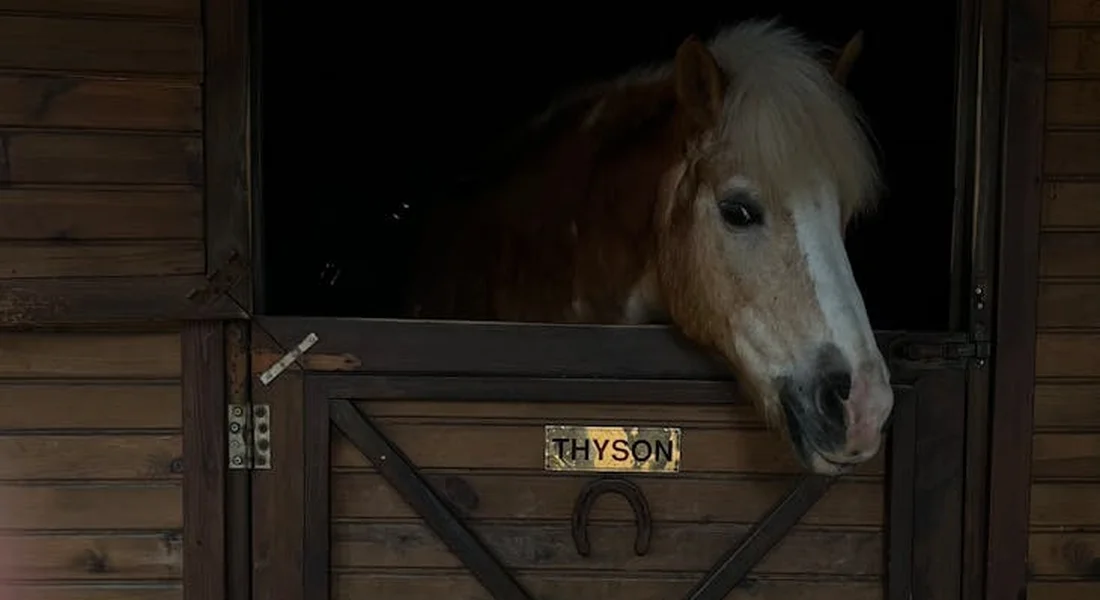
Standing in the aisle on a still August morning, the air thick with the smell of hay and horse, I’ve faced this choice. Do you trust nature or technology to fill your barn with fresh air? Your decision hinges on your local climate, barn design, and your horse’s individual needs-I learned this managing Luna’s sensitive respiratory system alongside Rusty’s easy-going nature. It’s akin to choosing the right shelter for your horse. Natural ventilation uses wind and thermal buoyancy, costing little but demanding smart design. Mechanical systems, like exhaust fans, offer control but add expense and require power.
- Natural Ventilation excels in well-oriented barns with consistent breezes. It’s budget-friendly and silent, perfect for open-plan stables in temperate zones. Think cross-ventilation and the stack effect-more on that below.
- Mechanical Ventilation is your ally in humid climates, airtight barns, or for spot-cooling. An exhaust fan in a tack room fights mildew, while a circulating fan in a stall aisle breaks up heat pockets. It ensures consistency when the weather doesn’t.
For most barns, a hybrid approach works best. My old bank barn uses ridge vents for natural draw, but we added a small exhaust fan in the wash stall where moisture loves to linger.
Working with the Wind: Principles of Natural Airflow
Harnessing a breeze is an art. First, know your prevailing wind direction-ours comes from the west, so our stall windows face east and west. Cross-ventilation is your goal: air entering one side of the stall must have a clear path out the other. This prevents stale air from pooling in corners.
Then, think vertical. Warm, moist air rises. Roof vents, ridge caps, or cupolas let this air escape. Soffit vents under the eaves pull in cooler, fresh air. This cycle is the ‘stack effect.’ I felt its power when we opened the hayloft doors above the stalls; you could see dust motes riding the current upward and out. For simple terms, imagine your barn breathing out the top and in the bottom.
- Use adjustable vents or windows to control flow in different seasons.
- Keep vegetation trimmed back from inlets to avoid blocking air.
- Monitor airflow with a ribbon tied to a grill; if it doesn’t flutter, your air is stagnant.
When to Plug In a Fan: Mechanical Ventilation Essentials
Fans are for when nature needs a nudge. Use them for targeted jobs: drying a wet stall, cooling a specific aisle, or ensuring air exchange in a closed feed room. Calculating needed airflow is simpler than it sounds; aim for at least four complete air changes per hour in enclosed spaces. A fan’s cubic feet per minute (CFM) rating should match your room’s volume.
Placement is critical for safety and effect. Mount fans high and out of reach, or use heavy-duty, fully caged models. All cords must be secured in conduit or protected channels-after Pipin’s fan cord escapade, I now run everything through PVC pipes nailed to the walls. For circulation, angle fans upward to move air masses without blasting dust directly at the horses.
- Exhaust fans work best placed high on a leeward wall to pull air through.
- Circulating fans should never point directly into a stall; aim them down the aisle to create a breeze.
- Invest in agricultural-grade, moisture-resistant fans and have them installed by a qualified electrician.
Building or Retrofitting for Breathable Stalls
Whether you’re sketching new plans or tweaking an old barn, airflow must be baked into the design. High ceilings are non-negotiable; I recommend a minimum of 10-12 feet to allow heat and gases to rise above the horse’s head. In our retrofit, we raised the low beams in the older section, and the relief from that trapped, ammoniated air was palpable.
Doors and windows are your tools. Dutch doors top the list, allowing the top half to stay open for air while the bottom stays closed. Consider grating or mesh on upper stall walls instead of solid wood; this lets air travel between stalls and the aisle, creating a communal flow. Even in a tight-budget update, replacing a solid door with a grilled one can transform a stall’s atmosphere.
How Stall Layout and Barn Orientation Guide the Air
Point your barn into the prevailing wind. It’s the single biggest factor for natural flow. Our main aisle runs north-south, so the cross-breezes sweep through the stall windows on either side. An open central aisle, free of clutter, acts as a wind tunnel, channeling fresh air from one end of the barn to the other.
Stall layout follows this logic. Avoid boxing stalls in tight corners. Instead, line them up so each has two exposed walls for windows. I learned with Luna that a stall with only one open wall feels stuffy to her; she’s visibly more settled now in her corner stall with windows on two sides. For new builds, consider an open-plan design with partial walls that stop well short of the ceiling.
Keeping Air Moving Without Creating a Draft
A draft is a concentrated stream of cold air hitting your horse. Ventilation is gentle, uniform air movement. The trick is in the height. Place intake vents, windows, or grilled openings high on the walls, ideally above the horse’s withers. This allows incoming cooler air to mix with warmer room air as it descends, preventing a direct chill on their back and shoulders. Proper ventilation is especially important in cold weather and winter conditions.
In winter, we close the lower Dutch doors but keep the tops cracked open. This maintains crucial air exchange without dropping the temperature at horse level. You can test for drafts with your hand at the height of your horse’s back; you should feel movement, not a concentrated, cool jet. It’s the difference between a refreshing breeze and a wind tunnel, and your horse’s health hinges on knowing it.
Practical Barn Hacks to Boost Airflow Today
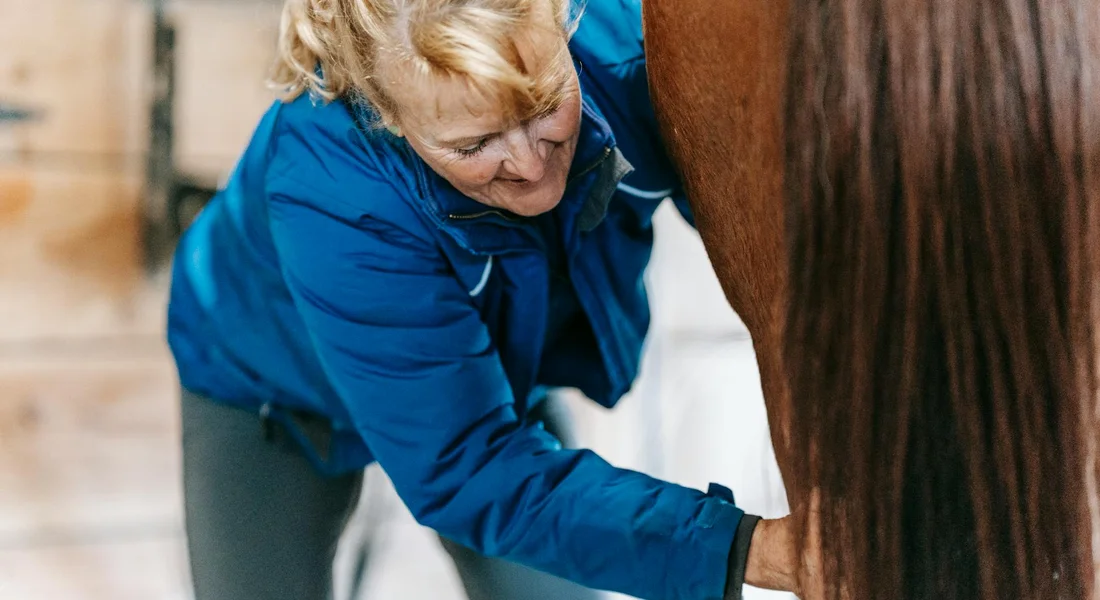
Good ventilation doesn’t require a bank-breaking renovation. With some elbow grease and clever thinking, you can dramatically improve your stable’s air circulation this weekend. I’ve jury-rigged more solutions than I can count, always keeping Rusty’s comfort in mind during our swampy summers.
- Install Hinged Vent Panels: Replace a solid section of your stall’s upper wall or door with a framed, hinged panel of sturdy wire mesh. This creates a controllable opening for cross-breezes without sacrificing security. I used this trick on Luna’s stall to give her a sense of connection to the aisle, which soothes her thoroughbred nerves.
- Switch to Low-Dust Bedding: Chopped paper, peat moss, or certain low-dust wood shavings cut down on the particulate matter your horse inhales. The initial cost might be higher, but the respiratory payoff is immense. Your nose-and your horse’s lungs-will thank you every time you fluff the bedding.
- Establish a Military-Grade Mucking Routine: Remove wet spots and manure the moment you see them, at least twice daily. Ammonia fumes from urine soak into bedding and hang in still air, irritating airways. This simple habit is the single most effective way to maintain baseline air quality.
- Employ Box Fans with Caution: A standard box fan can move air in a stuffy stall, but it must be horse-safe. Secure it high on a wall outside the stall, pointing inward through a grill, or in a protective metal cage. I always place a fan high above Rusty’s door in July; he loves the breeze but would never tolerate the cord-chewing antics of a certain Shetland pony I know.
Daily Routines for Consistently Clean Air
Think of these tasks like grooming your barn. Consistency turns chaotic maintenance into a quick, smooth ritual that protects your horse’s health. The smell of fresh hay should dominate, not the pungent note of ammonia.
- Remove manure immediately during morning and evening checks. Don’t let piles sit and brew.
- Sweep center aisles and walkways daily to control dust and prevent a grimy layer from forming underfoot.
- Inspect every vent, window, and eaves opening weekly for blockages. Cobwebs, bird nests, or stored tack can silently choke off your airflow.
- Skip the leaf blower for aisle cleaning. It just launches fine dust and mold spores into the air your horse breathes. A damp broom or vacuum is kinder.
Seasonal Shifts: Adapting Ventilation Through the Year
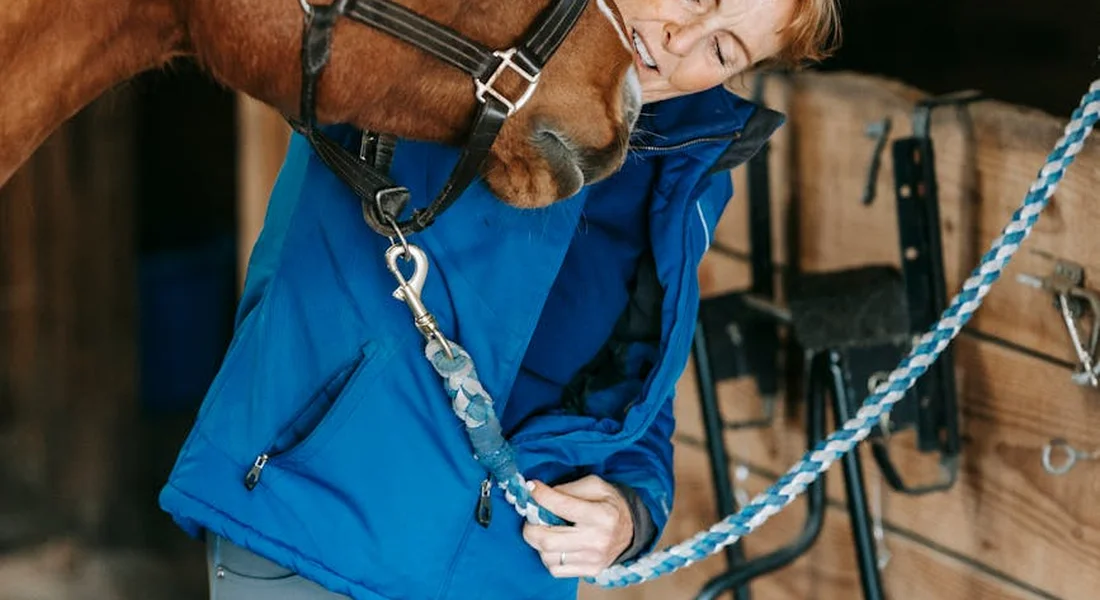
Your barn’s ventilation needs change with the weather. Adapting your approach seasonally prevents common pitfalls like winter moisture buildup or summer overheating. Listening to the creak of timber in the cold or the buzz of flies in the heat tells you what to do next.
Winter demands a balance between warmth and air exchange. Seal bottom drafts near your horse’s legs, but keep ridge vents and high openings clear to let warm, moist air escape. Condensation on walls or windows is a red flag that humidity is too high, inviting respiratory issues. I add a bit more bedding for Pipin in his stall but never close his top vent. As seasons shift, prep your horse’s habitat for changing weather. These small adjustments help maintain comfort and air quality.
Summer is about maximizing natural cooling. Open all lower doors and windows to catch ground-level breezes, and ensure upper vents are open to create a chimney effect. Use fans for circulation, not just directed at a stall. During heatwaves, I hose down the concrete aisle in front of the stalls; the evaporating water cools the incoming air for Luna and the others.
Spring and Fall are transitional. Be prepared to open and close sections of your barn daily as temperatures swing. Monitor rainfall direction; you may need to adjust vents to keep driving rain out while still allowing air movement. This is the time for a deep clean of all your vents and fans before the extremes of summer or winter set in.
How to Properly Ventilate Your Horse Stable for Optimal Health
How often should I completely replace the air in the stable?
Aim for at least four complete air changes per hour to maintain a healthy environment for your horse. This rate effectively dilutes harmful ammonia, moisture, and airborne dust particles. You may need to increase frequency during hot, humid weather or in densely stocked stables, especially when trying to keep horses cool and safe.
What are the best types of vents or windows for a horse stable?
Dutch doors with operable tops are ideal for allowing airflow while keeping horses secure. Ridge vents or cupolas at the roof peak are highly effective for letting warm, stale air escape. Adjustable soffit or eave vents provide reliable fresh air intake and help manage seasonal airflow.
What maintenance is required for a ventilation system?
Conduct weekly inspections to clear vents and windows of cobwebs, dust, and any obstructions like bird nests. For mechanical systems, check fans monthly for proper function and clean blades to ensure efficiency. Seasonally, perform a thorough cleaning and adjust any movable components to suit changing weather conditions.
The Final Check: Your Horse’s Comfort
Prioritize consistent airflow through strategic window placement and ridge vents over simply installing more fans. The goal isn’t a wind tunnel, but a steady, fresh exchange that whisks away moisture and ammonia before they can settle in your horse’s lungs.
Trust your senses-if it smells fresh to you, it’s breathable for them. Your horse’s bright eyes, dry bedding, and peaceful resting are the truest signs your ventilation plan is working. A horse’s respiratory system is built to support performance, delivering oxygen to muscles during work. That link between breathing and effort is what makes air quality so crucial to their training and well-being.
Further Reading & Sources
- Horse Stable Ventilation
- Installation of mechanical ventilation in a horse stable: effects on air quality and human and equine airways – PMC
- Horse Stable Ventilation
- Horse Stable Ventilation and Why It’s Important – Prime Stables
At Horse and Hay, we are passionate about providing expert guidance on all aspects of horse care, from nutrition to wellness. Our team of equine specialists and veterinarians offer trusted advice on the best foods, supplements, and practices to keep your horse healthy and thriving. Whether you're a seasoned rider or new to equine care, we provide valuable insights into feeding, grooming, and overall well-being to ensure your horse lives its happiest, healthiest life.
Stable Management