
How to Set Up a Paddock Paradise Track System on a Small Property
Published on: July 1, 2026 | Last Updated: July 1, 2026
Written By: Henry Wellington
Hello fellow equestrians. Does your horse spend too much time standing in a small, muddy paddock, and you are watching for signs of stiffness, weight gain, or stall vices? I have felt that knot in my stomach too, knowing that limited movement leads directly to vet bills and behavioral headaches.
Transforming a compact area into a track system solves this by getting your horse moving naturally. In this guide, I will share the exact steps I have used on my own property to build a safe, engaging track that promotes hoof health and mental peace.
We will cover the core components you need to plan:
- Mapping your existing land to maximize every inch for the track loop.
- Choosing affordable, safe fencing options that work for curious horses.
- Creating strategic slow-feeding stations to encourage foraging on the move.
- Installing footing and drainage that handles all weather on a budget.
My advice comes from years of barn management and training, where I have turned problematic small paddocks into dynamic spaces for horses like my sensitive Thoroughbred, Luna, and my clever pony, Pipin. Ultimately, it all comes down to creating a safe, enriching environment for your horse. In the next steps, I’ll outline practical ways to do that.
What is a Paddock Paradise Track System?
Think of a Paddock Paradise not as a pen, but as a purposeful path. It’s a continuous track, usually a loop around your property’s perimeter, that turns your horses’ daily life into a journey of natural movement. These ideas apply whether your horses are turned out on pasture or in a paddock, each offering distinct benefits. Understanding these differences helps tailor your Paradise to your herd.
- The core concept is a continuous track that encourages natural movement. Instead of loafing in a corner, horses walk to find what they need, just as their wild ancestors did.
- It’s a stark contrast to a traditional square paddock. That static space often leads to standing and overgrazing, while a track forces gentle walking and foraging. I remember how Rusty would stand for hours by the gate; now he’s always on a slow, sniffing patrol.
- Its origins lie in observing wild horse bands. Jaime Jackson developed the ethos to mimic wild horse travel patterns, where covering distance for food and water is a way of life.
The Core Principles Behind the Track
Building a track is about designing for flow, not for confinement. You are creating a landscape that invites curiosity and steady travel.
- Movement is non-negotiable. Every design choice should get horses walking.
- Varied terrain builds strength. Incorporate gravel patches, gentle slopes, and grassy stretches to challenge the body naturally.
- Dispersed resources are the key. Nothing is conveniently in one place, which prevents laziness and promotes exploration.
- This is a meandering pathway, not a racetrack. Wide curves and interesting features encourage a slow, consistent pace. Our track has a bend where the blackberries grow, and Pipin always stops there for a sly snack.
Forced Movement for Optimal Health
You can stop worrying about adding enough exercise to their day. The track’s layout builds movement into every hunger pang and thirst.
- By spacing hay, water, and shelter apart, you create essential trips. A horse might walk a quarter-mile just for a drink, which does wonders for hoof circulation and gut motility.
Strategic Placement of Every Resource
Place each resource with intent, like setting up stations in a circuit. Strategic scattering prevents crowding and turns basic needs into engaging activities.
- Use multiple slow-feed hay nets around the track. This mimics grazing patches and stops a dominant horse from guarding all the food.
- Put water troughs in quieter, less trafficked areas. I placed ours under a big oak, and the sound of dripping water now draws the herd to a calm, shaded drink.
- Position shelter or mineral licks away from main paths. This ensures horses move to seek comfort, breaking up their day with deliberate travel.
Why Your Horses Thrive on a Track System
Switching to a track transformed my barn from a holding area into a dynamic habitat. The improvement in equine welfare is the most convincing argument I can give.
- The physical and behavioral benefits are profound. Contrast track life with stall confinement: horses are meant to move, not stand on concrete for 23 hours a day.
- Personal experience seals the deal. Luna’s high-strung tension melted away when she had a track to patrol. Her focus shifted from the stall door to the horizon.
Physical Health Perks: Hooves, Weight, and More
The track is a 24/7 wellness plan. Constant, slow movement addresses health issues at their root.
- Natural hoof trimming occurs with every step. Varied surfaces wear down hooves evenly, promoting stronger digital cushions and reducing thrush risk.
- Metabolic function finds its balance. Movement helps regulate insulin and burns calories. Rusty, our easy-keeper Quarter Horse, leaned out beautifully without me cutting his hay.
- Laminitis risk plummets. Controlled movement and dispersed eating prevent the sugary spikes that come from gorging on rich pasture.
- Circulation and joint health are constantly supported. Steady walking acts like a lymphatic pump for the legs and keeps synovial fluid moving in the joints. It’s preventative care you don’t have to schedule.
Mental Wellness and Herd Harmony
A track gives a horse a job that matters: being a horse. This simple shift cuts boredom off at the pass and fosters a peaceful herd.
- Stereotypic behaviors like weaving or stall-walking often disappear. The environment provides natural stimulation, so they don’t invent destructive habits.
- Herd dynamics become more fluid and less tense. Horses choose their walking companions and change groups throughout the day. I’ve watched Pipin lead a parade of bigger horses, his little black ears pricked with importance.
- Exploration is built into their routine. The smell of fresh dirt after rain, the thud of hooves on different footing, the discovery of a new bird’s nest-these moments keep their minds quietly engaged.
Planning Your Track: Smart Design for Small Acres
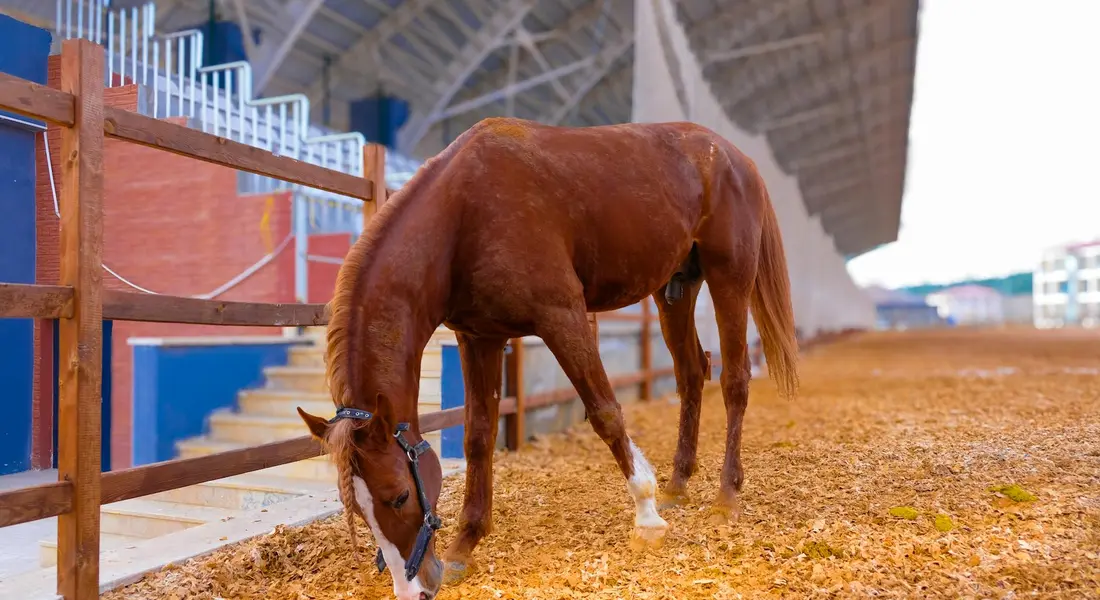
Small acreage demands clever thinking. Your goal is to create a path that encourages natural movement, not just a skinny pasture. Maximizing every square foot means using your land’s natural features to your advantage, turning limitations into opportunities for equine enrichment. This is about creating an enriching pasture environment for horses. Small design choices—diverse forage, varied terrain, and safe shade—encourage movement and exploration.
First Steps: Evaluating Your Land
Grab your boots and a notebook. Walk your property slowly, preferably after a rain. Feel the ground under your feet and watch where water pools. Identifying low, soggy spots now saves you from a mud-choked track later, which is crucial for hoof health and your sanity.
- Trace the perimeter. Note the firm, high ground for your main path.
- Mark any slopes; a gentle incline is great for fitness, but a steep bank can be risky.
- Map sunny and shaded areas. You’ll need both for seasonal comfort.
- Check soil drainage. Sandy soil drains fast, while clay holds water and needs help.
Good drainage isn’t a luxury. It prevents thrush and keeps your horses moving comfortably year-round.
Track Layouts That Work on Limited Land
You don’t need a vast estate. Simple, intentional designs create more mileage and mental stimulation than a square paddock ever could.
The Basic Perimeter Loop
This is your foundation. Run your track just inside your existing boundary fence. Using your property line as a guide instantly gives you a long, continuous path for walking and trotting without using up precious interior space. It’s how I started with my sensitive Thoroughbred, Luna; it gave her a clear, predictable circuit that helped settle her mind. It was also the first step in training her to be a confident trail horse.
The Figure-Eight or Crossover Design
For more intrigue, add a crossover lane. Imagine two loops sharing a central point. This design forces decision-making and increases travel as horses loop around to visit different resources, effectively doubling the activity in a tight area. Horses walk these layouts and navigate obstacles with practiced poise, reading the terrain as they go. My pony Pipin’s track has a figure-eight, and watching him choose his path each morning is a masterclass in equine curiosity.
Choosing Safe and Cost-Effective Fencing
Your fence is your track’s skeleton. Safety always trumps aesthetics, especially on a budget.
- Electric Tape: Affordable, highly visible, and easy to install. It’s psychological fencing that teaches respect without a physical barrier. Perfect for interior crossover lines.
- Post-and-Rail: Traditional and sturdy for permanent outer boundaries. More expensive but offers passive security.
- Combination Approach: Use wood or vinyl for corners and high-traffic areas, with electric tape for the long stretches. This blends durability with cost control.
Place gates at strategic corners for easy manure collection with a cart. Always install gates that swing inward, away from the track, so a spooky horse doesn’t trap you against the fence.
Building Your Paradise: A Practical Step-by-Step Guide
Now for the hands-on part. This is where your plan meets the earth. Take it one step at a time, and don’t be afraid to adjust as you go.
Step 1: Map and Mark the Track Path
With your layout chosen, walk the exact route. Use landscaping flags or safe spray paint to mark the center line. Aim for a width of 12 to 15 feet-wide enough for horses to pass comfortably but narrow enough to encourage forward movement. I learned this width the hard way; too narrow and Luna would feel trapped, too wide and it became just another paddock.
Step 2: Install Fencing and Secure Access Points
- Set your corner posts deep and concrete them in. Everything hinges on solid corners.
- Run your chosen fencing material, keeping it taut and at chest height for your horse.
- Install gates at every planned access point, using double-latch closures for safety.
Test every gate latch yourself multiple times, imagining you have a lead rope in one hand and a nervous horse in the other.
Step 3: Establish Essential Stations Along the Route
Stations are the heart of the system. Space them out to make your horses work for their resources.
Hay and Forage Stations
Never cluster all the hay in one place. Use slow-feed nets or sturdy hay boxes anchored to fences at multiple points. Rotating which station has the best hay every few days keeps the herd exploring and prevents boss horses from monopolizing a single spot.
Water Troughs and Mineral Licks
Place at least two water troughs on opposite sides of the track. Check them twice daily. Put salt and mineral blocks away from water sources, forcing a healthy walk between thirst and appetite. This simple trick adds countless extra steps to their day.
Shelter and Shade Provisions
Your track needs weather refuge. A simple three-sided run-in shelter works, or utilize a dense tree line. Position shelter so horses can access it without leaving the track, ensuring they don’t have to choose between comfort and movement during a storm. If you’re unsure how to build a reliable shelter, learn how to build safe shelter and shade for your horse.
Step 4: Prepare the Track Surface for Paws and Hooves
Good footing is non-negotiable. Use what you have: firm native soil is often best. On flat ground, crown the center of the track slightly so water runs off to the sides. Incorporate natural slopes and gravelly areas if you have them; varied terrain naturally strengthens tendons and ligaments. Avoid deep sand or pure mud-think supportive, not soft.
Step 5: Introduce Your Herd to Their New Track
Start at dawn when horses are most curious. Lead them onto the track, walk them once around, and then let them explore loose. Watch their body language closely for the first few hours to see which stations they find and if any areas cause hesitation. With Pipin, I had to move a hay net after seeing him consistently avoid a windy corner. Be ready to tweak, especially if you’ve spent time communicating and connecting with your horse.
Keeping the System Healthy: Maintenance and Troubleshooting
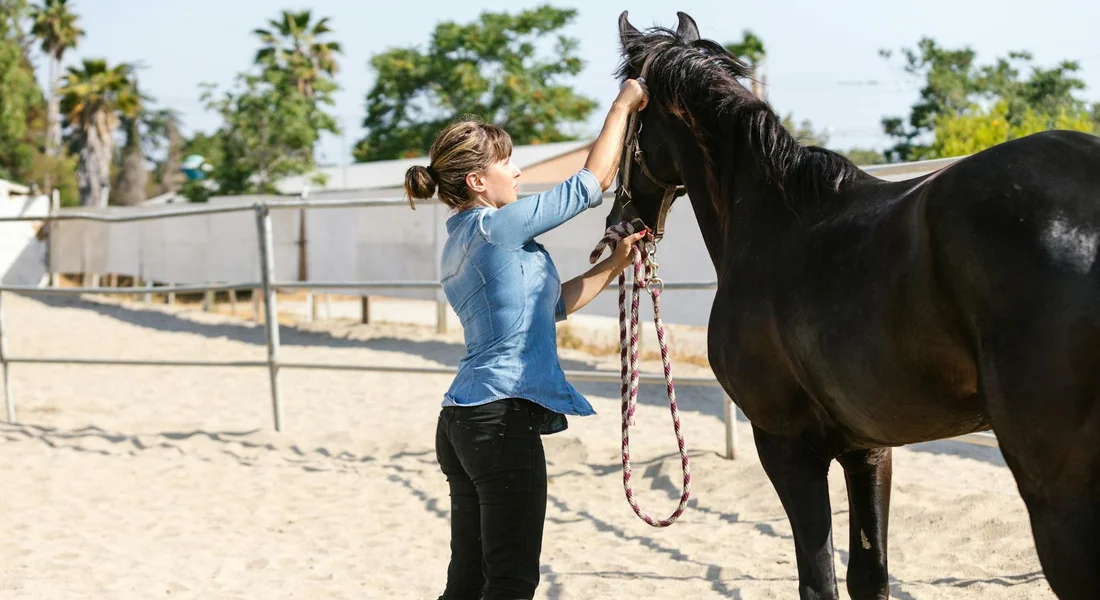
Think of your track like a favorite piece of tack-it needs regular care to perform. Proactive, mindful maintenance is what separates a thriving equine pathway from a muddy, problematic mess.
- Daily and weekly check-ins prevent most major issues. I spend ten minutes each morning walking the track, just like checking legs before a ride.
- Seasonal awareness keeps your horses safe and comfortable year-round. Your management must adapt with the weather.
- Every problem has a practical fix, often learned the hard way. My time with clever escape artists like Pipin has taught me to think like a horse to solve track troubles.
Routine Upkeep for a Flourishing Track
Consistency is key. Small, daily actions build a system that almost runs itself, promoting constant movement and natural behavior. Here is the core checklist from my barn log.
- Walk the entire fence line every morning. Look for loose posts, sagging wire, or chewed boards. I once found Pipin happily grazing outside a section Luna had worried with her teeth.
- Scrub and refill water troughs at least twice a week. Algae grows fast in summer, and ice is a winter hazard. Clean water encourages drinking, which is vital for digestion.
- Move hay feeders and mineral blocks every few days. This prevents overgrazing of the track edge, reduces mud, and forces your herd to explore. Rusty always knows where the hay was yesterday.
- Pick manure from the track surface daily. I do a quick pick during feeding time. This simple step drastically cuts down on internal parasites and keeps the footing pleasant.
Seasonal Adjustments for Year-Round Use
Your track is a living space that changes with the seasons. Staying ahead of the weather means your horses get turnout 365 days a year.
Battle winter mud with strategic footing. I add coarse gravel or wood chips to gateways, corners, and hay areas before the rains come. A slight crown in the track path lets water sheet away instead of pooling underfoot.
Provide ample summer shade and multiple water sources. Use existing trees or install a simple shade sail over a resting area. I always have two water troughs on opposite sides of the track so Luna doesn’t have to choose between hydration and avoiding the busy corner.
Adjust forage type and quantity with the seasons. In spring, I offer more stemmy hay to balance the rich grass. Winter demands abundant, high-quality hay to fuel warmth, replacing the lush pasture they’re designed to walk and search for.
Solving Common Track Troubles
You will hit snags. View each problem as a puzzle to solve, not a failure of your system. These are the fixes I rely on.
Horses Avoiding Certain Sections
If your herd bunches up or skips a stretch, they lack motivation to travel there. Move a high-value resource like their primary hay feeder to the deserted zone for a week. I did this with a spooky back section; placing the hay there made it a reward, not a risk.
Drainage Issues and Mud Management
Chronic mud is a safety and health risk. For a persistent boggy area, dig a shallow diversion ditch uphill to channel water away. Adding drainage gravel or crushed stone creates a firm, dry lane. Sometimes, the simplest fix is just improving the slope.
Parasite Control and Pasture Rotation
The track design itself aids parasite control. Because manure is deposited along the moving path, larvae are dispersed and exposed to sun and weather, which naturally reduces their numbers. I still rotate hay feeding spots and use a drag harrow on any interior resting paddocks. Regular fecal tests remain your best tool for tailoring any deworming program.
Frequently Asked Questions About Setting Up a Paddock Paradise Track System on a Small Property
Can a paddock paradise track system be implemented on a property with slopes or hills?
Yes, slopes can be creatively incorporated into your track to enhance natural movement and fitness. Design the path to include gentle inclines, which encourage muscle development and joint health without risking injury. Ensure proper grading and drainage on steeper sections to prevent erosion and maintain a safe, stable surface for daily travel.
What are the most common mistakes to avoid when setting up a track system for the first time?
Avoid placing all hay, water, and shelter too close together, as this reduces the need for movement and defeats the system’s purpose. Do not skip regular track maintenance like manure removal, which can lead to parasite buildup and muddy, uninviting paths. Ensure fencing is secure and visible to prevent accidents and encourage confident exploration along the entire loop.
How do I manage feed and forage on the track to prevent weight gain in easy-keepers?
Utilize multiple slow-feed hay nets spaced widely apart to promote prolonged, active foraging and increase step count. If you’re evaluating which types of hay are best for horses, a complete comparison can guide your choice. Choose lower-calorie, high-fiber hay varieties to meet nutritional needs without excess calories, adjusting amounts based on seasonal changes. Regularly rotate forage stations and monitor body condition to ensure horses maintain a healthy weight through natural activity.
Your Track System, Ready to Roll
Begin with your existing perimeter fence to form the main loop, and strategically place hay, water, and shelter to motivate daily travel. Success hinges on creating a layout where your horse must move to meet his basic needs, transforming idle standing into purposeful walking. Plan a safe turnout area with a clear fencing layout to minimize hazards and guide movement. A good fencing plan supports consistent activity and safer transitions between spaces.
Allow several weeks for your herd to settle into the new rhythm, making small adjustments based on the mud patterns and trails they create themselves. The most important metric is your horse’s condition: a content, moving horse with sound hooves tells you the system is working. To optimize care, start measuring each horse’s fitness recovery time after workouts, and note how long it takes to return to baseline. This practical metric helps you tailor turnout, rest, and riding load so the herd remains balanced.
Further Reading & Sources
- Paddock Paradise Track System for Horses – Extension / NRCS – Small Acreage Management
- Paddock Paradise for Horses: A Guide to Track Systems | Mad Barn
- Paddock Paradise: A Guide to Natural Horse Boarding – Jaime Jackson NHC Services
- Paddock Paradise Track System – Natural Enrichment for Horses | Facebook
At Horse and Hay, we are passionate about providing expert guidance on all aspects of horse care, from nutrition to wellness. Our team of equine specialists and veterinarians offer trusted advice on the best foods, supplements, and practices to keep your horse healthy and thriving. Whether you're a seasoned rider or new to equine care, we provide valuable insights into feeding, grooming, and overall well-being to ensure your horse lives its happiest, healthiest life.
Stable Management