
What Are the Key Features of a Well-Designed Horse Stable?
Published on: February 17, 2026 | Last Updated: February 17, 2026
Written By: Henry Wellington
Hello fellow equestrians. That faint cough from the stall or the new nick on your horse’s hip from a sharp edge-it starts a familiar dread. You’re right to worry, as poor stable design directly leads to respiratory issues, injuries, and stressful behaviors that cost you time and money.
Let’s build a better space. A well-planned barn prevents problems by working with the horse’s nature, not against it. We will break down the essential features that transform a simple shelter into a foundation for health.
- Superior airflow and ventilation to banish dust and dampness.
- Thoughtful stall size and safe construction that allows for comfortable movement.
- Flooring choices that support legs and simplify your mucking routine.
- A layout that prioritizes safety, light, and easy turnout for a calm herd.
My decade as a barn manager, caring for everything from steady Rusty to high-strung Luna, has taught me that the right design is the first step in gentle horsemanship.
The Foundation: Stall Design and Dimensions
Think of the stall as your horse’s bedroom; it needs to be safe, comfortable, and built to last. A well-proportioned space prevents anxiety and injury, letting your horse relax fully. I’ve spent years watching horses like Luna pace in cramped stalls, a clear sign we need to do better by our equine partners. Getting the basics right here is the first step in advocating for their daily welfare.
Start with size. A stall that’s too small is a welfare issue, preventing natural movement and rest. Use this table as a quick guide for minimum dimensions, but always err on the larger side if you can.
| Horse Type | Minimum Dimensions (Feet) | Ideal for Comfort (Feet) |
|---|---|---|
| Pony (e.g., Pipin) | 10 x 10 | 12 x 12 |
| Light Horse (e.g., Rusty, Luna) | 12 x 12 | 12 x 14 or 14 x 14 |
| Draft Horse | 14 x 14 | 16 x 16 or larger |
Doors and dividers need smart design to keep curious noses and active hooves safe. Sliding doors save aisle space but can freeze on their tracks in winter. Swinging doors are classic but must have heavy-duty kick bolts so a startled horse can’t pop them open. Every latch should be foolproof, because a clever pony like Pipin will test every single one.
Stall dividers should be solid up to horse chest height to prevent leg injuries, then transition to spaced bars or heavy mesh. This design stops kicks but lets horses see and smell their neighbors, which satisfies their herd instinct. For materials, choose toughness. Treated lumber, steel piping, and rubber kickboards withstand chewing, soaking, and the occasional frustrated thud.
Getting Stall Size Right
Don’t just guess; measure your horse. Here’s how I do it for every new boarder.
- Position your horse standing square on level ground.
- Use a measuring tape to find the length from the point of the shoulder to the point of the buttock.
- Add at least 4 to 6 feet to that length. This extra space is for turning around and lying down without feeling trapped.
- Check the height. The stall walls should be a minimum of 7.5 to 8 feet tall for safety.
For a quick reference: a 12×12 stall is the absolute minimum for a 15-hand horse. My quarter horse Rusty does fine in a 12×14, but Luna, my thoroughbred, appreciates the extra inch or two to move in her more anxious moments.
Doors, Dividers, and Durable Materials
Choosing between door styles depends on your barn layout and your horse’s personality.
- Sliding Doors: Great for narrow aisles. They reduce the hazard of a swinging door hitting a passing horse. The downside? They require excellent maintenance to slide smoothly in all weather.
- Swinging Doors: They open inward and must latch securely outward. I prefer them for easy one-handed operation when I’m carrying a bucket. Just ensure the swing path is always clear.
The ideal divider is about 4.5 feet of solid panel, then vertical bars spaced no more than 3 inches apart. This keeps legs safe but allows contact. For materials, metal is low-maintenance and durable, while treated wood needs regular checks for chewing damage. Invest in good materials once; it’s cheaper than constant repairs after a bored horse finds a weak spot.
Breathing Easy: Ventilation and Air Quality
Stale air in a barn is a silent threat. Poor ventilation leads to dampness, ammonia buildup, and respiratory problems like heaves. I learned this the hard way with a senior horse who developed a cough in a poorly vented stable. Common causes of coughing include dusty bedding, moldy forage, and ammonia fumes. Taking steps to improve ventilation, reduce dust, and keep feeds clean can help prevent or lessen coughing. Good air flow is non-negotiable, more critical than fancy fittings or paint. Your horse’s lungs depend on it every single day.
Natural ventilation works best. Think of your barn as needing to breathe out at the top. Ridge vents along the roof peak let hot, moist air escape. Open eaves or soffits near the roof line draw fresh air in. Place windows on opposite walls to create cross-breezes without creating direct drafts on stalled horses.
Ammonia from urine stings your eyes and damages equine airways. Control it with deep, absorbent bedding and a floor that drains. The choice of bedding directly impacts the air your horse breathes all night long. Insulation, while not always needed in mild climates, helps temper extreme heat and cold, making the barn more comfortable for everyone.
Managing Airflow and Ammonia
If your barn feels stuffy or smells sharp, it’s time for an air audit. Follow these steps.
- On a calm day, hold a thin strip of tissue at various heights in the stall and aisle. It should flutter slightly from air movement.
- Check for condensation on walls or ceilings in winter-a sure sign of trapped moisture.
- Improve flow by installing simple roof vents or ensuring existing windows actually open.
- Keep aisle doors open when weather allows to encourage a chimney effect.
For bedding, kiln-dried pine shavings are my top pick for ammonia control; they’re super absorbent and suppress odor. Straw is cheaper but molds faster and holds less moisture. No matter what you use, the real trick is consistent mucking to remove wet spots before ammonia has a chance to form.
Insulation and Climate Considerations
Insulation isn’t about heating the barn; it’s about stabilizing the temperature and reducing drafts. In my barn, we used foam board insulation in the walls and ceilings of a few stalls for our more sensitive boarders. It made a noticeable difference in winter chills and summer heat retention in the roof space.
Simple climate hacks go a long way. In summer, I use sturdy, safely caged box fans pointed *out* of stall windows to pull hot air out. In winter, I adjust those same vents to minimize direct wind while still allowing moisture to escape. The goal is a stable environment, not a sealed one, because fresh air must always keep moving. Remember, a horse’s own metabolism and good blanketing often do more than any barn heater ever could.
Underfoot: Flooring, Bedding, and Drainage
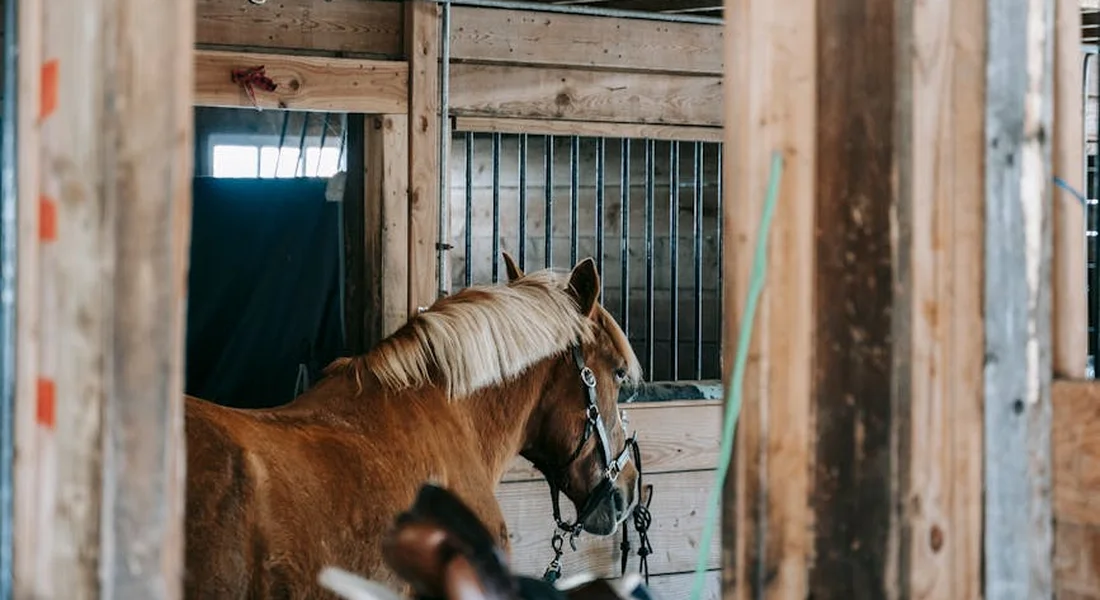
The ground your horse stands on for hours is as important as the shoes on your feet. Get it wrong, and you’re inviting leg fatigue, stiffness, and a host of hoof issues. Get it right, and you provide a foundation for rest and recovery, especially when standing for extended periods.
Choosing Safe and Non-Slip Flooring
Your base layer sets the stage. I’ve spent years on my knees in stalls, feeling the difference. Here’s the rundown.
- Dirt or Clay: Traditional and forgiving on joints. The right clay mix packs well and drains. The wrong one turns to soup or concrete. It requires constant maintenance-leveling, digging out, adding fresh material. It’s affordable initially but labor-intensive forever.
- Rubber Mats: My personal choice for any permanent stall. They provide cushion, reduce bedding use by up to half, and offer a secure, non-slip surface. They are a long-term investment that pays for itself in saved bedding and horse comfort. Not all are equal; aim for at least 3/4-inch thick, interlocking mats designed for stables.
- Concrete: Extremely durable and easy to clean, but brutally hard. Never use as a standalone floor. If present, it must be completely covered by a thick base of compacted stone dust or clay and then heavy-duty mats. Even then, it’s cold and unforgiving.
Installing rubber mats isn’t just tossing them down; a proper base prevents shifting and dips. Here’s my field-tested method:
- Excavate the stall area to a depth of about 6-8 inches.
- Layer and compact 4 inches of crushed stone or limestone screenings. This is your critical drainage layer.
- Add, level, and compact 2 inches of finely packed clay or stone dust. This creates a perfectly smooth, firm surface.
- Lay your interlocking mats, trimming edges as needed. The fit should be snug against the walls.
Effective Bedding and Drainage Systems
Bedding is more than a toilet; it’s a cozy bed, a shock absorber, and a moisture manager. For my guys, I aim for deep, luxurious banks that encourage lying down.
Aim for a minimum depth of 6-8 inches of packed bedding in the resting area, building up banks around the walls to 12 inches. This protects legs and sides when a horse rolls or gets up. For a 12×12 stall, this typically means starting with 3-4 standard bags of shavings or 2-3 bales of straw.
- Wood Shavings/Pellets: Highly absorbent, low dust (if kiln-dried), and easy to muck. Pellets expand when wet, creating a fluffy, sawdust-like layer.
- Straw: Traditional, inexpensive, and composts wonderfully. It’s less absorbent than shavings and can be eaten by some horses, leading to impaction risk. It also tends to be dustier.
- Remove wet spots and manure daily. A full bedding change depends on your base; with mats and good maintenance, you might strip a stall completely every 4-6 weeks.
All that moisture needs somewhere to go. A damp stall is a thrush factory. The best drainage happens beneath the surface, starting with that compacted stone base under your mats. The stall floor should have a slight slope-about 1 inch per 10 feet-toward the door or a dedicated drain channel. This invisible grade encourages water to seep down and away, keeping the surface your horse touches remarkably dry.
Light and Power: Lighting and Electrical Safety
Good lighting isn’t just about seeing; it’s about wellbeing. A dark, shadowy barn is stressful for prey animals and a tripping hazard for you. And where there’s light, there’s power-the biggest fire risk in any barn.
Adequate Lighting for Horse and Human
Horses see differently than we do. Sudden, stark shadows can spook them. You want even, diffuse illumination that mimics a cloudy day.
- Stalls: Use a shielded fixture placed outside the stall grill. The goal is to illuminate the space without a dangling bulb your horse can investigate. LED panels are fantastic here.
- Aisles: Lights should run the length of the aisle, spaced to eliminate dark patches. You need enough light to see the gleam of a dropped nail or the subtle look in your horse’s eye.
- Tack Room/Grooming Areas: This is your workshop. Install bright, shadow-free task lighting above grooming stalls and saddle racks.
Never underestimate the calming power of natural light. Windows with secure bars or heavy-duty mesh, translucent roof panels, and Dutch doors all flood a barn with sunshine, reducing your reliance on artificial light and boosting equine mood. I’ve seen Luna’s anxiety visibly drop when her stall door is open to the morning sun.
Safe Electrical Installations
Barns are a perfect storm of dust, moisture, hay, and curious mouths. Your electrical system must be fortress-like.
All wiring must be in conduit, all outlets must be waterproof, GFCI-protected, and placed well out of reach of equine noses. Use fixtures rated for damp, dusty environments. Schedule an annual inspection by an electrician familiar with agricultural codes.
I’ve seen the aftermath of a small electrical fire. It’s terrifying. Never, ever use extension cords as permanent wiring or overload circuits with space heaters and appliances. Dust itself can be explosive; a spark from a frayed cord in a dusty loft is a legitimate danger. If you need more outlets, hire a professional to install them properly. It’s not a place for DIY guesswork.
Horse-Centric Design: Welfare and Well-Being
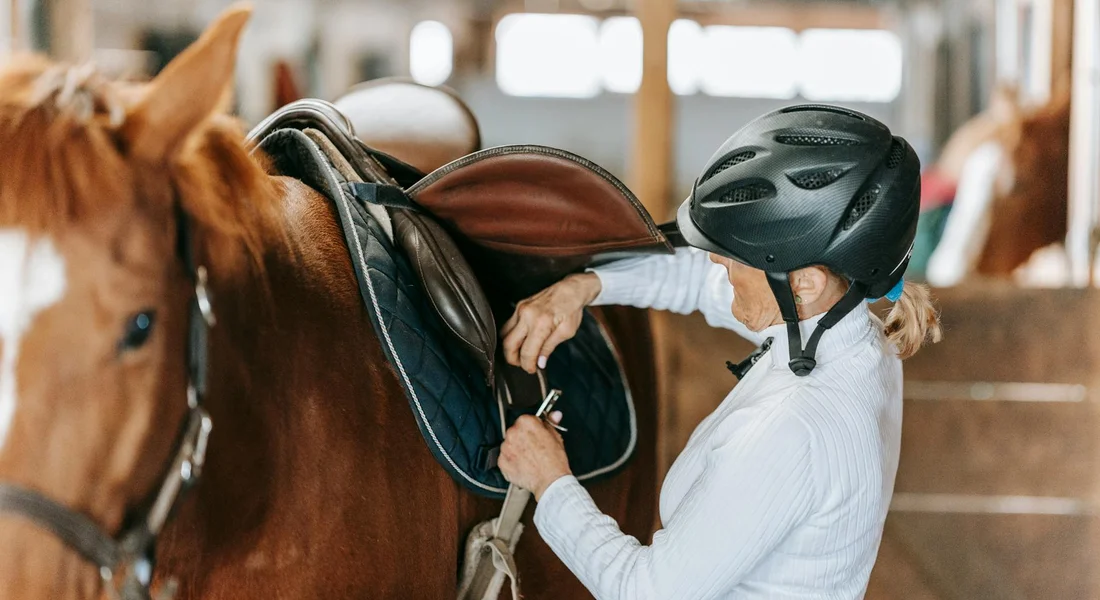
Designing for the horse means seeing the barn through their eyes. It’s about creating a space that feels secure, not confining. A well-designed stable functions as a safe harbor, not a source of daily stress. The goal is a barn where a horse can relax completely, where their natural herd instincts and need for movement are accommodated, not fought against.
Promoting Social Contact and Turnout Access
Horses are not meant for solitude. I’ve watched Luna fret in a solid-walled stall, her anxiety rising with every whinny she couldn’t answer. Stall walls with open grilles or Dutch doors allow horses to see their neighbors. This simple line-of-sight contact is a powerful calmer. Windows to the outdoors aren’t just for light; they are a horse’s television, providing mental stimulation and a connection to the herd outside.
Even better than just seeing turnout is getting to it. Stalls with direct, safe access to a paddock or dry lot are a game-changer. Imagine a gate that swings open from the stall itself. This design lets a horse choose to be in or out for much of the day, promoting movement and drastically reducing the labor of hand-walking. Pair this with a well-planned, safe turnout area and fencing layout to keep horses secure and easily supervised. Thoughtful gate placement, boundary materials, and transition zones support natural movement while reducing risk. Direct turnout access is the single best feature you can add for equine mental and physical health, turning a stall into a resting room within a larger living space.
Reducing Stress with Smart Layout
Barns are noisy places. The clang of a bucket, the bang of a door, the rumble of the tractor-it all echoes. Strategic layout softens this chaos. Place feed and equipment rooms, wash racks, and aisles for tractor traffic away from the main stall bank. Use absorbent materials like rubber stall mats and aisle flooring to dampen the thud of hooves. A quiet barn is a calm barn, and you’ll notice the difference in how your horses stand and rest.
Never forget the people who care for them. Wide aisles allow a vet to work safely, a farrier to set up without being crowded, and a horse to be turned around easily. A designated holding area or a spare stall for treatments keeps routine care from becoming a rodeo. Easy access for professionals isn’t a luxury; it’s a core component of proactive, stress-free healthcare for your horse. Gentle slopes and non-slip surfaces also make a world of difference for older companions like Pippin, ensuring they can move comfortably without fear of slipping.
Practical Spaces: Feed, Tack, and Manure Management
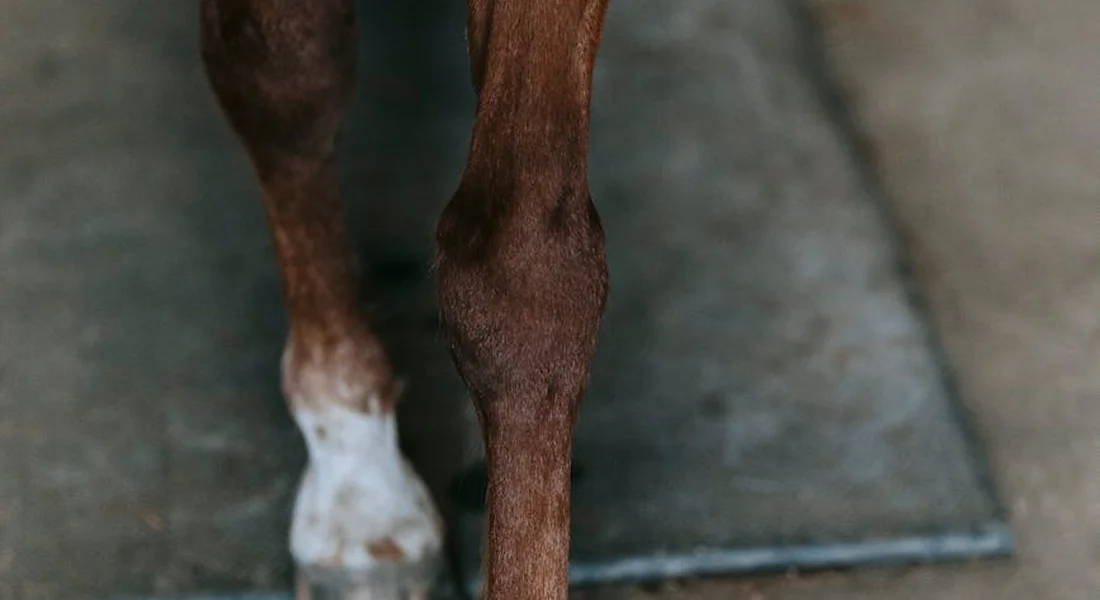
The backstage areas are what make the front-of-house shine. A chaotic feed room leads to wasted money and potential colic. A damp tack room ruins leather. Poor manure management attracts every fly in the county. Getting these utility spaces right is what separates a pretty barn from a functional, healthy, and efficient equine home. It’s the difference between chore-time frustration and smooth, safe daily rhythm.
Organizing Feed and Tack Rooms
Your feed room must be a fortress against pests and moisture. I learned this after a mouse breach cost me a whole bag of sweet feed. Use sealed metal or heavy-duty plastic bins for every type of grain and supplement. Label everything clearly. Shelves should be easy to wipe down, and the floor should be sealed concrete. This setup also helps you manage flies and other pests that irritate your horse. Cleaner, sealed spaces reduce attractants and make fly prevention easier around feeding times. An organized feed room prevents accidental overfeeding, spoilage, and is your first line of defense in managing your horse’s diet precisely.
Your tack room is an investment locker. Proper saddle racks and bridle hooks preserve the shape and integrity of your equipment. Ensure the room is ventilated to prevent mildew but not subject to wild temperature swings. A simple, dedicated space for cleaning supplies, vet kits, and grooming tools saves precious minutes during emergencies. Do clean and maintain horse tack blankets—wash, dry thoroughly, and inspect for wear. This keeps them warm and safe for your horse. Taking ten minutes to wipe down and properly put away your bridle after a ride adds years to its life, saving you money and keeping your horse comfortable.
Efficient Manure and Water Systems
Manure happens. A lot of it. The key is a simple, non-negotiable system. A muck cart with a designated, easy-access dumping spot is mandatory. A covered compost bin or pile, placed downwind from the barn, controls odor and flies while creating valuable garden compost. Daily removal is non-negotiable for parasite control and stable air quality; it’s a gift to your horse’s lungs and your nostrils. Proper composting techniques ensure it becomes a beneficial resource rather than a problem.
Water is life. Automatic waterers in stalls are fantastic for providing a constant fresh supply, but they must be checked and scrubbed daily-they can fail or become slimy. Always keep a clean bucket as a backup in each stall. Nothing is more critical than monitoring your horse’s water intake, so whether it’s an automatic system or buckets, your routine must include a visual check of consumption levels twice a day, especially considering how much water a horse needs daily.
Frequently Asked Questions: What Are the Key Features of a Well-Designed Horse Stable?
What safety features should be incorporated into the design?
All hardware, like latches and hinges, must be heavy-duty, foolproof, and designed to prevent accidental opening by curious horses. Aisles should be wide enough for a horse to turn around comfortably, and all surfaces must be free of sharp edges or protrusions to prevent injuries. Incorporating fire-resistant materials, clearly marked exits, and a well-planned layout for emergency access are non-negotiable for protecting both equine and human lives.
What are the best practices for feed and tack storage?
Feed must be stored in airtight, pest-proof containers placed in a clean, dry, and dedicated room to prevent spoilage and contamination. Tack rooms require proper ventilation, sturdy saddle racks, and bridle hooks to preserve leather and organize equipment safely away from dust and moisture. An organized system for supplements, medications, and grooming tools streamlines daily care and ensures everything is secure and easily accessible.
What are the important features for lighting and electrical safety?
All lighting should provide even, shadow-free illumination using fixtures rated for damp, dusty environments and placed out of a horse’s reach. Every electrical outlet must be GFCI-protected, waterproof, and all wiring should be securely housed in conduit to prevent fire risks from sparks or chewing. It is critical to avoid using extension cords permanently and to schedule annual inspections by a qualified electrician familiar with agricultural building codes.
Designing a Space Your Horse Will Thrive In
A well-designed stable supports health through dry, draft-free ventilation, secure footing, and enough room to lie down and move comfortably. Always prioritize a direct path to daily turnout, because no stable feature can replace the mental and physical benefits of time in a pasture. Pasture time supports grazing, social interaction, and natural movement, while paddocks offer safer, controlled exercise. These differences help tailor daily turnout to your horse’s needs.
Good barns are built slowly, with a keen eye on safety and a willingness to adapt. Your horse’s relaxed demeanor and quiet contentment will tell you when you’ve gotten it right.
Further Reading & Sources
- Horse Stall Design
- Horse Stable Layout: 7 Proven Designs for Maximum Efficiency and Comfort
- The Basics of Horse Stall Design | Stable Management
- How to Design the Perfect Stall for Your Horse | Horse Journals
At Horse and Hay, we are passionate about providing expert guidance on all aspects of horse care, from nutrition to wellness. Our team of equine specialists and veterinarians offer trusted advice on the best foods, supplements, and practices to keep your horse healthy and thriving. Whether you're a seasoned rider or new to equine care, we provide valuable insights into feeding, grooming, and overall well-being to ensure your horse lives its happiest, healthiest life.
Stable Management