
Rescue Horse Adoption: Debunking 8 Common Myths to Find Your Perfect Partner
Hello fellow horse lovers. That heart-tugging photo of a soulful-eyed rescue horse has you dreaming of bringing one home, but a whisper of doubt about vet bills or dangerous behaviors is holding you back. You’re right to think carefully-this is a big commitment, and the myths swirling around equine adoption can make the decision feel even more daunting.
Let’s clear the air right in the pasture. Today, we’ll separate barn gossip from barn truth, covering the real facts on their potential health costs, the truth about “unfixable” behaviors, suitability for beginners, the actual adoption process, the hidden talents of older rescues, assumptions about their past trauma, the real timeline for bonding, and the profound joy of giving a horse a second chance.
I’ve walked this path firsthand, managing barns and training everything from cheeky Shetlands to off-track Thoroughbreds, and I can tell you that the right rescue horse isn’t a project-they’re your next best friend.
Why Busting Rescue Horse Myths Matters for Equine Welfare
Every time someone chooses to adopt, they directly create space and resources for another horse in desperate need. Nonprofit rescues operate on shoestring budgets and overwhelming passion; they are constantly at capacity. I’ve seen the line of trailers at auction, the hard choices rescuers have to make, and the immediate relief when a horse gets a committed home. It’s important to know how to find and vet a reputable rescue when adopting.
Adopting isn’t just about getting a horse; it’s a conscious vote for a system that values rehabilitation and second chances over disposable livestock.
I remember a skinny, dull-coated gelding arriving at our barn, head hung low. That horse was Rusty. With consistent feed, gentle handling, and the simple gift of daily turnout with a buddy, he transformed into the reliable soul I trust on any trail. His story isn’t unique-it’s the standard outcome of proper care.
Dispelling these myths is frontline work in promoting responsible ownership, because fear of the unknown is what keeps too many good horses in stalls and too many good people from finding their perfect partner.
The 8 Biggest Misconceptions About Rescue Horses, Debunked
Myth 1: Rescue Horses Are Always Unhealthy or Have Major Medical Issues
This is the big one. While some rescues have serious needs, many arrive simply neglected-undernourished, with overgrown hooves, or carrying worms. Reputable organizations invest heavily in veterinary and farrier care before adoption.
- False Belief: They are walking vet bills.
- The Truth: They receive comprehensive exams, vaccinations, dental work, and hoof rehabilitation. You get a full health history, which is more than many private sellers provide.
Common issues like mild arthritis or a manageable metabolic condition are disclosed upfront, letting you make an informed choice, unlike buying a seemingly “perfect” horse with hidden problems.
Myth 2: Rescue Horses Are Typically Older, With No Young Horses Available
Walk through any rescue paddock and you’ll see the full spectrum. Yes, there are wise seniors who make fantastic companions and light trail mounts. But there are also yearlings, teenagers, and horses in their prime.
- False Belief: Rescues are only for retired horses.
- The Truth: Life changes, financial hardship, and impulsive purchases land horses of every age in need. A younger horse may need foundational training, while an older one offers tried-and-true steadiness.
Our little Pipin, at 15, is proof that “older” doesn’t mean slow-he’s clever, spunky, and has years of pony shenanigans left in him.
Myth 3: Rescue Horses Have Untrainable Behavioral Problems
Labeling a horse as “problematic” often misses the root cause. What looks like stubbornness is usually fear, confusion, or pain. True, irreversible aggression is rare. Most “issues” are just gaps in training or trust. Understanding common horse fears and skittish behavior helps reduce anxiety. This awareness guides how we build trust and structure training.
- False Belief: They are damaged goods.
- The Truth: With patience, consistency, and reading their cues, most behaviors melt away. Luna, our sensitive Thoroughbred, arrived with a startle reflex like a coiled spring. It wasn’t a problem-it was a communication.
Gentle horsemanship isn’t about fixing broken things; it’s about building a shared language from a place of past misunderstanding.
Myth 4: Adopting a Rescue Horse Is More Expensive Than Buying One
Let’s talk real numbers. The upfront adoption fee is typically a fraction of a purchase price from a breeder or trainer. That fee usually covers all that initial vet work I mentioned.
- Adoption Fee: Often $500 – $1500.
- Purchase Price: Easily $3,000 – $10,000+ for a similar horse.
The real cost of any horse isn’t the price tag; it’s the daily and annual upkeep-feed, hoof care, dental, and unexpected vet visits, which are identical whether your horse came from a rescue or a show barn. That also raises the question: are ongoing veterinary costs part of true horse ownership? Understanding these recurring expenses helps owners plan for routine care and emergencies alike.
Myth 5: Rescue Horses Are Only for Experienced Owners and Trainers
This myth prevents wonderful matches. Good rescues are matchmakers. They assess a horse’s temperament, known history, and training level, then pair them with an appropriate home.
They want the adoption to stick, so they won’t send a green, nervous project to a first-time owner.
- False Belief: You need to be a professional.
- The Truth: Be brutally honest about your skills. Rescues have steady, been-there-done-that horses perfect for building a beginner’s confidence in the saddle and on the ground.
Myth 6: It’s Hard to Find a Specific Breed or Type Through Adoption
Want a Quarter Horse? A draft cross? A pony? They’re all there. Rescues see every breed and type imaginable because indiscriminate breeding and changing trends affect all circles.
You might not find a specific bloodline, but you will find a specific heart.
- False Belief: Shelters are only full of unknowns.
- The Truth: Focusing on personality, size, and training goals over pedigree often leads to a more satisfying partnership. Your best friend might be a grade horse with the brain you’ve always dreamed of.
Myth 7: Rescue Organizations Don’t Offer Support After Adoption
This is where reputable rescues shine. They become your lifelong resource. A good one will check in, offer training tips, provide vet references, and sometimes even take the horse back if things don’t work out—a safety net you rarely get from a private sale. Unlike just buying or adopting a horse from an individual, rescues often have more stringent evaluation processes.
They are invested in the horse’s forever happiness, which means they are invested in your success as an owner. This commitment mirrors the core ethical principles of horse welfare and responsible ownership. When welfare guides every choice, it reinforces trust, care, and lasting partnership with the horse.
- False Belief: You’re on your own after the paperwork.
- The Truth: That adoption coordinator is just a phone call or text away, ready to cheer you on or talk you through a rough day. It’s a community, not a transaction.
Myth 8: Horses Only End Up in Shelters Due to Age or Sickness
The reasons are almost always human-related. I’ve seen horses surrendered because of a job loss, a divorce, a move to the city, or an owner simply realizing they were in over their head.
- Common Surrender Reasons:
- Owner financial hardship.
- Life-changing events (illness, divorce).
- Lack of time or knowledge.
- Unrealistic expectations about horse care.
Acknowledging these realities is key to equine welfare-it shifts the narrative from “there’s something wrong with this horse” to “this horse needs a new chapter,” which is a story any of us could write.
Is Adopting a Horse Right for You? Key Considerations
Bringing a rescue horse home is a heartwarming decision, but it’s not one to make on a whim. I’ve cheered on many barn friends through this journey, and the successful ones always did their homework first. Honestly evaluating your daily reality is the kindest first step you can take for both you and a potential new horse. When you’re ready, building trust with a newly rescued horse becomes your practical north star—steady routines, clear signals, and patient, gentle handling. Let’s walk through what that really looks like, with mud on our boots and hay in our hair.
Your Personal Readiness Checklist
Grab a notepad and work through these points. If you answer “no” to any, it’s a sign to pause and plan, not a reason to give up.
- Time Investment: Beyond riding, do you have hours for daily grooming, feeding, and stall cleaning? Rescue horses often thrive on consistent routine. I learned with Luna that her anxiety melted with predictable turnout times and patient handling.
- Financial Budget: Can you cover not just adoption fees, but also surprise vet bills, regular farrier visits, quality feed, and insurance? The initial cost is often the smallest part.
- Facility Needs: Does your barn or property have safe fencing, adequate shelter, and room for daily turnout? A stressed horse needs space to just be a horse. Forced stall confinement can undo progress fast.
- Riding and Training Goals: Are you hoping for a finished trail horse like Rusty, or are you prepared for a project? Be brutally honest about your skill level and access to a gentle trainer.
- Saddle Fit Commitment: A rescue’s back can change shape with improved health. Budgeting for a professional saddle fitting after adoption is non-negotiable for comfort and trust. I’ve seen poorly fitting tack sour a horse’s demeanor in weeks.
- Barn Life Adjustments: Is your stable environment calm and patient? Loud noises and rushed handling can spook a horse learning to trust humans again. Your barn should be a sanctuary.
Practical Steps to Successfully Adopt a Rescue Horse
Once you’ve checked your readiness, the actual process begins. This isn’t a race; it’s a deliberate courtship. Patience here isn’t just a virtue-it’s your primary tool for safety and building a lasting bond. Follow these steps to navigate the path smoothly.
- Research Reputable Shelters and Rescues. Look for organizations with transparent policies, good facility reviews, and a focus on ethical rehoming. Spend time on their websites and social media to understand their mission.
- Visit Multiple Times Without Pressure. Go to see the horses on a regular Tuesday. Watch how they interact with staff and other horses. Notice who seeks connection. I fell for Pipin because he nudged my pocket, not because he was the flashiest.
- Ask Detailed Questions About History and Behavior. Inquire about known veterinary history, current feed, quirks, and what handling they respond to best. No question is too small. A good rescue will have this info.
- Arrange a Thorough Pre-Adoption Veterinary Exam. This is crucial. Hire your own vet to conduct a full exam, including blood work and flexion tests. It’s an investment in knowing exactly what you’re committing to care for.
- Schedule a Trial Period If Possible. Some rescues offer foster-to-adopt programs. This lets you see how the horse settles into your routine and facility before making it permanent.
- Prepare Your Home Stable in Advance. Have a stall ready, hay sourced, and your daily schedule set. A calm, predictable arrival makes the transition less stressful for a horse coming from a shelter environment.
- Complete All Paperwork Meticulously. Read every line of the adoption contract. Understand your responsibilities and the rescue’s right of first refusal, which is common and protects the horse.
- Plan a Quiet Introduction to Your Herd. Introduce new horses over a fence line first, with plenty of turnout space. Rushing this step can lead to injuries. Go slower than you think you need to.
Remember, the goal isn’t just to save a horse—it’s to build a partnership where you both thrive. Taking these measured steps ensures your first ride together starts from a foundation of trust, not just hope. A steady, patient approach helps you build a strong bond and trust your horse over time. That trust becomes the basis for safe, confident riding and deep connection in every moment together.
The Real Cost: Adoption vs. Purchase for Horse Care

Let’s talk money with our boots planted firmly in reality. The upfront price tag is often the biggest smoke screen. You might see a trained horse for sale at $10,000 and a rescue with a $1,000 fee and think the math is simple. But the true cost of a horse, any horse, is in its lifetime care. It’s one of the financial realities that some owners overlook.
I learned this the hard way with a fancy-pants horse I bought years ago. His purchase price was just the entry fee for a long list of undisclosed issues. The initial outlay is merely your first deposit into the vast, ongoing account of responsible ownership.
Upfront & Initial Costs
This is where you build your financial foundation. Adoption often scores a win on the pure purchase price, but both paths require this same initial investment in health and safety.
| Expense | Adoption Scenario | Purchase Scenario |
|---|---|---|
| Acquisition Fee | Typically $500 – $1,500. This often includes current Coggins, vaccines, and sometimes even a microchip. | Can range from a few thousand to tens of thousands, for the horse alone. |
| Pre-Purchase/Initial Vet Exam | Non-negotiable. Budget $300-$600 for a thorough exam, bloodwork, and x-rays if advised. Rescues are typically transparent, but you still need your own vet’s eyes. | Absolutely critical. Budget the same, if not more, to uncover any potential hidden soundness or health issues. |
| Quarantine & Basic Care | Essential. Factor in 2-4 weeks of board, feed, and farrier costs before integrating with your herd. | Same requirement. A new horse should always be isolated initially for everyone’s health. |
| Tack & Equipment | Your new friend likely comes with nothing. Budget for a properly fitted saddle, bridle, grooming kit, and blankets based on their specific size and needs. | Same exact need. A high price tag doesn’t include a saddle. |
The Great Equalizer: Ongoing Monthly Costs
This is where the paths merge completely. Your horse’s breeding papers or rescue story don’t matter to the hay merchant, the farrier, or the vet when they present the bill. Welfare is non-negotiable, and these costs are steadfast.
- Board/Pasture Maintenance: Whether you pay a barn or maintain your own land ($200-$800+ monthly), this is for shelter and safe turnout. This is my biggest advocacy point: a horse needs room to move.
- Feed & Hay: Based on weight, metabolism, and forage quality. A rescue recovering from neglect may need special feeds initially, while an easy-keeper like Rusty might just need good hay. Budget $100-$300+ monthly.
- Farrier: Every 6-8 weeks, like clockwork. ($50-$150 per visit). Hoof health is paramount.
- Dental: Annual float by an equine dentist. ($150-$300).
- Vet Care: Yearly vaccines, parasite control, and an emergency fund. I squirrel away a minimum of $50 a month per horse just for the unexpected.
- Insurance/Major Medical: Seriously consider it. Mortality or major medical can save heartbreaking financial decisions.
Budgeting without sacrificing welfare means prioritizing the necessities-quality forage, consistent hoof care, and preventative vet medicine-before the shiny new saddle pads.
Finding Support and Resources After Adoption
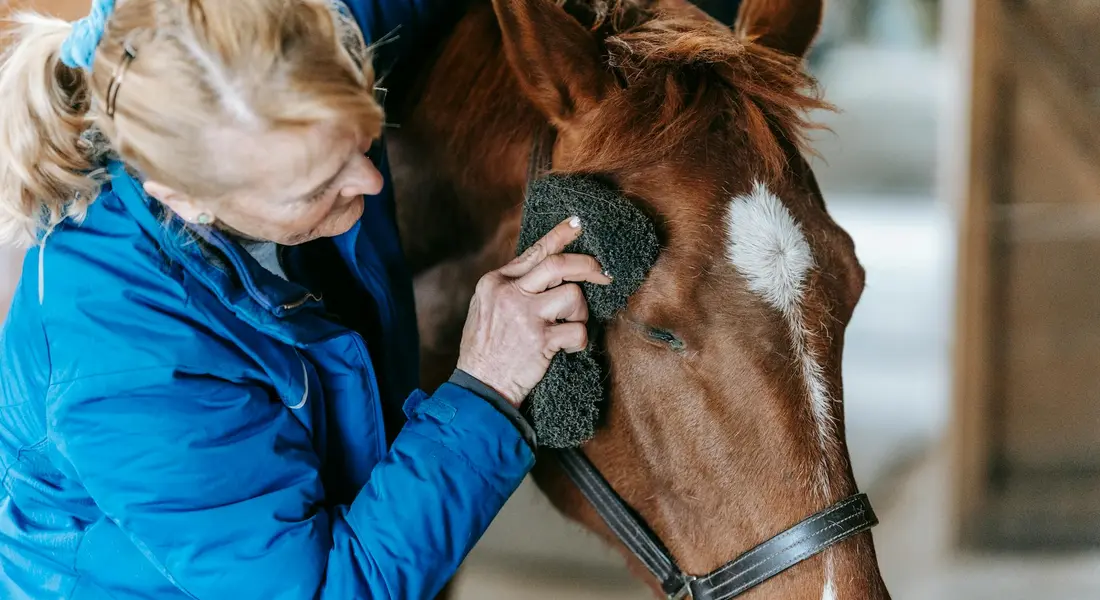
Here is the secret weapon many purchasers don’t get: you are not adopting just a horse, you are often gaining an entire support network. A good rescue is invested in your success for the horse’s entire life. Unfortunately, there are many myths about horse buying that can lead to disappointment.
When I brought Luna home, the rescue manager was my first call when she was nervously pacing the fence line. Their advice was priceless.
Leverage Your Rescue Organization
Don’t be shy. Use them.
- Behavioral History: They know if a horse hates black buckets or loves being scratched at the base of the tail. This intel speeds up bonding.
- Post-Adoption Check-Ins: Reputable rescues require this. See it as helpful, not intrusive. They can spot early signs of weight loss or anxiety you might miss.
- Training Advice: Many have seen the horse through its rehabilitation and can guide you on effective, gentle methods. They told me Pipin could open latches, which saved my feed room!
- Return Policy: This is a safety net, not a plan. Knowing the horse can go back if a true, insurmountable issue arises removes fear from the equation.
Building Your Local Village
Integrating a new horse is a dance. Watch, listen, and get help.
- The First Week: Keep routines simple. Offer quiet turnout, introduce herdmates slowly over a fence. Observe eating, drinking, and manure patterns. Any change in these basics is your first and most important behavioral cue.
- Finding Professionals: Ask your rescue, local feed store, or tack shop for trainer and farrier recommendations. Look for professionals who use clear, calm communication. Interview them.
- Community Integration: Join local horse groups online or at the barn. Sometimes the best resource is a fellow owner who can hold your horse for the vet or share a hay delivery.
Equestrian life is built on community. Leaning on yours makes the journey with your rescued partner stronger, smarter, and far more joyful. The shared goal of a happy, healthy horse connects everyone in the barn aisle.
Rescue Horse Adoption: Debunking 8 Common Myths to Find Your Perfect Partner
Is adopting a rescue horse more expensive than buying a horse in the long run?
The initial adoption fee is typically far lower than a purchase price from a breeder or private seller. The significant, ongoing costs of care—like feed, hoof care, and veterinary expenses—are the same for any horse, regardless of origin. Understanding adoption expenses compared to buying often represents a smarter initial financial decision without increasing your long-term budgetary responsibilities.
Are rescue horses only suitable for experienced horse owners and trainers?
This is a common misconception that prevents many great matches. Reputable rescues act as matchmakers, carefully evaluating a horse’s temperament and training to pair them with an appropriate home. They frequently have calm, steady horses who are perfect for building a beginner’s confidence and ensuring a successful, lasting partnership.
Do rescue organizations provide adequate support after the adoption is complete?
Quality rescues are deeply invested in your success and the horse’s lifelong well-being, offering a support network rarely found in private sales. They provide post-adoption check-ins, are a phone call away for advice, and often have a return policy as a safety net. This creates a supportive community, ensuring you are never alone in your journey as a new owner.
Your Next Best Friend Awaits
Look past the stigma and see the individual; a reputable rescue will be your partner, providing honest histories and vital support. The most critical step is committing to a clear, professional pre-purchase exam-it’s your roadmap to a safe, informed adoption.
Progress with a rescue horse is rarely a straight line, so measure success in small, quiet victories. Your patience and willingness to listen will build a bond far stronger than any myth.
Further Reading & Sources
- Nine Myths About Equine Rescues Debunked
- The Ride of Two Lifetimes – Giving a Horse a Second Chance – United Horse Coalition
- r/Horses on Reddit: What are some tips for adopting a rescue horse?
- The Myth of the Unadoptable Horse – ASPCA® Right Horse
At Horse and Hay, we are passionate about providing expert guidance on all aspects of horse care, from nutrition to wellness. Our team of equine specialists and veterinarians offer trusted advice on the best foods, supplements, and practices to keep your horse healthy and thriving. Whether you're a seasoned rider or new to equine care, we provide valuable insights into feeding, grooming, and overall well-being to ensure your horse lives its happiest, healthiest life.
Behavior