
Seasonal Habitat Prep: Your Year-Round Guide to a Healthier, Happier Horse
Published on: October 10, 2026 | Last Updated: October 12, 2026
Written By: Henry Wellington
Hello from the barn aisle! Does the first frost or a sudden heat wave send you into a spiral of worry about your horse’s comfort, your pasture turning into a bog, or an unexpected colic bill?
That knot in your stomach is familiar to every horse owner who watches the forecast and sees a potential problem for their four-legged friend.
Here, I’ll share my proven barn-side strategies to smoothly transition your horse’s home through all four seasons, focusing on creating draft-free yet ventilated shelter, implementing smart pasture rotation and mud management, adjusting feed and water protocols for temperature swings, and adapting your health and hoof care routine before the weather changes.
I’ve spent years as a barn manager and trainer, learning through long seasons with my own herd-from keeping Pipin’s paddock dry in spring rains to ensuring Rusty’s senior joints are cozy in winter-so you get advice that works where the rubber boots meet the mud.
Why Your Horse’s World Shifts with the Seasons
Your horse’s daily experience is dictated by the weather more than we often realize. I’ve watched Rusty’s steady walk slow to a plod in the August heat and seen Luna’s coat transform from sleek grey to woolly bear by November. Horses are incredibly adaptable creatures, but their well-being hinges on us anticipating how sunlight, temperature, and moisture reshape their home. Their pasture isn’t just a view; it’s a dynamic system that affects their feet, their skin, their breathing, and their mind. It’s essential to understand seasonal health concerns for horses to ensure their comfort and safety throughout the year.
Think about turnout time. A lush spring paddock is a buffet, but that same space in July can be a baked-hard pan with scarce shade. Advocating for ample, thoughtful turnout means recognizing that “outside” is a different habitat every few months. My priority is always to mimic their natural rhythms-grazing, moving, and socializing-despite what the season throws at us.
Gentle horsemanship starts with observation. The shift isn’t just about slapping on a blanket or setting out a fly spray. It’s about listening to the quiet signals: the way Pipin seeks the barn corner when the wind howls, or how Luna drinks less when her water trough gets warm and stale. Your management must be as fluid as the seasons themselves.
Assessing the Four Major Seasonal Threats
Each season packs its own punch. Proactive care isn’t about worrying; it’s about smart prep. Let’s break down the big four.
Summer: Heat, Humidity, and Insect Armies
The smell of hot pine and the buzz of flies define my summer barn days. Heat stress is a silent thief. Always provide access to deep, ventilated shade-a run-in shed is non-negotiable, as trees alone can’t block the angled sun. I rig up cheap box fans in the cross-ties for grooming; Luna leans into the breeze like a connoisseur.
Hydration is everything. Algae in water tanks isn’t just gross; it can put horses off drinking.
Fall: Cooling Temps, Slippery Leaves, and Parasite Peaks
Fall brings the crunch of leaves underfoot and a nip in the air that makes the horses frisky. This is prime time for respiratory bugs and hidden footing hazards. Wet, matted leaves create a slick layer over ground that can lead to strained tendons or slips. I make a weekly pass with a leaf blower or rake in high-traffic areas like gateways.
Parasite populations spike in the cool, moist weather. A blanket deworming for all is outdated and risky. Work with your vet for a fecal egg count to target only the horses that need treatment, preserving medication efficacy. This is when I do my deep pasture clean-up, removing manure to break the parasite cycle before winter.
Adjust feed gradually as the grass sugars change. Rusty, my easy keeper, gets a grazing muzzle in the fall pasture to prevent him from porking up on the last rich growth. The drop in temperature means their digestive systems generate more heat to stay warm, so increasing forage intake is smarter than piling on grain.
Winter: Cold, Wind, and Frozen Essentials
Winter care is defined by the thud of a hoof on frozen ground and the steam rising from a warm bucket. Cold alone isn’t the enemy; wind is. A sturdy, three-sided windbreak is more valuable than any blanket, allowing horses to choose shelter without being trapped. I’ve seen Pipin, furry as a teddy bear, stand contentedly in a snow flurry with his back to the windbreak.
Frozen water buckets are a dangerous chore. Invest in a thermostatic tank heater—check the cord for chew marks daily. Horses drink significantly more water if it’s kept between 45-65°F, preventing impaction colic. Break ice in unfrozen tanks morning and night without fail, especially when following winter hydration tips for your horse.
Hoof care changes. Snow can ball up in unshod hooves, creating unstable ice bricks.
- Schedule regular farrier visits to maintain balance.
- Consider snow pads for shod horses.
- Apply a non-stick cooking spray to the sole to help prevent snow packing.
Increase their hay, not their grain; the fermentation of forage in their gut is their best internal furnace. I feed an extra flake at night when temperatures plummet. Winter hoof care protects feet from cold and ice. Keeping hooves dry and properly maintained helps prevent cracks and slips on snowy ground.
Spring: Thaw, Mud, and Unpredictable Weather
Spring is a season of hope and horrible mud. The sound of sucking hooves in the gate area is my annual headache. Mud isn’t just messy; it’s a breeding ground for bacteria that cause thrush and scratches. Install footing like gravel or wood chips in high-traffic zones to protect those precious tendons and ligaments. I keep a stack of old towels by the door to dry off muddy legs before stalling.
The lush spring grass is loaded with fructans, sugars that can trigger laminitis. Introduce turnout to fresh pasture slowly-start with 15 minutes a day for sensitive horses like Luna, and use a grazing muzzle if needed. Monitor all horses for signs of foot tenderness or unusual bloating.
Weather whiplash is real. A 70-degree day can dive to freezing by nightfall.
- Have sheets and light blankets ready for sudden cold snaps.
- Don’t clip too early; let them shed naturally as long as possible.
- Be prepared to stall during sudden, heavy downpours to avoid chills.
This is the time for a full habitat audit: fix fence lines weakened by frost, clean out gutters, and ensure drainage ditches are clear. A little work now prevents crises later.
Transforming the Stable: A Seasonal Adjustments Guide
Ventilation and Air Quality Control
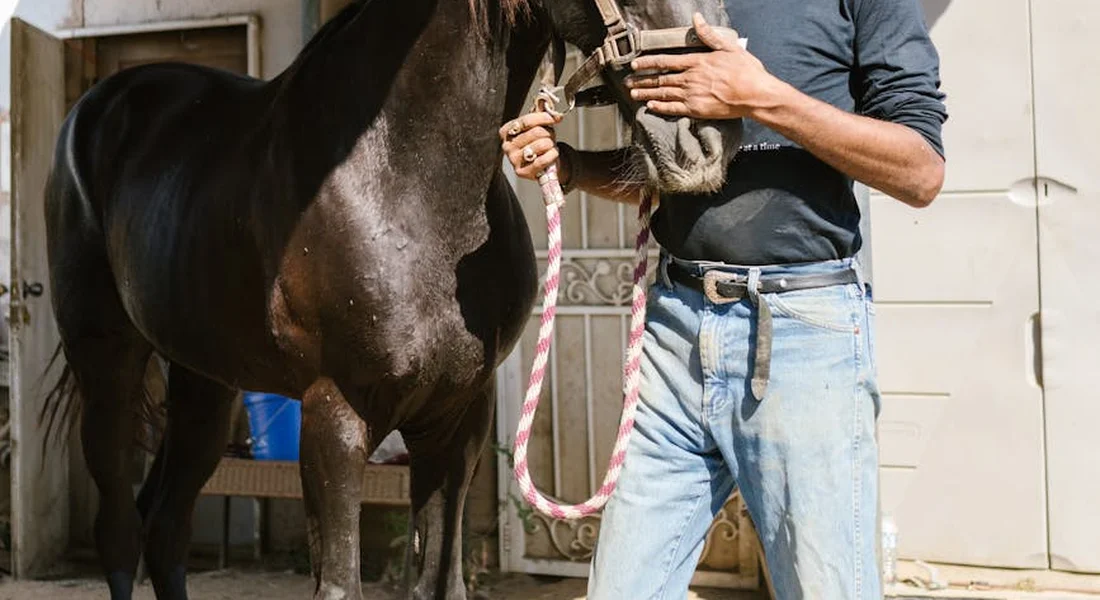
Stale air in a barn is a silent threat, carrying dust and ammonia that irritate delicate equine lungs. I learned this the hard way with Luna, whose cough would act up in our too-tight winter barn. You must create a cross-breeze, even in cold weather, to keep air moving and prevent respiratory issues. Crack windows high up on leeward walls and use exhaust fans near manure storage areas. Listen for the whistle of wind through vents-it’s a sweeter sound than a horse’s raspy breath.
Regularly clean dust from cobwebs in rafters and sweep aisleways damp to keep particles down. A simple hand-held smoke test, like blowing out a match, shows you dead air spots that need attention. Your nose is a tool, too; the sharp scent of ammonia means it’s time for a full muck-out and fresh bedding.
Strategic Bedding for Temperature and Moisture
Bedding isn’t just for comfort; it’s a thermal layer and moisture manager. In deep winter, I pack Pipin’s stall with extra straw for insulation, knowing his short legs get chilly. Choose bedding based on its absorbency and loft-shavings lock in dampness, while straw provides better warmth but needs frequent changing. For a middle ground, I often use a deep litter system with shavings, removing only wet spots daily to build a heat-generating base.
Summer calls for a minimalist approach. Swap to thin, absorbent pellets or mats to keep the stall cooler and drier, reducing the risk of thrush. Always feel for dampness with your hand under the top layer; a dry surface can hide a wet, packed base that’s brutal on hooves.
- Winter: Deep straw or shavings banked against walls for insulation.
- Spring/Fall: Moderate shavings layer, checked daily for sogginess.
- Summer: Rubber mats with a scant sprinkle of pellets for easy hosing.
Lighting and Security Through Dark Months
Short days mean more chores in the dark, and poor lighting invites trips and spills. I installed motion-sensor LEDs outside each stall after nearly stumbling over Rusty’s water bucket. Consistent, shadow-free lighting reduces stress for horses and makes evening checks safer for you. Use warm-toned bulbs in the aisle to mimic dusk and avoid startling sensitive souls like Luna.
Security isn’t just about locks; it’s about deterring pests and panic. Seal small gaps in walls with weather stripping to keep out drafts and rodents looking for a warm meal. A radio left on low at night can soothe horses and signal human presence to wildlife. The gentle hum becomes part of the barn’s night rhythm, alongside the thud of a horse lying down in fresh straw.
Pasture and Turnout Territory Overhaul
Drainage and Footing Solutions to Combat Mud
Mud isn’t just messy-it’s a hoof-rotten, tendon-straining hazard. Our back field used to become a swamp every spring, and Rusty would dance around puddles like they were lava. Redirect water by grading slopes away from high-traffic areas and installing French drains or gravel trenches. The crunch of gravel underfoot is a far better sound than the suck of mud pulling at your boots.
For gateways and feeding areas, invest in heavy-duty geotextile mats topped with stone dust. These grids provide stable footing, reduce erosion, and save your pastures from becoming bogs. I’ve watched Pipin, our escape artist, test every soft spot; now, with proper drainage, he’s more interested in the grass than the fence line.
Fencing Inspection and Weather-Proofing
Walk your fence line with the change of each season, looking for winter damage or summer wear. Press on every post and wiggle each board-rotten wood or loose fasteners will reveal themselves with a creak or give. Luna’s spirited gallops along the fence taught me to use twisted board screws instead of nails; they hold tighter against impact and temperature swings.
Electric tape needs tension checks, as heat sags it and cold contracts it. Keep vegetation trimmed back from all fences to prevent grounding out the charge and hiding broken wires. A well-maintained fence sings in the wind, a taut hum that means safety, not the groan of strained wood.
Shelter and Windbreak Essentials
A shelter isn’t a luxury; it’s a necessity for thermal regulation and storm safety. Ensure your run-in shed is positioned with its back to prevailing winds and has enough space for all herd members to enter without crowding. I’ve seen all three of ours-Rusty, Luna, and Pipin-pile into their shed during a downpour, a jigsaw of equine comfort.
Natural windbreaks like tree lines are gold, but they take years to grow. In the meantime, stack round bales strategically or install permeable windbreak fencing that slashes wind speed without creating a snowdrift trap. Always provide a dry, mud-free approach to shelter; a horse shouldn’t have to wade through muck to get out of the rain.
Core Care Routines for Each Season
Summer Daily Protocol
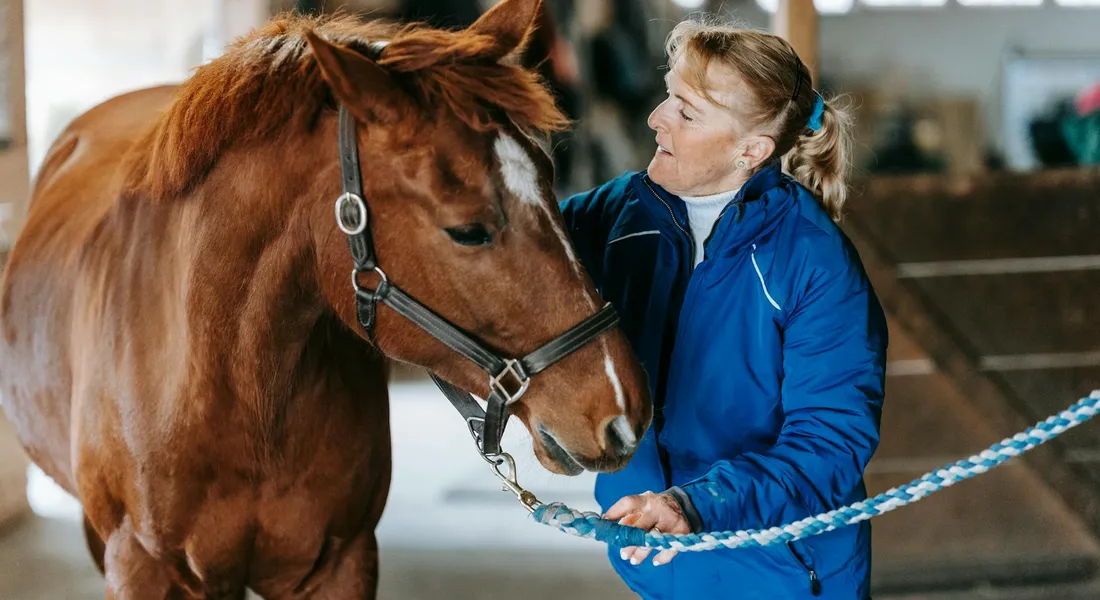
The summer sun demands a shift in your daily rhythm. My first task is always checking the water troughs, scraping out algae and refilling them with cool, fresh water-I do this twice a day without fail. Hydration is your primary defense against heat stress, and a bored horse will play in his water, so check levels more than you think you need to.
I adjust turnout schedules to avoid the peak heat. For sensitive souls like Luna, this often means overnight turnout and a fan in her stall during the day. A simple fly spray application becomes a sacred ritual, and I always have a sweat scraper and hose ready after any work. Feeling the heat radiate off Rusty’s broad back as I scrape away sweat tells me his cooling system is working, and that’s a good sound to listen for.
- Perform water checks and clean troughs at morning feed and evening check.
- Implement fly control: spray, masks, and manure management.
- Schedule riding or groundwork for early morning or late evening.
- Provide a salt block and consider electrolyte supplementation for sweaty workers.
- Ensure unlimited access to shade that moves with the sun.
Fall Preparation Checklist
Fall is not just about cozy sweaters; it’s a critical prep period. The smell of falling leaves mixes with the task of pulling blankets out of storage to air them out. This is when I do a deep clean of the barn, reorganizing for winter and checking all my lighting. Falling leaves are slick and can hide ground holes, so a careful paddock walk-through is a non-negotiable safety audit.
I start gradually increasing hay rations as the grass sugars drop off. It’s also the time for a thorough veterinary visit to discuss vaccination boosters and get a dental check. A sharp float now ensures they can properly chew that winter hay, which is the cornerstone of their warmth and nutrition.
- Inventory, clean, and repair all winter blankets and sheets.
- Schedule a vet visit for vaccines, teeth, and a general health check.
- Begin the gradual transition from pasture to higher hay rations.
- Check and secure all fencing, gates, and shelter roofs before winter winds.
- Start storing extra buckets indoors to prevent freezing and cracking.
Winter Vigilance and Monitoring
Winter care is a quiet, watchful science. The morning crunch of frost underfoot means checking every water source for ice, sometimes breaking it multiple times a day. I feel the base of Pipin’s ears to gauge his core temperature, as a cold horse will shunt blood away from its extremities. Consistent, high-quality hay is your horse’s internal furnace; they must eat enough of it to generate body heat, which is more important than a heavy blanket.
I watch for shivering or standing hunched, but I’m also vigilant for the opposite-horses getting too warm under their rugs. Daily hoof picking is critical to remove snowballs and ice that can cause bruising. The quiet of a winter barn is perfect for listening to the steady sound of chewing; that’s the soundtrack of a horse staying warm and content.
- Break ice and provide lukewarm water at least twice daily.
- Feel ears and monitor body language for signs of chill or sweat.
- Pick hooves meticulously to prevent impacted snow and ice.
- Increase hay, not grain, to fuel internal heat production.
- Check blanket fit daily as weight can fluctuate.
Spring Reset and Renewal
Spring brings a palpable sense of renewal and a mountain of mud. This is the season of slow transitions. The lush new grass is tempting but dangerous; I reintroduce grazing in strict, incremental sessions to avoid founder. That first green blade is a siren call, and managing your horse’s access to it is the single most important act of spring.
I shed out winter coats with vigorous currying, which feels like a bonding session after the long indoor months. It’s time for a full tack cleaning, conditioning leather that dried out over winter. I also reassess each horse’s body condition as their summer shape emerges. Watching Luna’s dapples appear under the curry comb is a reward for the diligence of winter, a sign we both made it through.
- Implement a strict, gradual pasture introduction schedule.
- Give a thorough spring grooming to remove winter coat and check skin.
- Deep clean and condition all tack and grooming supplies.
- Schedule spring farrier and deworming based on fecal tests.
- Repair any ground erosion or mud holes created by thaw.
Nutrition, Hydration, and Health Monitoring
Adjusting Feed and Forage with the Calendar
Your feed room should operate on a calendar, not a static routine. The core principle is that forage is king, but its type and quantity must shift. In peak summer, good pasture might reduce hay needs, but you must compensate with more salt. Think of your hay analysis as a seasonal recipe; you are balancing energy, protein, and fiber based on the work and temperature outside.
Come fall, I transition from lighter grass hay to a denser timothy or orchard mix for winter. For older guys like Rusty, I might add a soaked senior pellet to his evening meal when the cold makes chewing harder. Every feed change, without exception, happens over a week or more to let those delicate gut microbes catch up.
Ensuring Year-Round Hydration
Water is not just a summer concern. A horse can colic from dehydration in January as easily as in July. In winter, I use heated buckets or tank deicers religiously. A chunk of ice in a water trough is a locked refrigerator, and a thirsty horse will simply walk away from it.
I add a handful of plain salt to grain in summer or offer warm, salty bran mashes in winter to encourage drinking. The sound of a horse taking a long, deep drink after work is one of the most satisfying sounds in the barn. Monitoring water intake is a silent skill; know what’s normal for each horse so you can spot when it drops.
Hoof Care and Parasite Control Cycles
Hooves and parasites live on their own seasonal clocks. Wet spring and fall soften hooves and can loosen shoes, so I check for thrush weekly, smelling for that distinctive odor in the clefts. My farrier’s schedule is sacred, because a balanced hoof is the foundation for everything from pasture movement to collected work.
Parasite control is no longer a rotational calendar spray. I do fecal egg counts in spring and fall, only deworming the horses that need it. This targeted approach prevents resistance. Picking paddocks regularly, in all seasons, breaks the parasite life cycle more effectively than any paste in a tube.
| Season | Hoof Focus | Parasite Focus |
| Spring | Thrush vigilance, addressing cracks from dry winter. | Fecal egg count, target deworming, pasture pick-up. |
| Summer | Protecting from hard, dry ground; maintaining trim cycle. | Manure management to reduce fly breeding. |
| Fall | Preparing for soft, wet ground; possible pad application. | Fecal egg count, strategic deworming before winter. |
| Winter | Preventing snowballing, monitoring for bruising from frozen ground. | Monitoring body condition as a sign of burden. |
Your Seasonal Toolbox: Practical Hacks and Gear
Blanket Management from Storage to Use
Pulling dusty blankets from the back of the tack room is a fall ritual, but a quick shake and toss can do more harm than good. I learned this after Luna spent a day shivering in a supposedly waterproof turnout that had secretly degraded in storage. Always wash and completely dry your blankets before summer storage to prevent mildew from eating at the waterproof coatings. A quick repair session with seam sealant and spare straps in spring saves a midnight panic when temperatures plummet.
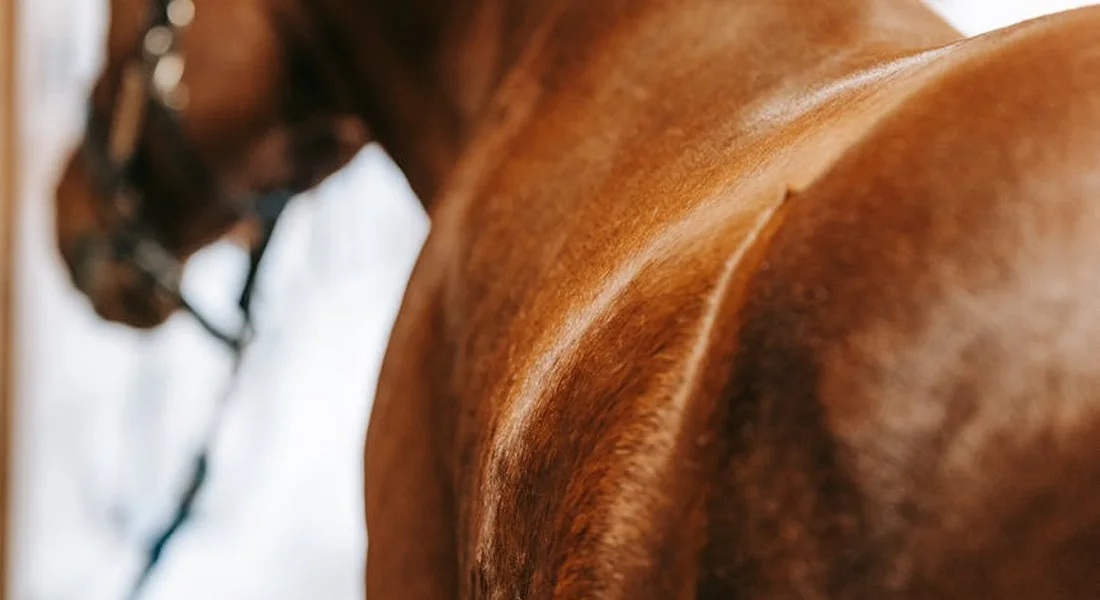
Fit is not static; a blanket that worked last year might rub now. Run your hand under all straps and along the withers when you first put it on. You should be able to slide a flat hand easily along the chest and shoulders. A well-fitted blanket allows full movement without gapping at the neck or binding across the shoulders, which can cause painful sores. I check Rusty’s fit weekly, as his topline changes with his trail work.
Blankets are a tool, not a substitute for turnout and natural insulation. My rule is to blanket based on the horse’s condition and the weather, not the calendar. Horses with a good hair coat, shelter, and healthy body fat often need less blanketing than we think, so resist the urge to over-bundle. For Pipin, our hardy pony, a dry lot with a run-in shed is better than a heavy blanket that he’ll just roll in and destroy.
DIY Solutions for Common Problems
Seasonal headaches often have simple, cheap fixes. That muddy quagmire at the gate? Don’t just dump more gravel. Lay down a grid of used livestock pallets or geotextile fabric under your gravel to create a stable, draining base that prevents sinking. It’s a weekend project that saves on footing material and vet bills from slip injuries.
Frozen water buckets are a winter scourge. Instead of expensive heaters, try this: insulate the bucket by placing it inside a larger tub packed with straw. Placing a floating object, like a clean soccer ball or several empty plastic bottles, in the water trough can help slow ice formation by absorbing some of the water’s movement. Just remember, no hack replaces breaking ice and providing fresh water twice daily.
For the fly-ridden summer months, mix your own spray. A base of vinegar, water, and a dash of essential oils like citronella or eucalyptus can be effective. Always test any homemade spray on a small patch of skin first to check for irritation, and avoid the eye area completely. I use this on Luna, who is sensitive to commercial chemicals, and it keeps the worst of the pests at bay.
Safety Gear for You in Every Weather
Your safety is the foundation of good horse care. In summer, this means moisture-wicking shirts, a wide-brimmed hat, and sunglasses. A hydration pack you can sip from while working is a game-changer for preventing heat exhaustion during long barn days. I never muck paddocks without mine after a dizzy spell taught me a sharp lesson.
Cold weather demands layers. A waterproof outer shell over insulating fleece keeps you dry and mobile. Invest in insulated, waterproof gloves that still allow you to feel a frozen buckle or check a pulse; numb fingers are useless in an emergency. I keep an extra set warming on the dashboard for those late-night check-ups.
Rainy spring days bring slick footing. Traction is your best friend. A pair of mud boots with deep, self-cleaning treads will prevent a dangerous slip more reliably than any old pair of rubber boots. Watching Pipin gleefully gallop through puddles is fun, but chasing him in slick soled shoes is not.
FAQ: Seasonal Environmental Changes: Preparing Your Horse’s Habitat
What daily stall maintenance is most critical as seasons change?
Daily moisture management is the top priority, requiring you to remove all wet bedding to prevent ammonia buildup and hoof issues. You must adjust bedding depth and type seasonally, using thicker, insulating layers in winter and thinner, drier materials in summer. Consistently check for and clean out damp corners that can lead to thrush or skin problems.
How can I help my horse acclimate to a new seasonal routine safely?
Introduce all changes gradually over 7-10 days, whether it’s increased hay, new turnout schedules, or wearing a blanket. Closely monitor your horse’s behavior and manure for signs of stress or digestive upset during the transition. Ensure their shelter remains a consistent, safe retreat regardless of the weather changes outside, especially when dealing with extreme weather conditions.
What are the biggest health risks when prepping for a new season?
Abrupt dietary changes when introducing lush spring grass or richer fall forage can quickly trigger laminitis or colic. Inadequate hoof care for the new terrain, like neglecting thrush prevention in mud or snow removal in winter, leads to lameness. Failing to provide fresh, temperature-appropriate water in every season is a major risk for dehydration and impaction colic.
Steady Through the Seasons
Adapt shelter, footing, and forage with the calendar, focusing on drought-resistant summer pastures and mud-free winter paddocks. The single most effective habit is a consistent weekly walk of your horse’s environment to fix fence lines, clear debris, and ensure water sources are clean and flowing. This is especially important during the mud season.
Go slow with any changes to routines or spaces, allowing your horse time to adjust and feel secure. The true measure of your preparation is found in your horse’s quiet eyes and easy breath as the world turns around him.
Further Reading & Sources
- Seasonal Horse Care Articles Provided by Horse Illustrated
- A Guide to Seasonal Equine Pasture Management | Stowag
- Seasonal Variation in Habitat Selection by Free-Ranging Feral Horses Within Alberta’s Forest Reserve – ScienceDirect
- How To Make A Horse Habitat | Horse Accommodation Requirements | Where Do Horses Live On A Farm
At Horse and Hay, we are passionate about providing expert guidance on all aspects of horse care, from nutrition to wellness. Our team of equine specialists and veterinarians offer trusted advice on the best foods, supplements, and practices to keep your horse healthy and thriving. Whether you're a seasoned rider or new to equine care, we provide valuable insights into feeding, grooming, and overall well-being to ensure your horse lives its happiest, healthiest life.
Stable Management