
Save Your Saddles: How to Clean Tack Without Ruining Expensive Leather
Hello fellow equestrians. That faint cracking sound from your bridle or the stiff feel of your saddle isn’t just annoying-it’s a warning. Compromised leather risks your safety and your horse’s comfort, turning pricey gear into a costly mistake.
Let’s fix that. In this guide, I’ll walk you through the simple fixes for the most common errors I see in the tack room. We’ll cover:
- The one cleaning product you should never use on leather and what to reach for instead.
- Why how you dry your tack matters more than how you wash it to prevent permanent damage.
- A foolproof, 10-minute weekly routine that keeps leather supple for years.
I’ve spent years as a barn manager and trainer, so I’ve cleaned, repaired, and sadly, seen too many good pieces ruined by avoidable habits.
The High Cost of Common Cleaning Blunders
I once watched a beautiful, expensive dressage saddle turn into a creaking, stiff relic because its owner “didn’t have time” for proper cleaning. The leather dried out, the billets cracked, and the tree was compromised long before its time. That saddle became a safety hazard, not an heirloom. Proper tack cleaning isn’t a vanity project; it’s a non-negotiable pillar of horse safety and financial sense, protecting a major investment while ensuring your horse’s comfort and your security in the saddle. Likewise, avoid common grooming mistakes by sticking to a thoughtful, consistent routine. Rushing or skipping steps can compromise your horse’s comfort and health. Every time you skip a cleaning, you’re inviting damage that shortens your tack’s lifespan and risks a failure at a crucial moment.
The risks are tangible. Cracked, dry leather loses its structural integrity, much like old rubber perishes. Poorly maintained leather can change shape, leading to an improper fit that pinches your horse’s back or shoulders. Neglect is a slow, expensive form of destruction that your horse ultimately pays for in discomfort, and you pay for with a drained wallet at the tack shop. My old lesson horse, Rusty, taught me that a clean, supple girth meant no nasty galls after a long trail ride-his comfort directly depended on my diligence. Many common horse health issues relate to anatomy and how gear fits—pressure points on the withers, back, or shoulders are a risk. Understanding a horse’s anatomy helps prevent these problems by guiding proper tack fit and care.
Are You Making These Leather Cleaning Errors?
We all develop shortcuts, but some habits silently destroy good leather. Here are the mistakes I see most often in the barn.
Using the Wrong Cleaner or Soap
Reaching for whatever is handy is a surefire way to damage leather’s natural oils. Harsh detergents and alkaline soaps strip leather bare, leaving it parched and brittle. Stick with pH-balanced leather cleaners or traditional saddle soaps; glycerin-based soaps can be gentler for regular use but may not cut through heavy grime as well. Think of it like skincare: you wouldn’t wash your face with dish soap, so don’t do it to your saddle.
Drowning the Leather: The Soaking Mistake
Never, ever submerge your leather goods. Soaking forces water into the fibers, which weakens them as they dry and can lead to mold growth inside the leather layers. Imagine a fine leather boot left out in a storm-it never recovers its original shape or strength, and your saddle is no different. Use a damp sponge, not a wet one, and always wipe with a barely-damp cloth to remove soap residue.
Infrequent Cleaning: Sweat and Grime Build-Up
Leaving sweat to bake onto leather is like letting salt corrode metal. The salt in horse sweat is abrasive and draws moisture out of the leather. A two-minute wipe-down with a dry towel after every ride to remove sweat and hair prevents this corrosive build-up and makes your weekly deep clean a breeze. With a sensitive horse like Luna, I found that cleaning her bit and bridle every time also kept her happy and responsive.
Over-Conditioning and Oil Saturation
More is not better. Slathering on conditioner every week creates a greasy, dirt-magnet surface and can actually rot the stitching by over-softening the leather fibers. Leather needs to breathe and retain some firmness; a floppy, oil-saturated stirrup leather is a safety risk waiting to stretch or fail. Condition only when the leather feels dry, not on a rigid schedule.
Leaving Soap Residue Behind
If your leather feels sticky or tacky after cleaning, you’ve left soap behind. This residue attracts dirt like a magnet and dries out the leather from the inside. Always follow your saddle soap application with a thorough wipe using a clean, water-dampened cloth to lift away all suds and residue. This simple final step is what keeps leather supple, not stiff.
Storing Tack While Damp
Putting a slightly damp bridle away in a closed tack trunk is asking for a moldy, mildewed surprise. Dark, damp places are breeding grounds. Always air-dry your cleaned tack completely in a shaded, well-ventilated area before returning it to its rack or trunk. I learned this the hard way with a pair of forgotten, damp gloves that sprouted fuzzy green spots.
Reaching for Household Cleaners
Dish soap, window cleaner, and all-purpose sprays often contain degreasers, alcohols, and bleach that are far too harsh for leather. These chemicals break down the essential oils that keep leather flexible, leading to premature cracking and a faded, chalky finish. Products formulated for equestrian leather are designed for the specific grime-sweat, dirt, oil-they will encounter.
Forgetting the Bit and Metal Parts
A dirty bit isn’t just gross; it can affect your horse’s willingness to accept contact and even cause health issues. Food particles and old saliva create a foul taste. Scrub your bit with warm water after every ride, dry it thoroughly to prevent rust, and periodically use a bit brush for a deep clean. Pipin, our cheeky pony, will happily take a clean bit but will chomp and fuss over a dirty one every time. Even when you know which bit to use for your horse.
The Right Way to Clean: A Step-by-Step Guide
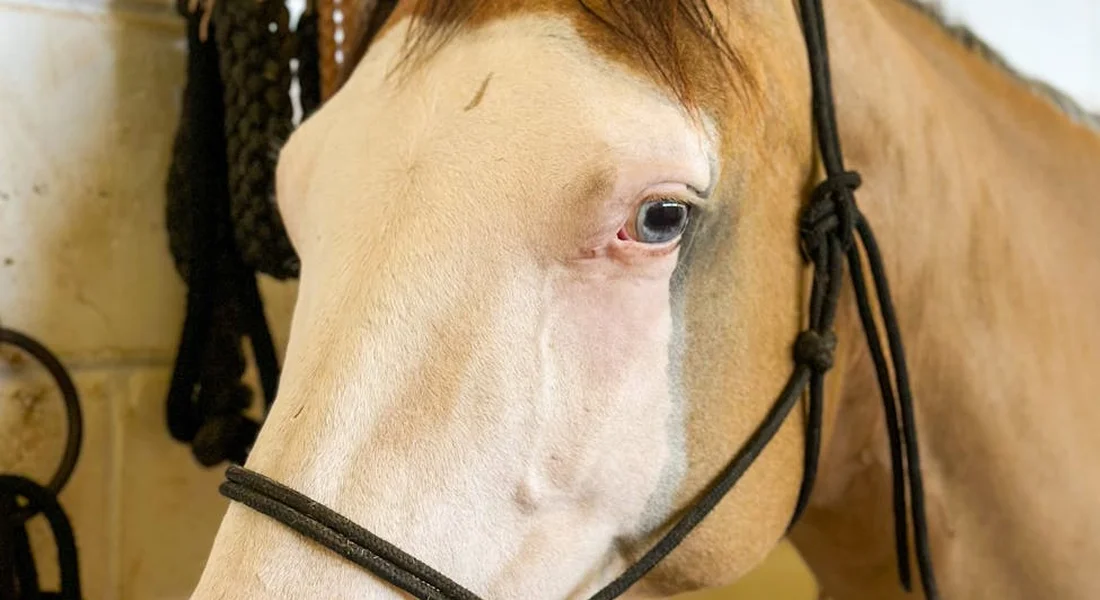
Forget the rushed wipe-down. Proper cleaning is a ritual that preserves your investment and, more importantly, keeps your horse comfortable. Clean tack prevents painful rubs and sores, making it a direct act of horsemanship. Keep your tack clean and your horse’s hooves healthy through proper hygiene. A little routine goes a long way. Follow this method to feel the difference.
- Start by completely disassembling the bridle. Unhook the bit, unbuckle every cheekpiece and throatlatch, and lay the leather strips flat on a clean table. Hearing the gentle clink of buckles is your signal to begin. This is the only way to reach the sweat-caked areas that touch your horse’s skin.
- Take a soft sponge and dampen it with lukewarm water-never hot. Wipe down every piece to lift away surface dirt and sweat. You’ll feel the grit dissolve under your fingers and smell that distinct, clean leather scent starting to break through.
- Apply a dedicated leather cleaner sparingly onto a separate, soft cloth. Rub it onto the leather using gentle, circular motions. Focus on stained areas like the crownpiece or noseband. Imagine you’re massaging it in; the leather should drink it up, not swim in it.
- Use a slightly damp cloth to wipe off any leftover cleaner residue. The leather should feel uniformly clean and cool to the touch, not slick or soapy. Rushing this step leaves behind film that breaks down fibers.
- Dry the tack naturally by hanging it on a bridle rack in a shady, airy spot. Avoid direct sun or heaters-that thud you hear isn’t hooves, it’s your leather cracking from forced drying. Patience here saves you from costly repairs later.
Conditioning Without Compromise: Oiling and Protecting Leather
Cleaning removes the bad stuff; conditioning puts back the good. Think of it like moisturizing your own skin after a wash. Conditioning is non-negotiable for leather’s longevity, but doing it wrong is worse than skipping it.
Timing is your first rule. Only condition after a full clean, when the leather is completely dry and feels stiff or thirsty. Applying oil to dirty leather just traps abrasive particles against the hide, acting like sandpaper with every use.
Your conditioner choice matters. Neatsfoot oil is a deep penetrator for parched, older leather but will darken it. Leather balms and waxes provide superb surface protection and waterproofing for general upkeep. For daily-use saddles, a balm after every few cleans maintains flexibility without becoming greasy.
Your local weather dictates your schedule. In humid climates, condition less frequently-overdoing it creates a sticky magnet for dirt and mold. In dry, dusty areas, your tack might need a drink after every few rides. Let the leather’s suppleness guide you.
I learned this with Rusty’s old trail bridle. It was so dry it felt like cardboard. After a meticulous clean, I worked in a tiny amount of neatsfoot oil with my hands, let it soak overnight, and buffed off the excess in the morning. The transformation wasn’t just visual; the leather regained a silent, pliable strength that speaks of care. Now, I just touch it-if it doesn’t feel soft and resilient, it’s time for a light balm.
Choosing Your Arsenal: Safe Products for Tack Care
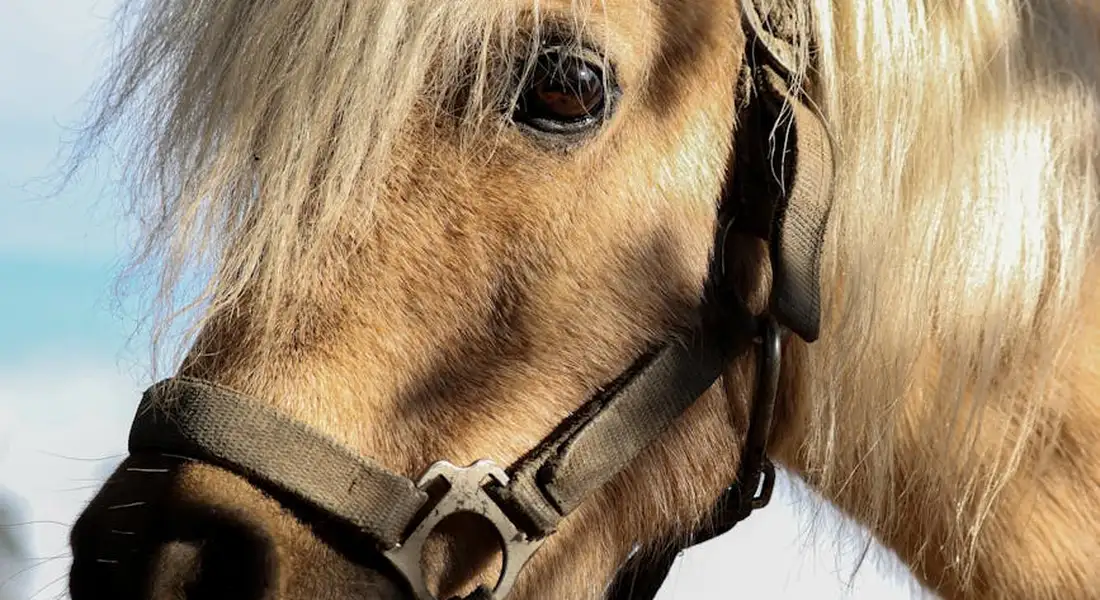
I learned the hard way with Rusty’s first bridle: using the wrong cleaner made the leather as stiff as a board. Choosing products isn’t about fancy labels. It’s about knowing what keeps leather supple and safe against your horse’s skin.
| Product Type | Primary Job | Seek These Ingredients | Avoid These Ingredients |
|---|---|---|---|
| Cleaner | Lifts dirt, sweat, and grime. | Glycerin-based soaps, natural oils (like neatsfoot), lanolin. | Harsh solvents, ammonia, silicone, excessive alcohol. |
| Conditioner | Replaces oils, maintains flexibility. | Petroleum distillates, synthetic waxes that clog pores. |
A conditioner is not a cleaner; you must remove sweat and dirt first, or you’ll just seal grime into the leather fibers. Look for simple ingredient lists. I’ve had a bottle of basic glycerin saddle soap last for years, cleaning everything from Pipin’s tiny pony bridle to my western saddle.
- For a budget-friendly kit, you need just two things: a quality glycerin saddle soap and a pure neatsfoot oil conditioner. More expensive brands often just add perfume. Your horse doesn’t care if his girth smells like lavender, but he will care if it’s stiff and pinches.
- Test any new product on a small, hidden area first, like the underside of a billet strap. I ruined a nice rein once by not doing this-a mistake I won’t repeat.
Beyond the Leather: Caring for Bits and Metalware
That metallic taste your horse avoids? It’s often old saliva and feed grit. Cleaning bits is a direct act of horsemanship. Luna, my sensitive Thoroughbred, will toss her head for days if her bit isn’t spotless.
Follow these steps after every ride to prevent corrosion and ensure comfort:
- Rinse the bit immediately under warm (not hot) water to loosen debris.
- Use a dedicated soft-bristled bit brush to scrub all surfaces, paying close attention to joints and crevices.
- Dry completely with a clean towel before storing. Lingering moisture is rust’s best friend.
Never use abrasive scouring pads or harsh chemicals. Scratches on the metal can harbor bacteria and create rough spots that irritate the mouth. For stubborn spots, a paste of baking soda and water is a gentle, effective scrub I use on all the barn bits.
- Stirrup irons and buckle tongues need love too. Wipe them down with a dry cloth after riding. Once a month, apply a microscopic drop of light oil (like sewing machine oil) to pivot points. This five-second habit keeps buckles working smoothly and prevents the seizing that can lead to panic in a tight situation.
- Check for rust spots regularly. A little rust on a stirrup can be rubbed away with fine steel wool and a dab of oil, but pervasive rust compromises strength. Safety first, always.
Smart Storage to Preserve Your Investment
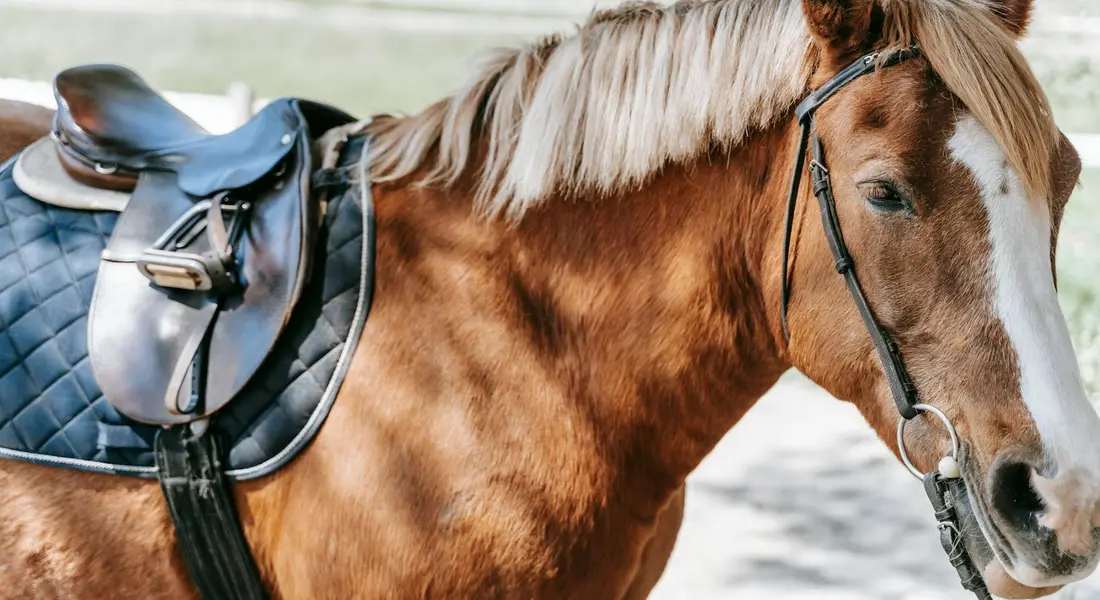
Where you hang your tack after cleaning is a decision that echoes for years. I’ve pulled bridles off cheap hooks only to find permanent, creased dents that no amount of conditioner can fix. Proper storage isn’t just about tidiness; it’s a direct investment in the longevity and safety of your equipment. Your leather deserves a good home.
I keep Luna’s tack on a dedicated rack with wide, padded hooks. Her thoroughbred skin is so sensitive that any stiff spot or hidden mildew on her bridle can distract her. Wide, padded hooks support the leather’s shape without creating sharp pressure points that lead to cracks. It’s like choosing a proper mattress for your own back.
- Use Wide, Padded Hooks: Thin metal or wire hooks act like knives over time. Padded ones spread the load, preserving the leather’s integrity. This is non-negotiable for saddles and heavier bridles.
- Avoid Direct Sunlight: Sun is a silent leather killer. It bleaches color and parches oils, leaving behind brittle, faded tack. Store your gear in a shaded, interior part of the tack room.
- Control Barn Humidity: Leather thrives in the same climate you do-not too damp, not too dry. A damp barn invites mold; a parched one cracks stitching. A simple hygrometer and a portable dehumidifier or humidifier can stabilize your tack room’s atmosphere.
Plastic bags are the enemy of clean leather. I once stored a damp girth in one and opened it to a nightmare of fuzzy green mold. Plastic traps every bit of moisture, creating a swampy microenvironment that ruins your hard work. Always reach for a breathable tack cover instead.
Breathable canvas or cotton covers allow air to circulate while shielding from dust and hay chaff. I toss Luna’s saddle cover in the wash with the barn towels-it’s an easy, affordable habit that safeguards my gear. This small step mimics the gentle airflow of a well-ventilated stable, keeping your leather supple and ready for the next ride.
FAQ: Tack Cleaning Mistakes for Expensive Leather Goods
Are you using the wrong cleaner?
Using inappropriate cleaners, like household detergents, can strip essential oils from leather, causing it to become brittle and crack. Select products specifically formulated for equestrian leather, such as pH-balanced cleaners or glycerin saddle soaps, to safely remove grime without damage. Avoid harsh chemicals like ammonia or bleach, which degrade leather fibers and compromise tack integrity. Additionally, do clean and maintain horse tack and blankets regularly to protect all gear and extend its life.
Are you storing tack while it’s damp?
Storing leather gear before it is fully dry promotes mold and mildew growth, which can lead to permanent staining and fiber weakness. Always allow tack to air-dry completely in a shaded, ventilated area away from direct heat or sunlight. This practice preserves the leather’s strength and prevents safety hazards from compromised equipment.
Are you neglecting to clean the bit?
Failing to clean the bit after rides allows saliva, feed debris, and bacteria to accumulate, which can irritate your horse’s mouth and affect responsiveness. Rinse the bit with warm water and scrub with a soft brush after each use to maintain hygiene and prevent foul tastes. Thorough drying is essential to avoid rust and ensure your horse’s comfort during future rides. Regular dental checks and proper mouth care can help prevent common horse dental problems.
Parting Wisdom for Your Leather
Make a quick post-ride wipe-down your non-negotiable habit, and deep clean with a quality, glycerine-based soap every few weeks. Consistent, correct care is infinitely cheaper than replacing or repairing a ruined saddle or bridle.
Good horsemanship extends to your gear-the patience you show your tack mirrors the patience you show your horse. Listen to your leather’s needs, just as you listen to your horse, and both will serve you well for years.
Further Reading & Sources
- A Guide to Cleaning and Care for Leather Horse Tack
- Tack Cleaning and Leather Care | Dover Saddlery
- Tack Cleaning & Leather Care – Riding Warehouse
- Pro Tips on Tack Cleaning and Leather Care – Farm House Tack
At Horse and Hay, we are passionate about providing expert guidance on all aspects of horse care, from nutrition to wellness. Our team of equine specialists and veterinarians offer trusted advice on the best foods, supplements, and practices to keep your horse healthy and thriving. Whether you're a seasoned rider or new to equine care, we provide valuable insights into feeding, grooming, and overall well-being to ensure your horse lives its happiest, healthiest life.
Equipment