
Pasture vs. Paddock: Real Benefits for Your Horse’s Health and Behavior
Published on: September 16, 2026 | Last Updated: September 16, 2026
Written By: Henry Wellington
Hello fellow equestrians! Does your horse seem irritable in the stall, or are you watching for subtle signs of hoof or digestive issues? I see that worry all the time-sudden vet bills and safety headaches often trace back to what happens when we’re not riding.
Getting turnout right is one of the most powerful things you can do for your horse’s mind and body. In this article, I’ll walk you through the distinct advantages of both pasture and paddock environments. We will compare the natural benefits of open grazing against the controlled safety of a dry lot.
Here is exactly what we’ll cover:
- The physical and mental boost your horse gets from true pasture turnout.
- How a well-managed paddock can prevent injuries and control diet.
- Steps to match the environment to your horse’s age, health, and personality.
- My barn-tested tips for making any turnout space safer and more stimulating.
I’ve spent years as a barn manager and trainer figuring this out with horses like clever Pipin and sensitive Luna, learning that the right turnout choice is a cornerstone of gentle horsemanship.
Pasture vs. Paddock: Defining the Turnout Basics
Think of turnout as your horse’s daily dose of freedom. The environment you choose shapes their health and happiness. A pasture is a large, grassy field for grazing, while a paddock is a smaller, enclosed area for controlled movement. Choosing between them isn’t about right or wrong; it’s about matching the space to your horse’s individual needs and your management capabilities, including ensuring the safety of the turnout area through proper fencing and layout.
| Aspect | Pasture | Paddock |
|---|---|---|
| Size | Larger (acres) | Smaller (often less than an acre) |
| Primary Use | Grazing for nutrition | Controlled exercise & managed feeding |
| Forage Availability | Abundant, living grass | Limited or none; hay is provided |
| Surface | Varied, natural terrain | Often maintained dirt, sand, or gravel |
What is a Pasture Turnout?
A pasture is where your horse can be a horse. It’s a expansive, living buffet of grasses and legumes. I’ve spent countless hours watching my guys in theirs-the steady rip-and-chew sound of grazing, the smell of clover and timothy on a damp morning. This setting allows for natural herd dynamics, continuous foraging, and the simple joy of roaming a wide, open space. It’s where Luna, my sensitive Thoroughbred, can finally stretch her legs and run out the jitters without hitting a fence line every ten strides. This is the kind of space you can optimize by creating an enriching pasture environment for horses. A well-designed pasture invites safe movement, constant foraging, and gentle herd dynamics.
What is a Paddock Turnout?
A paddock is your management command center. It’s a smaller, secured area, typically with minimal grass to control intake. The surface is key-well-groomed dirt, sand, or a specialized mix. This environment offers superb visibility for monitoring injuries or behavior, and it’s where you can precisely manage every mouthful your horse eats. It’s a cornerstone of daily horse pet care routines. By keeping distractions low, it makes grooming and handling safer and more consistent. I use our dry lot paddock for Pipin, the Shetland pony, during spring grass season to keep his waistline in check and prevent a laminitis scare.
Health on the Hoof: Physical Benefits and Risks of Each Environment
Every turnout choice comes with a trade-off. Understanding the direct physical impacts helps you make informed decisions for your horse’s well-being.
The Physical Perks of Pasture Life
Pasture living aligns with a horse’s evolutionary design. The benefits are profound when managed well.
- Digestive Harmony: Continuous, slow grazing keeps the gut moving and acid levels stable, drastically reducing ulcer risk.
- Muscle & Fitness: Navigating hills, holes, and varied ground builds balanced musculature and core strength without forced exercise.
- Vitamin D Synthesis: Ample sunlight on the coat enables natural production of this crucial vitamin for bone health.
- Hoof Conditioning: Natural terrain files down hooves and stimulates robust blood flow for healthy growth.
Hoof Health and Natural Exercise
Concrete-hard paddock floors can’t replicate what pasture ground does. The gentle give of earth, combined with miles of walking, acts as a natural farrier and physiotherapist. Check your horse’s hooves after pasture time: feel for warmth, look for uniform wear, and note any pebbles or debris lodged in the clefts. I do this daily with Rusty; his sorrel feet are always cooler and cleaner after a day on the grassy hills versus the flat paddock—especially when we’ve been extra careful during mud season.
The Physical Perks of Paddock Life
For horses with specific needs, a paddock is not a restriction-it’s a tool for targeted care.
- Diet Control: You eliminate the risk of overgrazing on rich grasses, making it ideal for easy keepers, ponies, or horses with metabolic issues.
- Injury Management: A smaller, visible space lets you spot a limp or a cut instantly. Recovery from injury is often safer here.
- Parasite Reduction: Without grazing on manure-contaminated grass, you break the lifecycle of many common worms.
- Joint-Friendly Surfacing: A properly leveled, drained dirt pad can be softer and more consistent for older or arthritic horses.
Common Pasture Pitfalls and How to Avoid Them
Paradise has its problems. Vigilance turns risks into manageable factors.
- Laminitis from Rich Grass: Spring and fall grasses are loaded with sugars. Use a grazing muzzle, limit hours, or employ a dry lot during high-risk periods.
- Injury Hazards: Hidden groundhog holes, rusty wire, or uneven terrain can cause strains or wounds. Walk your pastures weekly-every single step-to check fencing and fill in holes.
- Parasite Load: Horses grazing where they defecate ingest worm larvae. Implement a regular deworming schedule based on fecal egg counts and practice manure picking or pasture rotation.
- Overgrazing & Poor Forage: Too many horses on too little land destroys grass. Practice rotational grazing to let sections recover and re-seed.
Common Paddock Pitfalls and How to Avoid Them
Confinement, without enrichment, creates its own set of issues. Prevention is about proactive management.
- Boredom Vices: Repetitive movement like weaving or destructive habits like cribbing stem from mental stagnation. Provide boredom busters: a slow-feed hay net, a sturdy ball to push, or a companion for social interaction.
- Mud Management: Poor drainage turns a paddock into a slippery, bacteria-filled quagmire. Install footing like gravel or wood chips in high-traffic areas and ensure the grade slopes away for water run-off.
- Limited Movement: A small space may not encourage enough walking for gut and hoof health. Compensate by ensuring turnout time is maximized, and consider adjoining paddocks to create a track system for encouraged movement.
- Footing Fatigue: Hard, compacted ground can concuss joints. Regularly harrow or till the surface to keep it loose and resilient.
Mind and Mood: Mental Well-Being and Behavior in Turnout
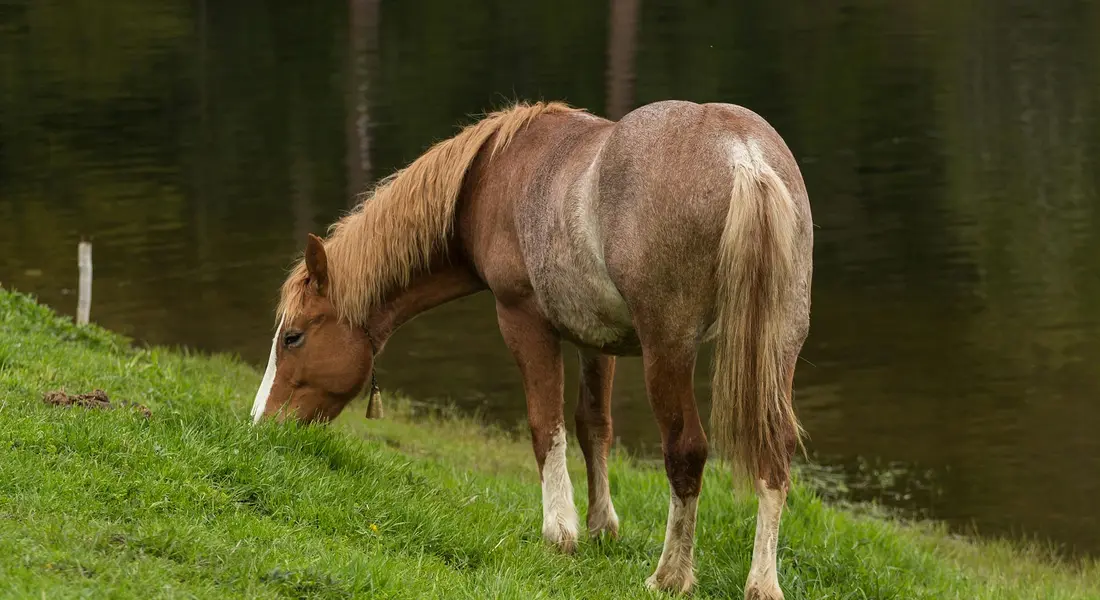
Where a horse spends its off-time isn’t just about physical space-it’s about mental real estate. A bored horse is an inventive horse, and their creations (like weaving, cribbing, or dismantling stall doors) are rarely good for them or your budget. I’ve seen how the right environment can turn a tense, spooky horse into a calm partner, simply by letting them be a horse.
Pasture: A Natural Playground for the Mind
Pasture life is a full-sensory buffet. It’s not just eating; it’s deciding what to eat, where to walk, who to stand with, and when to run. This constant, low-level decision-making is fantastic mental stimulation. My mare, Luna, is a prime example. In a stall, her thoroughbred brain spins like a turbine, seeing monsters in every corner. Turn her out on good grass with a quiet buddy, and you can literally watch the tension drain from her back. She’s too busy following the herd, sniffing for the sweetest clover, and napping in the sun to invent drama.
Herd dynamics teach vital social skills, and exploring varied terrain builds confidence. The biodiversity of a good pasture-different grasses, smells, insects, and sights-provides a constantly changing environment that fulfills their innate curiosity and foraging instincts. It’s preventative medicine for the mind.
Paddock: Keeping a Confined Horse Happy
A small, bare paddock can be a mental desert. Our job is to turn it into an oasis. The goal is to simulate the key benefits of pasture: foraging, social contact, and environmental interest. Here’s my step-by-step approach to paddock enrichment:
- Provide a Friend: A calm goat, sheep, or another horse in an adjacent space is non-negotiable. Visual contact is the bare minimum. Isolation breeds stress and strange behaviors.
- Make Eating an Activity: Dump hay on the ground and it’s gone in an hour. Use a slow-feed hay net with small holes. This turns a quick meal into a hours-long foraging puzzle, mimicking natural grazing.
- Rotate Toys: A traffic cone, a sturdy ball, a hanging salt lick. Introduce one, swap it out the next week. Novelty is key. Our pony Pipin will happily roll a jolly ball for days until he figures out how to puncture it-then it’s time for something new.
- Ensure Absolute Comfort: A horse worrying about weather is not a relaxed horse. Proper shelter from wind, rain, and sun isn’t a luxury; it’s a fundamental requirement for their mental and physical well-being in any confined space. They need a place to just stand and be comfortable.
Managing the Land: Essential Care for Pasture and Paddock
Good turnout isn’t a “set it and forget it” deal. The land itself needs care, whether it’s fifty acres or a fifty-foot square. Proactive management prevents problems like parasite loads, injured legs, and psychological burnout.
Pasture Management Must-Dos
Think of yourself as a grass farmer whose crop walks on four legs. Your core duties are to protect the soil and the forage.
- Implement Rotational Grazing: This is the single best thing you can do for pasture health. It prevents overgrazing, allows grasses to recover, and helps break parasite cycles.
- Control Parasites Strategically: Harrow manure in hot, dry weather to break it up and let the sun kill larvae. In wet seasons, pick manure up regularly. This is more effective than deworming alone.
- Provide Reliable, Clean Water: A natural pond is nice, but a maintained trough is better. Check it daily for debris, algae, and proper levels, especially in freezing or hot weather.
- Maintain Safe, Visible Fencing: Walk your fence lines weekly. Look for loose wires, broken posts, branches leaning on the tape, and any signs of digging or rubbing.
Step-by-Step Guide to Rotational Grazing
- Divide and Conquer: Split your pasture into at least two, preferably three or more, sections using temporary or permanent fencing.
- Graze by Grass Height: Move your horses when the grass is grazed down to about 3-4 inches. Do not let them eat it to the dirt.
- Enforce Rest Periods: Let the grazed section rest and regrow. The rest period depends on climate and season, but 3-4 weeks is a good starting point.
- Monitor and Adapt: This system improves nutrient cycling, encourages biodiversity of grasses, and reduces mud. You’ll see healthier, more resilient pasture over time.
Paddock Management Must-Dos
Paddock care is about protecting the ground from constant pounding and keeping the environment safe and hygienic, including regular cleaning of horse stables and paddocks.
- Fight the Mud: Regularly grade the surface to ensure drainage. Add stone dust or sand in high-traffic areas like gateways and around feeders. Pick manure out daily-it’s easier and prevents a mucky mess.
- Install Permanent Windbreaks and Shade: A three-sided shed is ideal. If trees aren’t present, a constructed shade sail is vital for escape from summer sun.
- Ensure Unfettered Water Access: Use automatic waterers or large, heavy rubber troughs that are checked and scrubbed twice a week. In winter, invest in a reliable heater.
- Mind the Stocking Density: Overcrowding a paddock destroys the footing and creates social tension. As a rule, provide a minimum of 600 square feet per horse for a dirt paddock, but more is always better to reduce conflict and wear.
Choosing the Right Fit: When to Use Pasture or Paddock
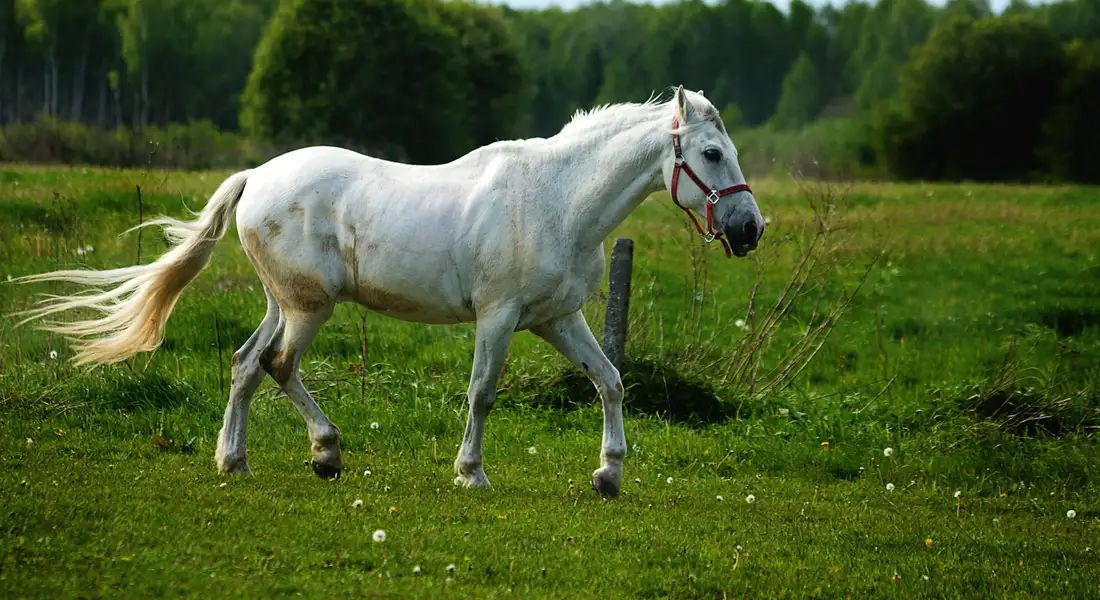
Think of it like choosing the right shoe: you wouldn’t wear hiking boots to a ballet. Your horse’s turnout is their living space, and the right fit depends on their individual needs, not just what’s convenient. I’ve spent countless mornings watching horses in both settings, listening to the contented munching in a grassy field versus the rhythmic pacing on a dry lot. The best choice always prioritizes the horse’s physical health and mental peace over human scheduling.
Your decision hinges on a few key factors: your horse’s metabolic health, their need for movement, their social requirements, and the quality of your land. When you compare stall boarding versus pasture boarding, your horse’s well-being should be the central concern. An honest, side-by-side look at turnout, safety, and care helps you decide what best serves your horse in the long run. Here’s a simple guide I use at my barn. For healthy, active horses who maintain weight well, pasture is usually the gold standard. For horses needing strict diet control, recovering from injury, or facing harsh weather, a well-managed paddock is a lifesaver.
Ideal Candidates for Pasture Turnout
Pasture life, with its symphony of bugs, birds, and breezes, is what a horse’s gut and mind are designed for. It’s not just about grass; it’s about living. The horses I see thrive most in full pasture are specific types, especially when you know how to design a safe and effective horse pasture.
- Horses at a Healthy Weight: If your horse is neither an easy keeper nor a hard keeper, and maintains condition on forage alone, pasture is perfect. My Thoroughbred, Luna, is a prime example-she moves constantly and burns those calories efficiently.
- Horses Needing More Voluntary Exercise: For the high-energy or stiff horse, wandering over varied terrain is better than any hand-walking program. It builds muscle evenly and keeps joints supple.
- Herd Animals Who Crave Social Interaction: Pasture allows for proper herd dynamics-grooming, playing, and establishing a pecking order. This social fulfillment is a massive deterrent to stable vices.
- Properties with Robust Pasture Management: This is the non-negotiable partner to pasture turnout. You must have enough acreage for rotation, preventing overgrazing and parasite buildup. Good pasture isn’t an accident; it’s a choreographed effort.
Ideal Candidates for Paddock Turnout
A paddock isn’t a prison; it’s a controlled environment for safety and health. The deep, resonant thud of hooves on clean stone dust is the sound of a manager sleeping well at night, knowing a horse is protected. I use our dry paddocks for several key residents, creating a safe and enriching environment for them.
- Easy Keepers & Horses Prone to Metabolic Issues: This is the number one reason. For a horse like my pony Pipin, unrestricted grass is a direct ticket to laminitis. A track-style paddock or a dry lot allows them to move and socialize without the sugar risk, which is absolutely non-negotiable for their welfare.
- Horses in Injury Recovery: Post-injury, controlled, limited movement is often prescribed. A small paddock prevents galloping and rolling that could compromise a healing tendon or ligament.
- Senior Horses Requiring Monitored Feeding: Older horses who need soaked hay or specific supplements do best in individual or small-group paddocks. You can ensure they get their special meals without competition.
- During Drought or Poor Pasture Conditions: When the “pasture” is just dirt and weeds, it offers no nutrition and high parasite exposure. A clean paddock with brought-in hay is far healthier.
FAQ: Pasture vs. Paddock Turnout Environments
What are the key differences between pasture and paddock turnout environments?
Pastures are expansive, grassy fields designed for natural grazing and herd movement. Paddocks are smaller, controlled areas often with minimal grass, used for managed exercise and feeding. The core distinction lies in space, forage availability, and the level of human oversight required for each setting.
How does pasture turnout impact a horse’s mental well-being and behavior?
Pasture turnout offers rich mental stimulation through exploration, social bonds, and continuous foraging choices. This natural environment reduces stress and boredom, helping to prevent the development of stable vices like weaving or cribbing. The freedom to roam and interact with a herd fulfills instinctual needs, promoting overall calmness and confidence.
In what situations might paddock turnout be more suitable than pasture turnout?
Paddock turnout is more suitable for horses needing strict dietary management, such as those with metabolic issues or a risk of laminitis. It is also ideal for injury recovery, as it allows for controlled movement and easy monitoring of health. Additionally, during droughts or for senior horses requiring specialized care, a paddock provides a safe, customizable space. Understanding these benefits can help you discern what are the key differences in caring for a stall vs a paddock.
Final Thoughts from the Stable
Match your turnout choice to your horse’s specific needs, using pasture for natural movement and paddocks for controlled grazing. Rotate between environments thoughtfully to prevent boredom and overgrazing, always prioritizing your horse’s metabolic health over convenience. An ideal pasture rotation schedule supports horse health by balancing grazing and rest. It also helps prevent overgrazing and maintains long-term turnout flexibility.
Watch your horse’s reactions as closely as I monitor Luna’s energy or Pipin’s mischief-their comfort tells the real story. Good horsemanship is built on this daily patience and a commitment to their safety above all.
Further Reading & Sources
- Pasture management for horse paddocks – World Horse Welfare
- Basic Pasture Management for the Equine Owner
- 5 Things You Need to Do for a Healthy Pasture – Horse and Rider
- Pasture Health & Grazing Management for Horses – [Guide] | Mad Barn
At Horse and Hay, we are passionate about providing expert guidance on all aspects of horse care, from nutrition to wellness. Our team of equine specialists and veterinarians offer trusted advice on the best foods, supplements, and practices to keep your horse healthy and thriving. Whether you're a seasoned rider or new to equine care, we provide valuable insights into feeding, grooming, and overall well-being to ensure your horse lives its happiest, healthiest life.
Stable Management