
How to Manage Separation Anxiety in Horses: A Calmer, Happier Herd
Hello fellow equestrians. That sinking feeling when your horse turns into a frantic, whinnying mess the moment his buddy leaves sight is all too familiar. You’re not just dealing with a loud horse; you’re facing a welfare issue that risks injury, weight loss, and frayed nerves for everyone.
We will tackle this together by breaking down the core strategies that build real security. Learning to read your horse’s unique anxiety signals, applying patient, step-by-step separation training, and restructuring your barn’s daily rhythm for mental comfort are the pillars of a lasting solution.
I’ve managed this anxiety with my own herd, from the sensitive Luna to the clever Pipin, and I can show you the gentle, effective path forward.
What Is Separation Anxiety in a Horse’s Mind?
-
Separation anxiety is a horse’s intense fear of being alone, rooted directly in their herd instinct. Think of it like a child feeling lost without their parent; for a horse, the herd is their safety net and family. For a deeper look at how these instincts shape behavior, the understanding horse behavior psychology complete guide offers broader context. It can help you interpret signals and tailor training accordingly.
This isn’t just stubbornness-it’s a deep-seated panic triggered by isolation.
-
As prey animals, horses are wired to find safety in numbers. Solitude feels like a death sentence to their instincts. The quiet of an empty paddock rings alarm bells, telling them a predator could be near with no one to sound the warning.
Their stress response is a biological imperative, not a behavioral choice.
-
I saw this with Luna, our sensitive Thoroughbred. The first time we led her away from her buddy Rusty for a solo grazing session, she didn’t just call out-she spun, her eyes wide white, and broke into a sweat before we’d gone twenty feet. It was pure, instant panic at the thought of being alone.
That moment taught me that herd-bound behavior often starts with a single, frightening separation.
Spotting the Signs: Is Your Horse Stressed or Just Bored?
-
Clear behavioral signs include constant vocalization-loud, distressed whinnies aimed at distant buddies-and frantic pacing along fence lines. You might see pawing that digs trenches or sweating that appears on the neck and flanks even in cool weather.
This isn’t idle movement; it’s a trapped animal trying to escape a perceived threat.
-
Subtler clues are easy to miss. Watch for a tense, swishing tail that flicks in sharp arcs, not lazy flies. Notice if they leave their hay net full or grain bucket untouched. A stressed horse often can’t settle enough to eat, even when alone with food.
A loss of appetite when separated is one of the most telling signs of genuine anxiety.
-
Chronic stress can cement into stereotypic behaviors like weaving, where the horse sways side-to-side, or cribbing, where they grip a surface and suck air. These are coping mechanisms gone wrong, signaling long-term distress.
Once these habits form, they’re tough to break, so early intervention is key.
-
Use this quick-reference table to distinguish between anxiety and simple restlessness:
Anxious Behavior Normal Restlessness Constant, piercing whinnies directed at the herd Occasional, soft nicker when expecting feed Frantic pacing that wears a path in the ground Ambling movement while exploring the paddock Vigorous pawing that digs holes or damages flooring Light pawing at soft ground before rolling Complete refusal of hay or grain when isolated Brief distraction from food by a passing bird If the behavior is persistent, destructive, or linked to separation, it’s likely anxiety, not boredom.
Common Triggers: Why Goodbyes Are So Hard
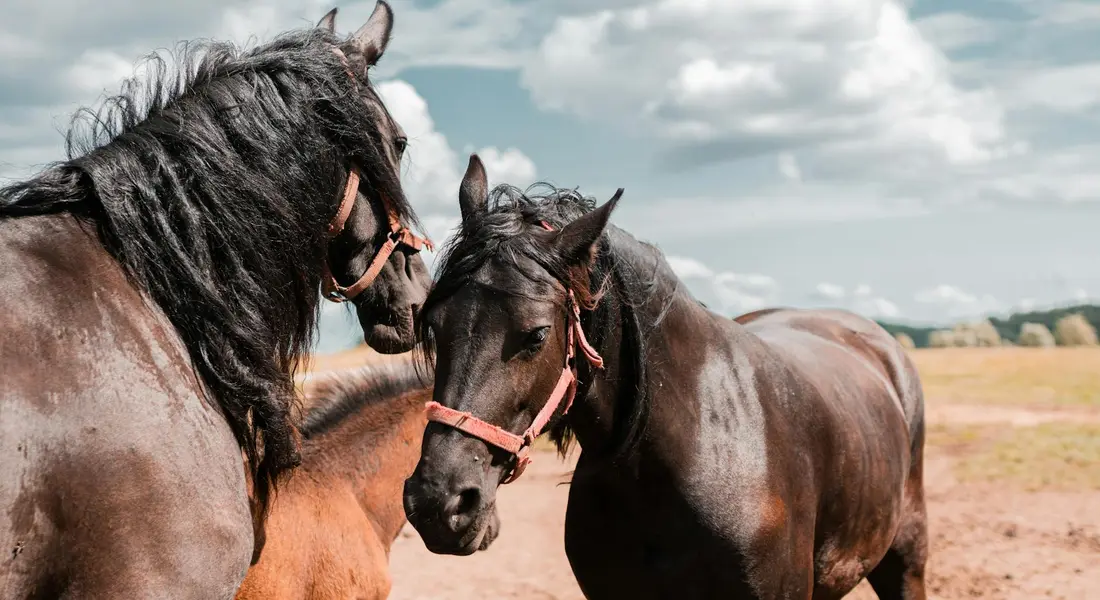
The frantic neigh that echoes across the property when a trailer pulls out isn’t just drama; it’s a genuine panic rooted in instinct. Separation anxiety flares from specific, understandable triggers.
- Sudden Herd Separation: A horse’s band is his safety net. When his favorite pasture mate is led away without warning, it can feel like a survival threat. I’ve seen Luna work herself into a lather in minutes just because Rusty went for a farrier trim.
- Disruption of Routine: Horses are creatures of profound habit. A change in feeding order, a different handler, or an altered turnout schedule can shake their sense of security, making them more clingy and reactive when finally separated.
- Relocation to a New Barn: Everything is unfamiliar: the smells, the sounds, the herd dynamics. This massive environmental shift overloads their coping capacity, often making them shadow your every move for weeks.
High-pressure environments magnify these feelings. At a horse show, you’re taking them from their temporary stall-mate, a known entity, to enter a chaotic arena alone. Trailering alone removes the comforting sounds and smells of another horse, turning the trailer into an isolating cave.
A lack of early socialization is a huge, often overlooked, factor. Weanlings raised in isolation or horses from overly sheltered training programs may never learn healthy independence. They see other horses as their sole source of comfort because they’ve never known anything else. This dynamic can affect training performance, as socialized horses pick up cues faster and stay calmer under pressure. It raises the question of how social exposure shapes training outcomes.
Your Foundation: Daily Management for a Secure Horse
-
Turnout is not a luxury; it is the cornerstone of equine mental health and your first line of defense against anxiety. Aim for 24/7 turnout with a compatible friend. Movement and social grazing regulate their nervous system in ways a stall never can.
-
Implement a strategic “buddy system.” Pair your anxious horse with a steady, unflappable influence, especially when trying to socialize them with other horses. My old Quarter Horse, Rusty, has been a babysitter for countless nervous boarders. His calm grazing and indifference to drama seems to whisper, “See? The world is not ending.” That steady presence is more soothing than any supplement.
-
Boredom fuels anxiety. Mimic natural foraging to keep their brain busy.
Use a slow-feed hay net to stretch meals and satisfy the need to chew. Introduce a sturdy treat ball stuffed with a handful of pellets into their paddock. Hang a traffic cone or a Jolly Ball for safe pushing and play. These aren’t silly toys; they are occupational therapy that redirects nervous energy into natural behaviors. -
Create and cling to a predictable rhythm. Feed, turn out, and bring in at the same times each day. Handle them with consistent cues. This routine builds a framework of trust. They learn that even when you leave, you will return because you always have before.
Training for Confidence: Progressive Desensitization Steps
-
Start in a place your horse knows well, like their paddock or a familiar arena. The goal is to build trust, not fear. I always begin with my horses turned out together, so the anxious one isn’t starting from total isolation. Controlled, gradual exposure is the bedrock of teaching a horse that being alone is safe, not scary. This approach is essential when you want to build a strong bond and trust with your horse.
-
Break the process into tiny, manageable wins. Here is a sample plan I’ve used with countless boarders over the years.
Step One: Walk just a few feet away from your horse while they’re with a buddy. Stand there for 30 seconds, then return. Repeat until they barely notice you leaving.
Step Two: Increase the distance so you’re still visible, but across the ring or paddock. Stay for one minute. Watch for calm signs: a lowered head, a soft eye, a sigh.
Step Three: Step out of sight briefly-behind a fence post or stall door-for only ten seconds. Gradually stretch that time to five minutes over several sessions.
The key is to move forward only when your horse is relaxed, not when they are tolerating stress. If they call or pace, go back to the previous step they mastered.
-
Timing is everything with treats. Reward the behavior you want the moment you see it. That means giving a carrot rub when your horse stands quietly as you step away, not after they’ve whinnied and then stopped. You must reinforce calmness, not the cessation of panic. If they are already upset, your presence and a soothing voice are the rewards, not food.
-
I learned this patience game from Pipin, our Shetland pony escape artist. He hated being left at the gate when his buddy Rusty went out. We started by having Rusty stand just three feet away. Each time Pipin waited without barging, he got a single oat. Within a week, that clever pony would plant his feet and wait for his ‘patience treat,’ learning that his friend always comes back. It transformed gate manners and his anxiety.
When Management Isn’t Enough: Seeking Professional Help
-
If your horse’s anxiety involves sudden weight loss, excessive sweating at rest, or resistance to grooming or saddling, call your vet first. Pain from ulcers, back issues, or dental problems can masquerade as pure behavioral anxiety, and no amount of training will fix a physical hurt. A thorough exam can rule out these hidden causes, such as weight loss due to underlying issues.
-
For horses with deep-seated fears that don’t improve with consistent training, a certified equine behaviorist is a wise investment. They look at the whole picture-herd dynamics, past trauma, your body language-to craft a tailored program. A calm, assertive leader for your anxious horse can reinforce these boundaries and keep the process steady. By adopting this approach, you maintain clear communication and reduce reactive surprises. Think of them as a therapist who speaks ‘horse,’ helping untangle ingrained reactions you might be too close to see.
-
Remember, seeking expert advice is a strength, not a failure. A professional’s plan should always integrate with, not replace, your foundational management of ample turnout, forage, and companionship. You build the supportive home; they help with the blueprints for confidence.
Understanding and Managing Separation Anxiety in Horses: FAQs
What are the most common symptoms of separation anxiety in horses?
Horses with separation anxiety typically display persistent, loud whinnies and frantic pacing when alone, signaling distress rather than boredom. They may also refuse food or water and show physical signs like excessive sweating or trembling, even in mild conditions. These behaviors can escalate to weight loss or destructive habits if the anxiety remains unmanaged.
How does separation anxiety specifically affect horses at shows?
At shows, separation anxiety can heighten due to unfamiliar environments, leading to behaviors like refusal to enter the arena or constant calling to stablemates. Bringing a reliable companion or using calming accessories, such as a stable mirror, can provide reassurance during isolation. Consistent pre-show training that mimics show-day routines helps build confidence and reduce panic in these high-pressure settings.
Are there any UK-specific considerations for managing separation anxiety in horses?
In the UK, management should account for frequent stable confinement and variable weather, which can limit turnout and increase anxiety. Ensuring regular access to pasture or implementing track systems encourages natural movement and herd interaction, key for mental well-being. Pasture turnout offers grazing and broad space for natural movement, while paddocks provide controlled access with shelter. Understanding the pasture vs paddock benefits helps tailor turnout strategies to each horse’s needs. Consulting with UK-based equine professionals can offer insights into local barn layouts and turnout practices that support gradual desensitization.
Your Partner in Patience
Manage separation anxiety by weaving predictable routines and very short, positive separations into your horse’s daily life. Recognize the signs early to tailor your approach and better manage separation anxiety in your horse. This awareness helps you support calm transitions. Pair this foundation with maximum herd turnout and environmental enrichment to address the root cause of their worry.
True progress is built on countless quiet moments, not a single breakthrough. Safety for you both and peace for your horse come from honoring his signals and moving at his pace.
Further Reading & Sources
- Overcoming Separation Anxiety in Horses
- Separation anxiety: training your horse to be on their own – World Horse Welfare
- Separation Anxiety in Horses- The signs, prevention & treatment | Ranvet
- Warwick Schiller Helps a Horse With Separation Anxiety
At Horse and Hay, we are passionate about providing expert guidance on all aspects of horse care, from nutrition to wellness. Our team of equine specialists and veterinarians offer trusted advice on the best foods, supplements, and practices to keep your horse healthy and thriving. Whether you're a seasoned rider or new to equine care, we provide valuable insights into feeding, grooming, and overall well-being to ensure your horse lives its happiest, healthiest life.
Behavior