
How to Become a Calm, Assertive Leader for Your Anxious Horse
Hello fellow equestrians. I see you there, standing in the aisle with that coiled lead rope, bracing for the dance of tension with your horse. You’re worried about that spook, that bolt, that head-tossing resistance that makes every ride or even simple handling feel like a negotiation.
That anxiety isn’t just frustrating-it erodes safety, trust, and the pure joy of partnership. I’ve spent years in the barn managing this exact puzzle, finding the balance between firmness and softness for horses like my sensitive Thoroughbred, Luna.
This guide will walk you through the core principles of grounded leadership. We’ll cover how your own breathing and body language set the entire tone, the critical difference between consistent pressure and nagging, and practical ways to build your horse’s confidence through predictable routines. You’ll learn how to turn small, daily interactions into opportunities for trust, creating a partner who looks to you for guidance instead of reacting to the world in fear.
My experience as a barn manager and trainer has been built on the belief that clear, quiet leadership is the foundation of equine welfare and a safe, rewarding relationship.
Understanding Horse Anxiety and Your Role as Leader
Why Anxious Horses Need Calm Leadership
Horses are prey animals wired to scan for danger. An anxious horse like my Thoroughbred, Luna, feels the world is full of plastic bags waiting to eat her. She isn’t being stubborn. She is asking for a leader to interpret the chaos. Your steady presence provides the security her instincts crave, turning panic into partnership. In the herd, calm leadership means survival. In your relationship, it means trust.
I learned this with Rusty on a windy trail ride. His head shot up, nostrils flared at a flapping tarp. My old habit was to tighten the reins and hold my breath. Now, I soften my seat and breathe out slowly. He mirrors my energy and settles. Assertiveness isn’t about force; it’s about providing unwavering, quiet confidence they can lean on. This approach honors their welfare, reducing stress that leads to ulcers and stable vices.
Turnout time is non-negotiable for mental balance. A horse pacing its stall isn’t “fresh.” It is screaming for movement and herd connection. Daily turnout in a safe paddock or pasture lets them process anxiety through natural behavior, making your leadership job easier. Pasture turnout offers grazing and space to decompress, while paddock turnout keeps things more contained and safe. Both setups support different angles of mental balance and learning. A tired mind is a trainable mind.
Reading Your Horse’s Stress Signals
Anxiety whispers before it shouts. Learning its language prevents escalation. Watch for more than the obvious spin or bolt.
- Eyes: Wide with white showing (“whale eye”), or a fixed, glazed stare.
- Ears: Rapid flicking in all directions, or pinned flat back not in aggression but in fear.
- Mouth: Tight lips, excessive chewing with no food, or visible tension in the jaw.
- Body: A high, stiff head carriage, hollowed back, or a tail clamped tightly or swishing violently.
- Breath: Short, snorting breaths or holding the breath entirely.
With Pipin, the clever pony, I see his stress in his stillness. He’ll stand like a statue, plotting his escape, which is more dangerous than a simple shy. Catching these early cues lets you intervene with a calm redirect, like a gentle touch or moving their feet in a small circle. It’s about conversation, not correction.
Projecting Calm Energy: Body Language and Breathing
How Your Presence Sets the Tone
Your body is your first and most honest tool. Horses read the creak of your boot, the set of your shoulders, the pace of your walk. Move like you have all the time in the world. Rushed, jerky movements scream “predator” to a prey animal’s nervous system. I practice this daily fetching horses from the field. A direct march towards them sends them scattering. A relaxed walk on a slight curve, eyes soft, invites them to meet me.
Your posture matters. Stand tall and balanced, not rigid. Open your chest and relax your hands. Imagine your energy as a quiet bubble expanding around you, creating a space of safety. When grooming Luna, if I’m tense thinking about my to-do list, she dances in the cross-ties. When I center myself, focusing only on the rhythm of the curry comb, she melts and sighs. Your focus is their focus.
Using Your Breath as a Calming Tool
Breath is your secret weapon. It directly controls your nervous system and broadcasts your state. A held breath or shallow gasp tells your horse, “Be alert!” A long, audible exhale says, “We’re okay.”
Try this the next time your horse is on edge:
- Plant your feet firmly. Feel the ground.
- Inhale slowly through your nose for a count of four.
- Exhale even slower through your mouth for a count of six or seven. Make it audible-a deep “haaaa” sound.
- Repeat three times. Watch your horse’s head lower.
This isn’t mystical; it’s biological. Your controlled breath lowers your heart rate, and horses, being perfect mirrors, often sync their rhythm to yours. I use this before mounting, during vet visits, or when a sudden noise rattles the barn. The smell of fresh hay and the sound of your own steady breath become the anchors they need.
Establishing Clear Boundaries with Kindness
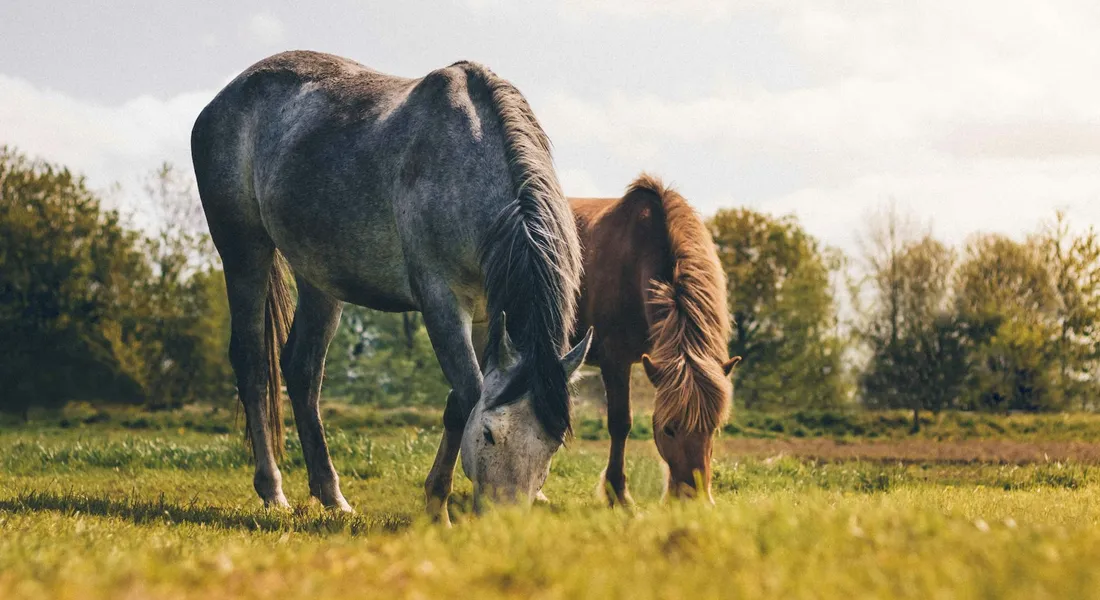
Think of boundaries not as walls, but as the reassuring fences of a safe pasture. They tell your horse where the edges are, so he can relax in the middle. A horse without clear leadership is like a rider without reins-directionless and prone to panic. Your job is to be that steady guide.
Assertive vs. Aggressive: Finding the Balance
Assertiveness is clear, fair, and consistent. Aggression is emotional, unpredictable, and scary. I learned this distinction the hard way with Luna, my sensitive Thoroughbred. A raised, impatient voice made her tense up for days, while a firm, quiet “stand” delivered with my body language worked wonders. Your energy is your first and most powerful cue; a calm, present demeanor communicates safety far better than force ever could.
Aggression creates resistance. Assertiveness invites cooperation. It’s the difference between yanking a halter and patiently waiting for your horse to soften into the pressure. For the anxious horse, a leader who shouts with their body is just another predator. True authority comes from a place of quiet confidence, not from intimidation.
- Assertive: A planted, still body blocking a doorway.
- Aggressive: A waving arm or flicking rope to chase a horse out.
- Assertive: Holding a light lead pressure until the horse yields its head.
- Aggressive: Jerking the lead to punish movement.
Practical Exercises for Boundary Setting
Start small in a safe, enclosed space. These aren’t about dominance, but about clear conversation. Remember Pipin, our Shetland escape artist? Teaching him to respect my space was a game of patience and tiny victories.
The first rule is to reward the slightest try-a shift of weight, a softening eye-not just the final perfect result. This builds confidence instead of frustration.
- Personal Space Bubble: Stand with your arms loosely at your sides. If your horse nudges or crowds you, use a firm “uh-uh” and a step into their space to ask them to move their feet back. The moment they yield, soften your posture and breathe out. This teaches them to honor your bubble without fear.
- Gate Manners: Practice at the stall or paddock gate. Ask your horse to stand quietly while you open it. If they rush, close the gate calmly. Repeat until they wait for your invitation to walk through. This prevents dangerous bolting.
- Feed Time Respect: At feeding time, ask your horse to back up a step or two before you put the bucket down. This simple ritual establishes that you control the resources calmly and fairly, reducing anxious mugging.
The Power of Predictable Routines and Consistent Cues
Anxiety thrives on the unknown. For a horse, predictability is peace. The smell of hay at the same time each morning, the familiar squeak of the tack room door, the rhythm of your footsteps-these are the anchors in their world. Understanding and managing anxiety in horses involves identifying common fears and skittish behavior.
How Daily Rituals Build Confidence
Turnout isn’t just exercise; it’s a non-negotiable pillar of mental health. I’ve seen horses like Rusty, my steady Quarter Horse, transform from stall-pacing worriers to calm partners with a guaranteed daily schedule of movement and herd time. That reliable routine is the backbone of a healthy exercise turnout schedule for horses. When turnout includes grazing and movement, a horse settles into work. A horse who knows he will get his time to graze and socialize is a horse who can settle into his work.
Create a daily flow that your horse can count on. For instance, morning feed, then turnout, then grooming before riding, always in that order. This consistency reduces the “what’s next?” tension that fuels spooky behavior. The thud of hooves on the way to the pasture becomes a comforting sound, not a prelude to stress.
- Feed at roughly the same times each day.
- Follow a similar grooming sequence: curry, brush, pick hooves.
- Keep tacking up order consistent (pad, then saddle, then girth).
- Prioritize maximum turnout with buddies for natural herd behavior.
Mastering the Timing of Your Cues
Timing is everything. A reward given three seconds too late is meaningless. A correction delivered after the moment has passed is just confusing noise. Your cue must be a clear marker in the timeline of your horse’s action.
Think of it like a clicker, but with your body. When Luna offers a soft exhale during saddling, my immediate smile and gentle scratch reward that exact second of relaxation. The release of pressure is the reward; learn to give it the instant you get the response you want.
Start with simple pressure-and-release exercises on the ground. Apply light pressure to your horse’s side asking for a step over. The millisecond their foot moves, release all pressure. This precise timing teaches your horse that they have the power to turn off the pressure by responding correctly, which is incredibly empowering for an anxious mind. It turns training from a mystery into a solvable puzzle.
Groundwork Exercises for Building Trust and Confidence
Foundation Moves for a Calmer Horse
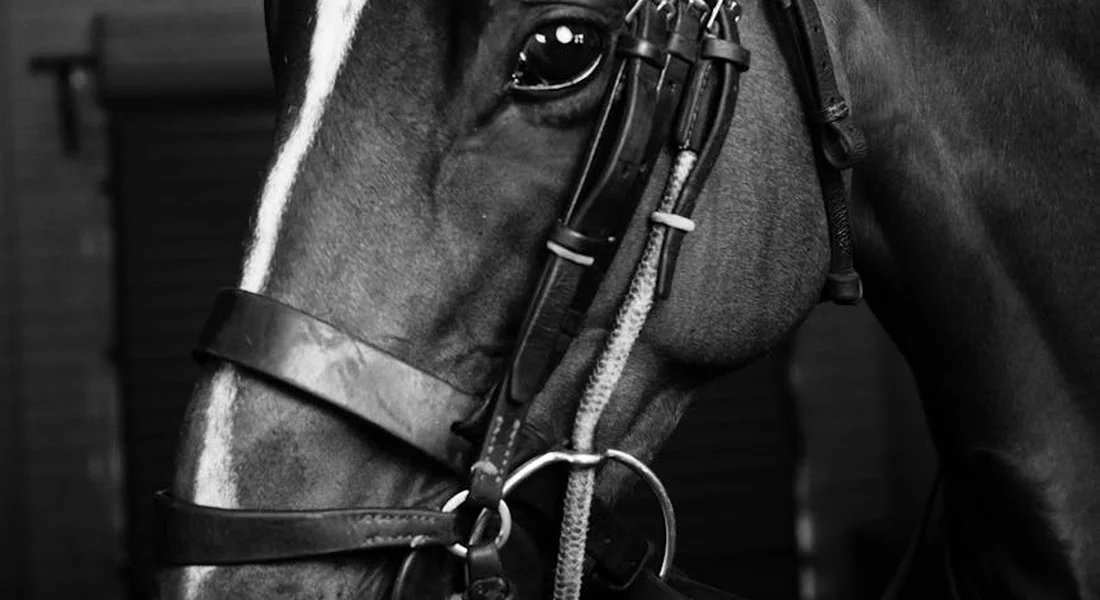
Think of groundwork as your shared vocabulary. It’s how you and your horse learn to talk without words. I start every session with my three, especially Luna, by asking her to yield her hindquarters. This simple move teaches her to respect my space and focus her busy mind. I stand at her shoulder, apply light pressure to her side, and wait for that first step across. The instant she moves, I release all pressure. This release is the reward-it tells her she got the answer right and builds a calm, thinking response instead of a flighty one.
Backing up is another cornerstone. It’s not about power; it’s about polite conversation. Ask from the ground by walking toward your horse’s chest with calm energy. Rusty used to push into my space until we practiced this. Now, a slight lean from me is a clear request for him to give ground. Consistent, gentle groundwork in a familiar arena or paddock builds a predictable routine that anxious horses crave for security.
Here are three foundation exercises to practice for five minutes daily:
- Yield the Hindquarters: Ask your horse to cross his back legs, moving his rear end away from you. This disengages his “engine” and promotes stillness.
- Back Up Politely: Teach your horse to step back from soft body pressure, not from pulling on the lead rope.
- Circle at Liberty: In a safe, enclosed space, use your body language to ask your horse to move around you. This builds attention and respect for your cues.
Incorporating Positive Reinforcement
Positive reinforcement isn’t just about handing out treats. It’s about marking the exact moment your horse chooses the right behavior. I use a clicker or a clear “good” sound with Pipin, my Shetland. When he stands calmly while I fiddle with a scary gate latch, I mark that second of bravery and follow it with a carrot bit. Timing is everything: the reward must come within seconds so your horse connects the action with the outcome.
Remember, the best reward is often the release of pressure. For a horse like Luna, stopping a training ask when she offers a try is more valuable than any apple. Keep treats small and low-sugar-I use chopped carrots or commercial training pellets. Always feed from a flat hand to prevent nipping, and never reward pushy or frantic behavior; you must reward the calm you want to see.
Combine pressure-and-release with treats for powerful learning:
- Ask for a simple behavior, like lowering the head.
- Apply light, steady pressure on the lead rope or halter.
- The moment your horse gives even an inch, release all pressure and immediately offer a treat.
- Repeat. You’re teaching your horse that cooperation leads to good things.
Desensitization Techniques for Nervous Horses
A Step-by-Step Approach to New Scary Things
Desensitization is not about forcing your horse to endure fear. It’s about slowly proving that the object is harmless. I start with something simple, like a plastic bag on a stick. The key is to work at a distance where your horse is aware but not panicked-I call this the “curious zone.” With Luna, that might be 30 feet away at first. Your horse’s feet must be moving; allow him to walk circles around the scary object while you hold it still. Movement helps him process fear without freezing or bolting.
Gradually decrease the distance over many sessions, only moving closer when your horse shows signs of relaxation: a soft eye, licking and chewing, or a dropped head. If he spooks, return to the previous successful distance. Rushing this process confirms your horse’s fears, but patience rewires his brain to accept novelty. I once spent a whole week just getting a tarp to lie on the ground near Rusty before he’d walk over it.
Creating Positive Associations with Sounds and Objects
Pair new, scary stimuli with something your horse already loves. The thud of a mounting block dragged across concrete used to send Luna sky-high. Now, I drag it a few inches, then stop and give her a generous scoop of her favorite hay. You’re not bribing; you’re building a neural pathway that says “weird sound” predicts “good event.” That same approach underpins teaching your horse basic ground manners—standing still for grooming, yielding to your space, and walking calmly on a lead. Mastery of these basics makes everyday handling safer and more enjoyable.
Use this method for common barn fears. Clatter feed buckets while doling out grain. Rustle that plastic rain slicker during grooming time when your horse is relaxed. Keep sessions short-three to five minutes of positive exposure is far better than one long, stressful ordeal. The goal is to leave your horse calmer than when you started.
Here’s a sample plan for introducing a flapping flag:
- Place the flag in a corner of the paddock during turnout so your horse can investigate it alone.
- Later, hold the flag still while hand-grazing your horse nearby.
- Gently wave the flag at a distance while feeding treats.
- Slowly increase the motion as your horse remains calm, always ending on a good note.
What to Do When Your Horse Spooks: De-escalation Strategies
The rustle of a plastic bag, a sudden shadow, a misplaced cone-we’ve all been there. Your horse transforms from a calm companion into a trembling statue in half a heartbeat. In that moment, your reaction sets the tone for everything that follows, and your goal is to be a calm anchor, not another source of turbulence. I’ve danced this dance with my sensitive Thoroughbred, Luna, more times than I can count, and the strategies below are what keep us both safe.
Immediate Handler Response to a Spook
Forget yelling or pulling. Your first job is to manage your own physiology to send a clear signal. A spook is a fear reaction, not disobedience.
- Breathe and Soften: The instant you feel the tension shoot up the reins, take a deliberate, slow breath and exhale audibly. Consciously relax your shoulders and soften your elbows. A tight grip tells your horse, “Yes, be afraid!”
- Move the Feet, Not Just the Head: Asking a terrified horse to stand still and look at the monster is a tall order. Instead, ask for a simple, familiar movement. I often ask for a step or two back, or a small hindquarter yield. This engages their thinking brain and disrupts the freeze-or-flee cycle.
- Create Space, Then Observe: Gently guide your horse a few more steps away from the spook source to a point where you feel their tension drop just one notch. Then stop, breathe together, and let them look. Allow them to process the scary thing from a safer distance, with you standing relaxed as if it’s the most boring object in the world.
Rebuilding Focus After a Fright
Once the initial bolt of adrenaline passes, you’re left with a jangly, distracted horse. This is where you rebuild.
- Return to Kindergarten: Ask for the simplest task you know they can do perfectly. This could be yielding their haunches one step, backing up three strides, or dropping their head to a cue. The success releases feel-good hormones and rebuilds their confidence in your guidance.
- The “Touch It” Game: For stationary objects (like that infamous tarp), I keep sessions short and positive. Standing safely alongside, I’ll ask them to just stretch their nose toward it. Any lean-in gets immediate release and praise. We might not touch it today, and that’s okay.
- Change the Channel: Sometimes the best thing is to walk completely away, do five minutes of quiet walking on a loose rein, or even end the session on a good note. Forcing a confrontation until they’re exhausted teaches them that work with you is stressful, not that the object is safe.
Maintaining Your Leadership: Patience and Positive Reinforcement

Leadership isn’t about dominance; it’s about consistent, predictable communication that makes your horse feel secure. It’s the daily deposit of trust into your partnership bank account, so you have a balance to withdraw from on a spooky day. That’s why the alpha myth is understood today as a modern horse leadership partnership. This reframing keeps the focus on trust and collaboration, not control.
Building Confidence Through Small, Successful Tasks
Think of your horse’s confidence as a muscle. You wouldn’t start with heavy weights-you start with repetitions of a manageable load.
With my old guy Rusty, this meant breaking down trailer loading into a hundred tiny steps. First, just stand calmly at the bottom of the ramp. Then, one foot on. Then off. The reward was release of pressure and a kind word. The goal is to set up your horse to be right, then celebrate that win enthusiastically. This could look like:
- Standing quietly at the mounting block for three seconds before you get on.
- Walking through a puddle (not around it) on the trail.
- Accepting fly spray on the neck without moving the feet.
Each completed task reinforces the idea that listening to you leads to peace and comfort.
Sustaining Your Own Calm as a Handler
You cannot pour from an empty cup. Your horse is a mirror to your own emotional state, and they are exceptionally good at reading the tension in your seat, your breath, and your hands.
I have a simple rule: if I’m feeling frustrated or anxious, I do not pick up the reins. I might just groom, do bodywork, or hand-graze instead. Check in with your own body before you correct your horse’s; that stiffness in their neck might start as tension in your jaw.
Develop your own reset ritual. For me, it’s taking three deep breaths at the stall door before I bring the horse out, focusing on the smell of hay and the sound of chewing. It grounds me. Your leadership is most potent when it is quiet, patient, and self-assured because you’ve taken a moment to manage yourself first.
FAQ: How to Be a Calm and Assertive Leader for Your Anxious Horse
What are the key differences between assertive and confrontational behavior?
Assertive behavior is clear, consistent, and rooted in quiet confidence, providing your horse with predictable guidance. Confrontational behavior is emotional, unpredictable, and seeks to dominate through intimidation or force, which triggers a prey animal’s fear response—something that is widely misunderstood even in expert discussions about dominance in horses. Your goal is to be a steady leader who invites cooperation through calm pressure-and-release, not a threat that creates resistance.
How do I maintain consistent and predictable cues for my horse?
Use the same specific body language, voice tone, and pressure application for each requested behavior every single time. Ensure your timing is impeccable, releasing any pressure the instant your horse offers the correct try, as this release is the primary reward. Practice cues in a calm environment until they become a reliable, stress-free language between you and your horse. This consistency is essential to building better communication with your horse.
What role does routine play in creating a calm environment for an anxious horse?
A predictable daily routine reduces anxiety by eliminating the “unknown,” allowing your horse to relax because they know what to expect. Consistent sequences for feeding, turnout, and grooming become anchors of safety that build overall trust. This foundational stability makes your horse more receptive to training, as their mental energy isn’t consumed by environmental uncertainty. It also complements a deeper understanding of horse behavior and psychology.
Building Trust, Step by Step
Focus on your own steady breathing and predictable routines to become a safe harbor for your nervous horse. Your consistent, calm energy and clear communication through pressure-and-release are what ultimately rebuild a worried horse’s confidence, especially when dealing with separation anxiety.
Progress is rarely a straight line, and some days will be harder than others-that’s normal horsemanship. The most powerful tool you have is your willingness to listen and adapt to what your horse is telling you in each moment.
Further Reading & Sources
- Be the leader with your horse | Straightness Training
- Be a Calm, Assertive Leader
- Calm Assertiveness in Horsemanship – Blog
- The Invisible Language: Leadership Lessons from Horse Whispering
At Horse and Hay, we are passionate about providing expert guidance on all aspects of horse care, from nutrition to wellness. Our team of equine specialists and veterinarians offer trusted advice on the best foods, supplements, and practices to keep your horse healthy and thriving. Whether you're a seasoned rider or new to equine care, we provide valuable insights into feeding, grooming, and overall well-being to ensure your horse lives its happiest, healthiest life.
Behavior