
Prevent Horse Kicking: A Practical Guide to Force, Reasons, and Safety
Hello fellow equestrians. That sudden crack against the stall wall or the whirl of heels in the field is more than startling. It is a direct threat to safety, risking costly injuries and vet bills for both horse and human.
This article will give you clear, actionable steps. We will cover the real physics behind a kick’s devastating force, the common reasons horses lash out, from pain to pure frustration, and daily management and training tactics to prevent it.
I have spent years in the barn as a manager and trainer, working with everything from steady trail horses to sensitive off-track thoroughbreds, and I am here to share what actually works.
The Raw Power of an Equine Kick
Imagine the thud of a hoof connecting not with dirt, but with a solid object. The physics are sobering. A horse’s hind leg can accelerate faster than a professional boxer’s fist, delivering force comparable to a small car hitting you at 20 miles per hour. That kinetic energy is focused into a hoof the size of a dinner plate, making it one of the most dangerous actions on the farm.
Average kick force measurements range wildly, from 1,000 to over 2,000 pounds per square inch. A draft horse’s casual warning stomp differs from a frightened Thoroughbred’s full-power blast. My Quarter Horse, Rusty, once kicked a fallen tree branch so hard it sounded like a gunshot, a stark reminder of the power in even a steady eddy.
While cows kick with a blind, sweeping motion, equine kicks are precise and directed. Mules share this formidable accuracy. The real danger lies in the combination of brute force and targeted impact, which is why you never turn your back on a hindquarter in close quarters.
Injuries range from massive bruises and ligament damage to shattered bones, fatal internal bleeding, or traumatic head injury. I’ve witnessed a kick to a human thigh cause a hematoma the size of a melon. This isn’t scare tactics; it’s the daily reality of working with large, powerful animals.
Decoding the Why: Common Reasons for Kicking Behavior
Horses don’t kick out of spite. It’s a communication tool with a vocabulary all its own. Understanding the ‘why’ is your first step toward prevention. Here are the primary motivations:
- Pain: A sudden kick during grooming or saddling often screams, “That hurts!”
- Fear: A spook at a flapping tarp or an invasive syringe can trigger a defensive blast.
- Social Communication: In the herd, a lifted hind leg says, “Stay out of my space.”
- Play: Two turned-out horses might kick up their heels in exuberance, not anger.
- Overstimulation: Too much noise, activity, or pressure can overload a sensitive brain.
Aggressive kicks aim to connect and cause harm, often seen in stallion fights or severe resource guarding. Defensive kicks are a scared animal’s last resort. Non-aggressive kicks, like a playful buck in the field, are usually not directed at a target. Confinement in a small stall with little turnout is a prime recipe for frustration-based kicking at walls or doors, as pent-up energy seeks any escape.
Pain and Discomfort Signals
Somatic pain from a sore back, a hoof abscess, or arthritis is a major trigger. A horse might cow-kick at its own belly when colicking. I learned this the hard way when a normally gentle lesson horse kept kicking out while being tacked up; a veterinary exam revealed a poorly fitting saddle had caused significant back pain. Your first response to any new kicking behavior should always be a thorough physical exam by a vet and a saddle fit check by a professional.
Internal discomfort from ulcers or metabolic issues can also shorten fuses. Regular wellness checks are non-negotiable, not just for vaccinations but to catch silent pain before it speaks with a hoof.
Fear, Anxiety, and Overstimulation
Sudden movements, loud machinery, or forceful handling can make even a calm horse feel trapped and lash out. My dapple grey, Luna, once delivered a lightning-fast kick toward a buzzing weed trimmer that startled her during a hoof pick. Always approach sensitive areas like the girth, flanks, and legs with gradual, predictable pressure, and be hyper-aware of your environment for potential spook triggers.

Busy show grounds, aggressive fly spray application, or a chaotic vet visit can overstimulate a horse’s nervous system. Their kick becomes a reflexive “get this away from me” signal. Reading subtle signs of anxiety-like a pinned ear, tense flank, or white eye-can help you defuse the situation before a leg flies.
Social Herd Dynamics and Play
In the field, kicking establishes boundaries and play hierarchy. It’s normal behavior. The cheeky pony Pipin often kicks out in a playful buck when turned out with his buddy, all sound and fury with no intent to strike. The risk occurs when this normal play happens too close to fences or where humans are working, turning a playful gesture into a dangerous accident.
Safe turnout practices are key. Ensure paddocks are large enough for horses to avoid each other if needed, and remove hind shoes if possible to reduce injury risk during play. Observing your herd’s dynamics helps you understand who might be the instigator of more forceful interactions. To put these guidelines into action, design a safe turnout area with a clear fencing layout that reduces crowding. A thoughtful layout also helps with gate placement, shelter, and water access to support calm interactions.
Body Language Basics: Spotting the Warning Signs
Horses shout with their bodies long before they kick. Learning this language is your best defense. Spotting the pre-kick sequence is less about drama and more about noticing a shift in the horse’s energy, a tightening you can feel in the air.
- Pinned Ears: This isn’t mild annoyance. Ears go flat back against the skull, a clear “back off” signal.
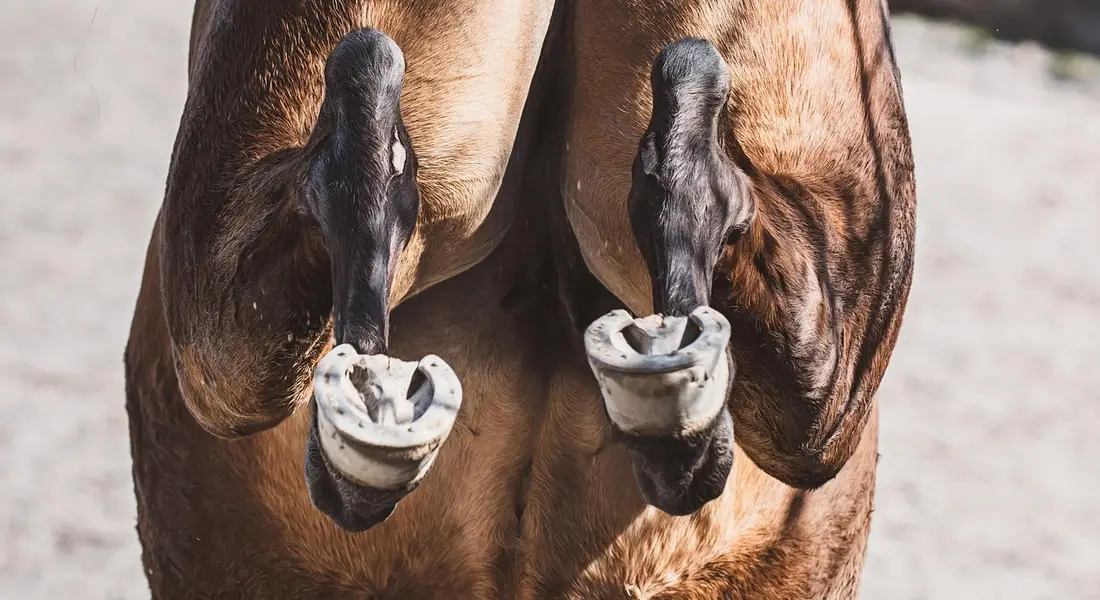
- Raised Hind Leg: A hoof lifts just off the ground, muscles cocked. It’s the literal loading of the weapon.
- Tense Flank: Watch the gluteal muscles. They’ll tighten and quiver, like a coiled spring.
- Swishing Tail: This is an angry, purposeful slash, not a lazy flick at flies.
- Averted Head: The horse often turns its head away, breaking connection. It’s the final sign before the explosion.
Contrast this with a bite threat. A horse wanting to bite will often pin ears too, but they’ll lean forward, snake their neck, and maybe snap their teeth. The energy moves toward you, not away. Kicking is often a defensive, “get away from me” gesture, while biting can be more offensive. Understanding why horses bite helps explain this behavior and how to stop it. With that knowledge, you can apply safer handling and training to reduce bite incidents.
Subtle signs are easy to miss. With Luna, my high-strung Thoroughbred, a tense flank is the first clue. She might stand perfectly still, but that hard stare and the slight ripple in her hindquarter tell me she’s overwhelmed. Rusty, the steady Quarter Horse, will give one sharp tail swish-his only warning-if you surprise him from behind. Your daily risk assessment starts the moment you enter the paddock; read the room before you step in.
Practical Prevention: Safety and Immediate Response
Prevention is built on respect and routine. Your daily approach sets the tone. Follow this simple protocol every single time.
- Always announce yourself with a calm, low voice before entering a stall or pen.
- Respect the blind spots. Approach at an angle, near the shoulder, never directly from the rear.
- Move with steady purpose. Erratic, jerky movements spell “predator” to a horse.
Gear up for safety. For you, that means sturdy boots with a reinforced toe are non-negotiable-no sandals in the barn. For horses, consider protective boots during turnout or transport, and kick chains on trailer doors to limit impact. Proper gear isn’t a sign of fear; it’s a mark of a prudent horseman.
Stall and turnout management curb frustration. I advocate for maximum turnout; a bored, pent-up horse is a ticking clock. Ensure stalls have safe dividers, and introduce new herd members slowly in a large space. A horse with miles of pasture and pals to groom is far less likely to harbor kick-worthy resentment.
If a kick happens, don’t panic. Have this mental checklist ready.
- Assess injuries immediately. Check yourself, then the horse, for obvious wounds or lameness.
- Secure the horse. Move them to a safe, confined area or have a helper hold them calmly.
- Administer basic first aid. Stop bleeding with direct pressure on a clean cloth.
- Seek professional attention. For deep wounds, lameness, or any human head/abdominal injury, call the vet or doctor now.
Safe Handling and Positioning
Working near those powerful hindquarters requires a plan. When picking hooves or grooming, keep one hand resting on the horse’s hip; your touch keeps them aware of you. Your steady pressure is a gentle anchor, preventing surprise. During feeding, I never step between horses. I scatter grain piles far apart or use separate tubs, a lesson learned after Pipin the pony tried to guard his dinner with a swift heel.
In group settings, always position yourself where you can see all animals. Teaching space respect is daily work. These practices also lay the groundwork for teaching your horse basic ground manners. They help establish calm, predictable responses from the ground. I consistently ask horses to step back from gates with a light cue, rewarding the slightest try. Gentle, predictable handling builds a horse who moves away from pressure, not against it.
First Aid and Aftercare for Kick Injuries
For a superficial cut, clean it with a gentle saline solution or diluted antiseptic, apply an antibiotic ointment, and cover with a sterile bandage. Watch for heat or pus. A clean, covered wound heals faster and keeps flies away.
Some symptoms mean stop everything and call the vet. These include sudden lameness, a swollen limb that feels hot, a deep puncture wound, or any change in behavior like depression or loss of appetite. Internal damage from a kick can be silent but serious; when in doubt, get a professional out.
Long-Term Solutions: Training and Management for a Safer Horse
Quick fixes for kicking are bandaids; real safety is built over time with trust and smart care. Your goal is to create a horse so confident and content that kicking isn’t his first thought, whether he’s being groomed or grazing with friends. This work saved my sanity with Luna, whose sensitive skin made her flinch at every brush stroke until we changed our approach.
Breed labels can be misleading, so focus on the individual in your care. A horse’s personal history and daily experiences shape behavior far more than any breed stereotype ever could. My quarter horse, Rusty, is generally steady, but a sore back once made him cow-kick when saddled, a clear signal of pain, not personality.
Management is your silent partner in safety. Prioritizing daily turnout, thoughtful herd introductions, and vigilant pain management addresses the deep-seated reasons a horse lashes out. A bored or lonely horse is an accident waiting to happen, and their stall often bears the brunt of their frustration.
Training is the bridge between management and manners. Consistent, patient sessions that reward calm behavior teach your horse that humans are predictors of good things, not discomfort or fear. This foundation turns reactions into responses you can guide.
Desensitization and Trust-Building Exercises
Desensitization is simply the slow, kind process of proving to your horse that a strange sensation won’t hurt them. Always start with the horse calm, in a safe pen, and use high-value treats to mark the behavior you want. I keep apple slices in my pocket for Pipin, who thinks faster when food is involved.
Follow these steps for a common trigger like handling the flank or legs:
- Touch a neutral area, like the neck, and give a treat immediately. Repeat until your horse is relaxed and expecting the reward.
- Gradually move your hand toward the sensitive zone, maybe the girth area, touching lightly and treating for any sign of stillness.
- If your horse tenses, freeze. Do not pull away. Wait for them to exhale or relax a muscle, then treat and retreat to a neutral area.
- Over many short sessions, work up to holding your hand on the trigger spot for several seconds, always pairing it with a reward.
- Introduce tools like a soft brush or rope near the area, letting them sniff it first, always linking the new sight with a positive outcome.
Watch your horse’s face and feet like a hawk. A session ends on a good note, not when you’re tired, so quit while you’re ahead after five calm minutes. Reading the subtle shift in Luna’s weight off her hind leg tells me she’s thinking about kicking, so I back up and ask for something simpler she can win at.
Environmental and Herd Management
You can train perfectly and still see kicking if your horse’s basic life needs aren’t met. Ample space to move and roam is the cornerstone of a sane mind, reducing the pent-up energy that fuels explosive reactions. I’ve watched horses transform from stall-walkers to peaceful grazers with just a few more acres and a buddy.
Socialization is not optional. Introduce new pasture mates over a safe fence line for a week, allowing them to establish order without physical contact. A compatible herd provides mutual grooming and play, which are natural stress-relievers that curb barn sourness and gate aggression.
Routine creates security. Feed, turnout, and work schedules that your horse can predict lower background anxiety significantly. The thud of hooves on stall walls often lessens simply because the horse knows when his next meal and freedom are coming.
This holistic care has a ripple effect. You’ll witness fewer kicks, yes, but also softer eyes, better digestion, and a horse that meets you at the gate instead of turning away. It’s the difference between containing a problem and cultivating a partner.
FAQ: Understanding Horse Kicking
How dangerous is a horse kick to humans and other animals?
A horse kick delivers immense force capable of causing life-threatening injuries like shattered bones or internal bleeding in humans. Other animals struck by a kick can suffer similar trauma, including fatal wounds or severe fractures. The precision and power make it a critical safety concern in any equine environment.
Are certain breeds of horses more prone to kicking?
Breed stereotypes are less reliable than individual factors such as training, health, and environment in predicting kicking behavior. Any horse, regardless of breed, may kick due to pain, fear, or poor management. Focusing on consistent care and understanding each horse’s unique temperament is more effective for prevention.
What should you do if a horse kicks you or someone else?
Immediately move to a safe distance and assess the injury for bleeding, swelling, or broken bones. Apply basic first aid like direct pressure on wounds and seek emergency medical attention for serious impacts. These emergency first aid steps help stabilize the horse while the vet is on the way. Keep the horse calm and minimize movement until professional help arrives. Always ensure the horse is secured and monitored for any signs of distress or further aggression.
Parting Wisdom from the Paddock
View every kick as a clue, and start your detective work with a thorough health and habitat check. Consistent, gentle handling and ensuring your horse has enough social turnout time are the most reliable ways to diffuse tension before it escalates.
Cultivate patience and prioritize your safety by giving every horse a respectful amount of space. The cornerstone of good horsemanship is quiet observation-listening to your horse often prevents the need for louder conversations. By learning to talk with your horse and truly understanding their signals, you can build stronger, clearer communication. This kind of dialogue lays the groundwork for trust and cooperation in every ride.
Further Reading & Sources
- Kicked by a Horse? How to Prevent it in the Future.
- Quitkick – Stop your horse kicking the stable door
- Dealing with Horse Kicks: Prevention and Treatment
- How to stop a horse from kicking – Quora
At Horse and Hay, we are passionate about providing expert guidance on all aspects of horse care, from nutrition to wellness. Our team of equine specialists and veterinarians offer trusted advice on the best foods, supplements, and practices to keep your horse healthy and thriving. Whether you're a seasoned rider or new to equine care, we provide valuable insights into feeding, grooming, and overall well-being to ensure your horse lives its happiest, healthiest life.
Behavior