
Can Horses Sit Like Dogs? Decoding Equine Anatomy and Resting Behaviors
Hello fellow equestrians! Have you ever watched your horse fold their legs in a odd crouch and wondered if they’re trying to sit like your labrador? It’s a common curiosity that speaks to our desire to understand their comfort and natural state.
We’ll settle this barnyard debate by looking at the hard facts of horse design. You’ll get a clear picture of why their build dictates their rest, preventing injuries and supporting their welfare.
Here’s what we’ll cover:
- The fundamental anatomical reasons a horse’s body simply cannot fold into a seated position.
- The practical ways horses actually rest and sleep, from standing naps to full recumbency.
- How to interpret those strange postures you see in the field and when they might signal a need for your attention.
I’ve spent years in the barn aisle with all kinds of characters, from the steady reliability of my Quarter Horse Rusty to the sensitive grace of Luna, and that hands-on time shapes every bit of advice I share.
The Straight Answer: Comparing Horses and Dogs
You might watch your dog plop down on its haunches and wonder if your horse could ever do the same. The short, straight answer is no. A horse cannot sit like a dog. Their bodies are built for entirely different purposes. Think of a dog’s skeleton as a flexible spring, designed for curling up and springing into action, while a horse’s frame is a suspension bridge, engineered for bearing massive weight in steady motion.
Defining “Sitting” in Animal Terms
When we say a dog “sits,” we mean it rests its hindquarters on the ground with its forelegs straight and weight forward. It’s a stable, relaxed posture. For a horse, any similar attempt isn’t sitting; it’s usually a sign of distress, severe fatigue, or a medical emergency like colic. True sitting is a voluntary, comfortable rest position, and that’s simply not in your horse’s natural repertoire. I’ve seen Pipin the pony try to scratch his back by leaning against a fence, but he never sits. He just finds clever ways to reach the itch.
The Biomechanical Blueprint: Why Horse Anatomy Forbids Sitting
To understand why, we need to look under the hood. Horse anatomy is a masterpiece of evolution for flight and grazing, not for folding into a chair. Delving into horse anatomy biology helps explain how bones, tendons, and muscles coordinate for swift, efficient movement. This biology underpins the adaptations behind speed and endurance. Every curve and joint tells a story of power and endurance, not flexibility for sitting.
The Rigid Spine and Weight Distribution
A horse’s spine is remarkably rigid compared to a dog’s. It has limited side-to-side and up-and-down flexibility, acting more like a solid girder to support the immense weight of its torso. This design is perfect for stabilizing a running animal but terrible for folding the hind legs underneath. If a horse tried to sit, its spine couldn’t curve to bring its center of gravity back over its pelvis, making the position biomechanically impossible and dangerously unstable. I remember lunging Luna, my sensitive Thoroughbred, and watching the powerful line of her back-it was built for forward impulse, not for folding.
The Hindquarters: Hip, Stifle, and Pelvis Design
Now, let’s talk hind end. The hip joint, stifle (like a knee), and pelvis are locked in a design that only allows for standing or lying down. A horse’s pelvis is long and slanted, anchoring massive muscles for propulsion. The hip and stifle joints don’t bend in a way that lets the horse lower its body onto its hocks like a dog. The angle of the femur and the structure of the stifle simply won’t permit a seated posture without risking catastrophic ligament strain or dislocation. When old Rusty lies down to roll, he drops straight onto his side; his legs don’t tuck underneath him first. That’s the only way his hardware is designed to operate.
Healthy Horse Rest: Normal Postures from Standing to Lying Down
Standing Rest and the Stay Apparatus
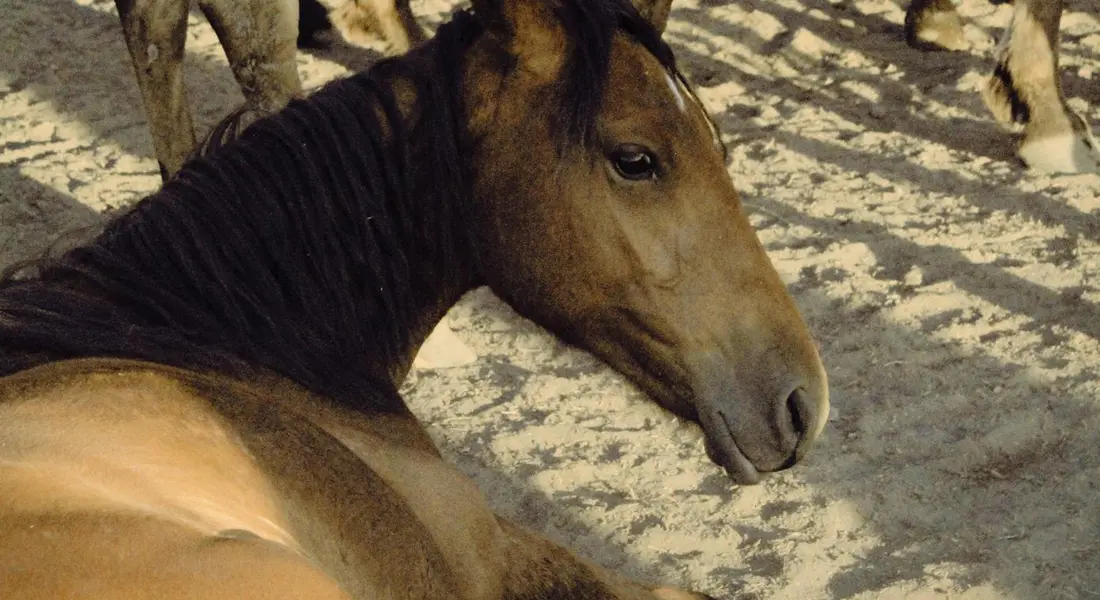
You’ve seen it in the barn aisle: a horse like Rusty, head drooping, eyes soft, one hind leg tipped forward at the rest. He’s not just being lazy; he’s using a brilliant bit of equine engineering called the stay apparatus. This system of tendons and ligaments lets him lock his major joints, allowing his muscles to relax while he remains upright. This standing doze is a light, energy-saving rest, but it’s no substitute for the deep sleep they get only when lying down. True sleep for horses typically happens when they lie down. Understanding when and why they lie down helps explain their resting habits. It’s a survival holdover from life on the open plains, letting them nap and still bolt at a moment’s notice.
I spend hours in the barn, and the sound of a contented horse in standing rest is the gentle creak of a leather halter and the soft, rhythmic sigh of breath. You’ll often see a back foot cocked or weight shifted slightly. Providing a clean, dry spot to stand-away from hard concrete-supports their joints during these rest periods. It’s a gentle horsemanship basic: comfort in the small moments matters.
But that’s not all. The stay apparatus has limits. Watch for these signs of a horse fully using it for healthy rest:
- Head held low or level with the withers.
- Eyelids heavy, but ears still flicking to sounds.
- One hind leg rested with the toe just touching the ground.
- A relaxed lower lip that might quiver.
Lying Down: From Light Dozing to Deep Sleep
For true restoration, horses must lie down. They cycle through two main postures. First, there’s sternal recumbency-think of it as a “dog-sitting” pose but with legs tucked under. They rest on their chest with head up, dozing lightly. This position lets them spring up quickly and is where they spend most of their lying-down time, often socializing or soaking up sun. I’ve watched Luna do this for ages in her paddock, chewing her cud with a view of the trailhead. Still, resting moments carry risks if the ground is uneven or space is cramped. A calm, well-maintained space with secure footing helps keep lying-down time safe.
The real magic happens in lateral recumbency, flat out on their side. This is the only way they achieve essential REM sleep. Horses need about 30 total minutes of REM sleep per day, usually in short, 15-20 minute bursts, and they must feel utterly safe to achieve it. These rest periods reveal a horse’s sleeping/resting behavior. Understanding this helps me tailor safe turnout. The thud of a body rolling in deep straw, followed by the sound of contented snores, is barn gold. It’s why I advocate for maximum turnout-a soft, spacious area is non-negotiable for this critical rest cycle.
Here’s what normal, healthy lying down looks like:
- They circle and sniff the ground before lowering themselves carefully.
- They lie flat out, often with legs extended, for short periods.
- They get up calmly, sometimes with a full-body stretch.
- They do this multiple times in a 24-hour period.
If your horse isn’t lying down at all over days, it’s a red flag. A deep bed of shavings or straw isn’t a luxury; it’s a requirement for encouraging this vulnerable, necessary behavior. Straw is a roughage component in many horses’ diets, though it’s mostly bedding. Understanding roughage helps explain why a cozy straw bed supports rest and well-being. Pipin, our Shetland, taught me that-he’ll only flop for his full nap in the thickest straw pile in the barn.
When Rest Signals Distress: Recognizing Abnormal Postures
Common Ailments That Affect Mobility and Rest
Posture tells a story. When normal rest patterns shift, your horse is often speaking the only way they can. A horse standing rigidly, constantly shifting weight, or refusing to lie down isn’t being stubborn-they’re likely in pain. Your first move should always be to check vital signs and call your veterinarian if something feels off. Trust that gut feeling you get after years of mucking stalls and fitting saddles; you know your horse’s normal.
Let’s break down some common culprits. Laminitis, for instance, creates that classic “sawhorse” stance-front legs stretched out, weight rocked back onto the heels to relieve toe pain. Spotting this early stance can mean the difference between a manageable episode and a catastrophic founder. Arthritis makes lying down and getting up a calculated, stiff ordeal; you might see a horse hesitate repeatedly before attempting to roll.
Colic pain manifests in restlessness that mimics trying to rest but failing. Watch for these abnormal signs:
- Repeatedly lying down and getting up in quick succession.
- Pawing intensely while standing or lying.
- Looking at the flank or kicking at the belly.
- Assuming a sitting-like posture but with obvious strain, unlike a relaxed sternal rest.
Muscle or skeletal injuries, like a sore back from poor tack fit, can make a horse stand camped out or resist certain resting positions altogether. I’ve adjusted more than one saddle after noticing Luna standing oddly parked out after a ride, a quiet testament to discomfort. Their rest is your report card on their overall care. Prioritizing gentle handling, proper tack fit, and that all-important turnout time isn’t just kind; it’s preventive medicine for their mental and physical peace.
Fostering Equine Welfare: Your Role in Supporting Natural Rest
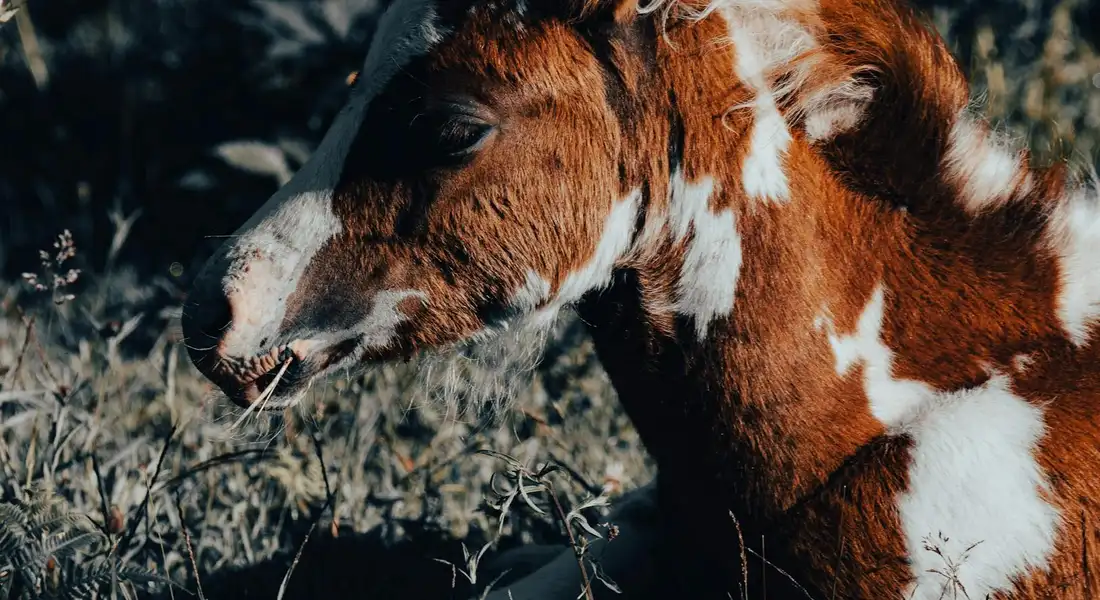
Seeing a horse lying flat out can be startling, but it’s a sign of deep trust and health. Since they can’t simply plop into a sit, their recumbent rest is vital. Your management directly influences whether your horse feels secure enough to fully recharge their body and mind. It’s about more than just providing a stall; it’s about crafting a sanctuary.
Creating a Safe Environment for Recumbent Sleep
A horse won’t lie down if the footing is slippery or the space feels cramped. I learned this with Luna, our sensitive Thoroughbred; she stood for days in her stall until we reassessed her bedding. Deep, cushiony bedding is non-negotiable, acting like a mattress to protect bony prominences from pressure sores during long rests. Aim for at least 6-8 inches of quality wood shavings or straw that’s regularly mucked out to stay dry.
The stall itself must be spacious enough for a safe rollout and stand-up. A 12×12 foot box is a common minimum, but bigger is always better for larger horses. Always walk your stall on your knees to spot hidden hazards like protruding bolts or uneven floorboards that could cause injury during the clumsy process of lying down or rising. Remove any low hay racks or sharp edges they could roll into.
Consider the social atmosphere, too. Pipin, our Shetland, will only fully recline if he can see a buddy. A solid wall might feel secure to us, but for a prey animal, it can be isolating. Using barred partitions or mesh grill sections between stalls allows for visual contact, reducing anxiety and promoting communal rest. Here’s a quick checklist for a sleep-safe stall:
- Ample, dry bedding (shavings, straw, or peat moss)
- Clear, obstacle-free floor space
- Secure, smooth walls with no sharp projections
- Options for social visibility to herd mates
- Consistent, quiet routines to minimize startling noises
The Critical Link Between Turnout and Restful Behavior
Confinement is the arch-nemesis of natural rest. A horse stuck in a stall accumulates physical tension and mental boredom, making deep sleep elusive. Daily turnout on varied terrain is the single best thing you can do to encourage your horse to rest properly, both standing and recumbent. The thud of hooves on dirt, the smell of grass, and the simple act of walking graze line after graze line are irreplaceable. Beyond turnout, consider how you create a safe, enriching environment for your horse to support restful sleep. Safe, stimulating surroundings and consistent routines help the horse settle and thrive.
Movement lubricates joints and tires muscles in a healthy way, paving the way for physical recovery during rest. I watch Rusty, our Quarter Horse, every afternoon; after a few hours of wandering and grazing with his herd, he’ll pick a sunny spot, sigh deeply, and drop for a serious nap. Herd turnout provides a security blanket—other horses act as lookouts, allowing individuals to lower their guard and enter REM sleep. A solitary horse is a nervous horse, and a nervous horse stays on its feet. It’s not just about being tired from exercise.
If 24/7 turnout isn’t feasible, maximize what you can provide. Even a few hours in a paddock is beneficial. Prioritize turnout with compatible friends over solitary confinement, as social grooming and play are powerful stress relievers that precede rest. Compare the outcomes:
- Ample Turnout: Horses exhibit more lying-down sleep, better digestion, calmer demeanor in the stall.
- Limited Turnout: Horses show more stall-walking, weaving, or lethargy; recumbent sleep is rare and brief.
The goal is to mimic the natural rhythm of a horse’s day: move, eat, doze, repeat. By championing turnout, you’re not just giving them exercise-you’re giving them permission to fully switch off, which is when the real healing and growth happens. A healthy turnout schedule keeps that rhythm balanced, pairing regular movement with adequate rest.
FAQ: Can Horses Sit or Sit Down Like Dogs? Understanding Their Anatomy
What is it about horse anatomy that prevents them from sitting?
A horse’s spine is rigid like a girder to support its great weight while running, which prevents the needed flexibility to sit. Their hip and stifle joints are angled for powerful propulsion, not for bending to lower their body onto their hocks. This biomechanical design makes a seated posture both impossible and hazardous for their ligaments and bones. These structural traits also shape a horse’s speed and stride. This raises the broader question: does a horse’s anatomy influence its speed and movement?
Can a horse ever be in a ‘sitting’ position?
A healthy horse cannot voluntarily sit for rest like a human or dog. What may look similar is sternal recumbency, where they rest on their chest with legs tucked underneath, which is a normal, light dozing posture. Any posture resembling a dog’s sit with significant weight on the hindquarters is typically a sign of severe discomfort, fatigue, or a medical emergency like colic.
So, can a horse sit down like a dog?
No, horses cannot sit down like dogs. The fundamental skeletal and muscular structures of the two species are evolved for completely different purposes and modes of rest. A dog’s sit is a stable, relaxed position, while a horse’s body is engineered for standing rest or lying fully down, making a canine-style sit physically unachievable and abnormal for them.
What Your Horse’s Posture Tells You
A horse’s skeleton is built for grazing and flight, not for sitting, so seeing one ‘sit’ is a red flag, not a trick. Treat any deliberate sitting posture as a probable signal of musculoskeletal or colic pain, and involve your veterinarian without delay.
I remember when Rusty sank down once-it wasn’t cute, it was concerning, and it taught me to always watch for context. Your horse’s comfort and safety are the ultimate goals, so let their unique language always guide your hands and your decisions.
Further Reading & Sources
- Rest (r) | Ethology – Wild Equus – Horses – Behavior
- Why Does a Horse Rest a Hind Leg? – The Horse
- Horse Body Language: How To Read It And Understand It
- What Your Horse Does All Day – Springhill Equine Veterinary Clinic
At Horse and Hay, we are passionate about providing expert guidance on all aspects of horse care, from nutrition to wellness. Our team of equine specialists and veterinarians offer trusted advice on the best foods, supplements, and practices to keep your horse healthy and thriving. Whether you're a seasoned rider or new to equine care, we provide valuable insights into feeding, grooming, and overall well-being to ensure your horse lives its happiest, healthiest life.
Behavior